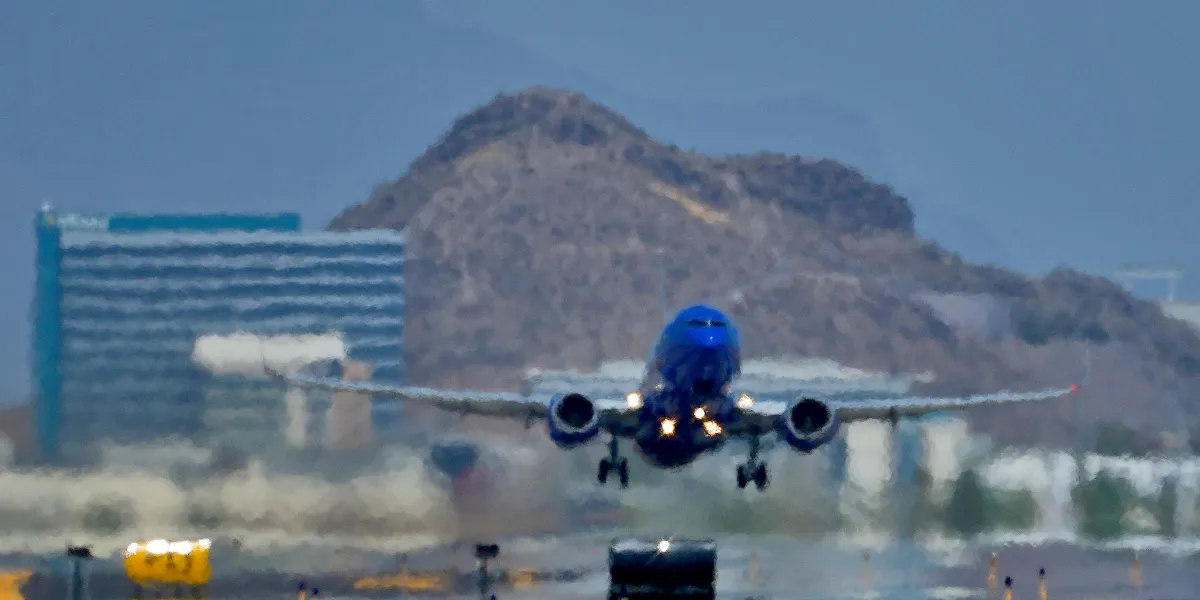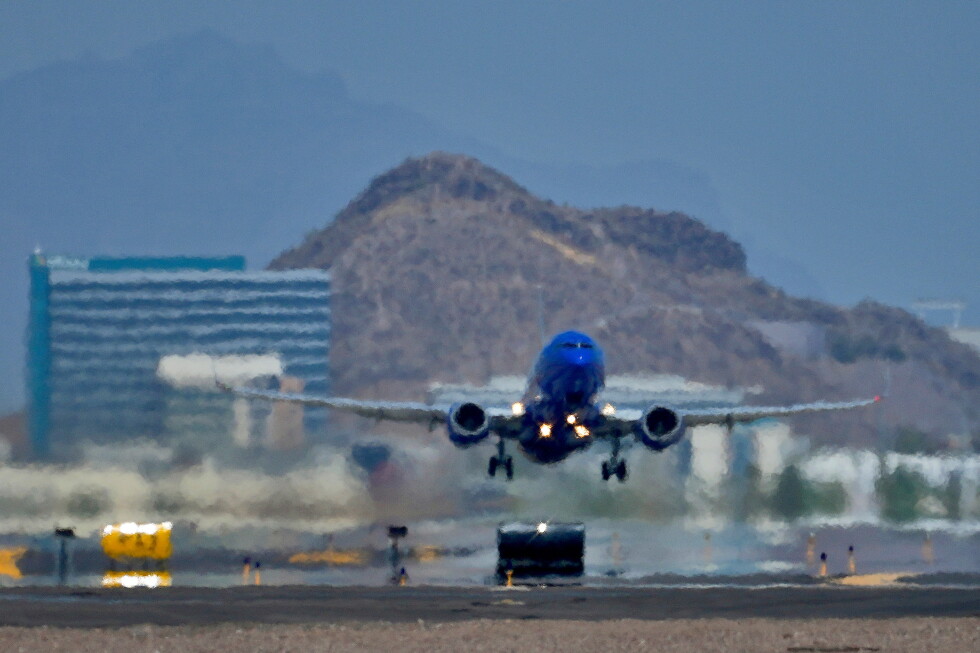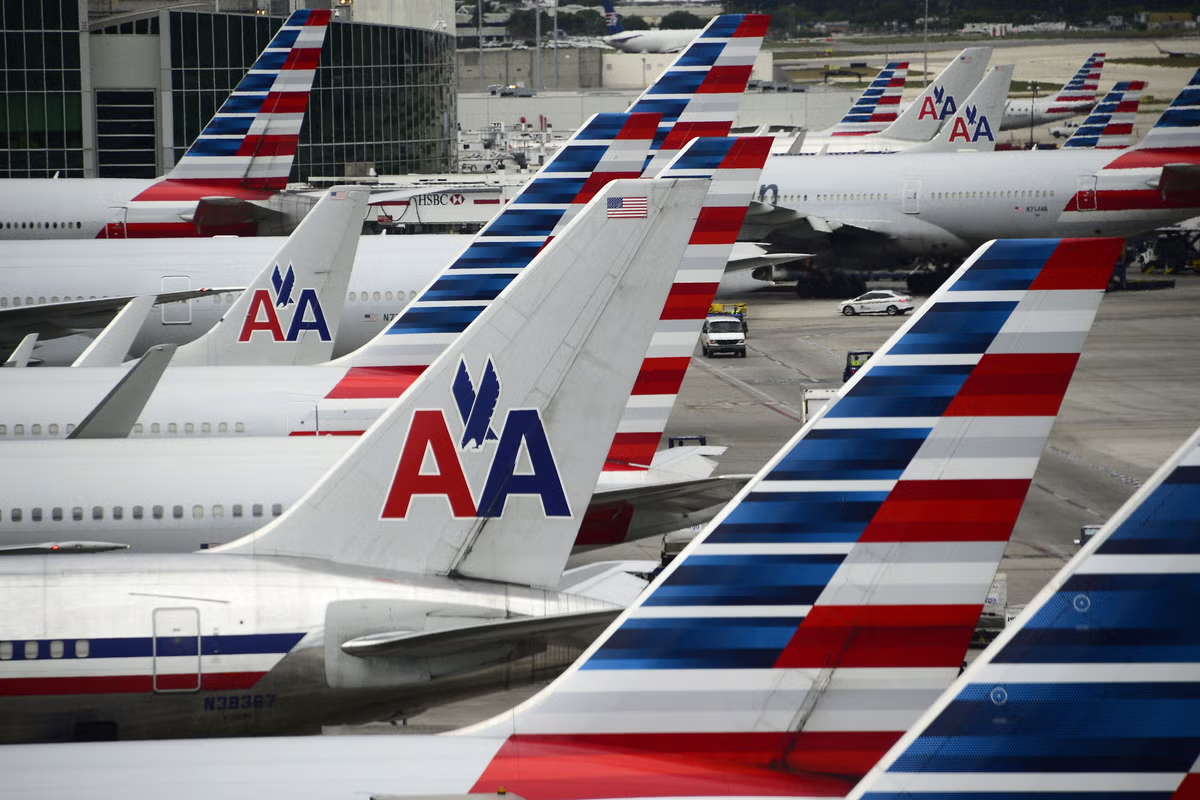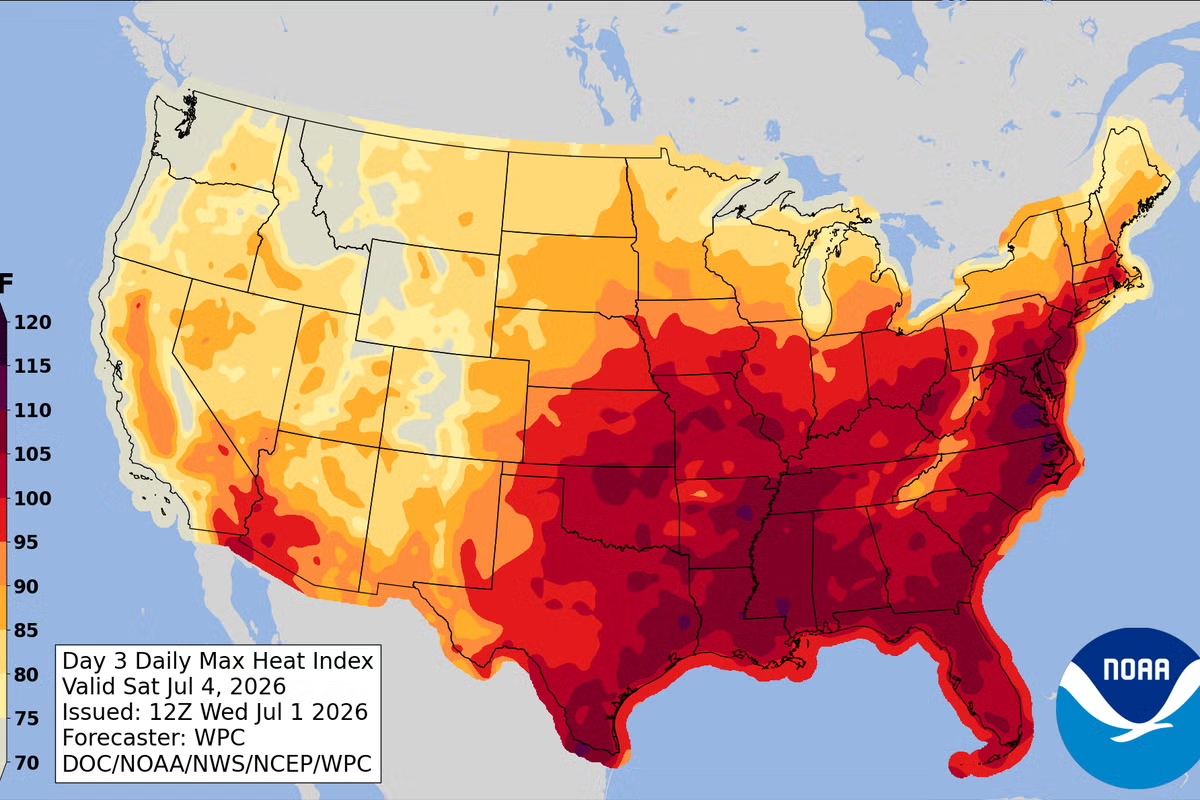
Jump to contentThank you for registeringPlease refresh the page or navigate to another page on the site to be automatically logged inPlease refresh your browser to be logged inAllNewsSportCultureLifestyleExtreme heat is set to increasingly disrupting air travel as thinner air reduces an aircraft's ability to generate sufficient lift and thrust for safe takeoffs, a challenge exacerbated by human-caused climate change. American Airlines recently offered compensation to passengers in Las Vegas on July 24 when temperatures reached 114 degrees Fahrenheit, requiring the airline to reduce the plane's weight to ensure a safe departure, a standard industry practice in hot conditions. Pilots and airlines meticulously calculate safe takeoff capabilities by considering factors such as aircraft weight, airport elevation, and ambient temperature, with higher-elevation airports and shorter runways being particularly susceptible to heat-related restrictions. When preflight calculations indicate an unsafe departure, airlines may opt to reduce cargo, carry less fuel, await cooler temperatures, or solicit volunteers to take a subsequent flight, as seen in past incidents in Phoenix and Denver. Projections indicate that some airports could face weight restrictions on 10% to 30% of flights during the hottest parts of the day by midcentury, and cities like Phoenix and Las Vegas have already seen a significant increase in days with extreme temperatures impacting flights.In fullExtreme heat could keep more flights from taking off on time - especially at certain airportsMore bulletinsThank you for registeringPlease refresh the page or navigate to another page on the site to be automatically logged inPlease refresh your browser to be logged in
Flight delays due to extreme heat expected to become more common
Jump to contentThank you for registeringPlease refresh the page or navigate to another page on the site to be automatically logged inPlease refresh your browser to be logged inAllNewsSportCultureLifestyleExtreme heat is set to increasingly disrupting air travel as thinner air reduces an aircraft's ability to generate sufficient lift and thrust for safe takeoffs, a challenge exacerbated by human-caused climate change. American Airlines recently offered compensation to passengers in Las Vegas on July 24 when temperatures reached 114 degrees Fahrenheit, requiring the airline to reduce the plane's weight to ensure a safe departure, a standard industry practice in hot conditions. Pilots and airlines meticulously calculate safe takeoff capabilities by considering factors such as aircraft weight, airport elevation, and ambient temperature, with higher-elevation airports and shorter runways being particularly susceptible to heat-related restrictions. When preflight calculations indicate an unsafe departure, airlines may opt to reduce cargo, carry less fuel, await cooler temperatures, or solicit volunteers to take a subsequent flight, as seen in past incidents in Phoenix and Denver. Projections indicate that some airports could face weight restrictions on 10% to 30% of flights during the hottest parts of the day by midcentury, and cities like Phoenix and Las Vegas have already seen a significant increase in days with extreme temperatures impacting flights.In fullExtreme heat could keep more flights from taking off on time - especially at certain airportsMore bulletinsThank you for registeringPlease refresh the page or navigate to another page on the site to be automatically logged inPlease refresh your browser to be logged in