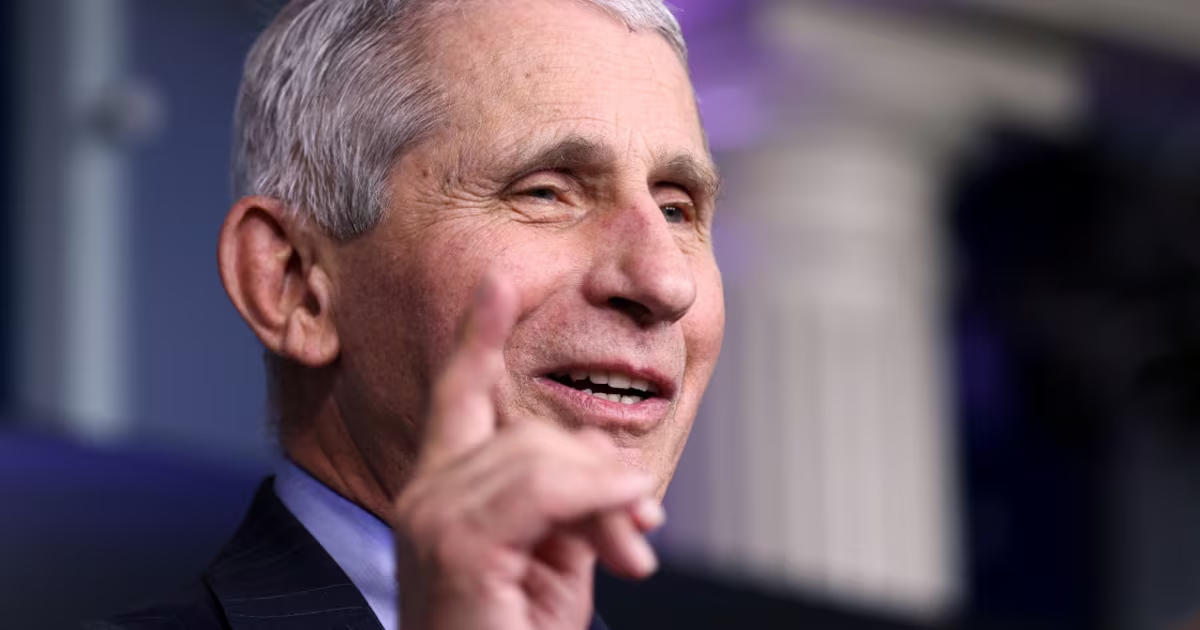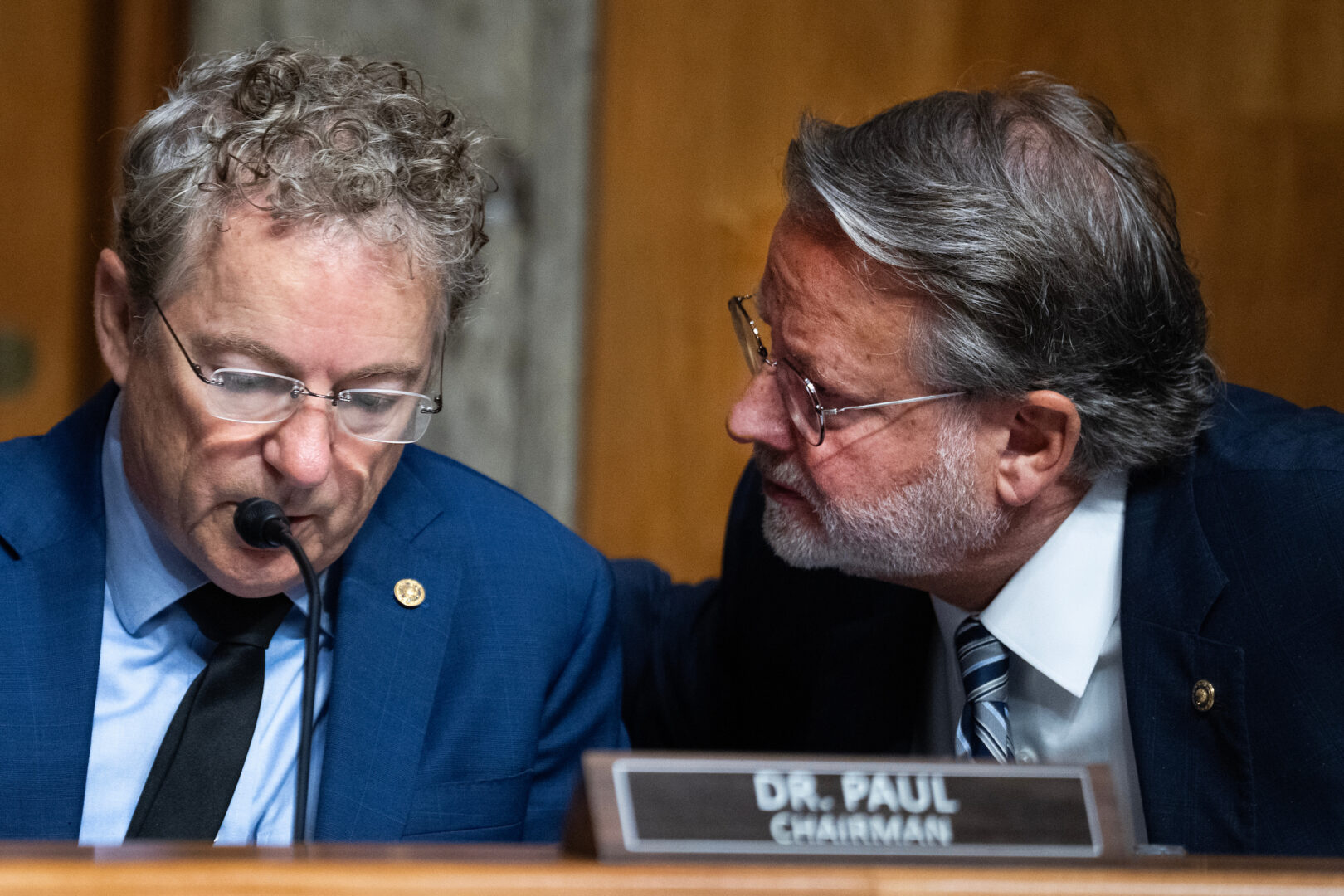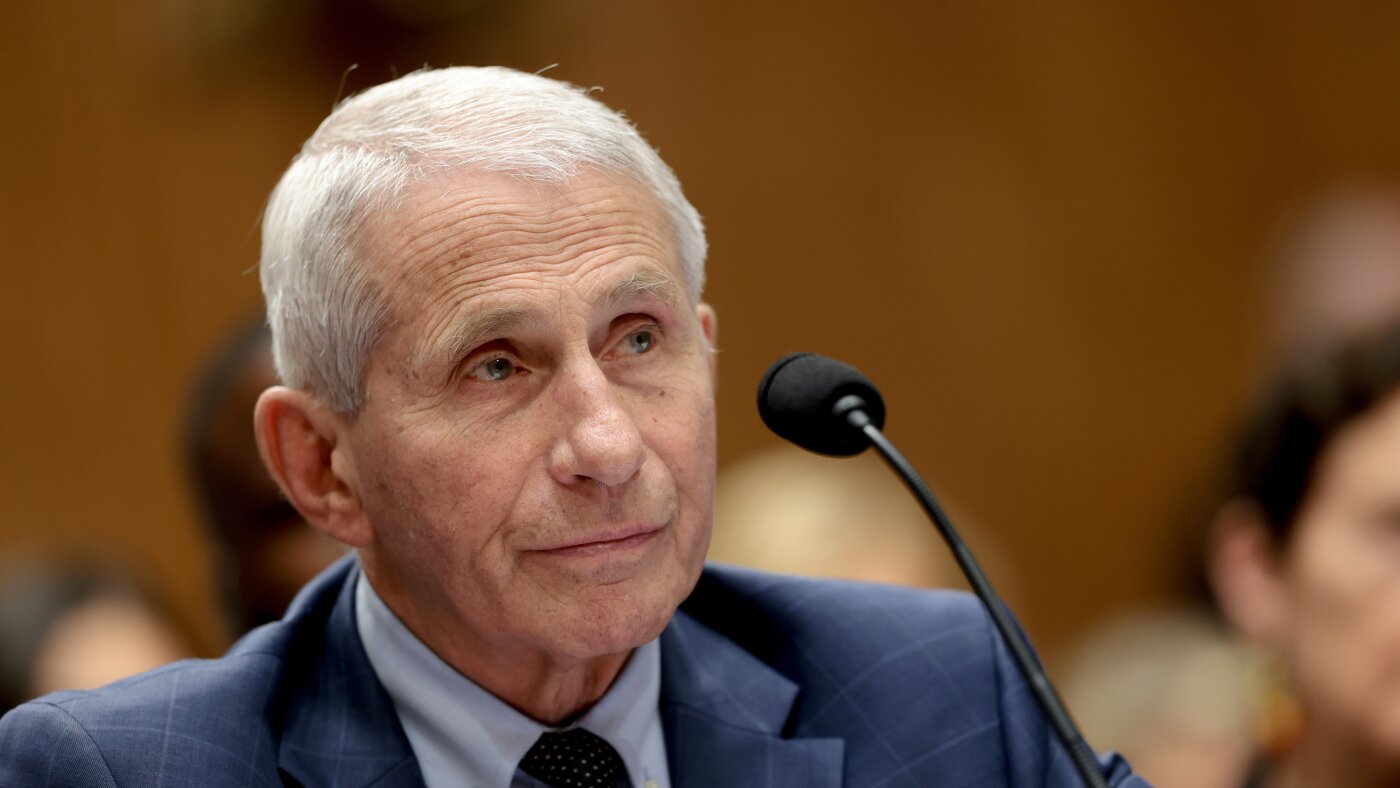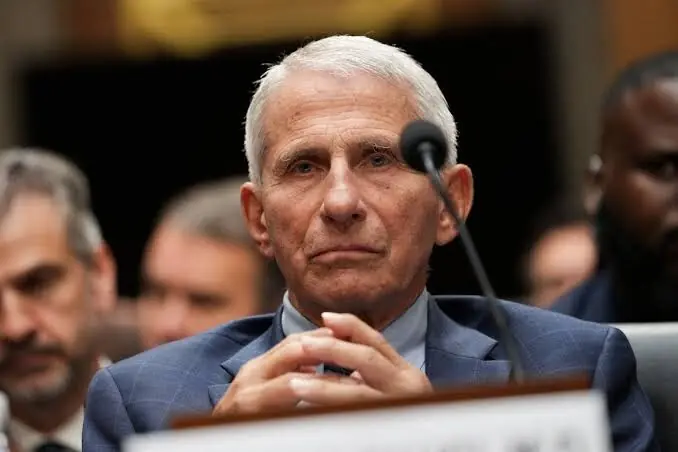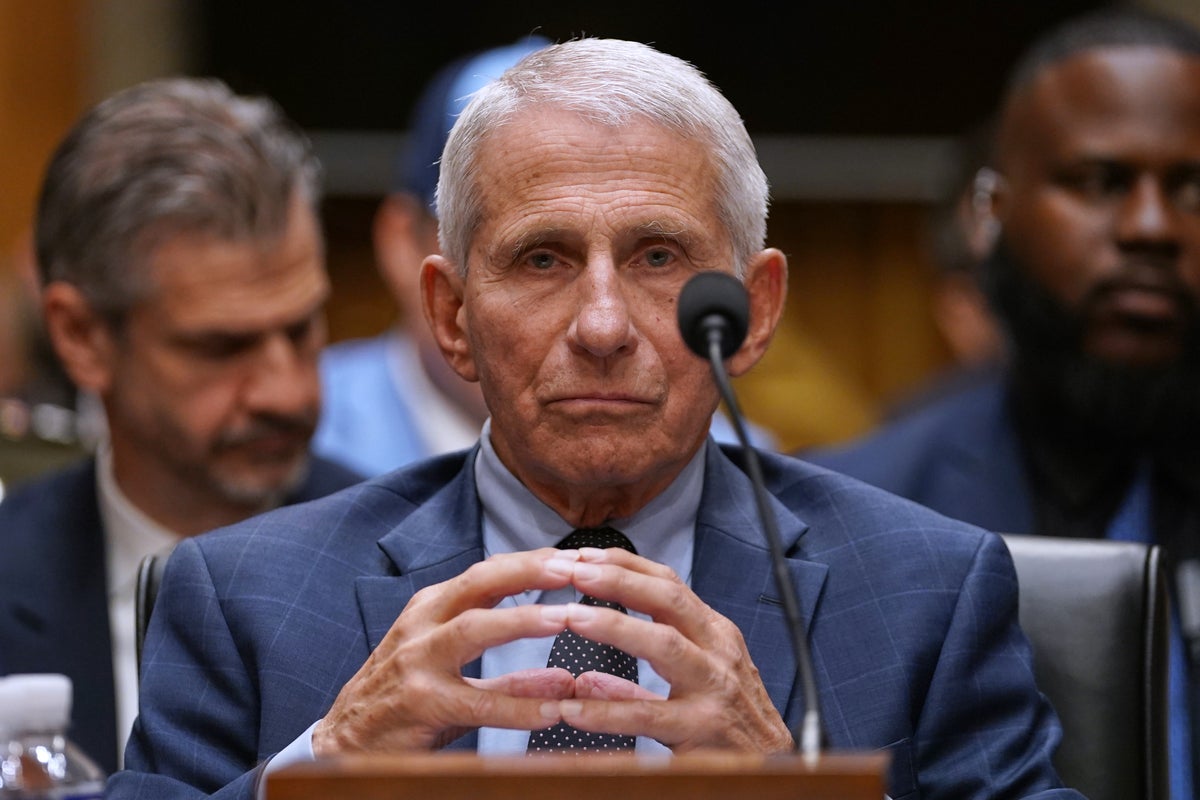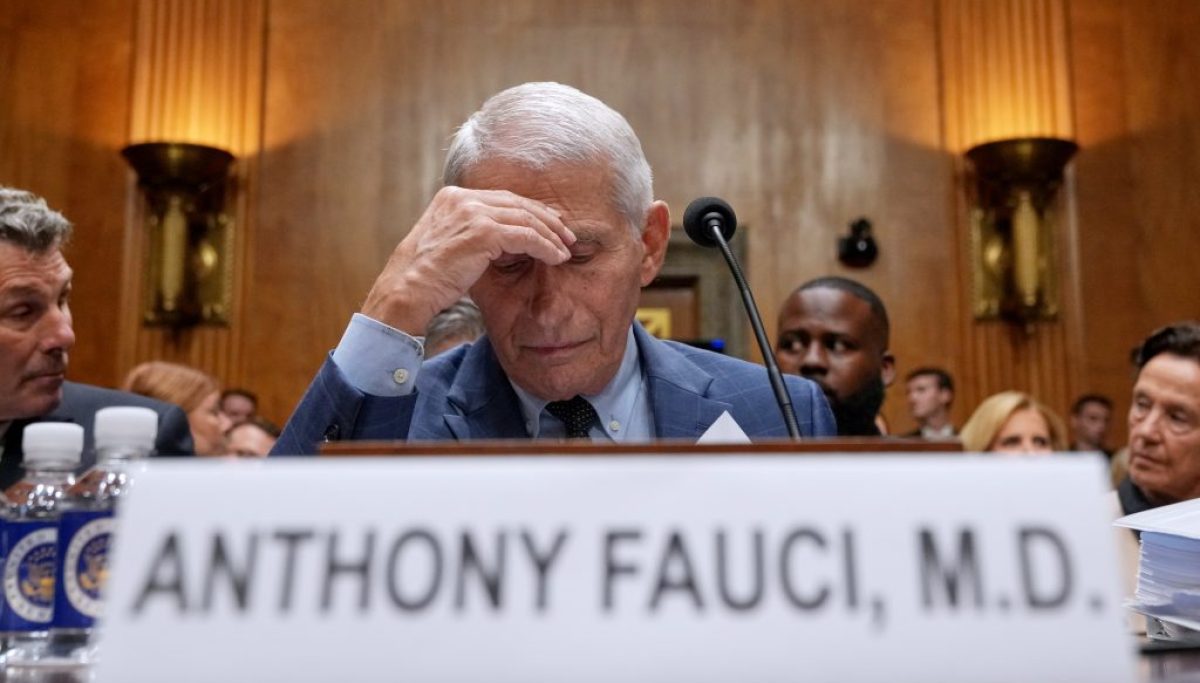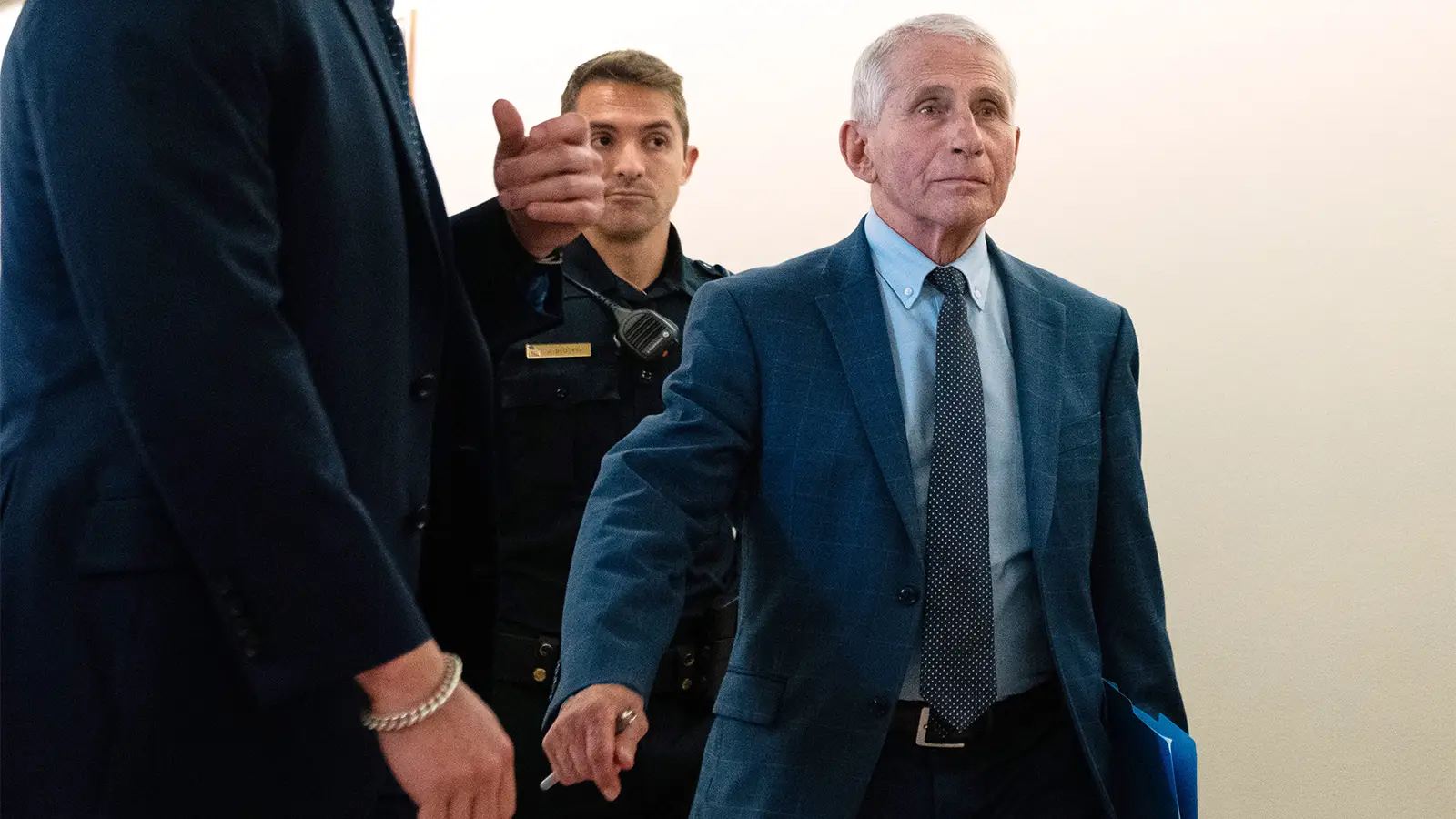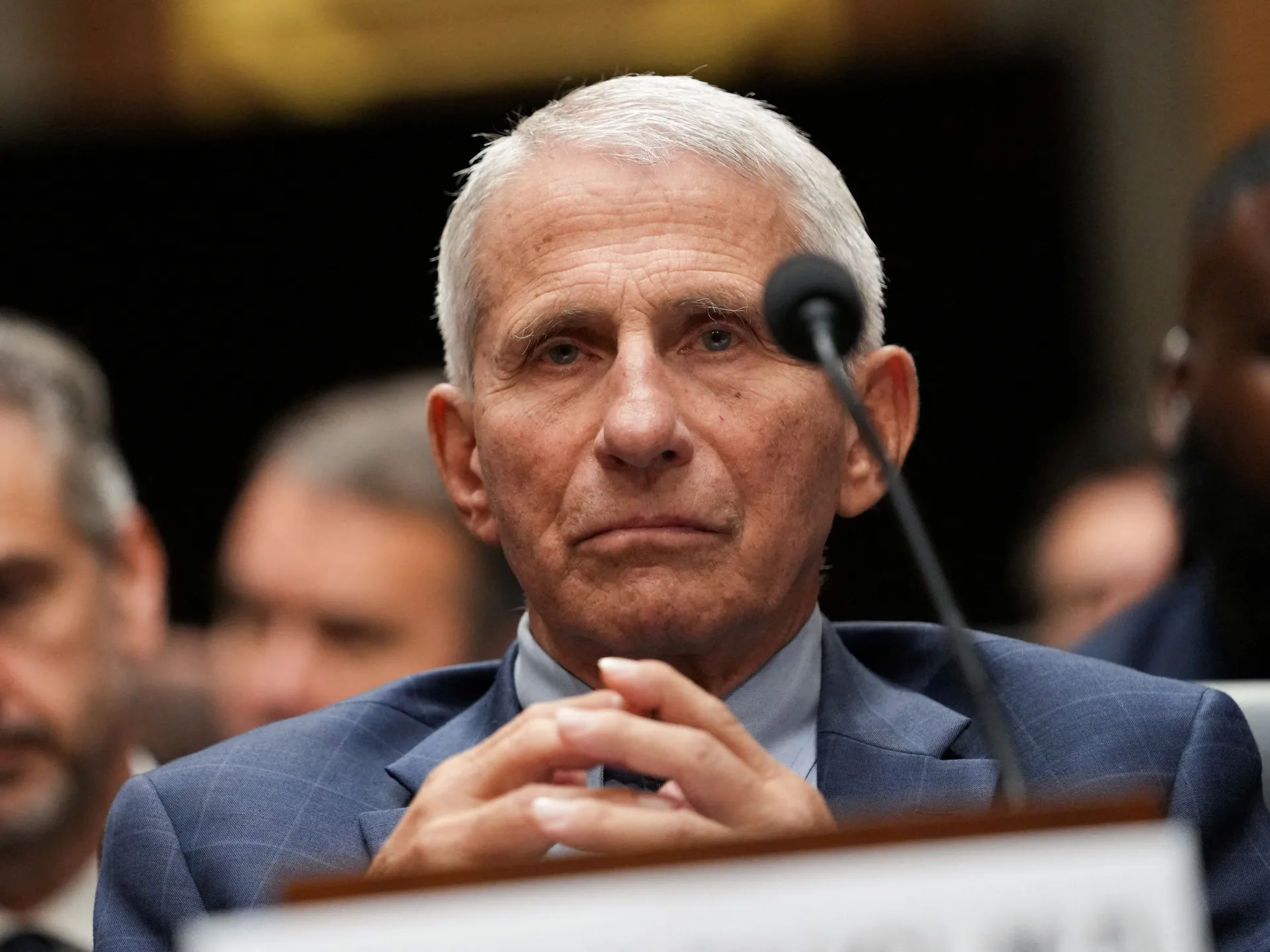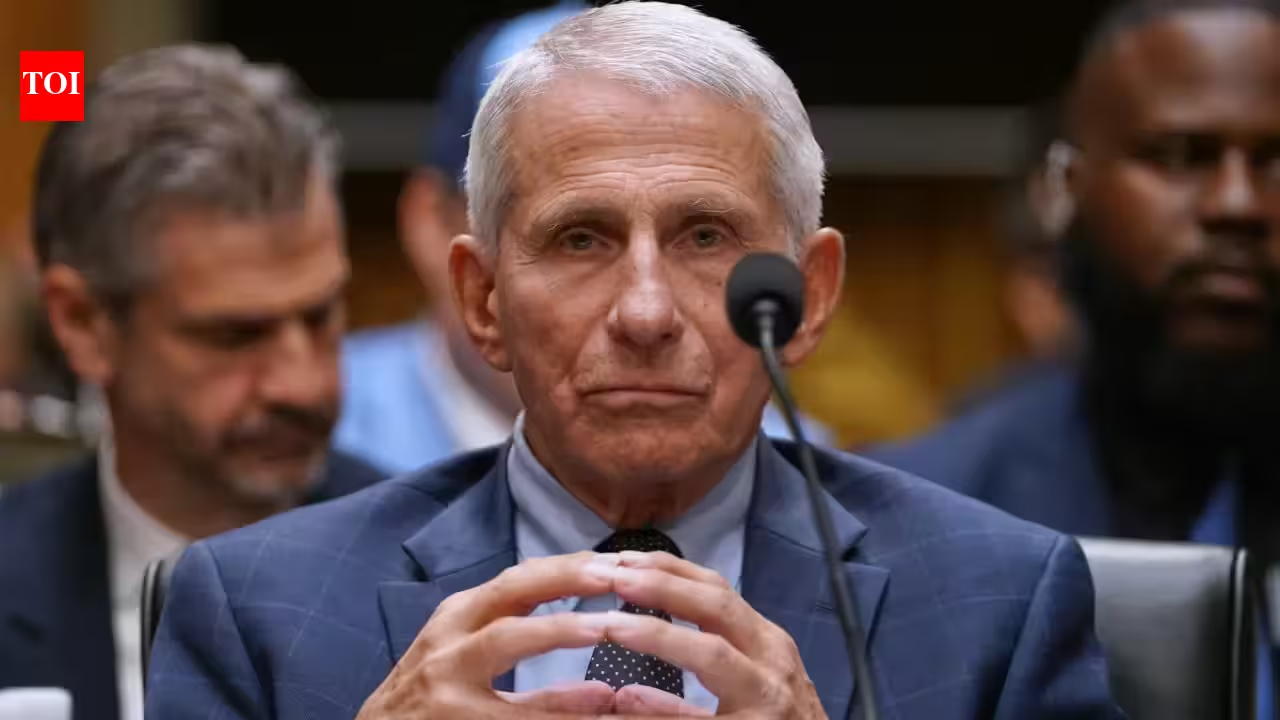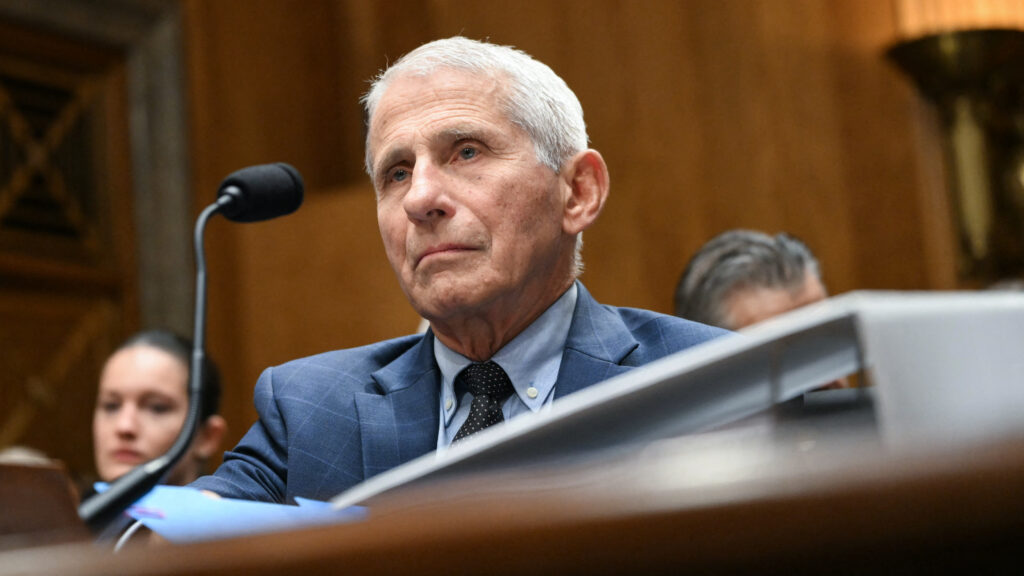
On Thursday morning, the Senate Homeland Security and Governmental Affairs Committee voted along party lines to hold Anthony Fauci in contempt of Congress over his recent invocation of the Fifth Amendment during a hearing about his pandemic-era leadership. Fauci will next face a Senate vote.
While watching these congressional proceedings, my mind has gone to two places at once: the spring of 2020 — and, more importantly, to what comes next.
This is not an argument against accountability. It is an argument for the kind of accountability that prepares us for the next crisis: honest, rigorous, nonpartisan, and focused on systems rather than spectacle. The best form for that would be a 9/11 Commission-style independent body. Early in the outbreak, I served on a regional Covid task force. In those first three to four months, the mortality rate for admitted patients in the institution where I work was in the 20% to 30% range; in some cases, it exceeded 30%.
It was a terrifying period. Families were frightened, communities were looking for guidance, and clinicians were desperate for answers. But because we were facing a novel pathogen, the data people wanted simply did not exist yet.
The infectious disease and public health community was forced to make high-stakes clinical and operational decisions inside a complete black box. They were urgent, real-time efforts to reduce the loss of life unfolding directly in front of us, based on what we knew about existing infectious disease models at the time, historical precedent, and collective consensus.