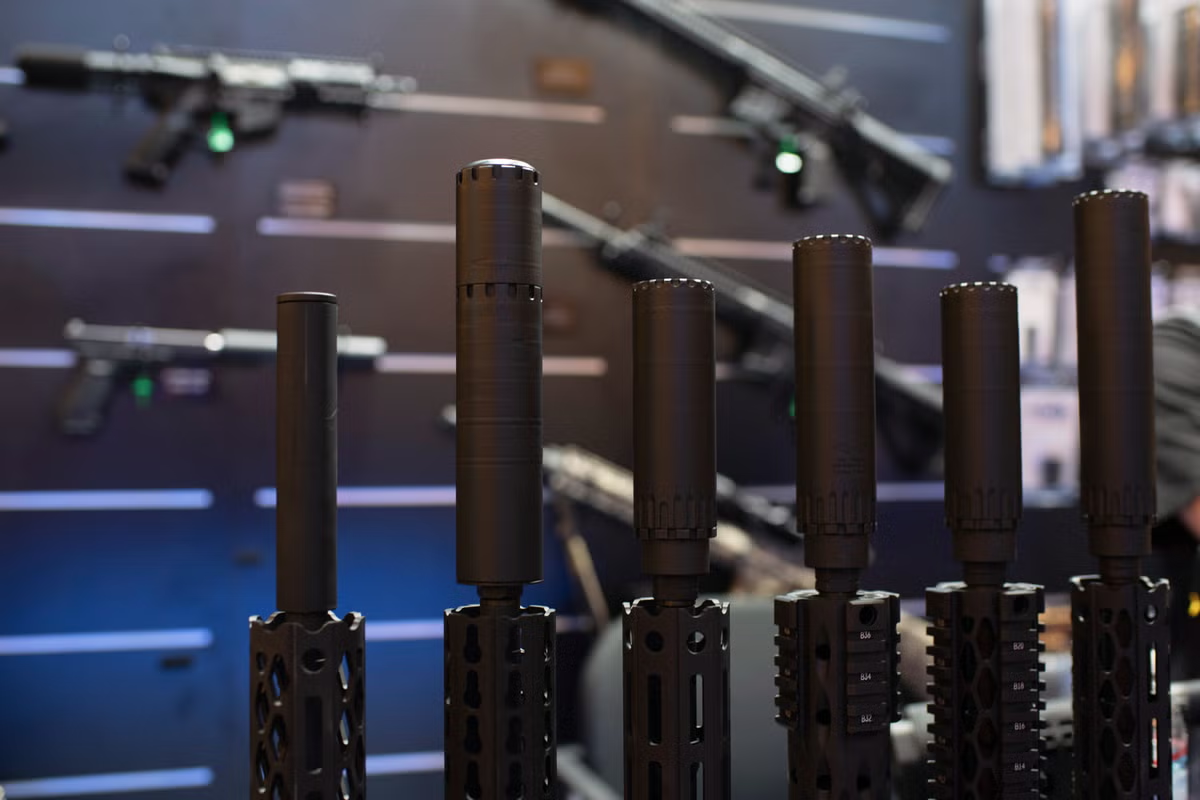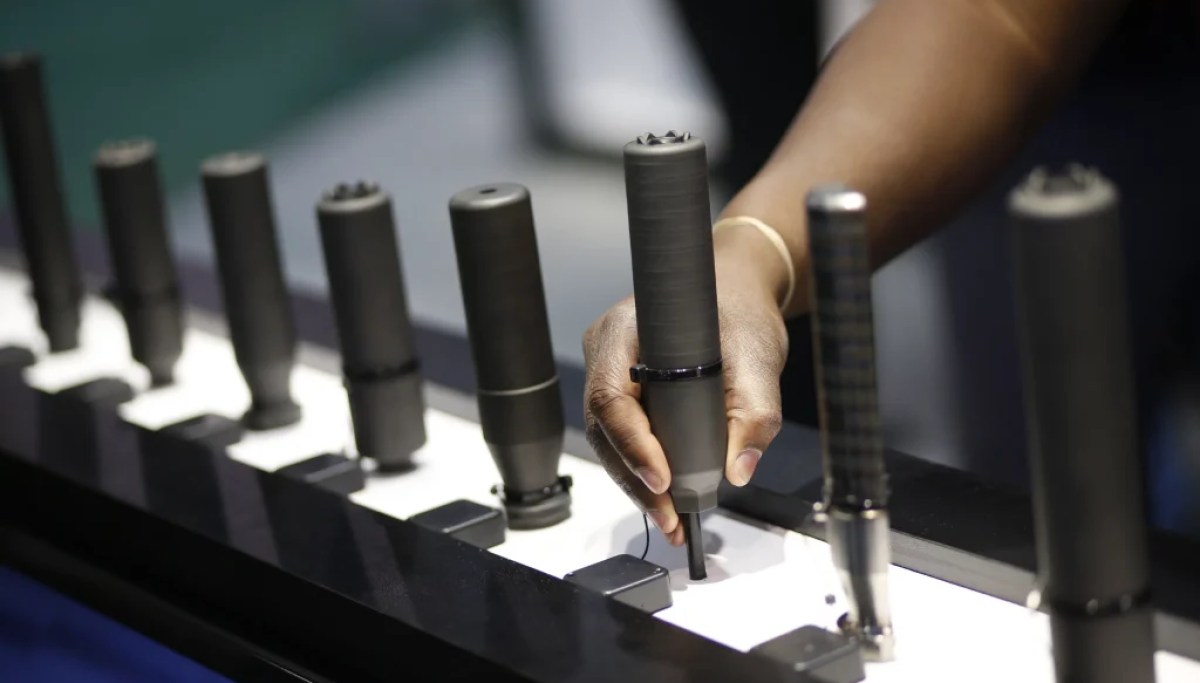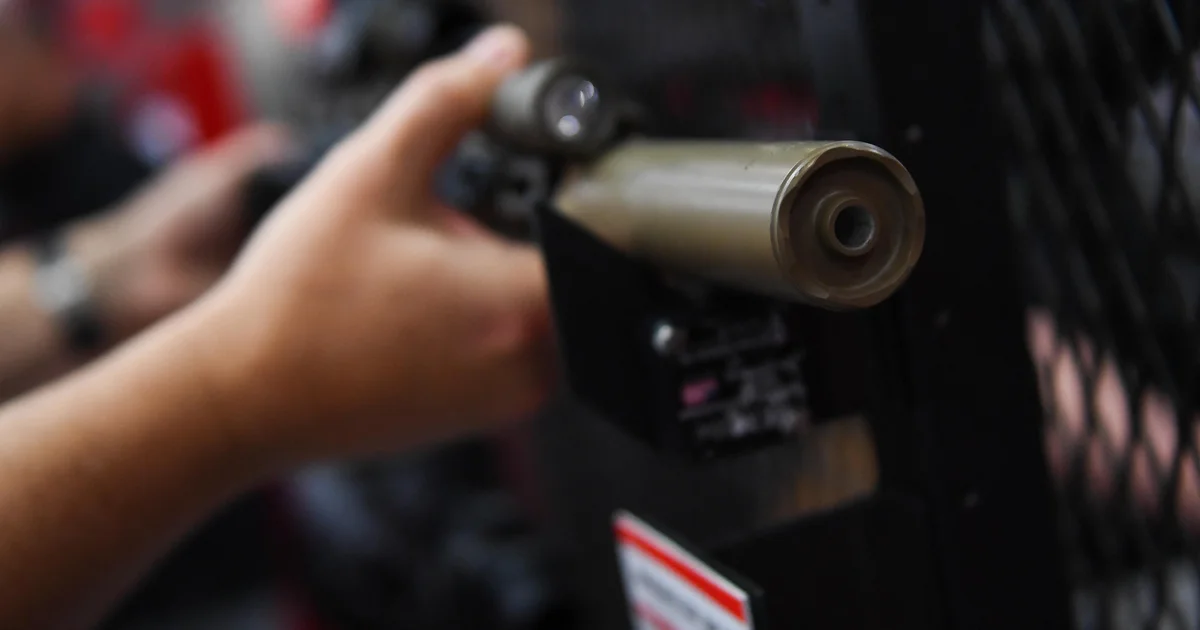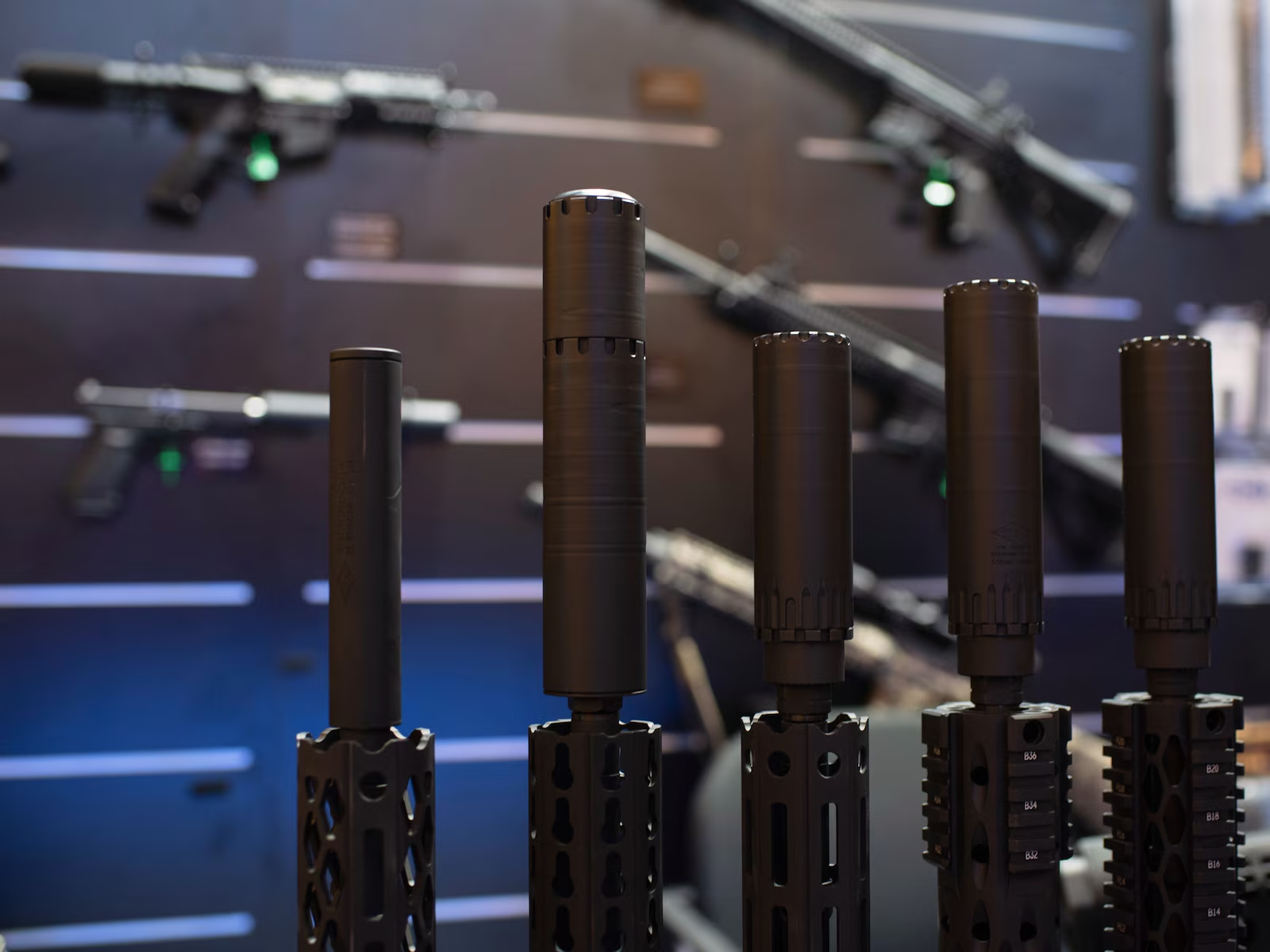
Congress spent 90 years regulating suppressors, short-barreled rifles, and short-barreled shotguns through a tax. Not a ban. A tax: pay $200, submit fingerprints and a photograph, wait for federal approval, and register the item forever in a national database. The National Firearms Act of 1934 survived its first constitutional test because the Supreme Court, in Sonzinsky v. United States (1937), treated it as a revenue measure Congress could impose under its taxing power, whatever its regulatory bite happened to be.Then, in July 2025, Congress zeroed out the tax. As part of the reconciliation package known as the One Big Beautiful Bill Act, lawmakers cut the making and transfer tax to zero dollars for suppressors, short-barreled rifles, short-barreled shotguns, and the catchall “any other weapons” category, effective Jan. 1, 2026. They left the paperwork standing. The Form 1s and Form 4s. The fingerprint cards. The National Firearms Registration and Transfer Record. The felony exposure for getting any of it wrong.
That gap is what U.S. District Judge James Wesley Hendrix ruled on Wednesday. In a consolidated case out of the Northern District of Texas, Silencer Shop Foundation v. ATF and Jensen v. ATF, Hendrix held that Congress enacted the NFA under its taxing power alone and that once the tax disappeared, the government could not fall back on some other constitutional theory it never actually raised at trial to keep the registration scheme standing. The 66-page opinion doesn’t stop at a technical foot fault. It finds the challenged provisions exceed Congress’s Article I authority outright.