August 06, 2026
5 min read
Add topic to email alerts
Receive an email when new articles are posted on
Please provide your email address to receive an email when new articles are posted on .
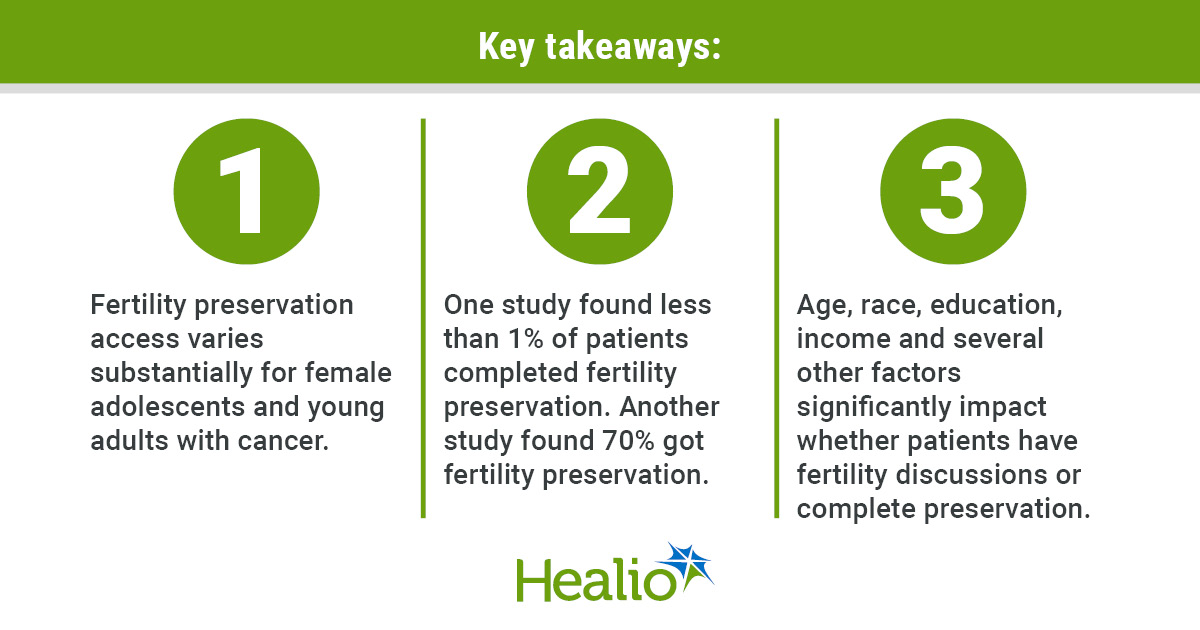
Clinical and sociodemographic factors significantly impact fertility preservation access for female adolescents and young adults with cancer.A systematic review showed that as low as 9% or as high as 75% of patients have fertility preservation discussions with their clinicians, and receipt can vary from less than 1% to 70%.
August 06, 2026
5 min read
Add topic to email alerts
Receive an email when new articles are posted on
Please provide your email address to receive an email when new articles are posted on .

Ann H. Partridge, MD, MPH, still remembers her patient’s anger 25 years later.Partridge, founder and director of the Young and…
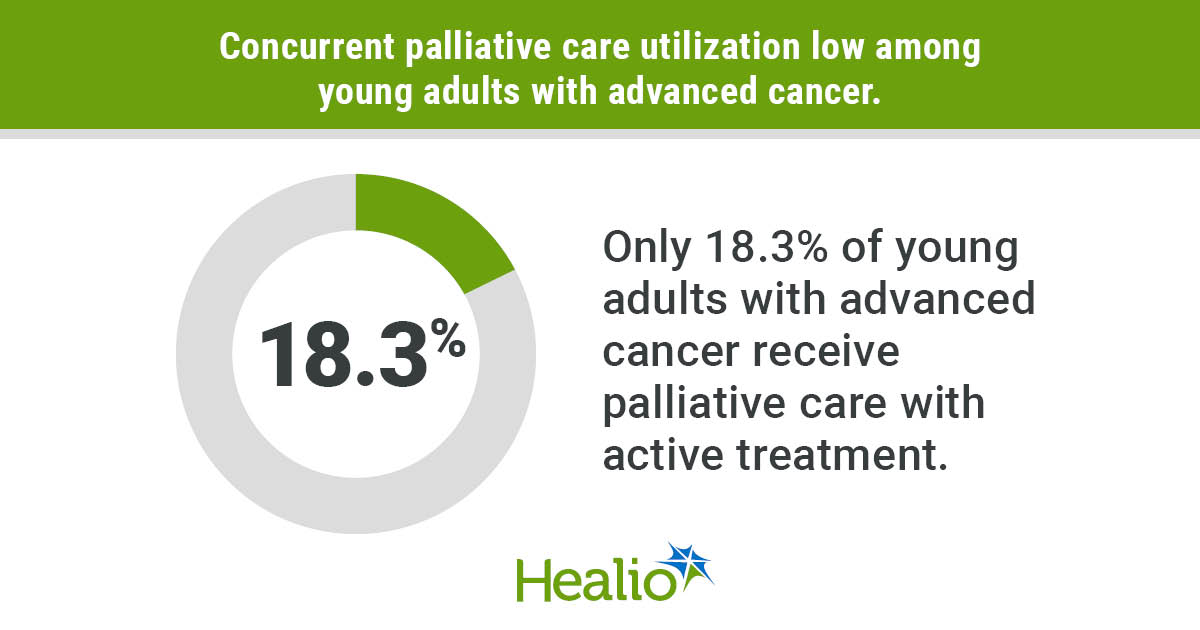
More than 80% of young adults with advanced cancer do not receive guideline-recommended palliative care along with systemic…

Fertility preservation remains inconsistent with the NHS

In this video, Ilana Schlam, MD, MPH, discusses the importance of speaking with patients about fertility preservation therapies…
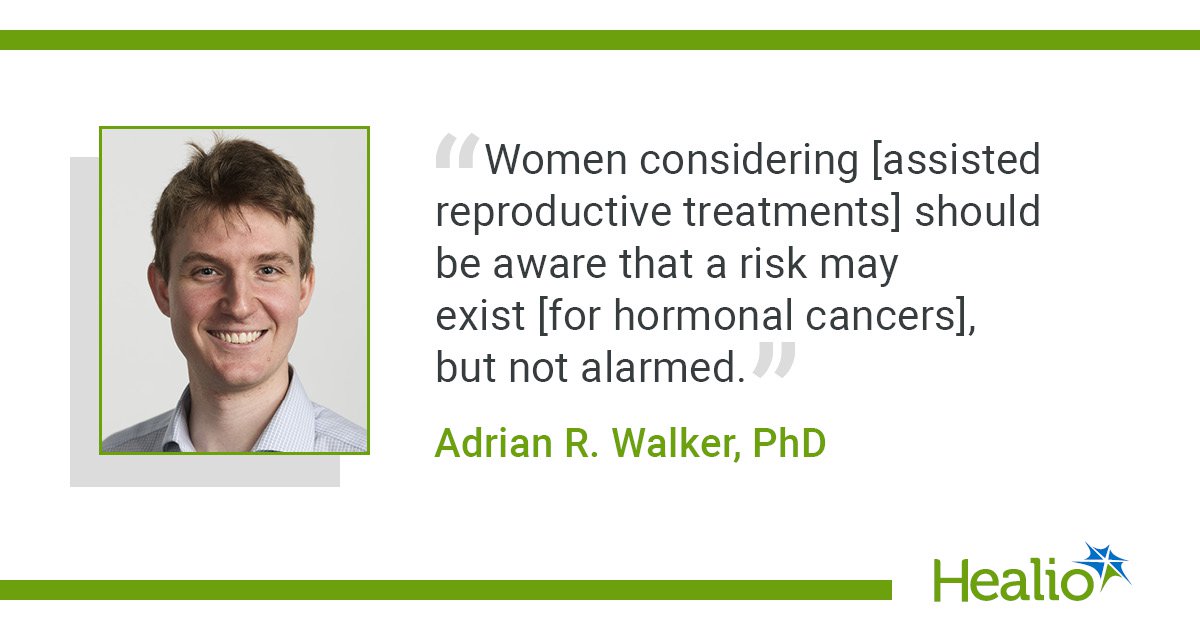
Medically assisted reproduction may increase risk for hormone-related malignancies such as breast and ovarian cancer, but the…
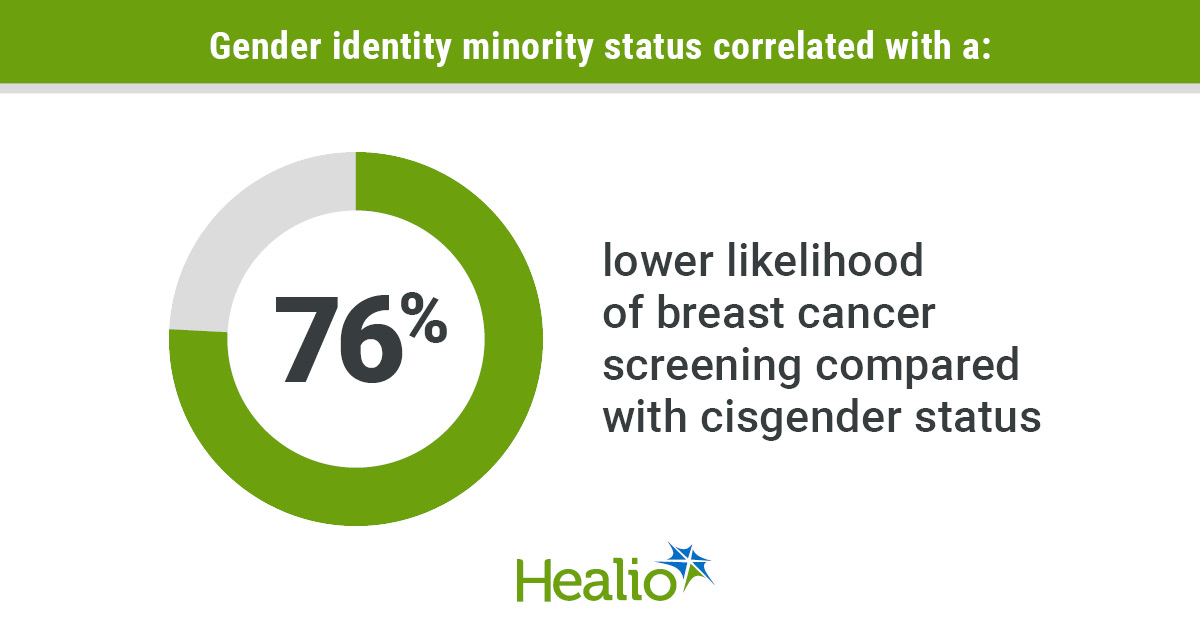
Persistent disparities in preventive cancer care exist among sexual orientation and gender identity minority individuals in the…