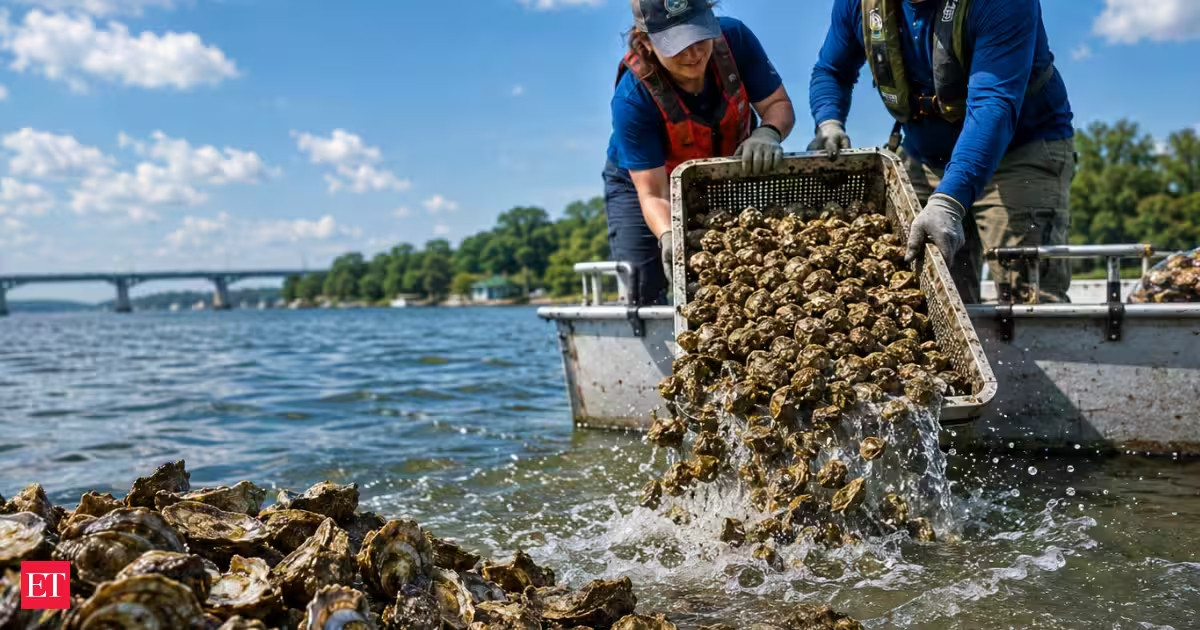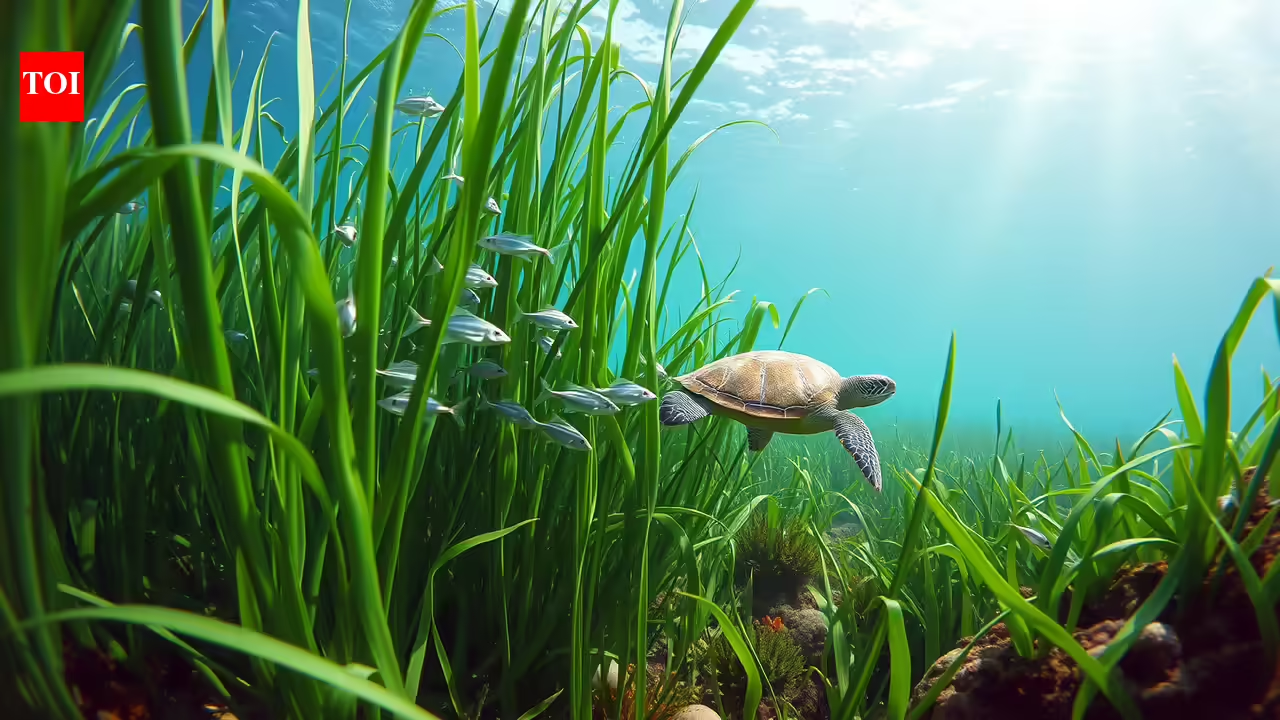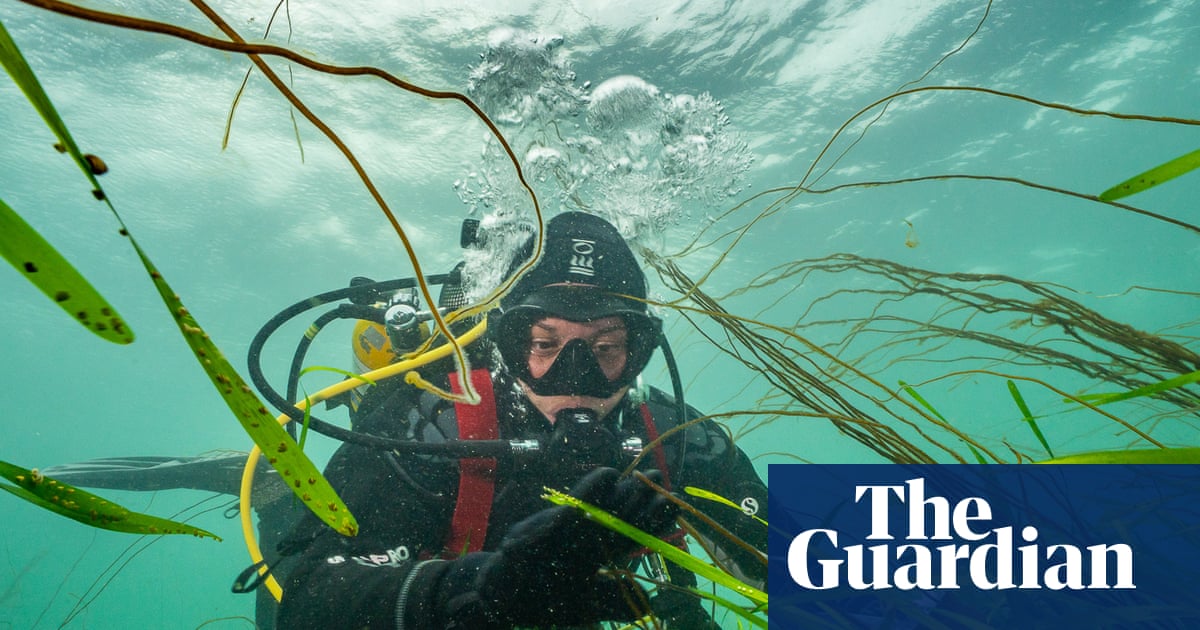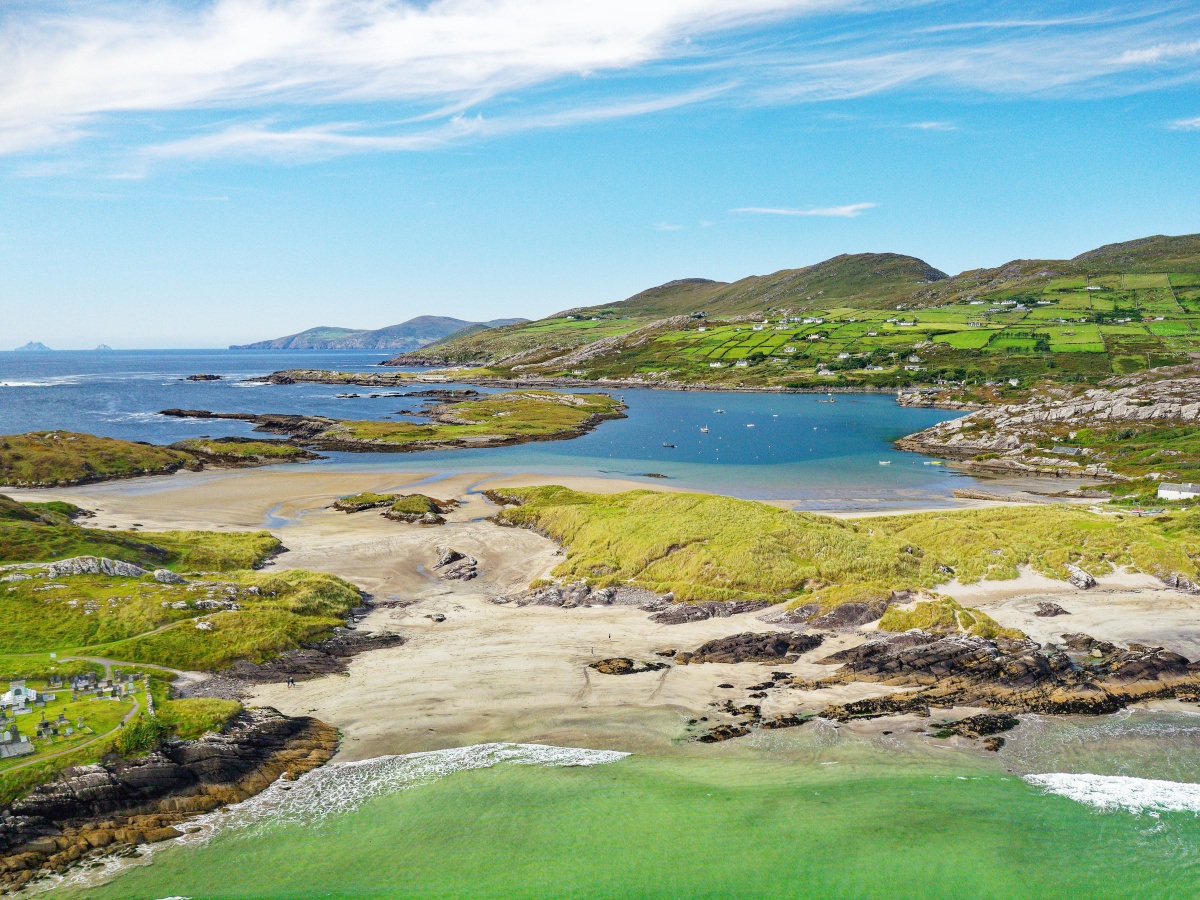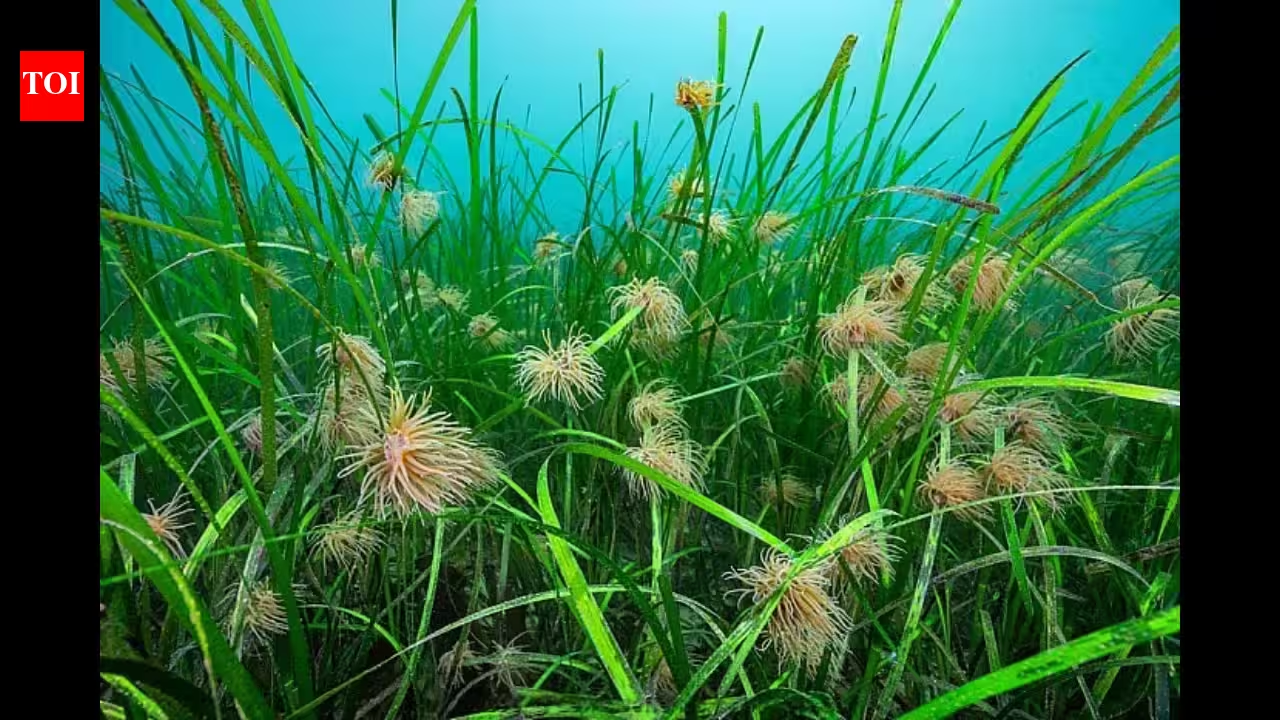
The coastal bays of Virginia experienced a dramatic eelgrass decline due to disease many years ago. In 1999, a comprehensive restoration project commenced, focusing on the dispersal of millions of eelgrass seeds. Image Credits: Wikimedia CommonsFor decades, the shallow coastal bays of Virginia’s Eastern Shore felt the effects of one of the Atlantic coast’s most significant losses of underwater vegetation. Areas that had once supported large eelgrass meadows became open stretches of seabed, changing the conditions for many species that relied on these habitats.In the early 1930s, a wasting disease epidemic caused a dramatic decline of eelgrass across the North Atlantic and along the east coast of North America. The loss of these underwater meadows affected coastal ecosystems that once supported diverse marine communities. Eelgrass meadows that once provided shelter and feeding areas for marine organisms were replaced by largely bare areas where the ecosystem had fewer natural structures.Instead of rebuilding the habitat by planting individual eelgrass shoots, scientists took a different approach. Beginning in 1999, a large-scale restoration project was launched in Virginia's coastal bays, where researchers collected and distributed about 70 million eelgrass seeds across suitable areas. Twenty years later, the results were brought together in the Science Advances research paper, Restoration of seagrass habitat leads to rapid recovery of coastal ecosystem services, which analysed two decades of monitoring to assess how the restored ecosystem had changed.Drawing on two decades of monitoring, the researchers found that eelgrass had expanded to nearly 9,000 acres. The study indicated that improved water clarity allowed more sunlight to reach the seabed, creating conditions that supported the meadow's recovery.A comeback built from millions of tiny seedsUsing seeds allowed researchers to restore a much larger area than would have been practical by planting individual shoots. Because eelgrass naturally reproduces through seeds, the restoration method worked with the plant's own life cycle. As seedlings became established in suitable conditions, new patches gradually expanded and formed larger underwater meadows over time.Researchers observed that once new patches became established, the plants were able to spread naturally. This process helped create larger, connected areas of seagrass habitat instead of isolated pockets of vegetation.The recovery was not immediate. It required years of monitoring and continued evaluation to understand whether the restored meadows could survive and expand. The findings suggest that large-scale ecosystem restoration can succeed when it matches the natural processes of the species being restored.It should also be mentioned that the environmental factors were significant as well. As is known, seagrass requires sunlight for photosynthesis, which takes place underwater. With improved water quality and increased depth of penetration of sunlight, the probability of seed survival rises. Research has indicated that restoration is successful because seeds were planted in the right environment.This initiative successfully rehabilitated nearly 9,000 acres of marine habitat, leading to healthier eelgrass meadows that provide essential shelter and contribute to coastal stability, showcasing a promising strategy for future ecological restoration endeavors. Image Credits: Wikimedia CommonsWhy seagrass recovery is importantSeagrass beds are productive coastal ecosystems. They may not seem very impressive in comparison with forests and wetlands, but they play a significant role ecologically.The Science Advances research explained that restored eelgrass habitats can provide ecosystem services associated with healthy seagrass areas. These include providing habitat structures for marine organisms and helping maintain more stable coastal environments.Eelgrass meadows act as underwater shelter areas where young fish and other marine species can find protection during early stages of life. Their leaves create complex spaces that support small organisms and shape the wider coastal food web.The plants also help stabilise sediments on the seabed. Their root systems hold sediments in place, reducing disturbance and helping maintain the conditions needed for the meadow itself to survive. This creates a feedback loop in which established seagrass makes the surrounding environment more suitable for further growth.The Virginia restoration project also offers lessons for conservation efforts elsewhere. The 2020 Science Advances study showed that ecosystems that have experienced major losses can recover when the right environmental conditions are restored, and natural recovery processes are supported.However, the researchers noted that restoration is not a one-size-fits-all solution for every damaged ecosystem. The success of the Virginia project depended on a combination of suitable water quality, careful site selection, long-term monitoring and continued protection from future disturbances. Those conditions may not exist everywhere.After two decades of restoration, nearly 9,000 acres of eelgrass had returned to Virginia's coastal bays. Rather than replacing nature with artificial structures, the project demonstrated how restoring the right conditions allowed the ecosystem to rebuild itself. The findings provide one of the clearest long-term examples of large-scale seagrass restoration documented to date, while also highlighting that ecological recovery is a gradual process that unfolds over many years.
Beginning in 1999, Virginia scientists scattered about 70 million eelgrass seeds, helping nearly 9,000 acres of seagrass return
For decades, the shallow coastal bays of Virginia’s Eastern Shore felt the effects of one of the Atlantic coast’s most significant losses of underwater vegetation. Areas that had once supported large eelgrass meadows became open stretches of seabed, changing the conditions for many species that relied on these habitats.
783 words~4 min read