(Image credit: Tom's Guide)
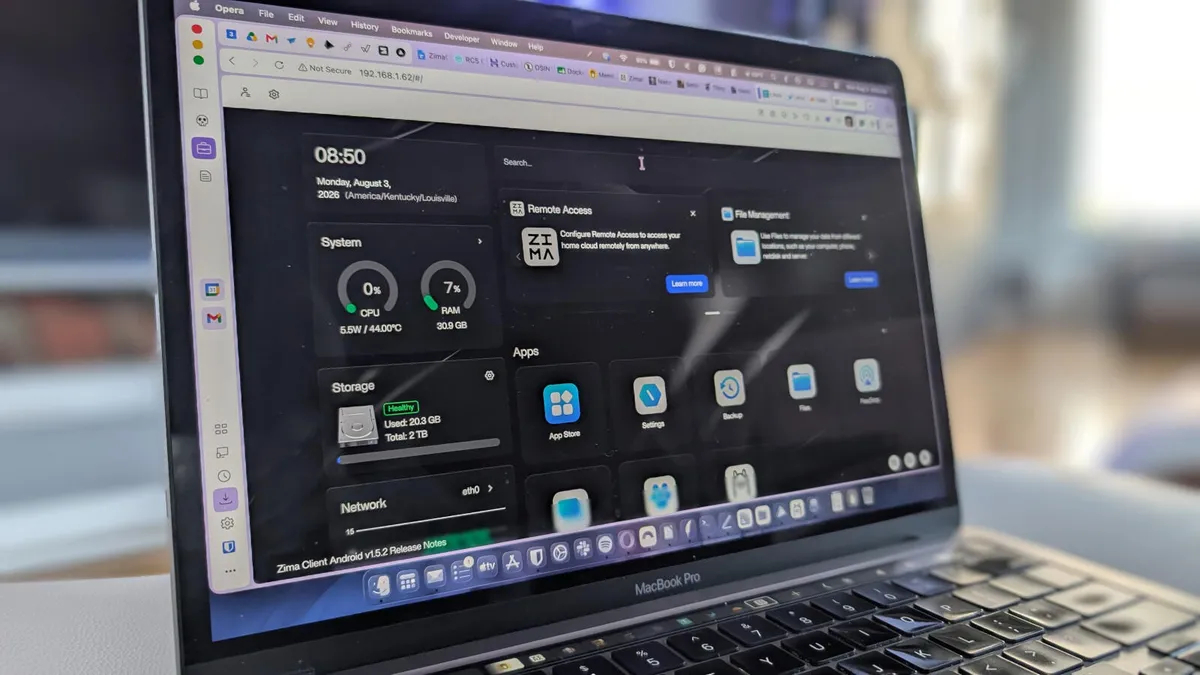
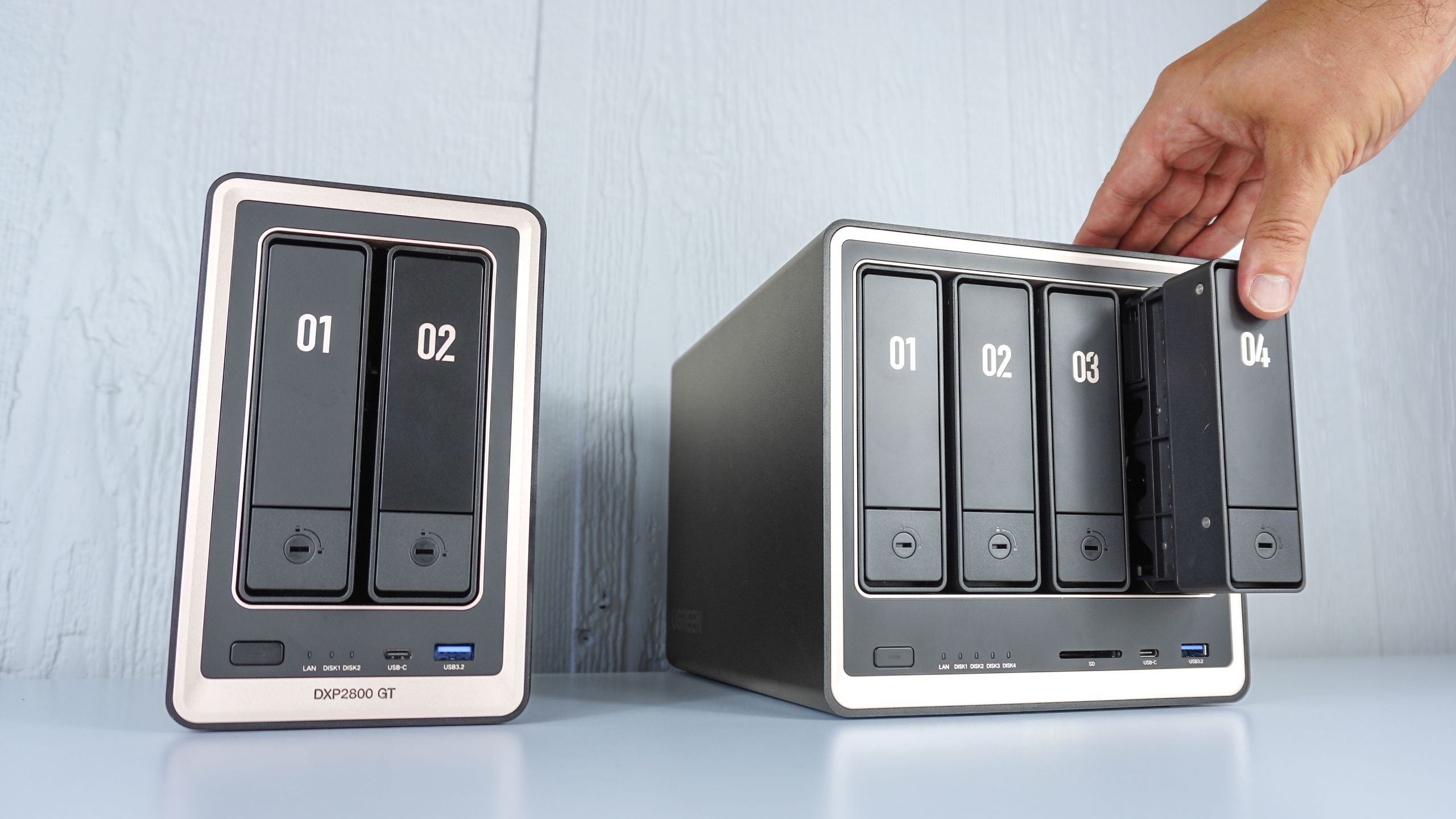
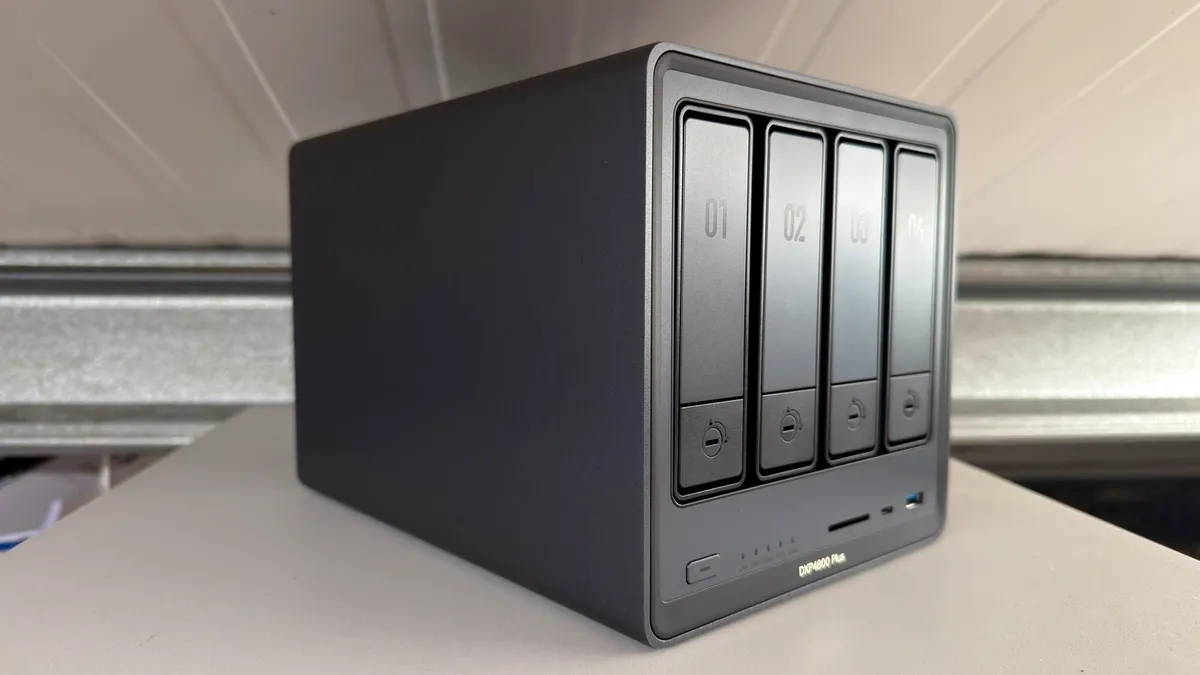
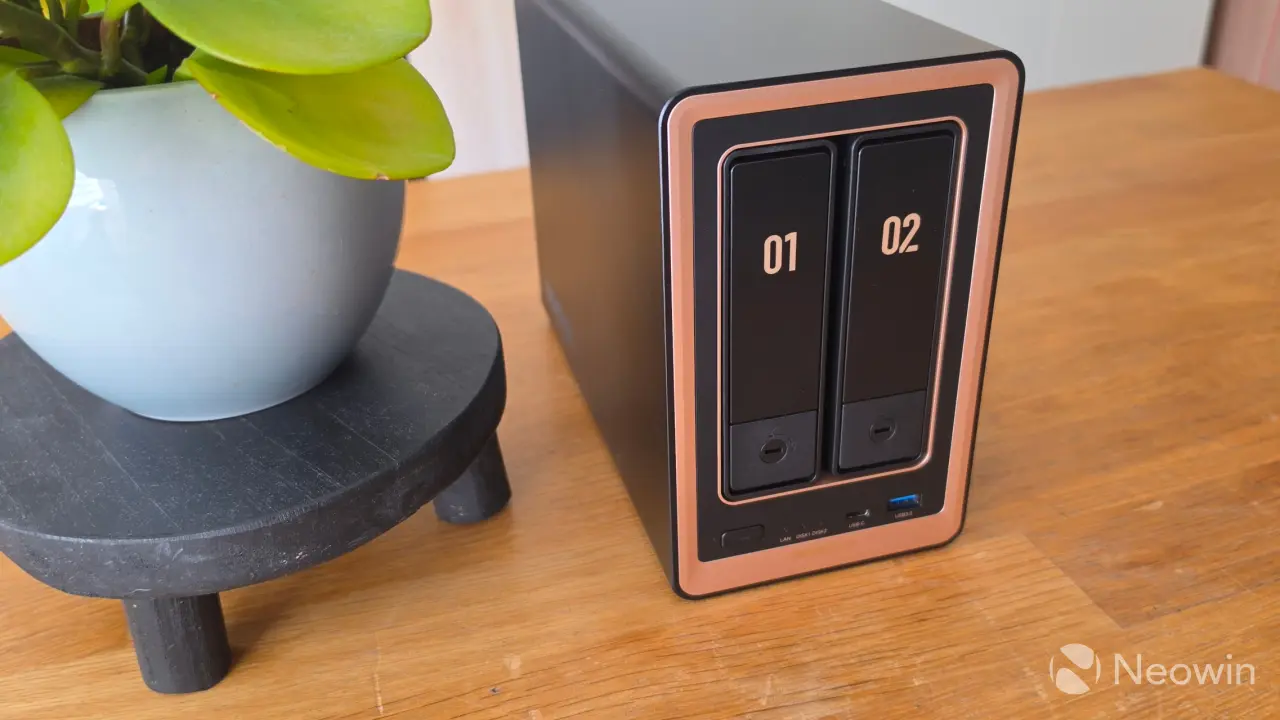
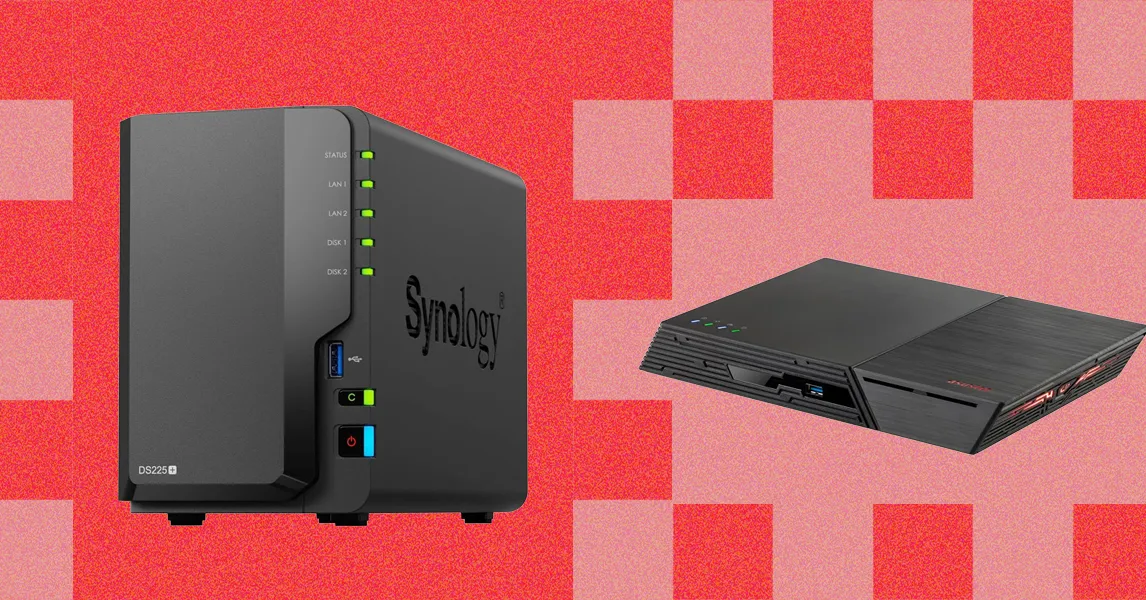
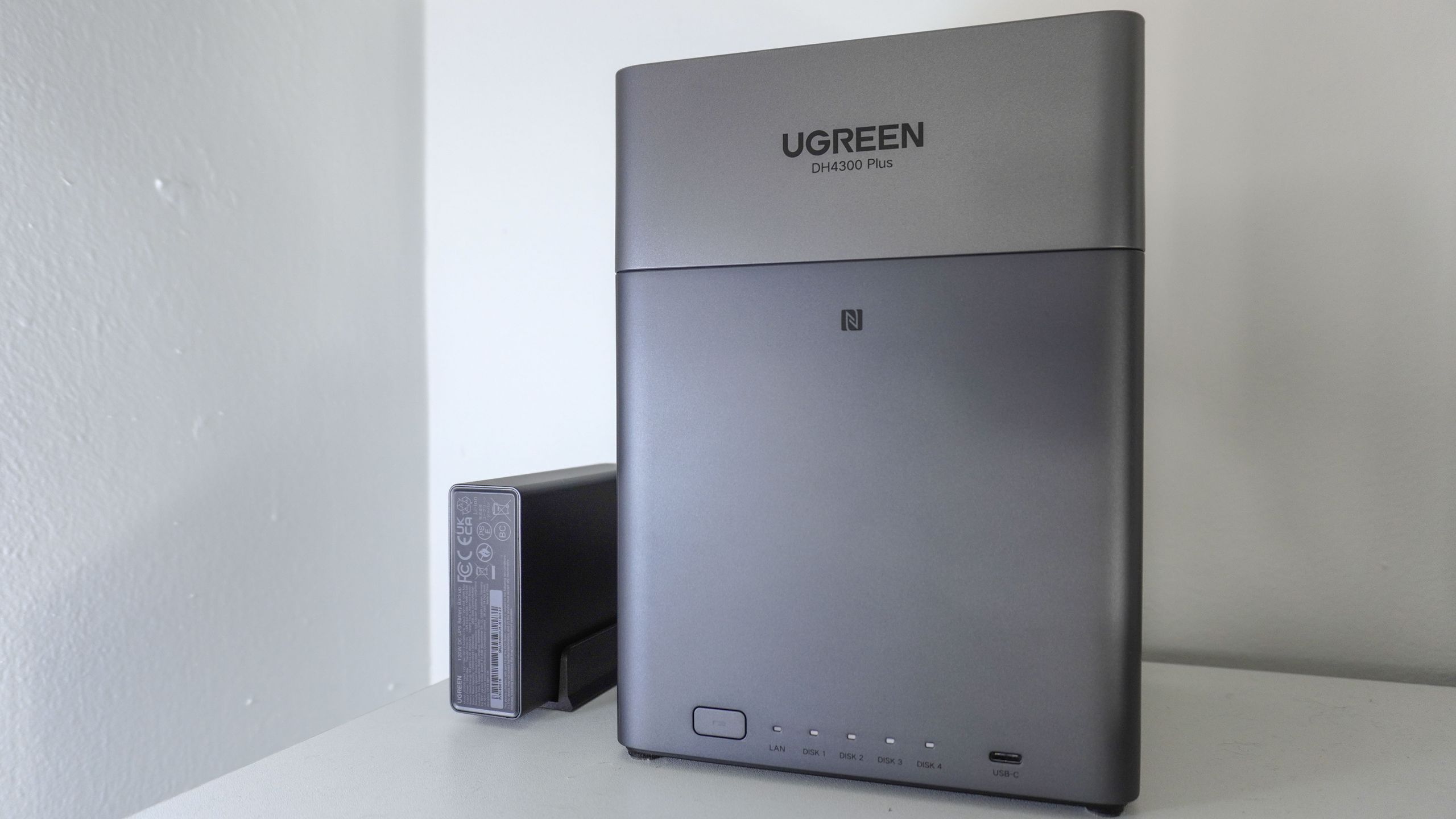
Storing everything in the cloud and streaming movies online is certainly convenient, but subscription costs just keep climbing. That’s why a lot of us — myself included — are ditching the monthly fees in favor of local storage and physical media backed up on a home NAS. However, when you take your data into your own hands there’s a real catch: one sudden power loss can wipe out everything before you even know what happened.I’ve always been interested in Network Attached Storage (NAS), but it wasn’t until last year that I finally added one to my home network. Being able to access my files from anywhere — just like I did through the cloud, but without a monthly subscription — has been a real game changer for my workflow. Likewise, instead of bouncing between streaming services, I can watch all my favorite movies right from my home network.Overall, this whole setup has worked out so well that even the rest of my family now knows how to access the NAS and stream content right from the TV. There’s just one problem: local grid work means constant power outages, forcing me to manually boot the NAS back up. At home, this is a minor inconvenience, but over time, it’s become a real hassle — especially when the power goes out at least once a week.Power outages don’t just interrupt movie night, either. With every sudden drop, I worry about corrupted data — or worse, a full mechanical failure on the drives inside. For this reason, I decided to pair an Uninterruptible Power Supply (UPS) with my NAS. While these backup batteries can be expensive, if you have a Ugreen NAS like I do, you’re in luck as the company now makes an affordable one that’s a cinch to set up.Power bank-sized peace of mind