The 24 July imposition of US tariffs on 60 nations — including members of the European Union — foreshadows a new wave of protectionist action. Brussels may have no option but to respond to this threat to its sovereignty. And transatlantic trade wars will have entered a dangerous new era.
In announcing the American tariffs, the US trade representative’s office asserted that: “The United States is the only country in the world to adopt, and effectively enforce, a ban on imports made with forced labour.” Since the EU has laws against the importation of goods made with forced labour, enforcement, it seems, is in the eyes of the beholder: the Trump administration.
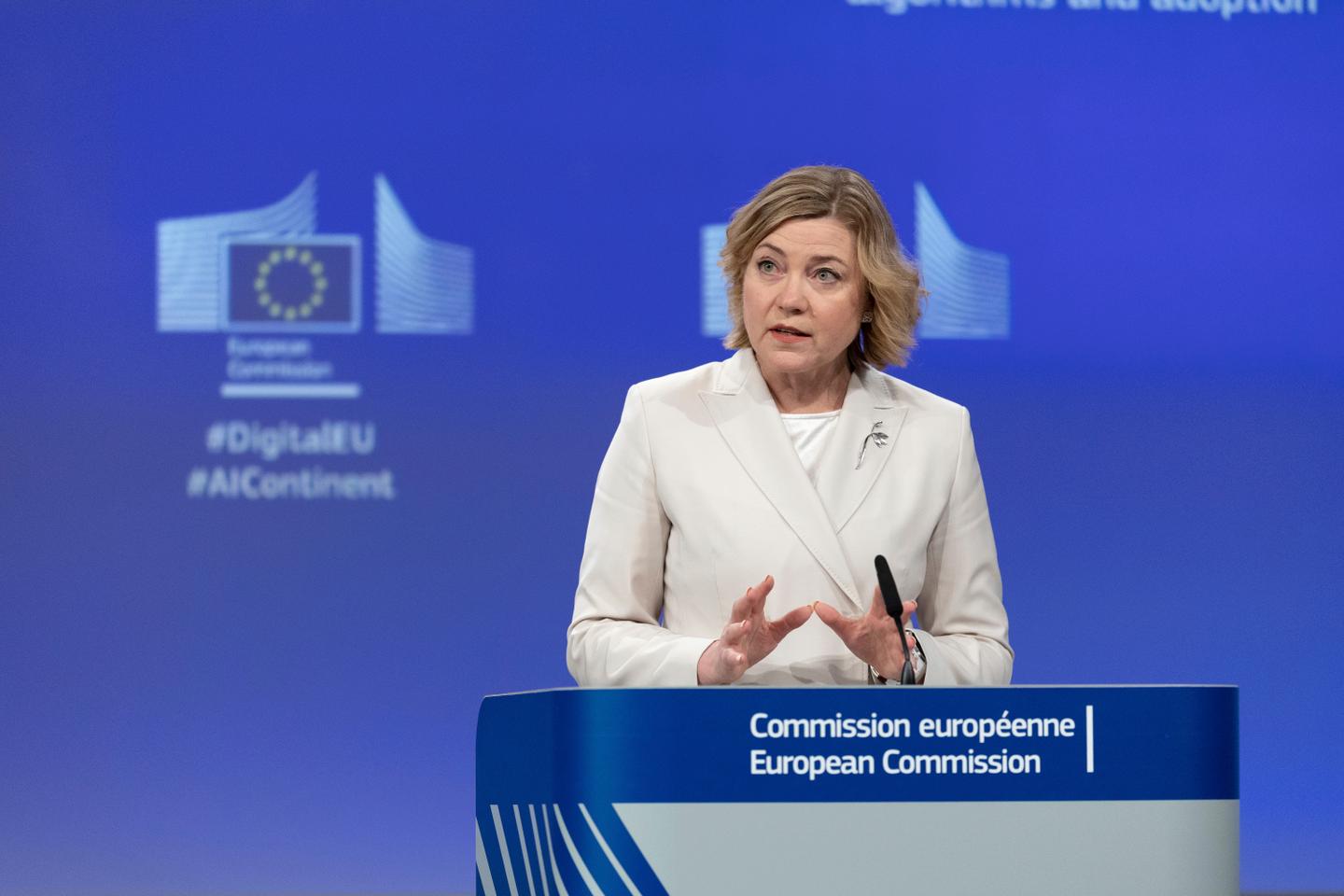
A European Commission spokesperson tried to put a positive spin on the US action: “The EU notes…that this outcome is in line with the US tariff commitments agreed under the EU-US joint statement.” But you can’t make a silk purse out of a sow’s ear.
The Trump administration argues that US exports to Europe and to the rest of the world are harmed by the EU’s failure to police imports based on forced labour.
The US trade representative’s office, for example, cites Poland’s declining importation of US tobacco while Warsaw has increased tobacco imports from Malawi, tobacco allegedly produced by forced labour. The US has indeed lost tobacco market share in Poland. But in 2025 such American exports accounted for a small share of total American exports to Poland and an infinitesimal share of total US exports.