Artificial intelligence is becoming a routine part of enterprise decision-making, helping organizations analyze contracts, negotiate with suppliers, evaluate data, and support strategic planning. But as businesses place greater trust in AI-generated recommendations, a familiar problem remains unresolved: Large language models can present incorrect information with remarkable confidence.
Rather than producing obvious hallucinations, today's AI models often generate plausible, well-written responses that make errors more difficult to recognize. For organizations relying on AI to inform important business decisions, distinguishing confidence from accuracy is becoming an increasingly important challenge.
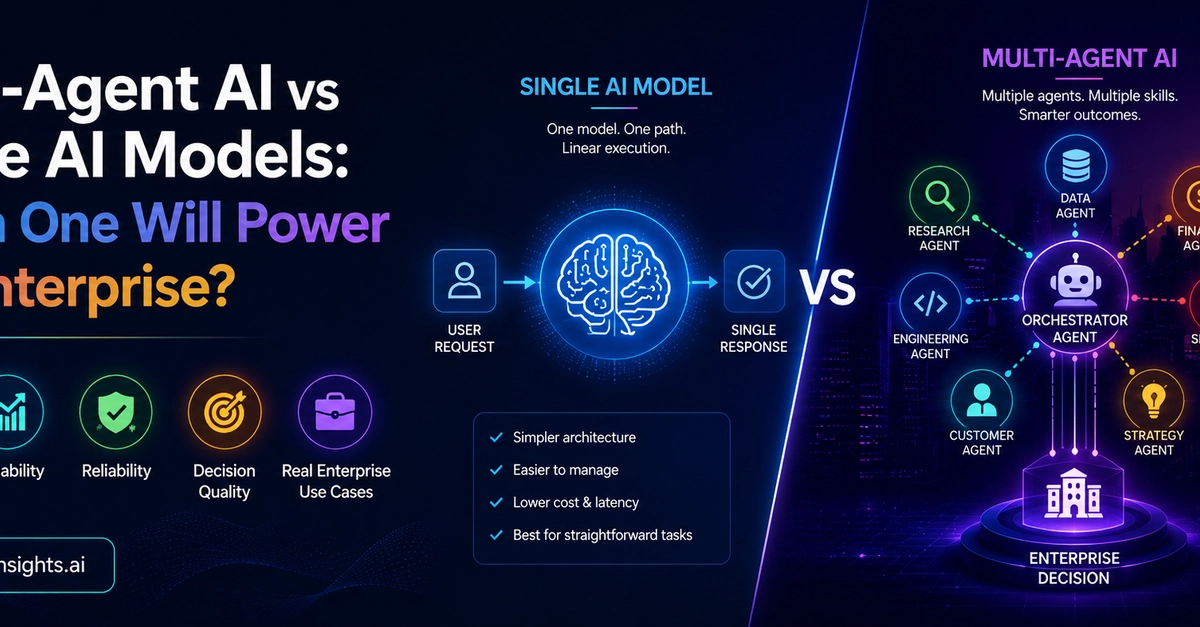
John Davie, founder and CEO of Buyers Edge Platform, encountered that problem while expanding AI use across his organization. His experience led to the development of CollectivIQ, a platform that compares responses from multiple leading AI models to help users identify areas of agreement, disagreement, and uncertainty before acting on the results.
TechNewsWorld spoke with Davie about why AI overconfidence concerns him more than traditional hallucinations, how enterprises can reduce the risks of AI-assisted decision-making, and whether consensus across multiple models can improve trust in AI-generated answers.