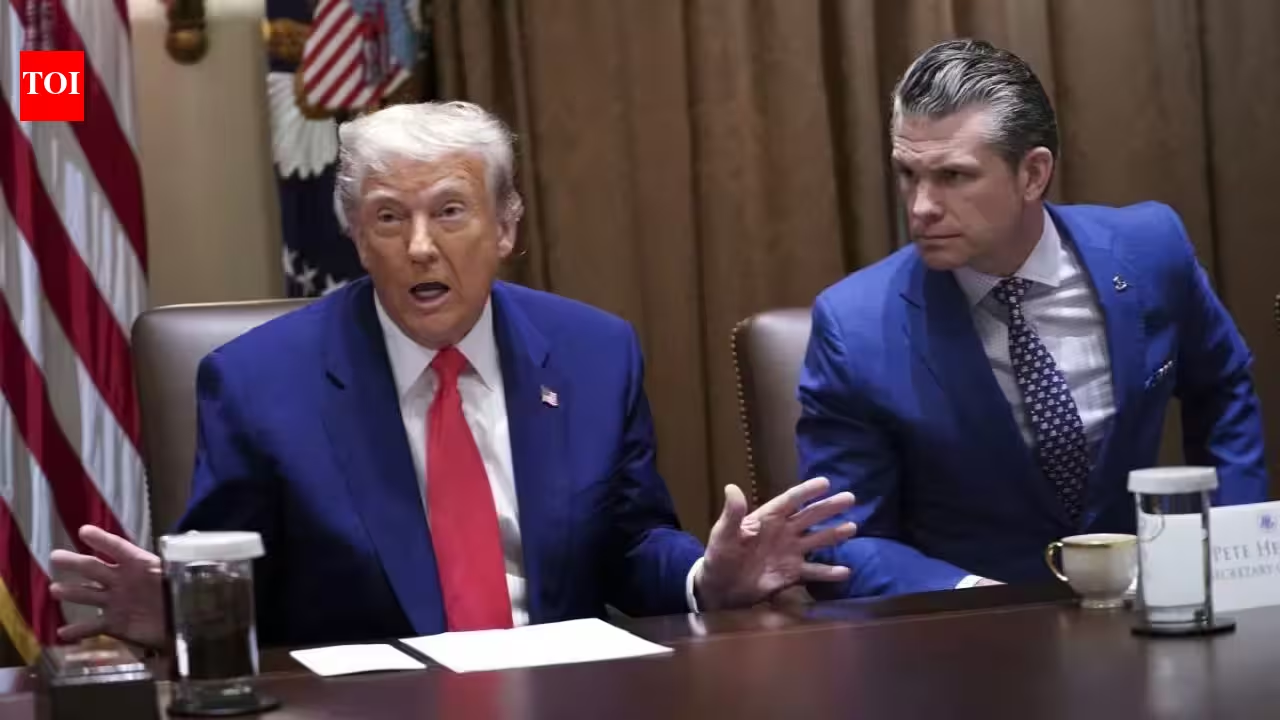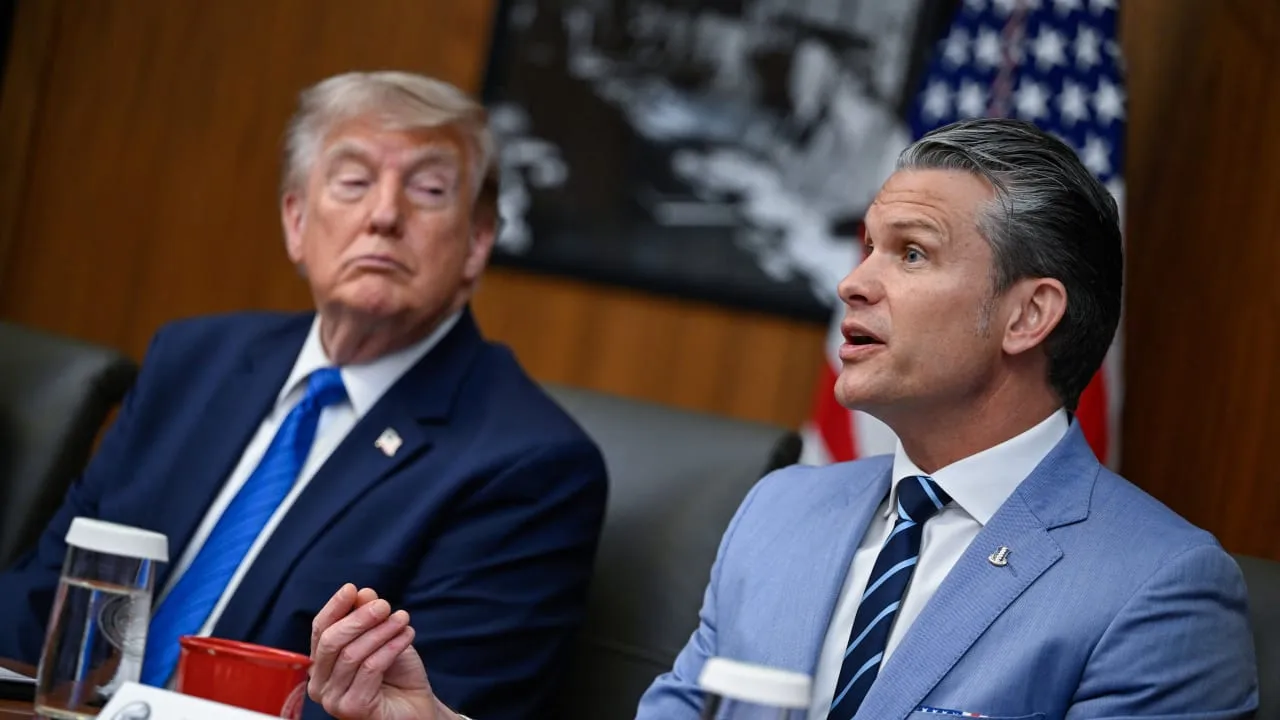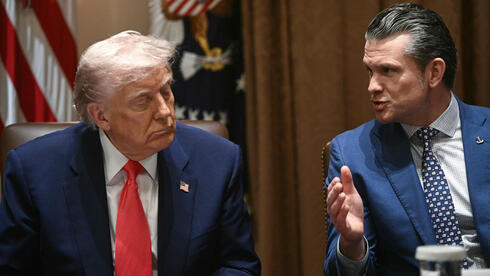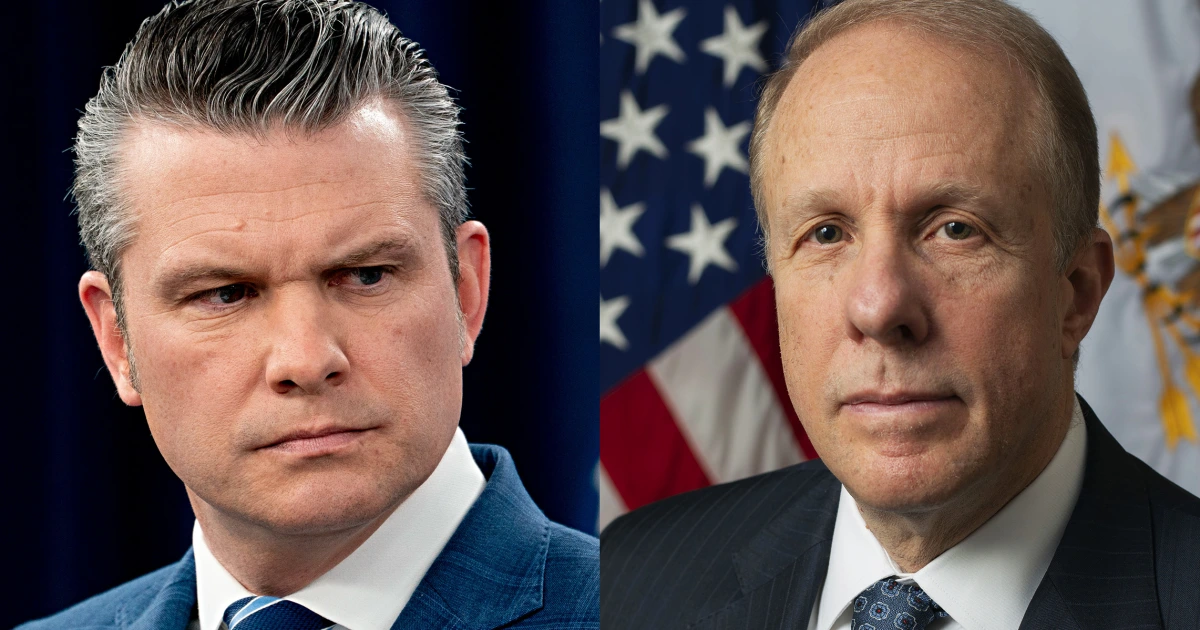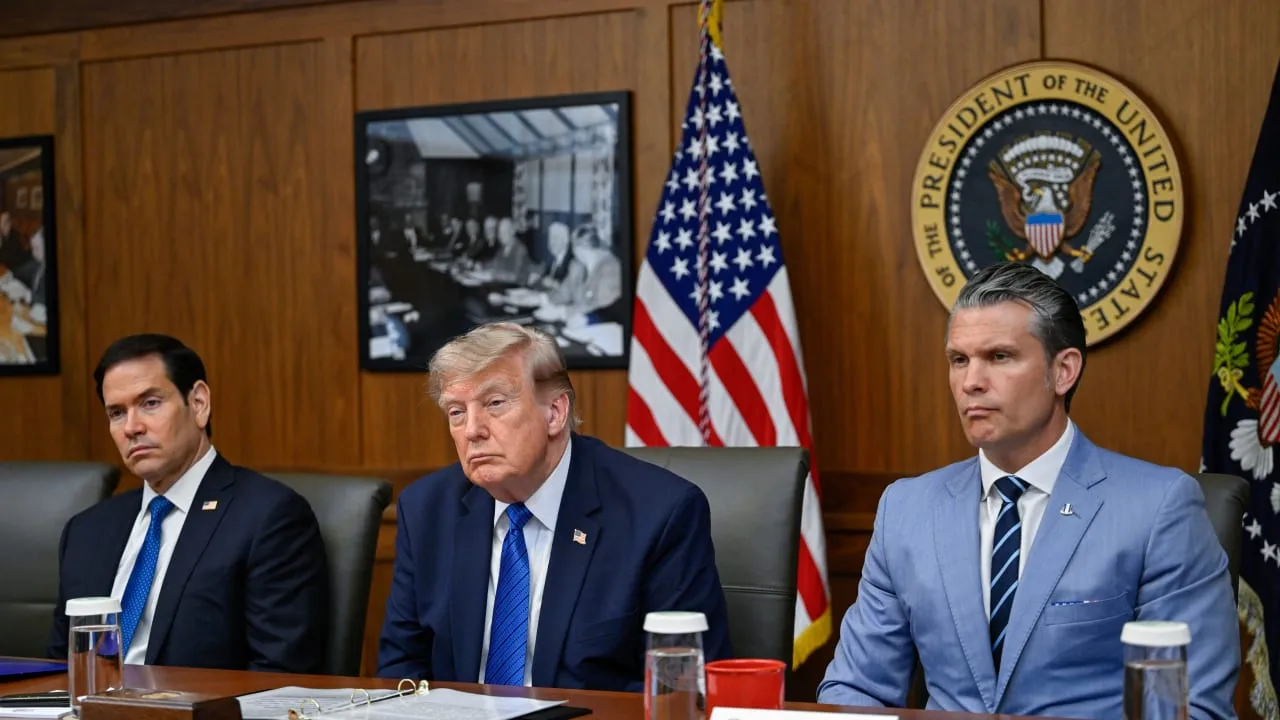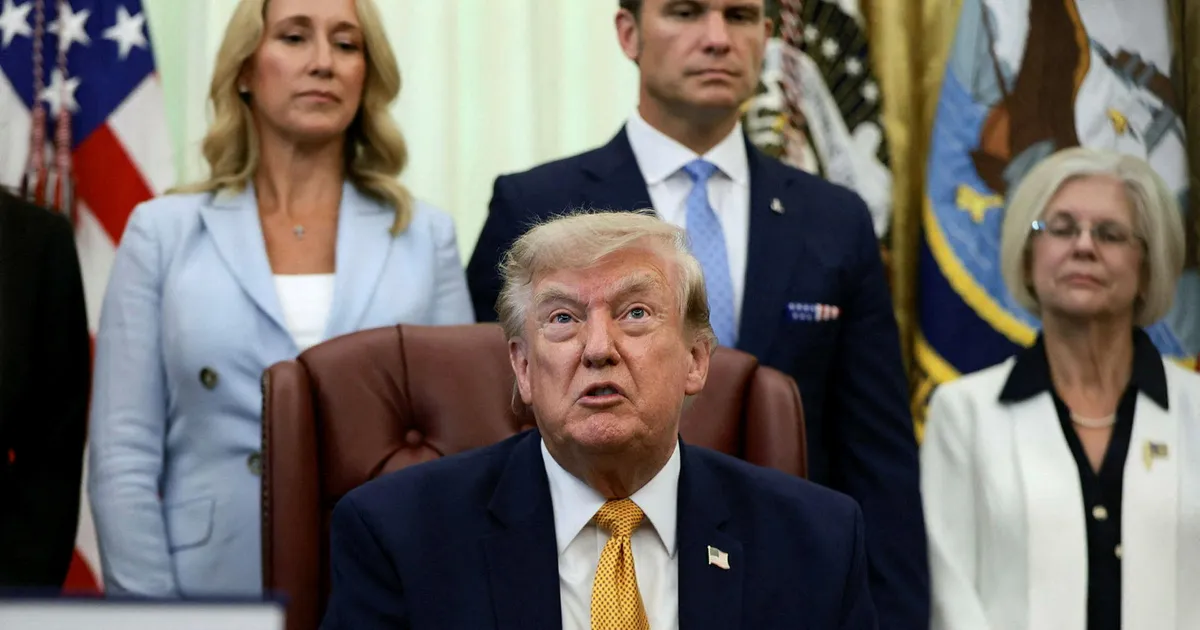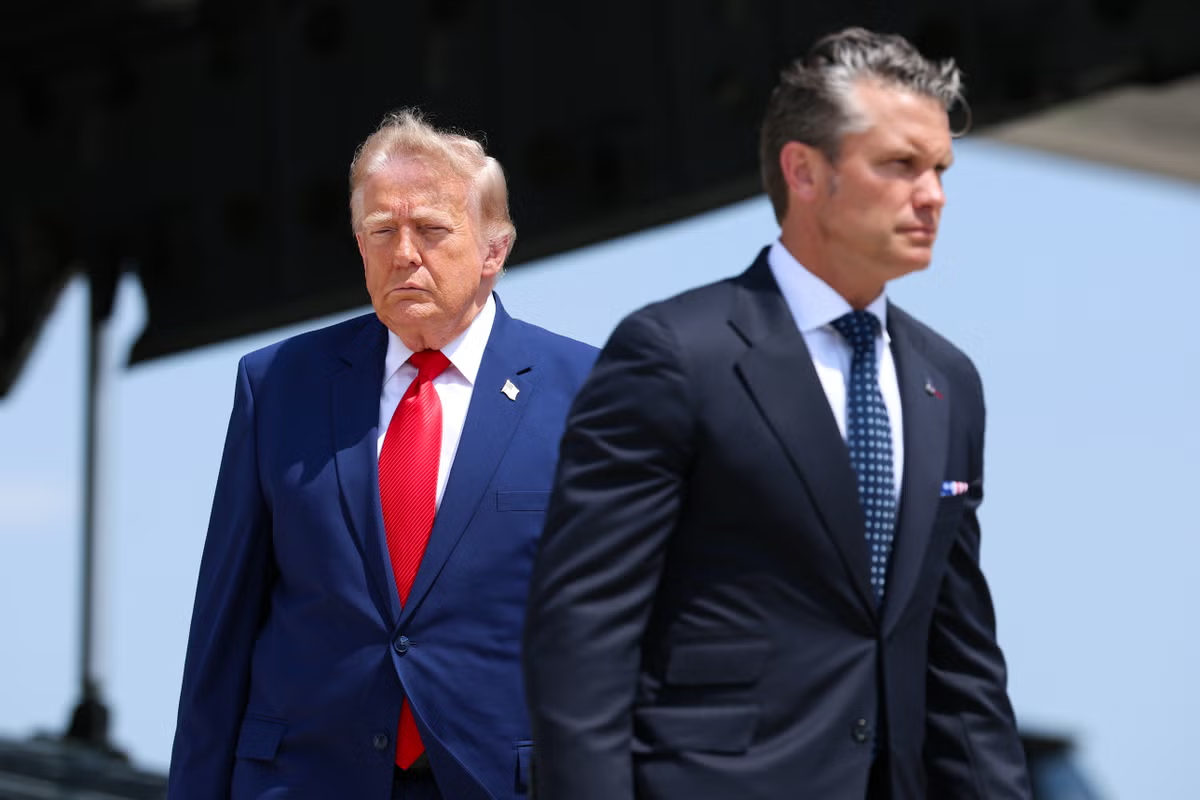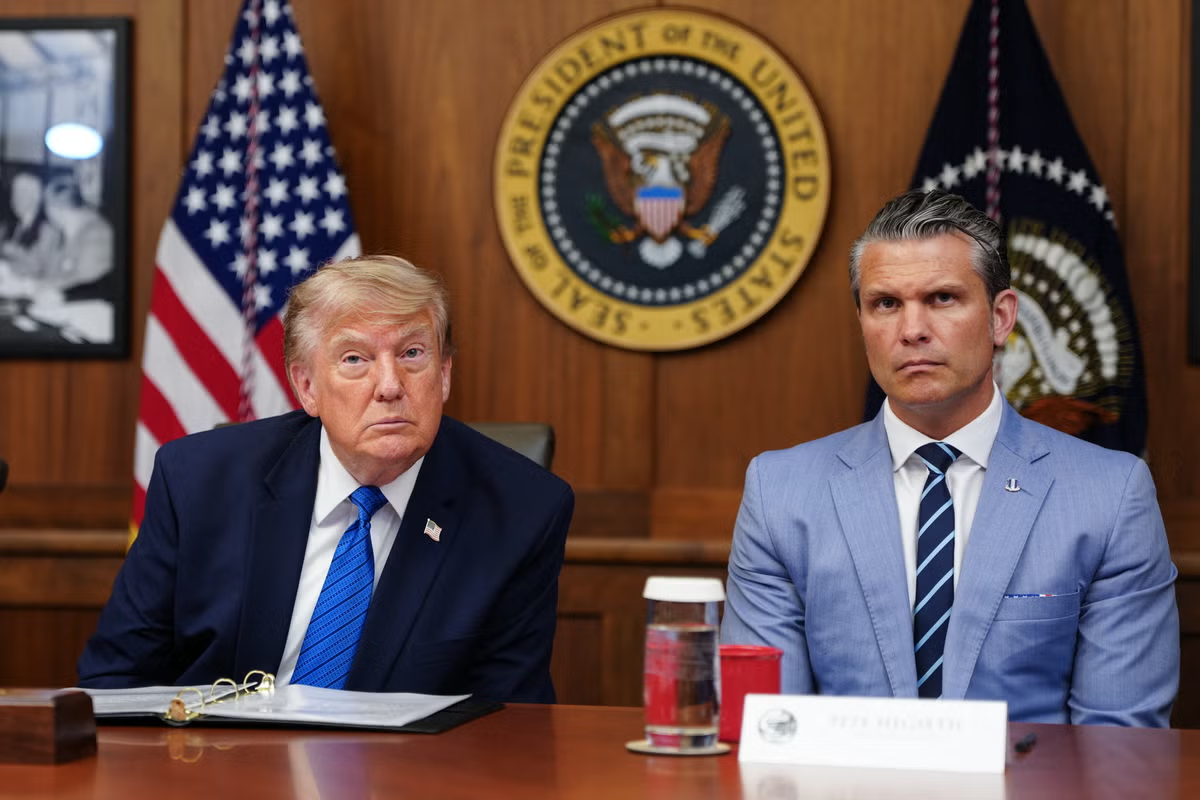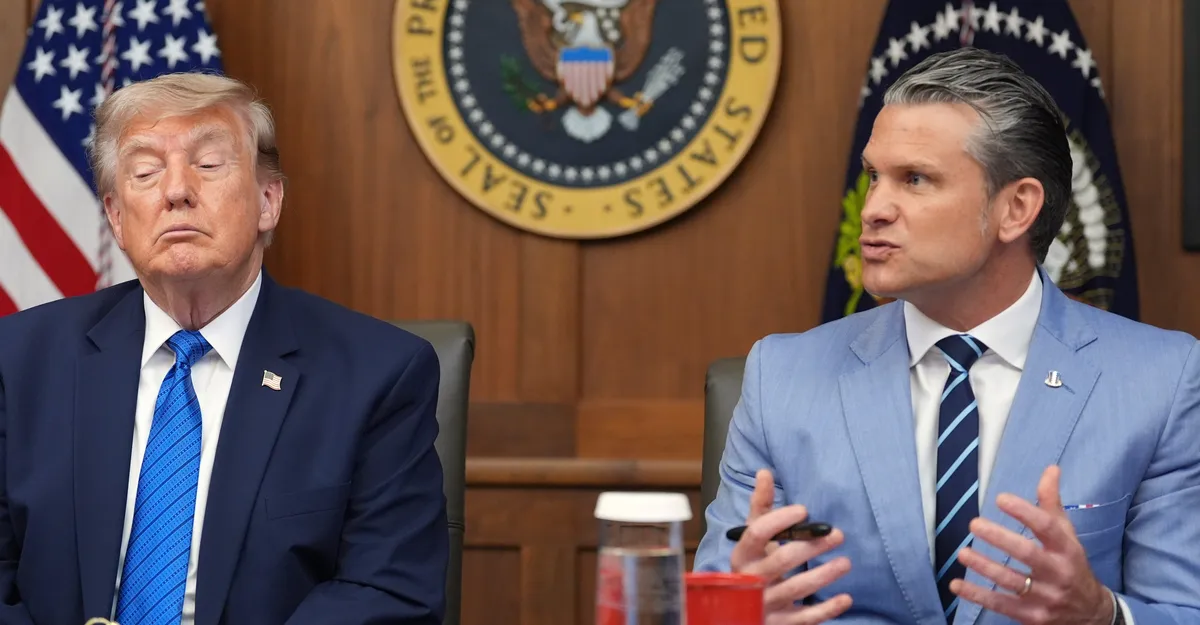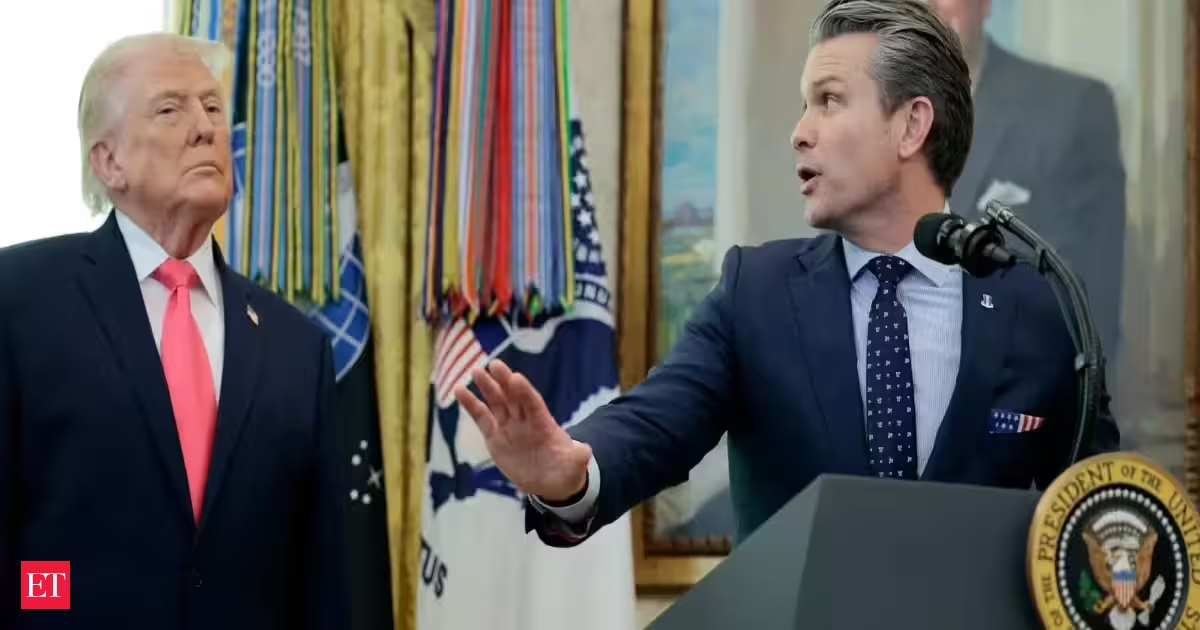
Washington: The White House and the Pentagon have strongly refuted reports claiming US President Donald Trump challenged Secretary of War Pete Hegseth over critical shortfalls in the nation's munitions reserves during a recent meeting at Camp David.White House Press Secretary Karoline Leavitt dismissed the allegations as "100 per cent fake news," affirming that the President retains "the utmost confidence" in Hegseth.Echoing this stance, Pentagon spokesperson Sean Parnell brushed aside the claims, categorising allegations that Hegseth had intentionally misled the President or scapegoated his deputy as entirely "fictional."Ultimately, neither agency has acknowledged any underlying worries about weapon stockpiles, maintaining a united front.The rebuttals follow a report by The Washington Post citing two sources familiar with the matter, which alleged that Trump interrogated Hegseth regarding a diminishing inventory of crucial weaponry, including air defence interceptors and long-range guided missiles.According to the report, Trump expressed frustration over "extreme munitions shortages" he believed were already resolved, while Hegseth reportedly deflected blame to Deputy Secretary of War Steve Feinberg.The reported armament deficits have allegedly influenced broader foreign policy, contributing to Trump's decision to avoid authorising further major military strikes against Iran as the administration instead pursues efforts to restart diplomatic talks with Tehran.These operational strains follow heavy deployments of cruise missiles and tactical ballistic missiles in West Asia, forcing US officials to strictly calculate interceptor usage, a constraint that also impacts potential military aid to allies like Ukraine.While stockpile concerns predated the active conflict, Hegseth previously attributed existing deficits to past Biden administration policies during a July Senate hearing.To rebuild reserves, Hegseth, Feinberg, and Joint Chiefs Chairman General Dan Caine are currently requesting USD 67 billion in urgent funding as part of a proposed USD 1.5 trillion defence budget undergoing congressional approval.
"Fake news!": White House rubbishes report of Doanld Trump-Pete Hegseth clash over US munitions shortages
The rebuttals follow a report by The Washington Post citing two sources familiar with the matter, which alleged that Trump interrogated Hegseth regarding a diminishing inventory of crucial weaponry, including air defence interceptors and long-range guided missiles.
287 words~1 min read