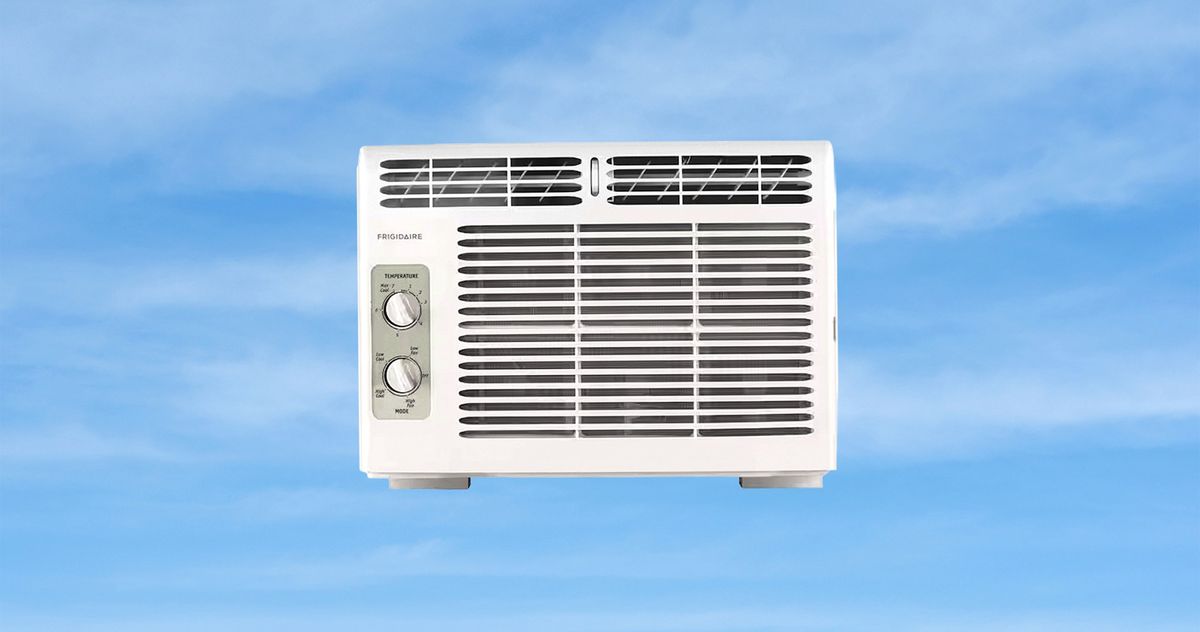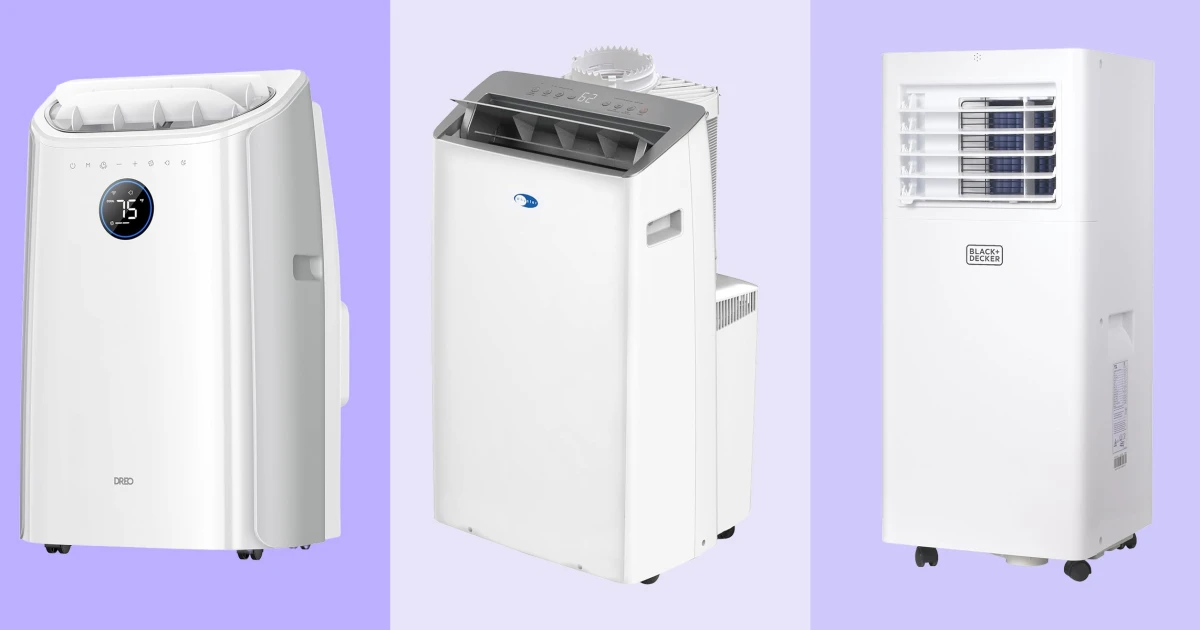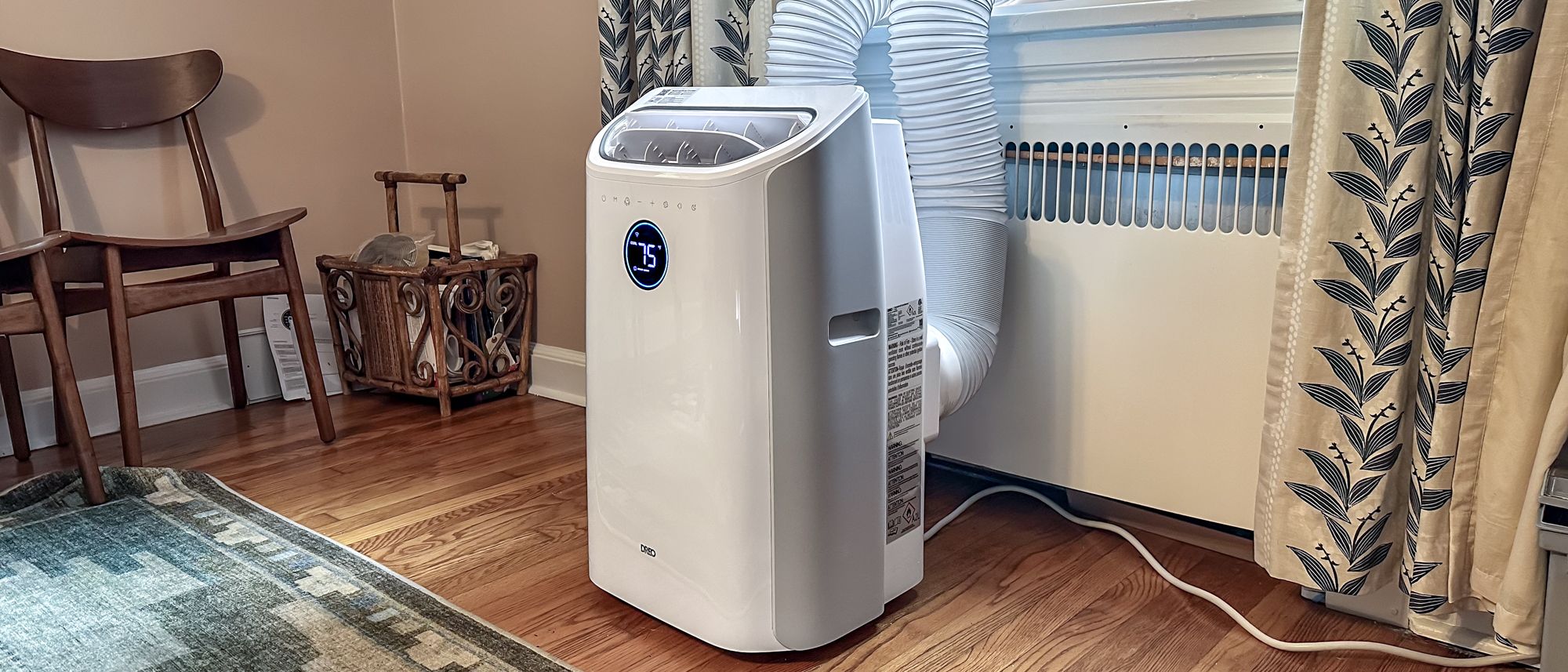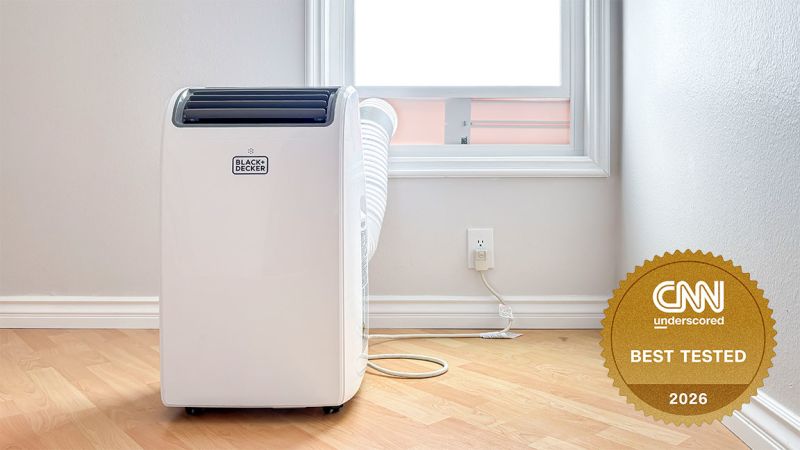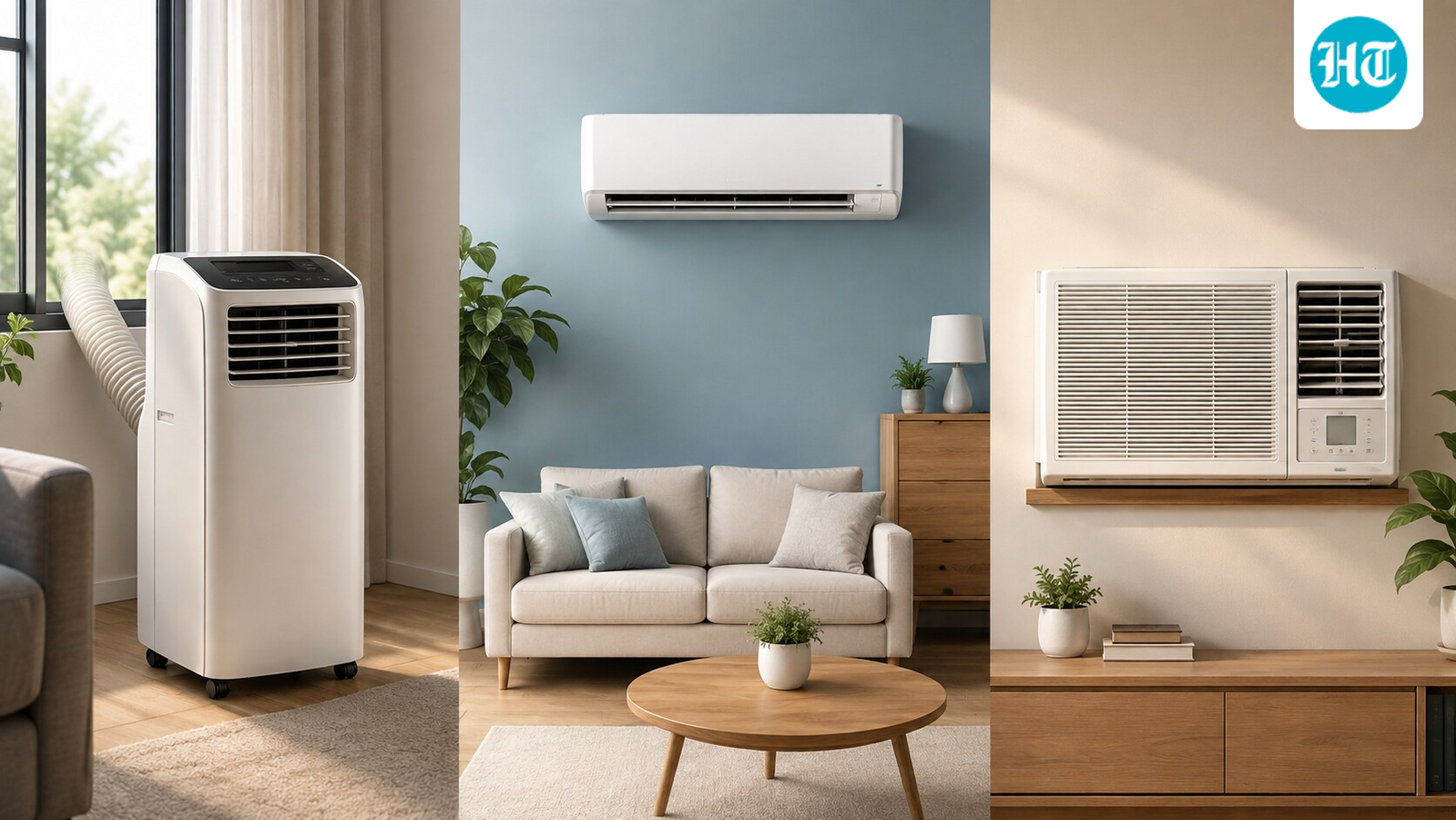
When I started comparing portable ACs with window and split ACs, I assumed the portable model would be the smartest buy for a rented home. It doesn't need permanent installation, can be moved from one room to another and looks like a practical solution. But after digging into cooling technology, energy consumption and expert recommendations, I realised that convenience doesn't always translate into better value.
Portable ACs cool differently from window and split ACs because the compressor sits inside the room, making them noisier and generally less efficient in larger spaces. That means buyers can end up paying more in electricity while getting slower cooling. If you're planning to buy an AC this summer, here's what I learned after comparing all three types and why choosing the wrong one could become an expensive mistake, especially if you're trying to save money.
I thought portability was the biggest advantage until I understood how these ACs actually work
Like many people, I believed a portable AC was simply a window AC on wheels. It looked like the perfect option for renters. No drilling, no outdoor unit and no expensive installation.
But after researching how air conditioners remove heat, I realised these three ACs work very differently.