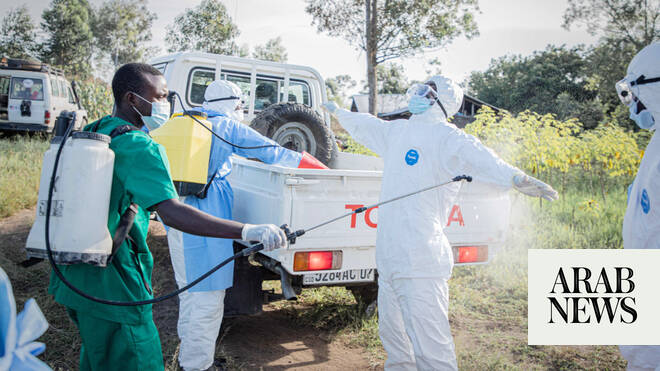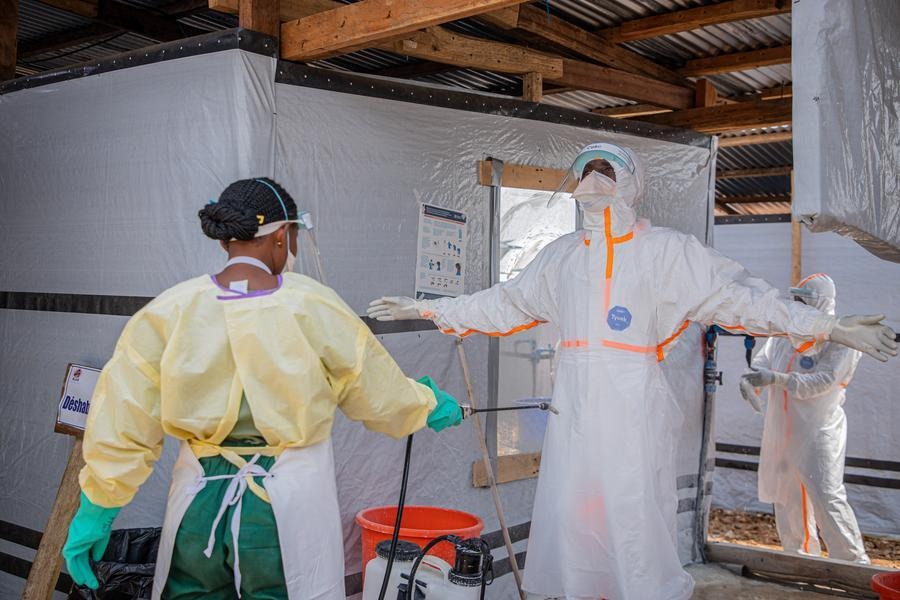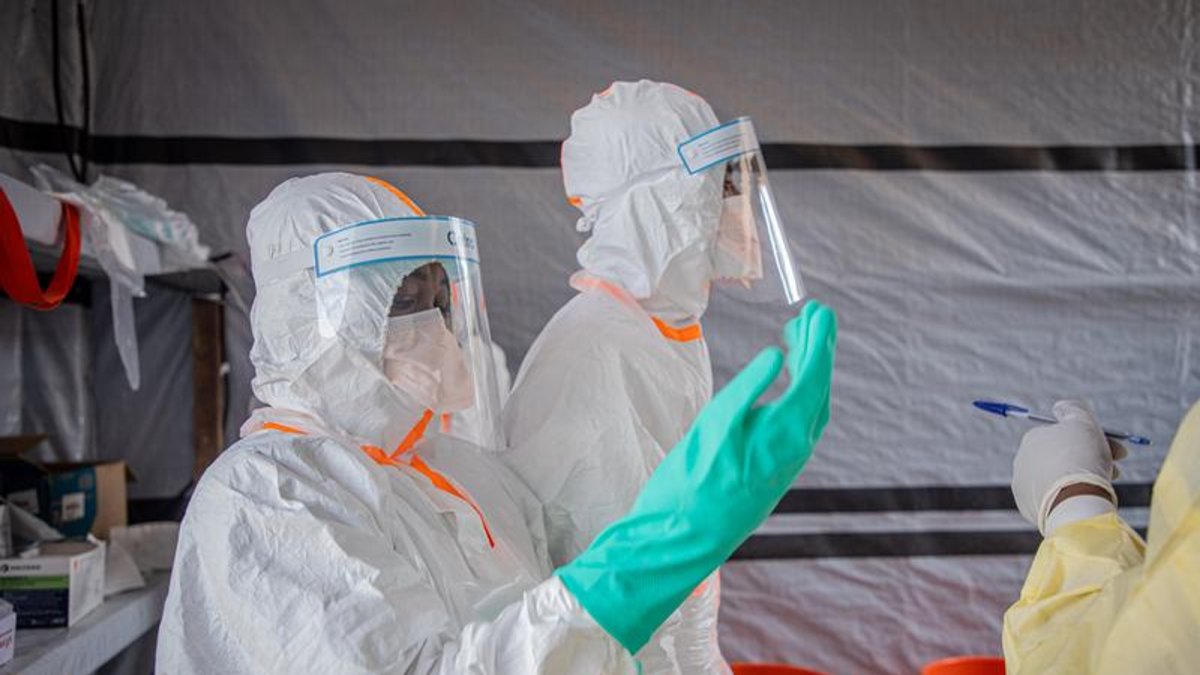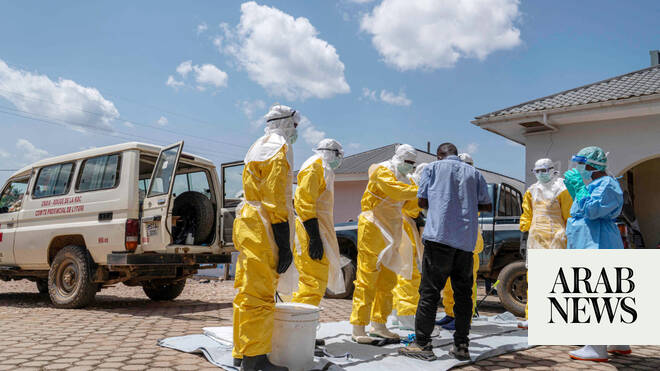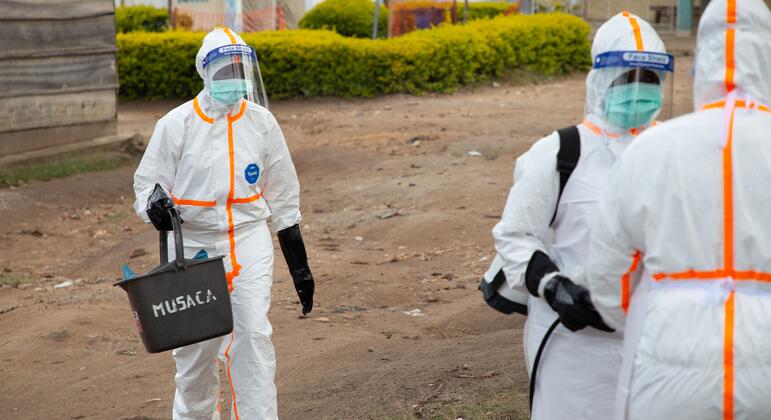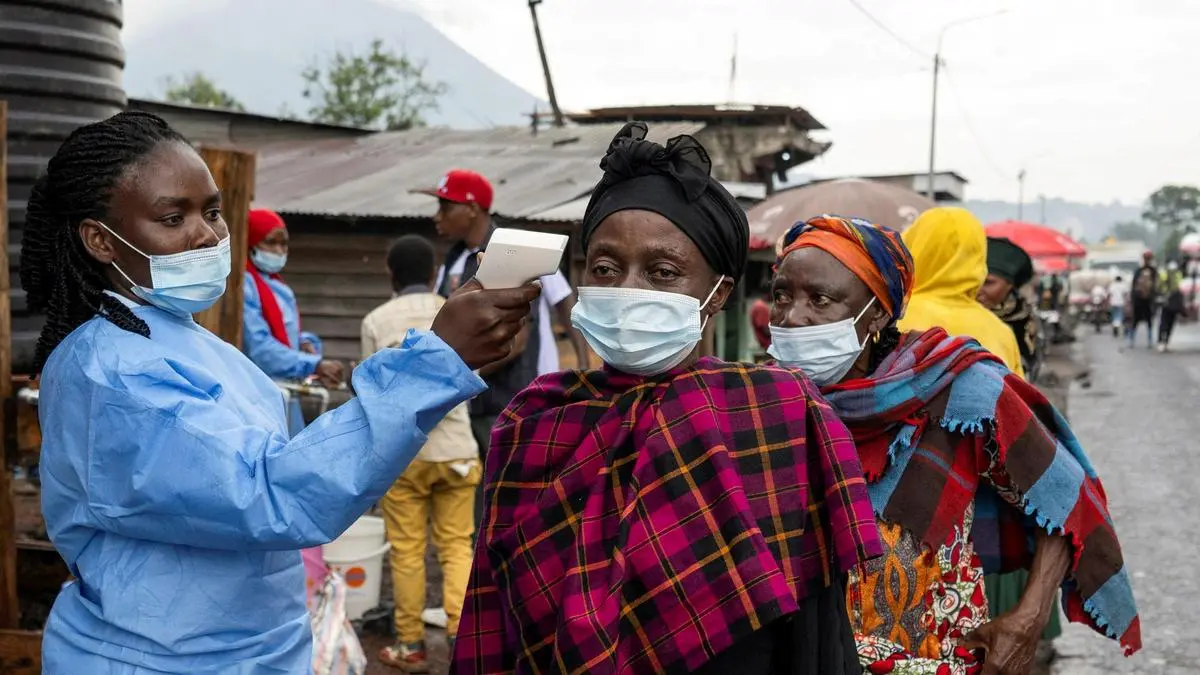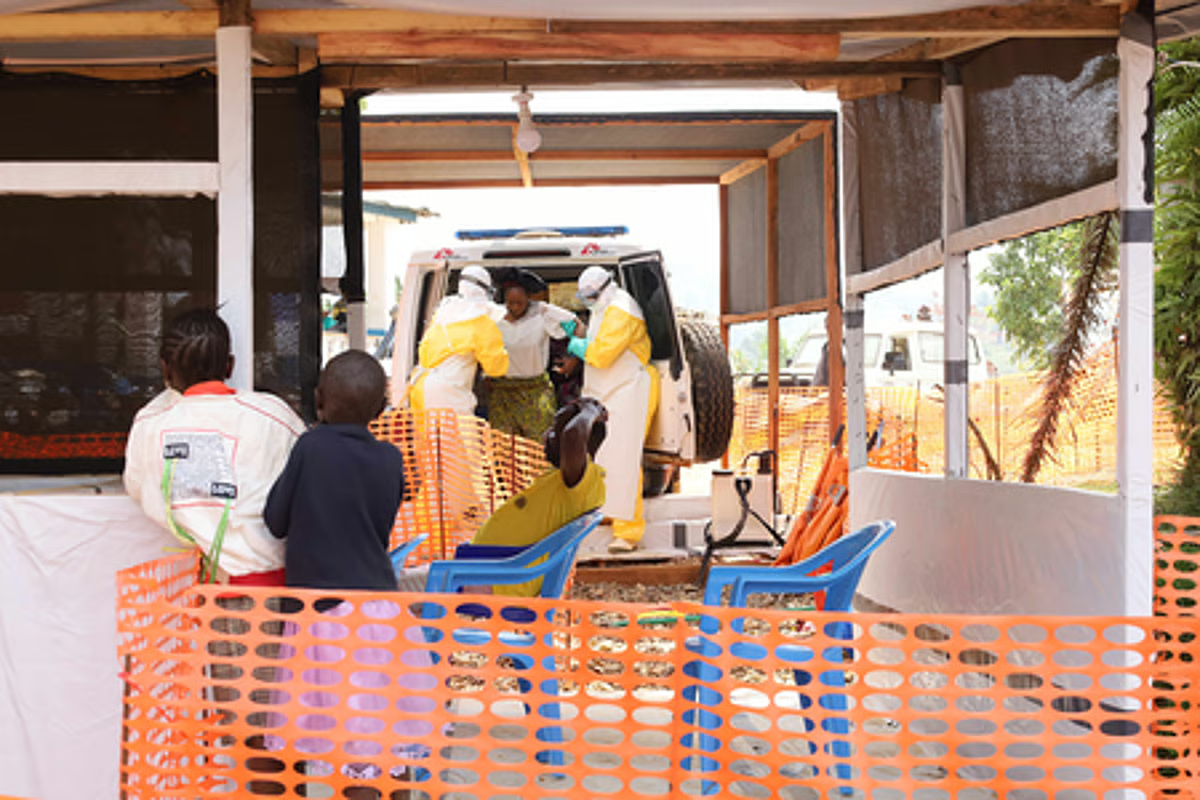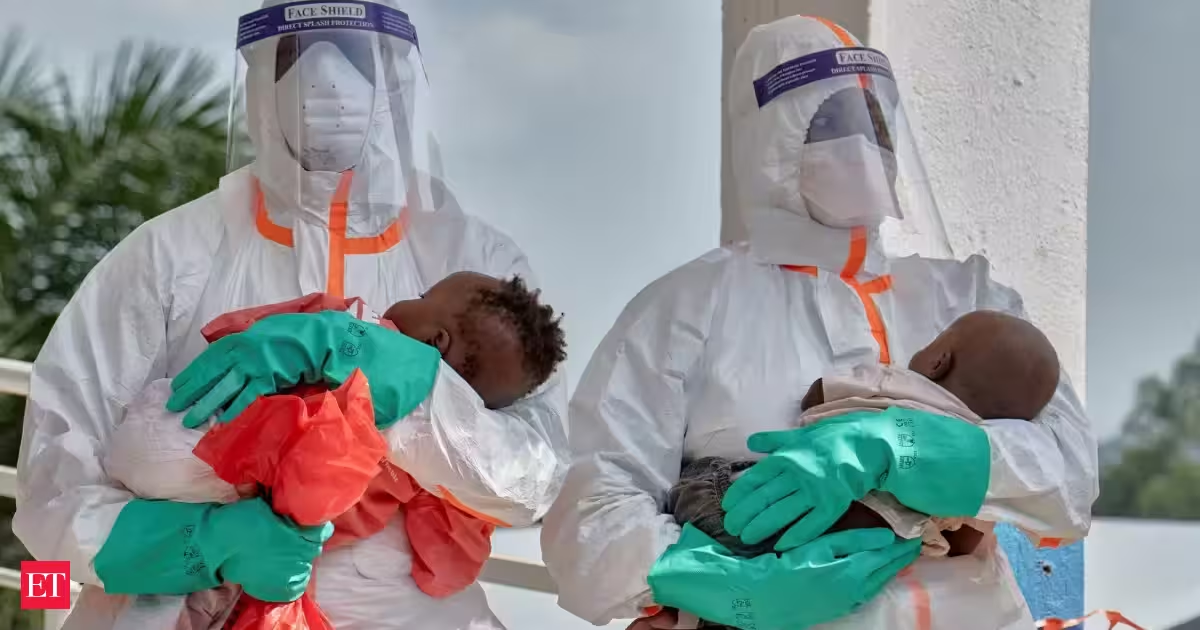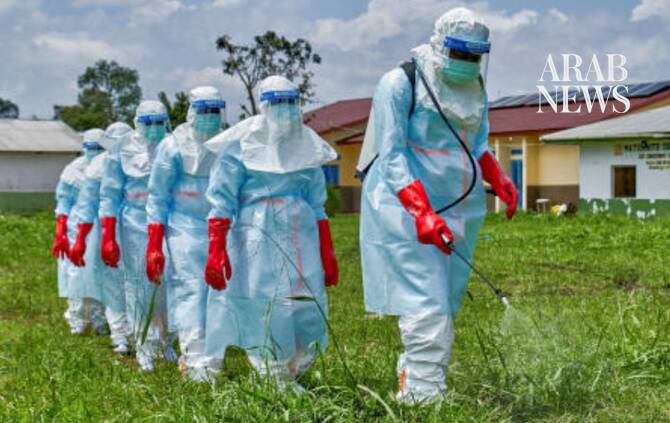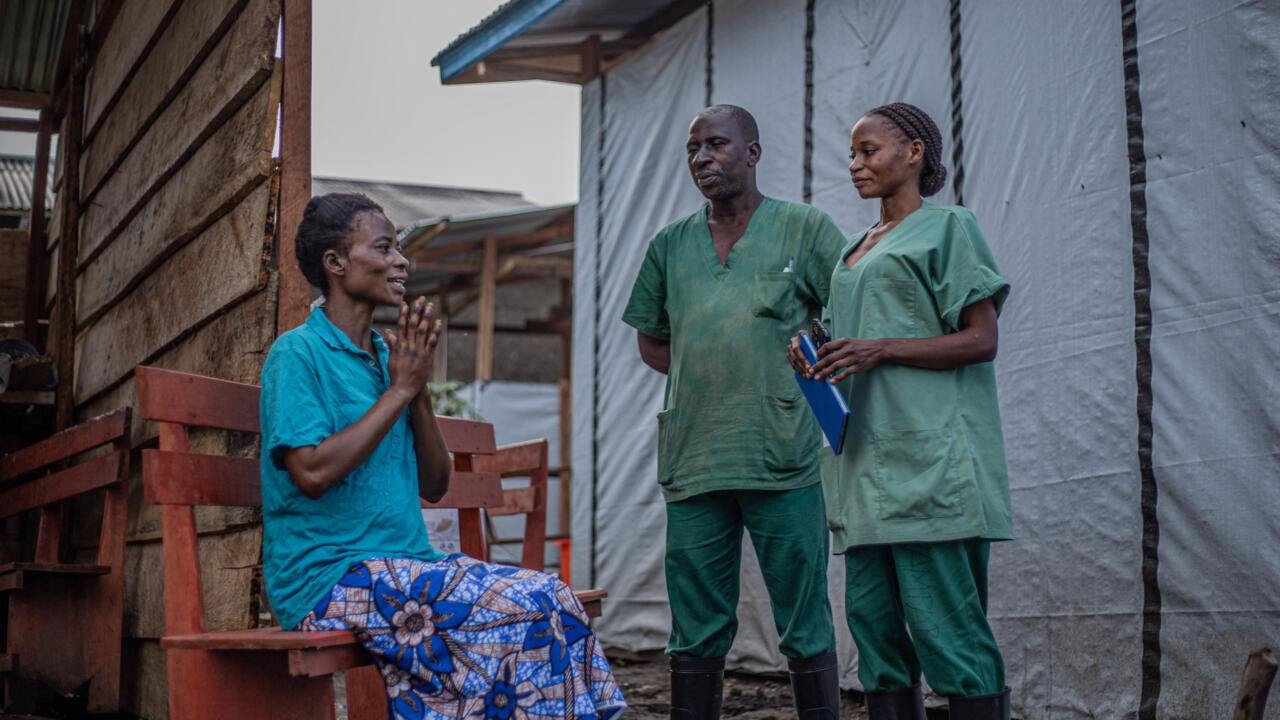
The Ebola outbreak in the Democratic Republic of Congo is spreading faster than efforts to fight it, the head of the World Health Organization has warned, with nearly 4,000 confirmed cases so far. With five provinces known to be affected, authorities in Kinshasa are concerned about the deadly virus reaching the capital.
Issued on: 06/08/2026 - 13:25Modified: 06/08/2026 - 13:26
3 min Reading time
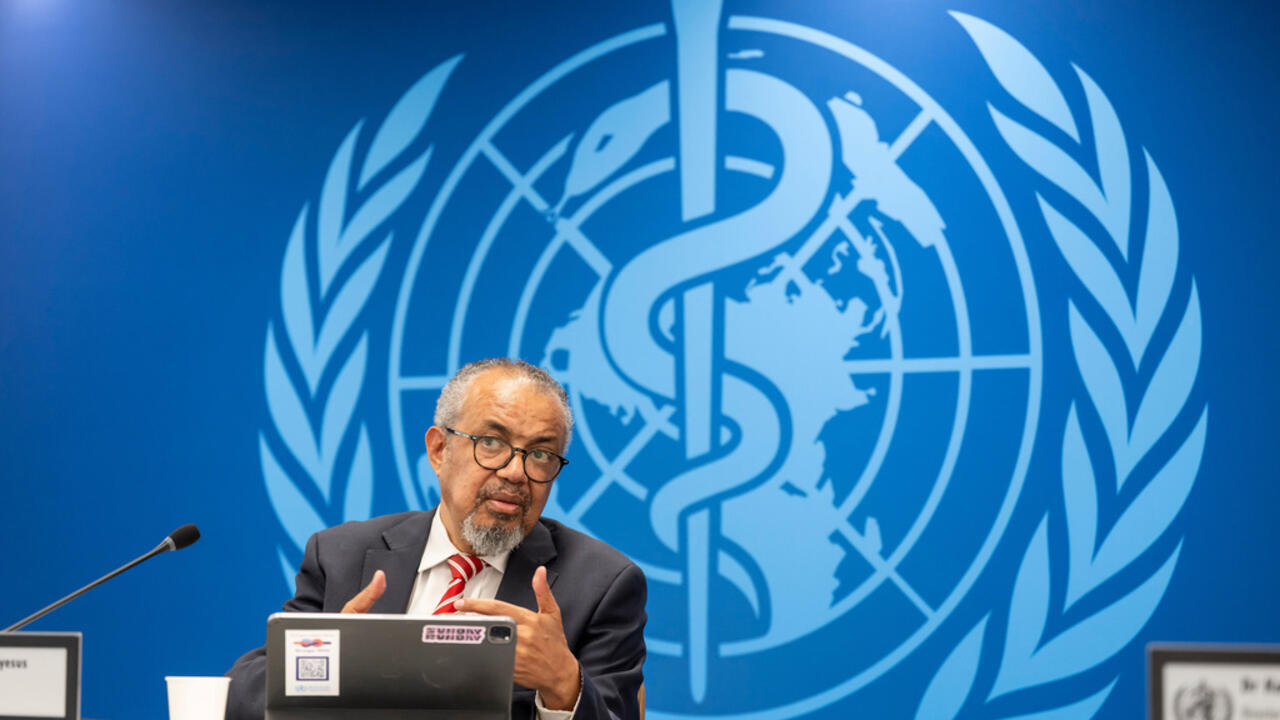
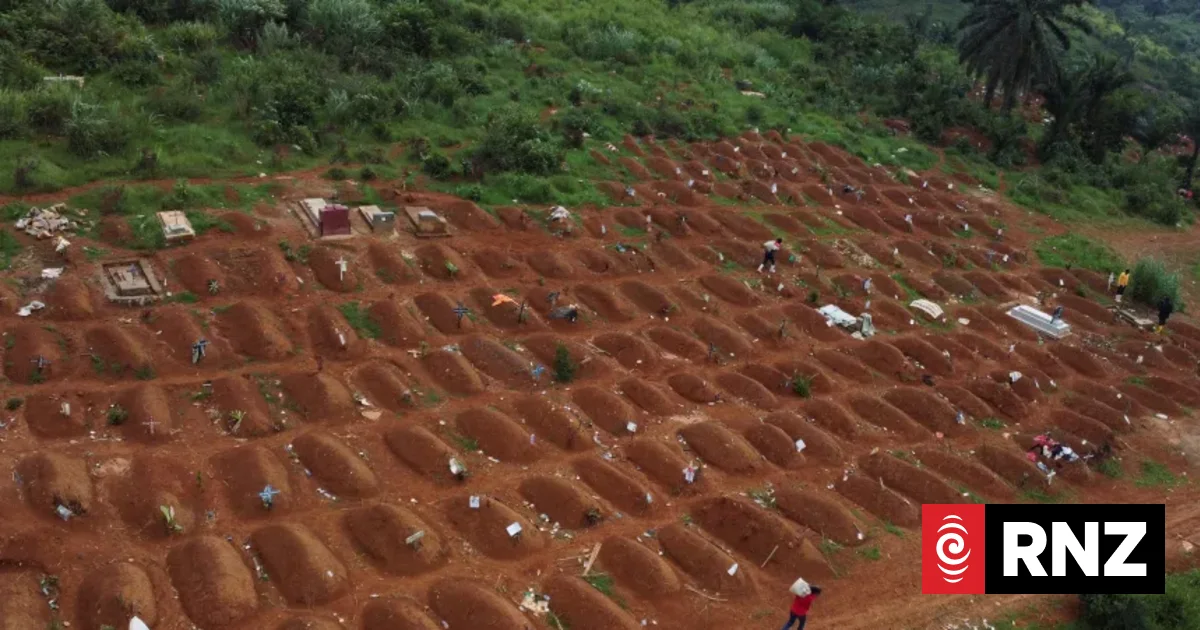
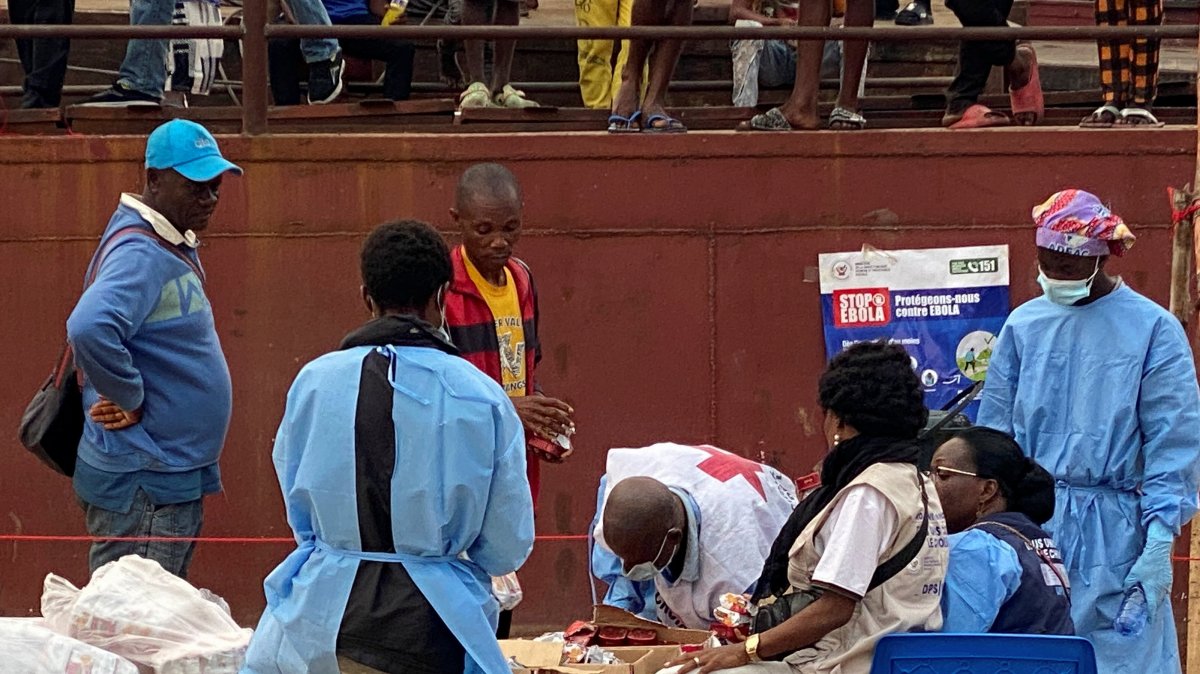
The outbreak is concentrated in eastern DRC, the opposite side of the country from Kinshasa and its population of more than 17 million. Fears of potential spread led authorities to intercept a passenger boat travelling towards the capital on the Congo River this week after an alert about a suspected case on board, according to RFI's correspondent. The boat, named Yingfeng 2, arrived at the port of Maluku on the outskirts of Kinshasa around midday on Wednesday with an estimated 200 passengers. It was met by a major containment operation, with medical teams from the World Health Organization (WHO) and the Ministry of Health. The boat had sailed from northeastern Tshopo province, where a handful of Ebola cases have been confirmed so far. One passenger fell ill after disembarking in neighbouring Mongala province and was transferred to hospital, where he later died. Doctors have not confirmed whether or not he had Ebola, but authorities placed the boat under surveillance as a precaution, DRC health minister Roger Kamba told RFI. All passengers and crew were due to be tested for potential infection. Outbreak outstrips response The Ebola outbreak is now the largest in the DRC's history and the second biggest in the world. Declared in mid-May, it is spreading substantially faster than previous outbreaks. The number of confirmed cases stands at 3,973, including 1,801 deaths, according to the latest government data. "The outbreak is spreading faster than our scale-up of the response, with new cases doubling in some hotspots over the past week alone," WHO director-general Tedros Adhanom Ghebreyesus said on Wednesday during a visit to Kinshasa. "We must urgently and massively scale up all our efforts," he added. "That means reaching every affected community despite insecurity and displacement, strengthening coordination under the government's leadership, ensuring health workers have the protection, training and support they need, and accelerating access to care, surveillance and safe, dignified burials." ‘We’re sitting on a volcano’ warns EU Commissioner after visit to Ebola-hit DRC