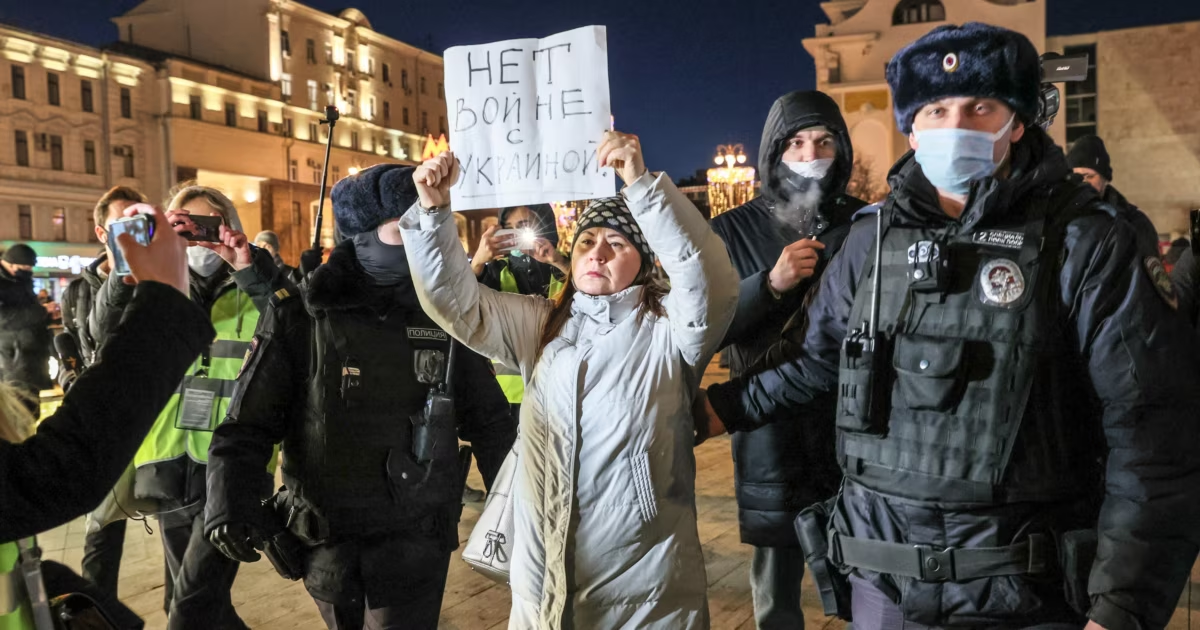
At the time he fled Russia in September 2022, Aleksandr Menyukov was a witness in a criminal investigation targeting a close friend: a poet whose street readings of anti-war verses were considered a crime.Hundreds of thousands of Russians had fled after President Vladimir Putin that month ordered a military mobilization to shore up the sputtering invasion of Ukraine. But for Menyukov, who provided legal advice to Russians opposed to the war, the final straw was when he was badly beaten during a police search of his Moscow apartment.In Kazakhstan, he scrambled to renew his passport before it expired, a predicament made worse by the surge of other Russians rushing their own paperwork. He ended up in Poland a few months later with a humanitarian visa.Now life for Menyukov -- and potentially thousands, if not tens of thousands, of Russians living outside the country -- could become much more difficult.
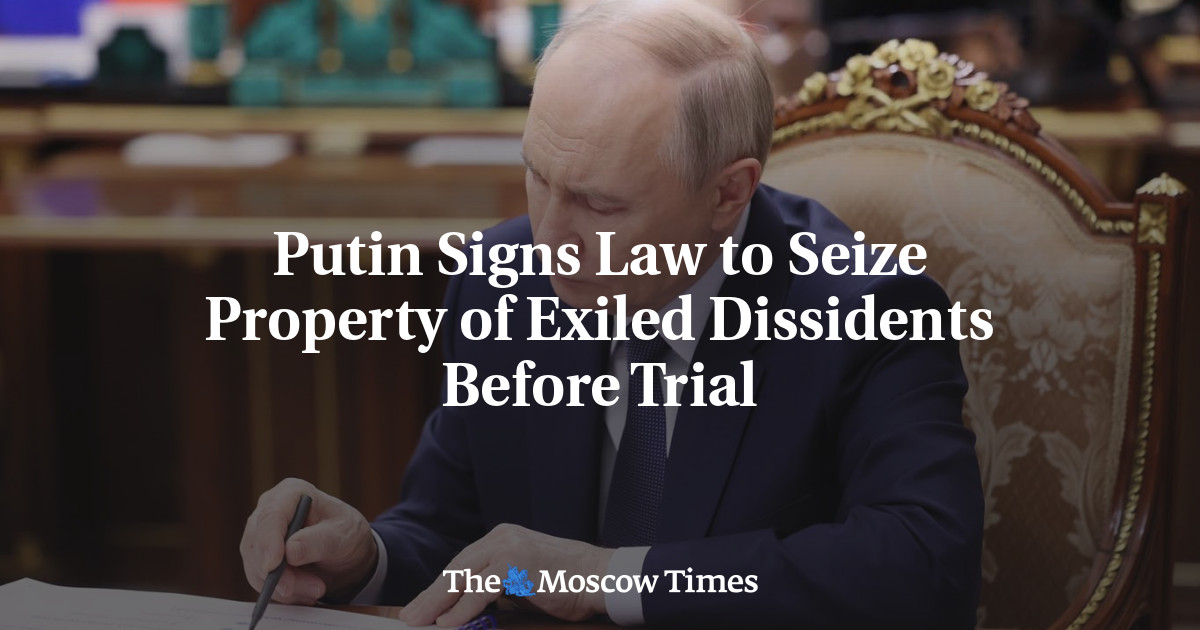
Under a law signed by Putin on August 4, doing something as mundane as renewing a passport or notarizing a document like a marriage certificate will be prohibited for expatriate Russians who have been convicted of an administrative misdemeanor or criminal felony by Russian authorities.That could include activists who have worked for foreign-funded organizations, average Russians who speak to so-called undesirable organizations, or people who merely question the astronomical losses suffered by the Russian military in Ukraine.