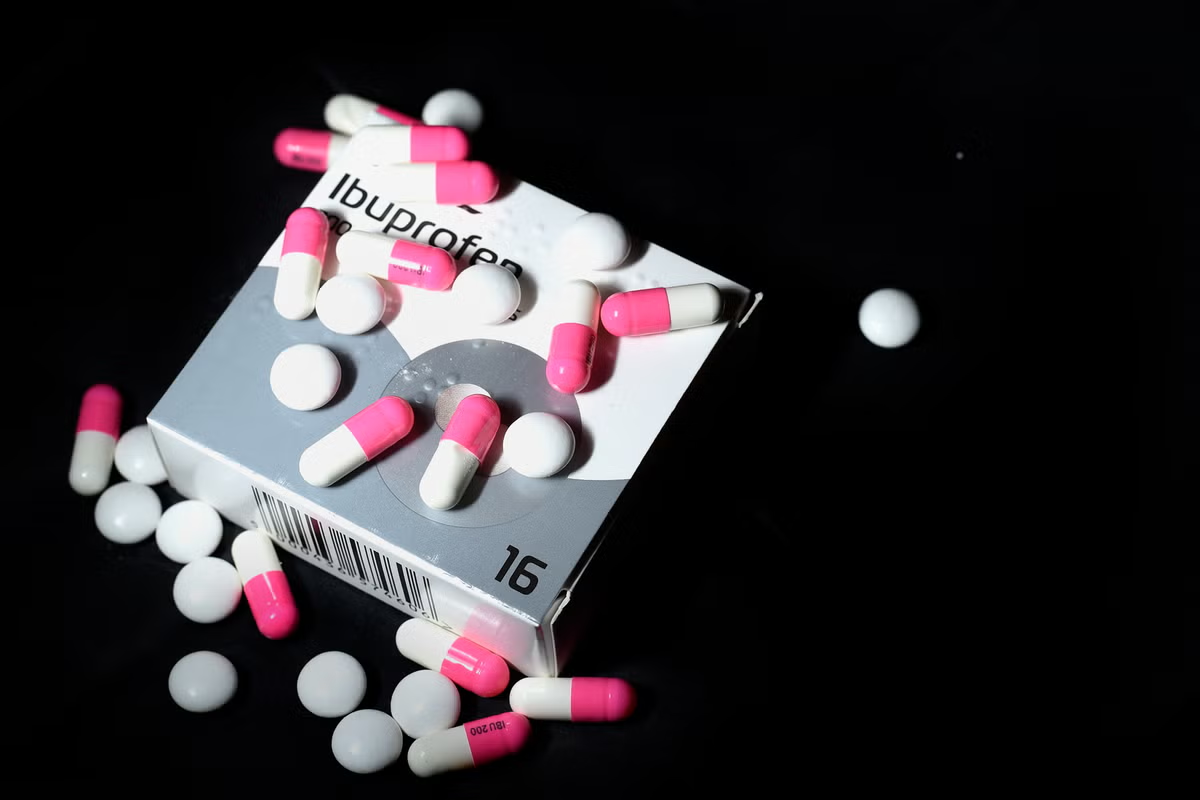
There is essential advice you must follow11:19, 06 Aug 2026Updated 11:27, 06 Aug 2026Anyone in the UK taking commonly prescribed medications has been urged to follow Government advice this week. Official guidance has urged people to be aware of a "greater risk" of heat stroke and other heat-related illnesses.The Medicines and Healthcare products Regulatory Agency (MHRA) has published a list of medications people need to be aware of taking during the hot weather. Painkillers such as ibuprofen or naproxen can affect the skin and increase the risk of damage to internal organs.Ibuprofen is a common non-steroidal anti-inflammatory drug used to relieve mild to moderate pain, reduce inflammation and swelling, and lower high fevers. Meanwhile, naproxen works longer than ibuprofen to treat moderate to severe pain, swelling, and joint stiffness from conditions like arthritis, gout, sprains, and menstrual cramps.This summer, the MHRA issued guidance on protecting your medicines during the hot weather. The UK has seen record-high temperatures this year, with temperatures set to rise again this week.It makes proper care and storage of your medication essential. Alison Cave, chief safety officer at the MHRA, said: “Let’s face it – when there’s a heatwave, most of us are focused on getting outside and enjoying it while it lasts."But it’s easy to forget that medicines left in the heat – in cars, bags, or on sunny windowsills – might not work properly when you need them. Some medicines can also make you more likely to burn in the sun, feel dizzy, or get dehydrated, especially if you’re taking diuretics or have a condition like asthma, heart disease, or diabetes."How hot weather affects ibuprofen and naproxenAccording to the MHRA, some common medicines can make your skin much more likely to burn, even in mild sunshine. Medications include antibiotics, diuretics, antidepressants, and skin treatments for acne or eczema.West Yorkshire Health and Care Partnership also issued guidance on medicines that can increase the risk of damage to internal organs if you're dehydrated.It said: "If you become dehydrated and are taking certain medicines, this can decrease blood flow to your internal organs which can potentially cause damage."Medicines that can increase the risk of this happening include:Anti-inflammatory medications such as ibuprofen or naproxen.Blood thinners, which are used to prevent blood clots.Medications for high blood pressure.Various medications used to treat diabetes, including metformin.Lithium for bipolar disorder.The MHRA added: "Painkillers such as ibuprofen or naproxen are also known to sometimes cause mild sun sensitivity, but this is less common and usually only a concern with frequent or long-term use."Signs and symptoms of dehydrationDehydration occurs when your body loses more fluids than it takes in. Babies, children and older adults are more at risk of dehydration. Symptoms in adults and children include feeling thirsty, a headache, dark yellow and strong-smelling urine, urinating less often than usual, feeling dizzy or lightheaded, a dry mouth, lips and tongue and sunken eyes.Signs of dehydration in a baby may include a sunken soft spot on top of their head, sunken eyes, few or no tears when crying, fewer wet nappies than usual and being drowsy or irritable.A pharmacist can help with dehydration. Call 999 or go to A&E if you have blue, grey, pale or blotchy skin, lips or tongue – on brown or black skin, this may be easier to see on the palms of the hands or soles of the feet.Other vital signs include cold skin, difficulty breathing, taking lots of quick breaths, confusion, and being sleepier than normal or difficult to wake.How to keep medicines safeThe MHRA says that most medicines need to be stored at temperatures below 25°C. Cars, trains, buses and rooms in direct sunlight can heat up quickly.Article continues belowHeat is dangerous to medication as it can break down active ingredients, meaning they may not work properly. The MHRA added: "If your medicine has changed colour, developed an unusual smell, changed texture, or looks different in any way, this could signal heat damage. Ask your pharmacist for advice."Keep safe in the heat by doing the following:Store medicines somewhere cool, dry and out of direct sunlight – especially if you’re out and aboutKnow the signs of heat-related illness – stay hydrated and listen to your bodyTake extra care in the sun if your medicine makes your skin more likely to burn
Ibuprofen and naproxen users issued UK Government caution this week
There is essential advice you must follow
712 words~3 min read