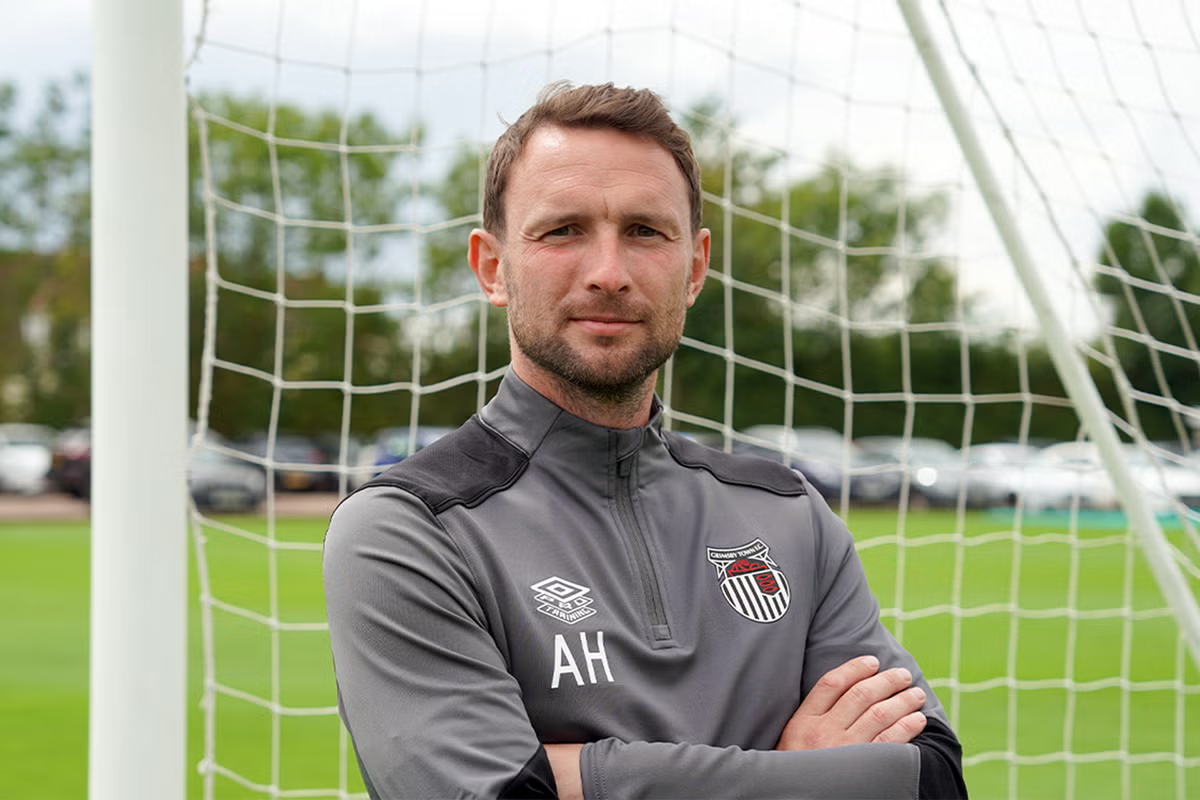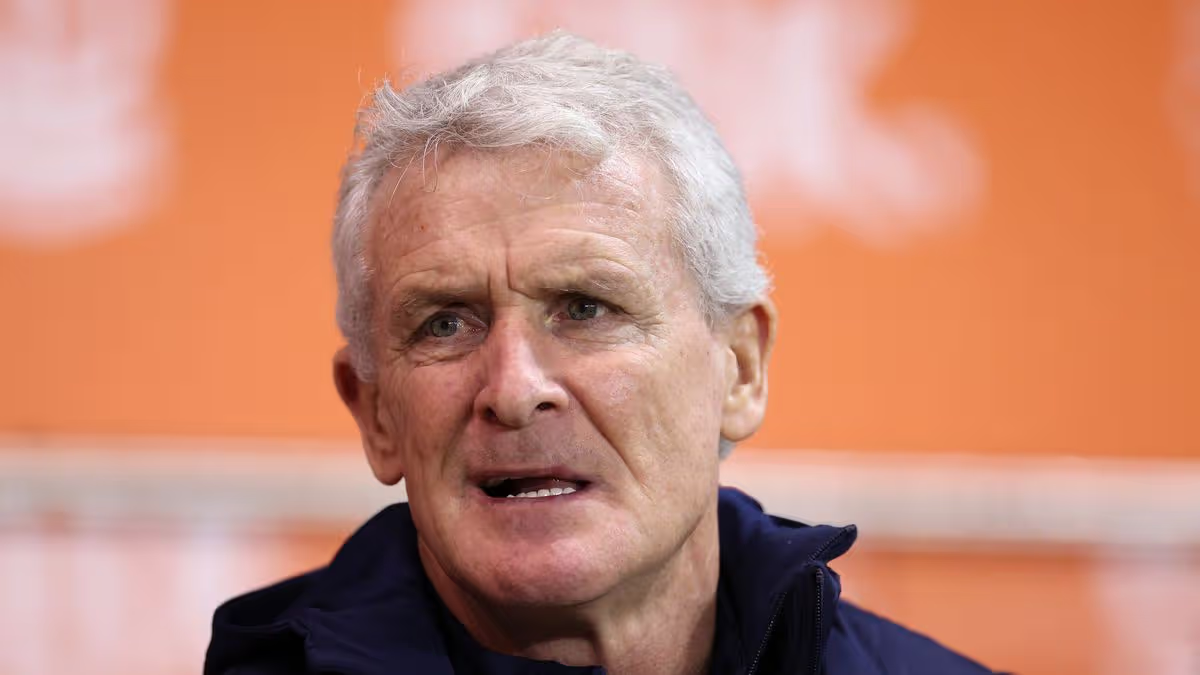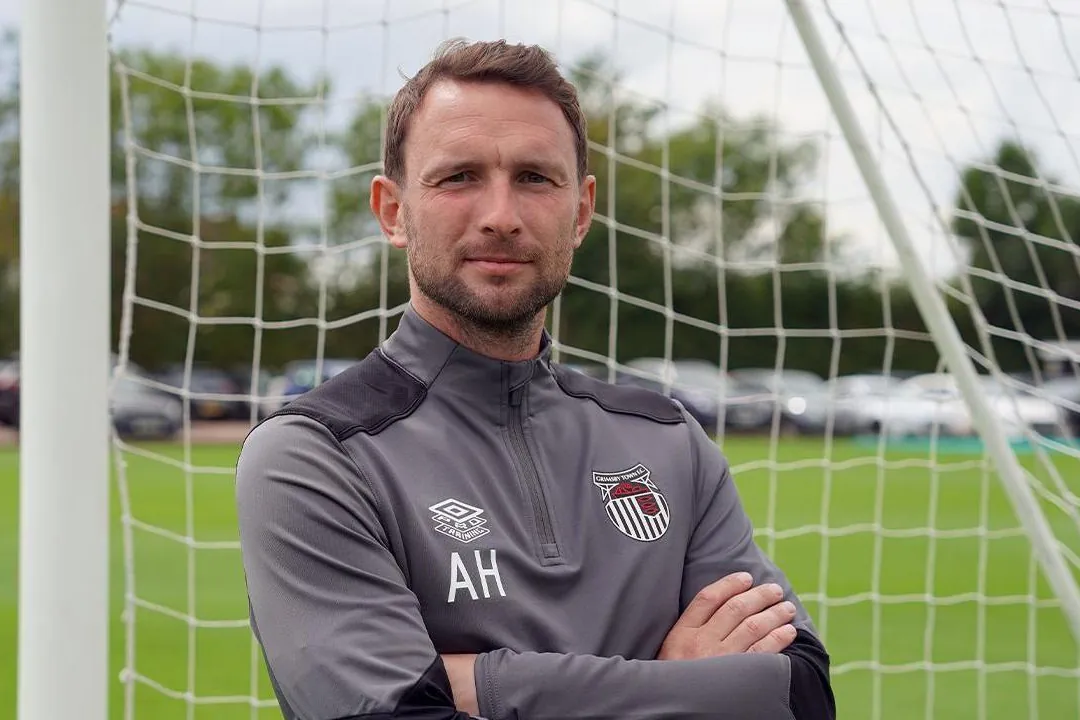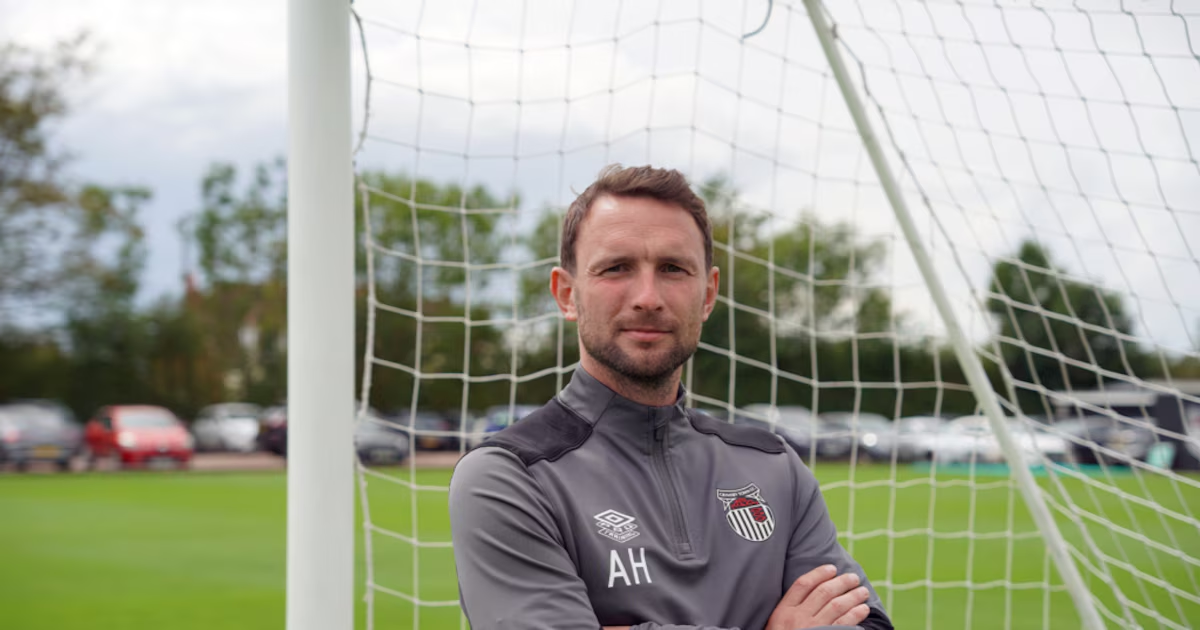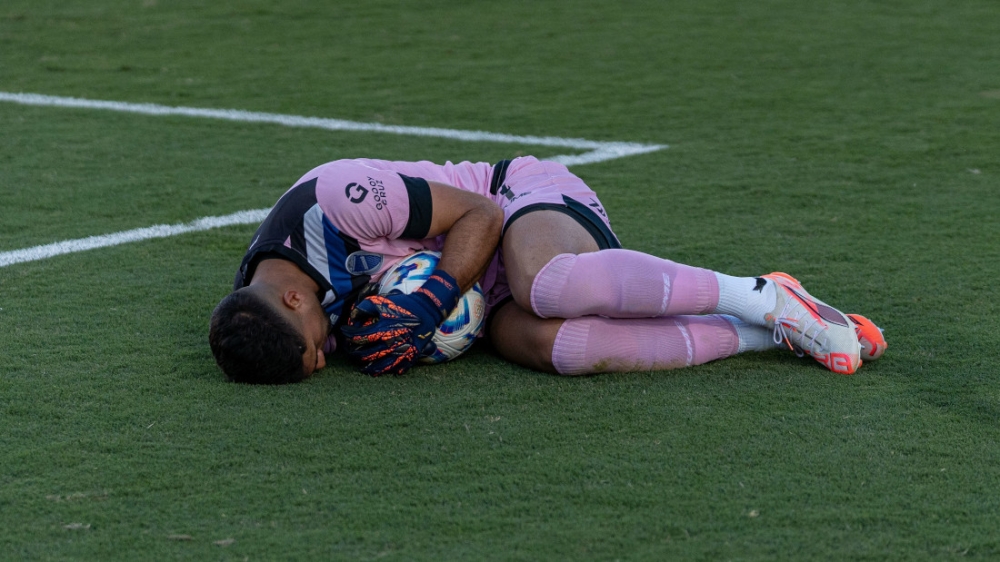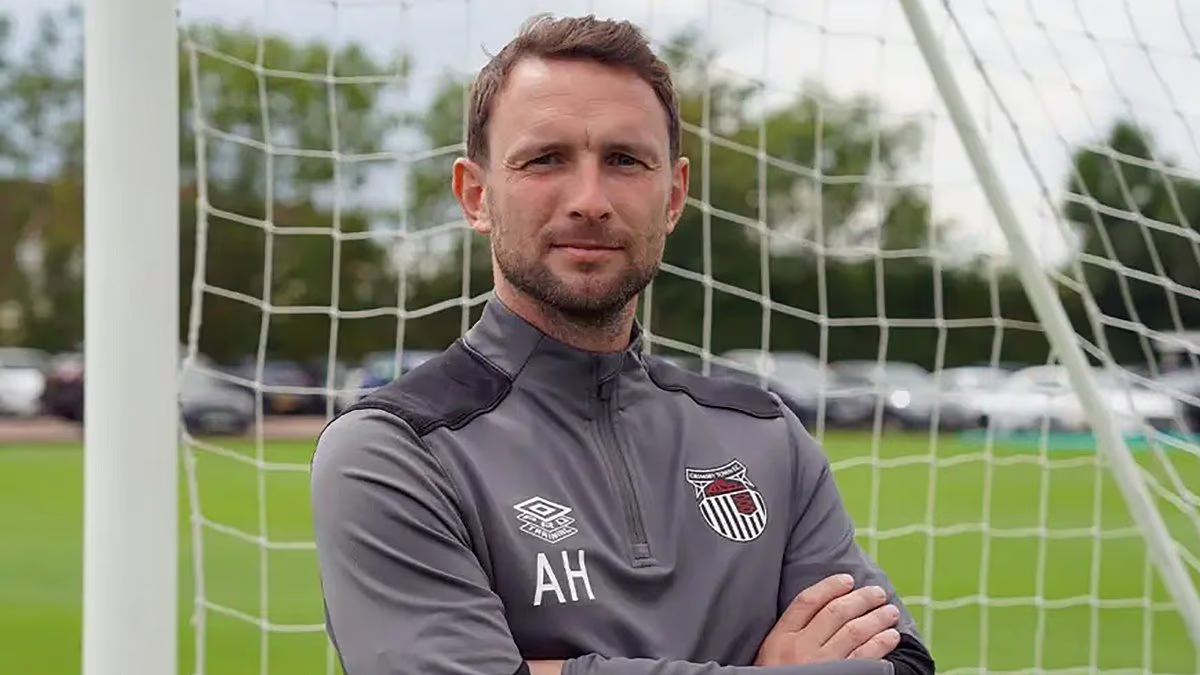
The warning signs of sudden adult death syndrome have been pulled into sharp focus after Manchester United legend Mark Hughes's son died from the rare condition.Alex Hughes, 38, collapsed on the floor of his bedroom where he was found by his two sons on June 19, an inquest found this week.The condition – medically known today as sudden arrhythmic death syndrome or SADS – was said to be the cause of his death.SADS is the term for when someone dies unexpectedly from a cardiac arrest, the term for when the heart suddenly stops pumping blood around the body.The condition can kill fit-and-healthy people – most often affecting under 35s – and is the cause of death of around 500 to 800 people in the UK every year. However, many of its victims have no signs that they had suffered any heart problem after their passing.Coroner Victoria Davies this week said that Mr Hughes suffered a 'sudden death with a normal heart'.Over time, experts have outlined some of the key conditions responsible for SADS – and the warning signs that thousands of Britons may need to look out for. Alex Hughes's cause of death was said to be sudden adult death syndrome, also known as sudden arrhythmic death syndrome or SADSAccording to charity Cardiac Risk in the Young (CRY), the conditions responsible for SADS cause a cardiac arrest because they disturb the heart's rhythm. This is medically known as ventricular arrhythmia. The experts say this can even occur in people who have never had structural heart disease – the umbrella term for various heart defects including holes and damage.Often, the trigger for SADS is a group of rare diseases known as ion channelopathies – rare genetic conditions, usually inherited from parents.These affect the electrical functioning of the heart, without changing the structure of the organ.The heart's electrical function affects its rhythm – how fast it beats – but this stops after death.According to the British Heart Foundation (BHF), this is one of the main reasons the cause of a cardiac arrest is hard to identify, and why SADS may be attributed to someone's death.It is believed that these ion channelopathies are the cause of around 40 per cent of SADS deaths.And CRY say there are four in particular to look out for.The first is Long QT Syndrome (LQTS), which they say is the 'most common and best understood type'.LQTS occurs in around one in every 2,000 people, meaning around 30,000 Britons could have the condition.According to the NHS, LQTS can cause heart palpitations, the term for when the heart beats irregularly or faster than usual.People with LQTS may be at risk of seizures or fainting and are at risk of cardiac arrest if it does not stop.Usually, people who die from the condition do so in their sleep.
Experts reveal warning signs of 'sudden adult death syndrome'
The warning signs of sudden adult death syndrome have been pulled into sharp focus once more after Manchester United legend Mark Hughes's son died from the rare condition.
1,305 words~6 min read