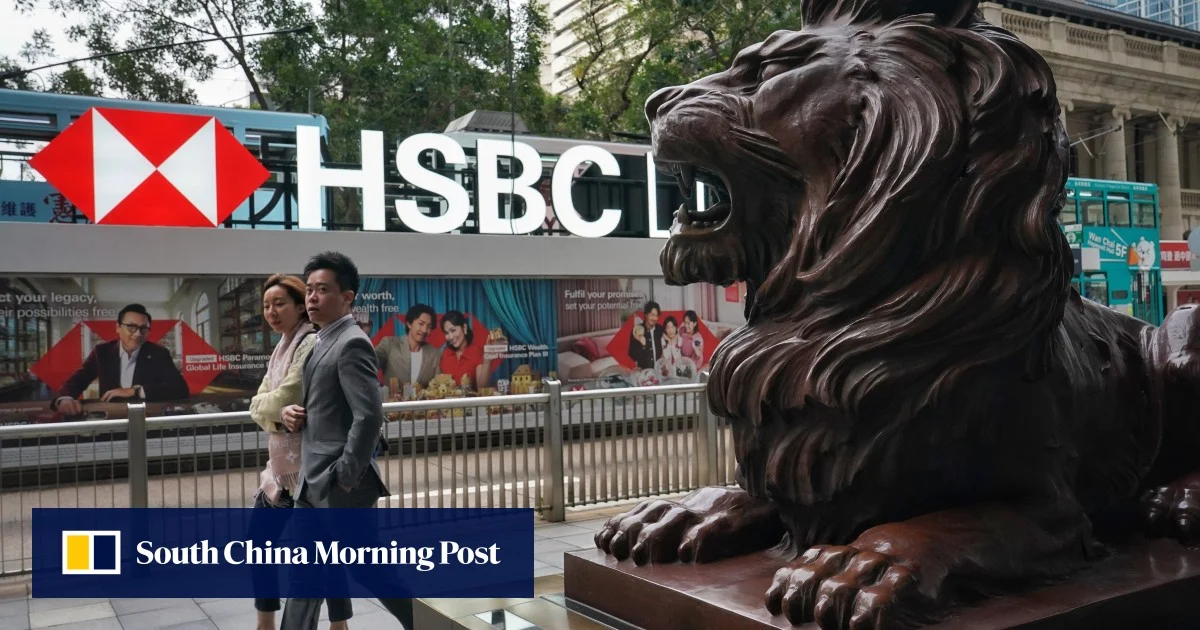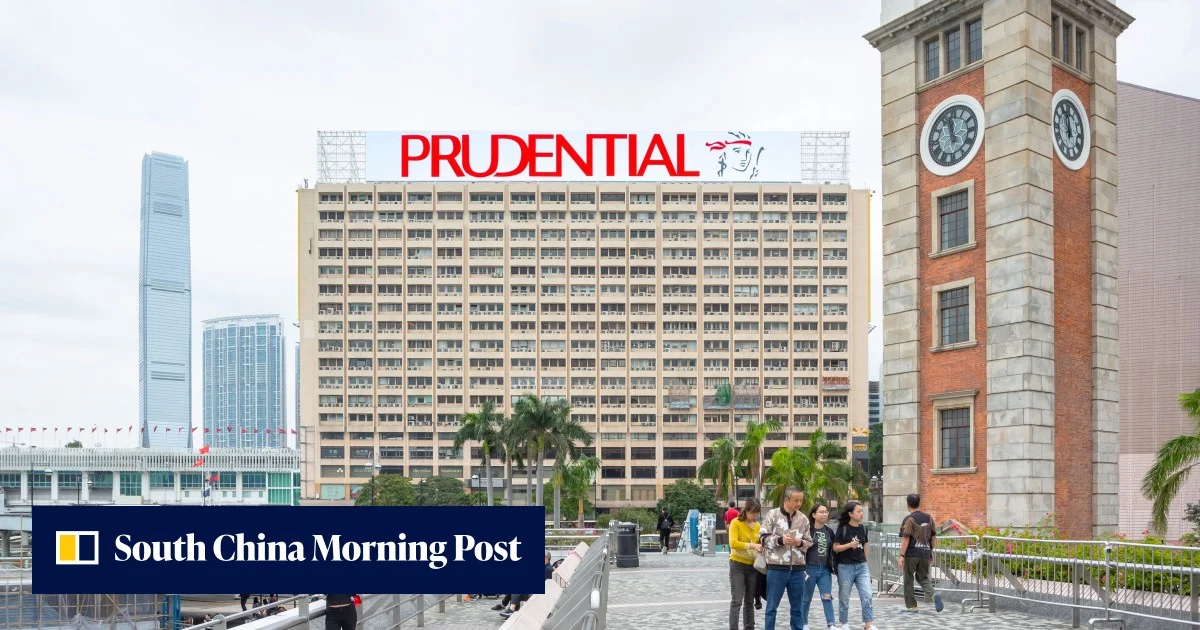
Hong Kong’s long-standing appeal as a tax-efficient gateway for mainland Chinese buyers of insurance and wealth products is facing its biggest test in years, as authorities in mainland China begin levying tax on gains from offshore insurance policies – a shift that threatens to reshape competition for cross-border capital.An officer at the Jingan district branch of the Shanghai Municipal Tax Service confirmed to the South China Morning Post on Thursday that its office had started levying personal income tax on gains from offshore insurance policies at a flat rate of 20 per cent, aligning with the tax applied to cross-border equity trading and offshore trusts. Enforcement would apply retroactively to 2019, said the official, who declined to be named.The confirmation follows an earlier report by mainland financial outlet Caixin, which said tax officials in major cities including Beijing and Hangzhou have started levying personal income tax on returns from offshore insurance products – including dividend distributions and interest on prepaid premiums.The enforcement signals the latest step in Beijing’s push to tighten control over the insurance and cross-border wealth-management sectors, as authorities move to close a long-standing regulatory loophole, curb capital flight and retain domestic savings.The Hong Kong Government was closely monitoring the tax arrangements in relation to financial products, a spokeswoman for the Insurance Authority said in a statement to the SCMP on Thursday.“The requirement for [mainland Chinese] residents to declare and pay taxes on offshore investment income in accordance with the law has long been in place. The market does not need to overinterpret or engage in unnecessary speculation,” she said.
As Hong Kong shares react to 20% levy report, investors eye Beijing’s next steps
Prudential, AIA and HSBC slid following report of the insurance levy, though Goldman Sachs says profit fallout may be limited.
262 words~1 min read