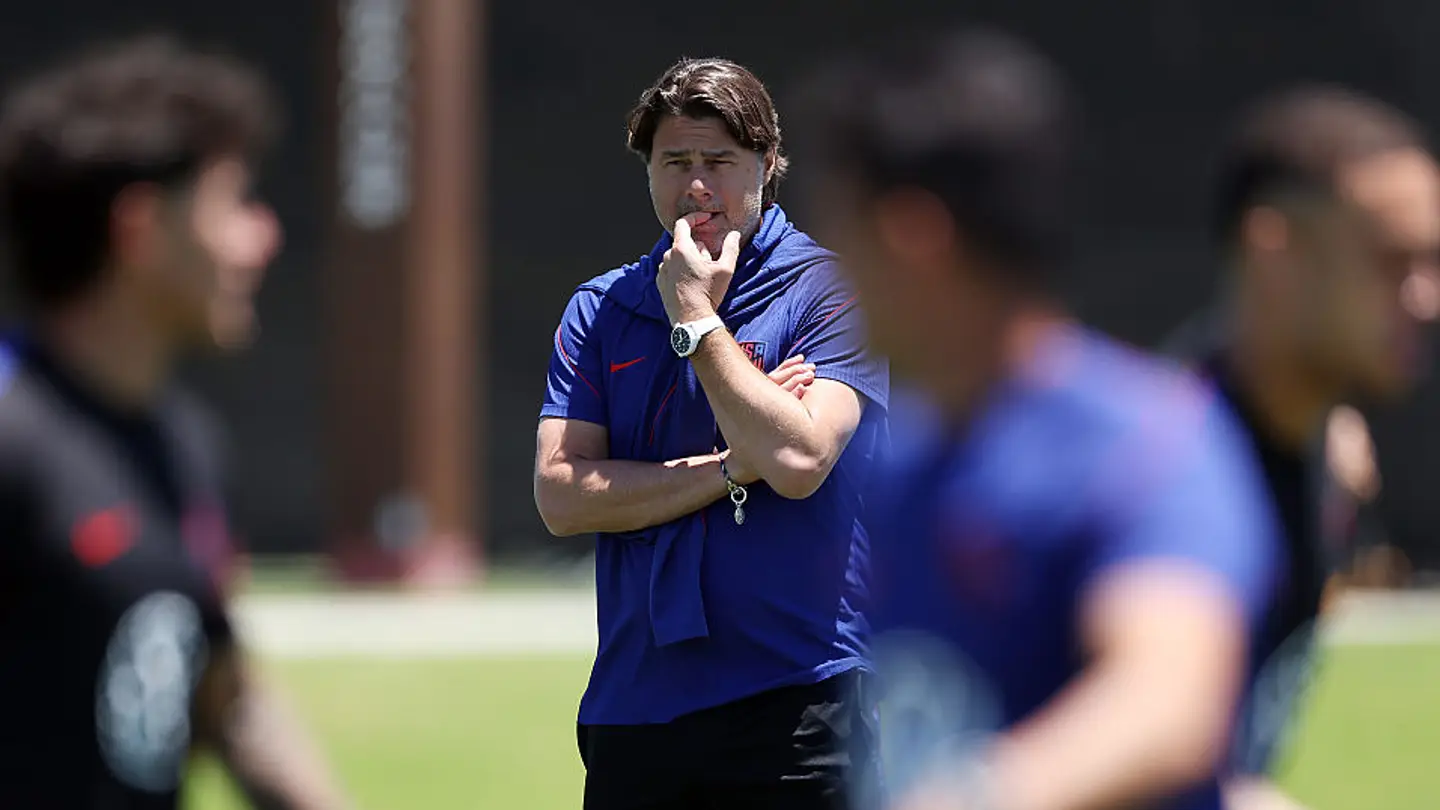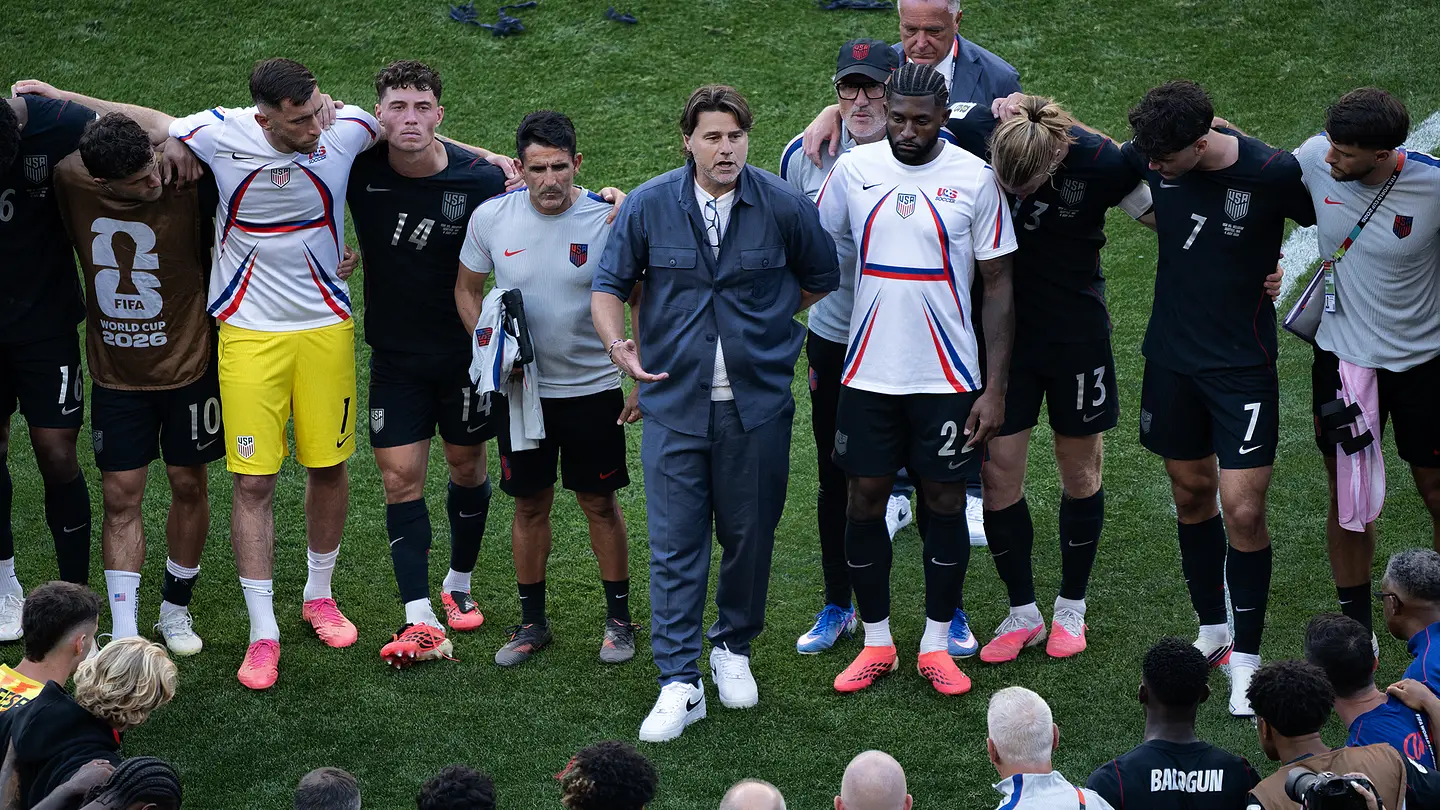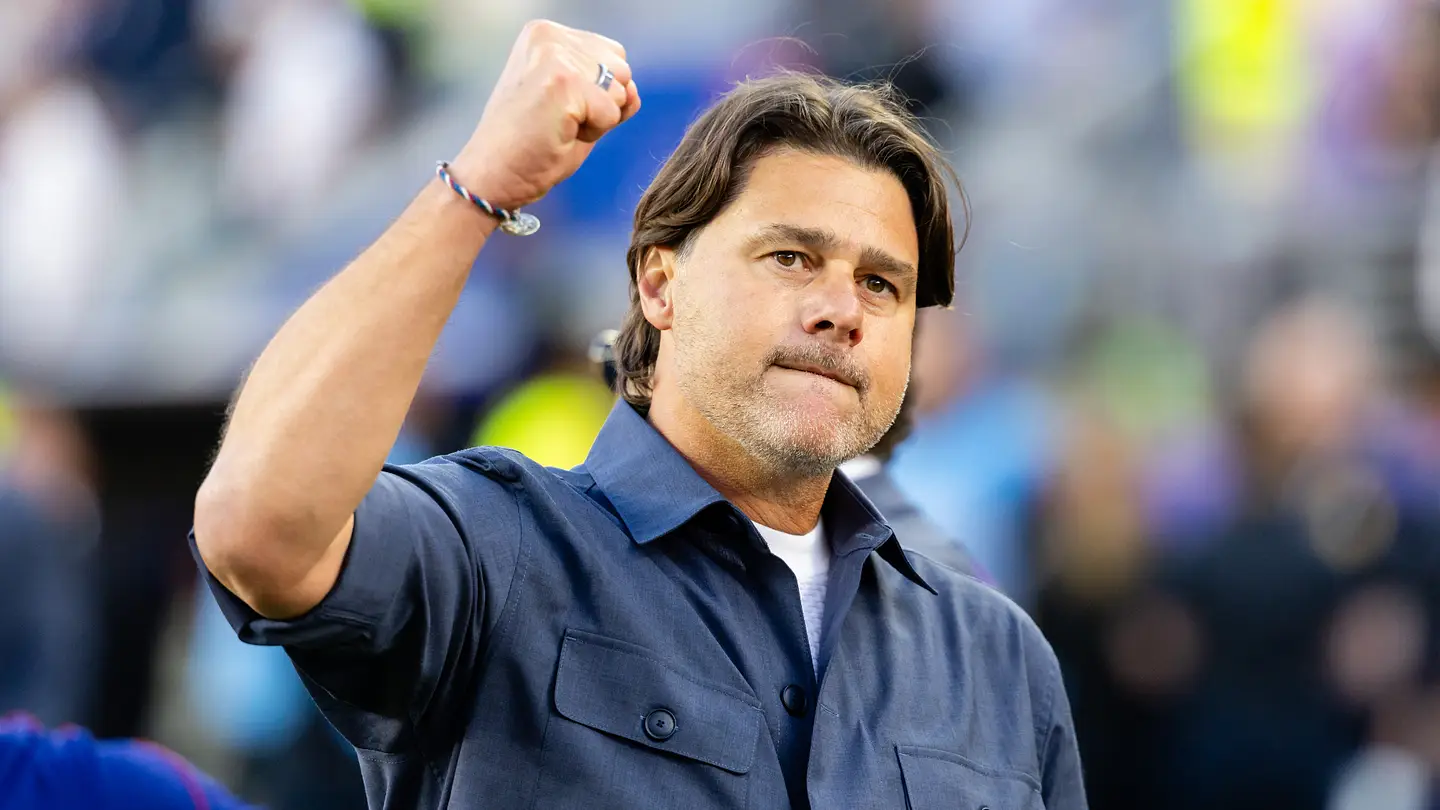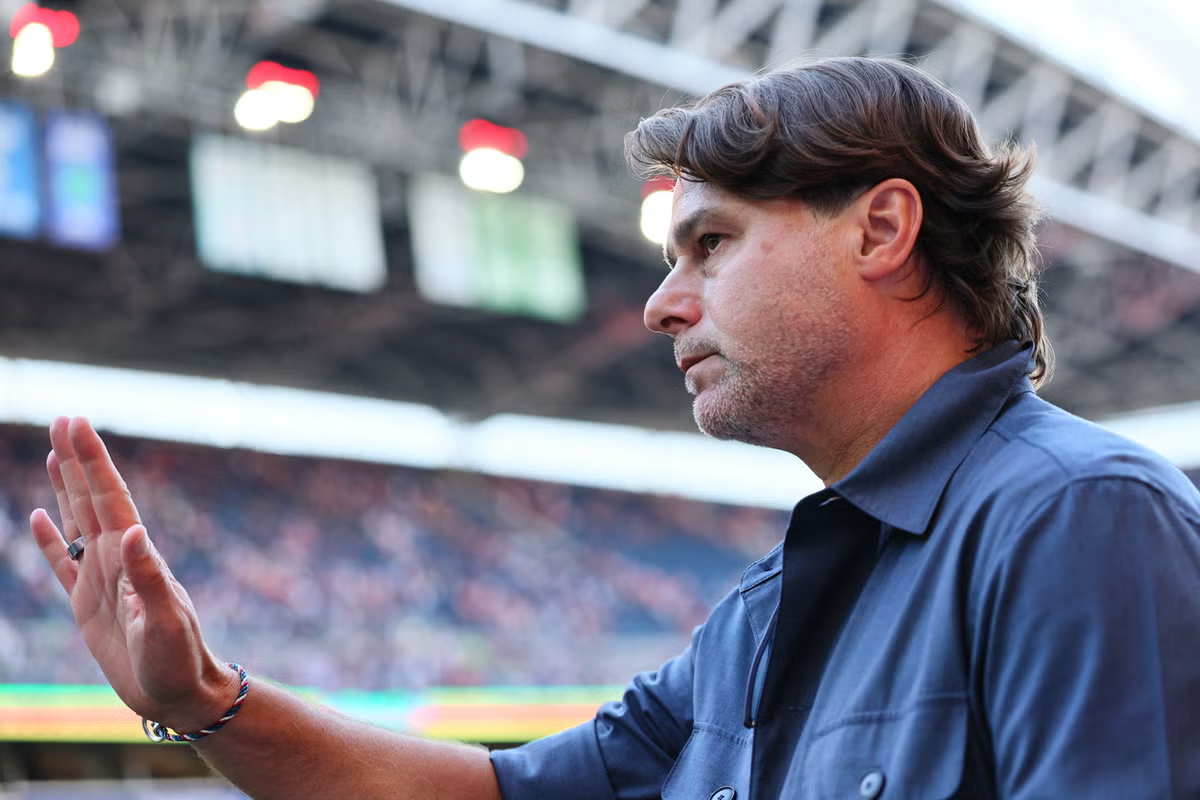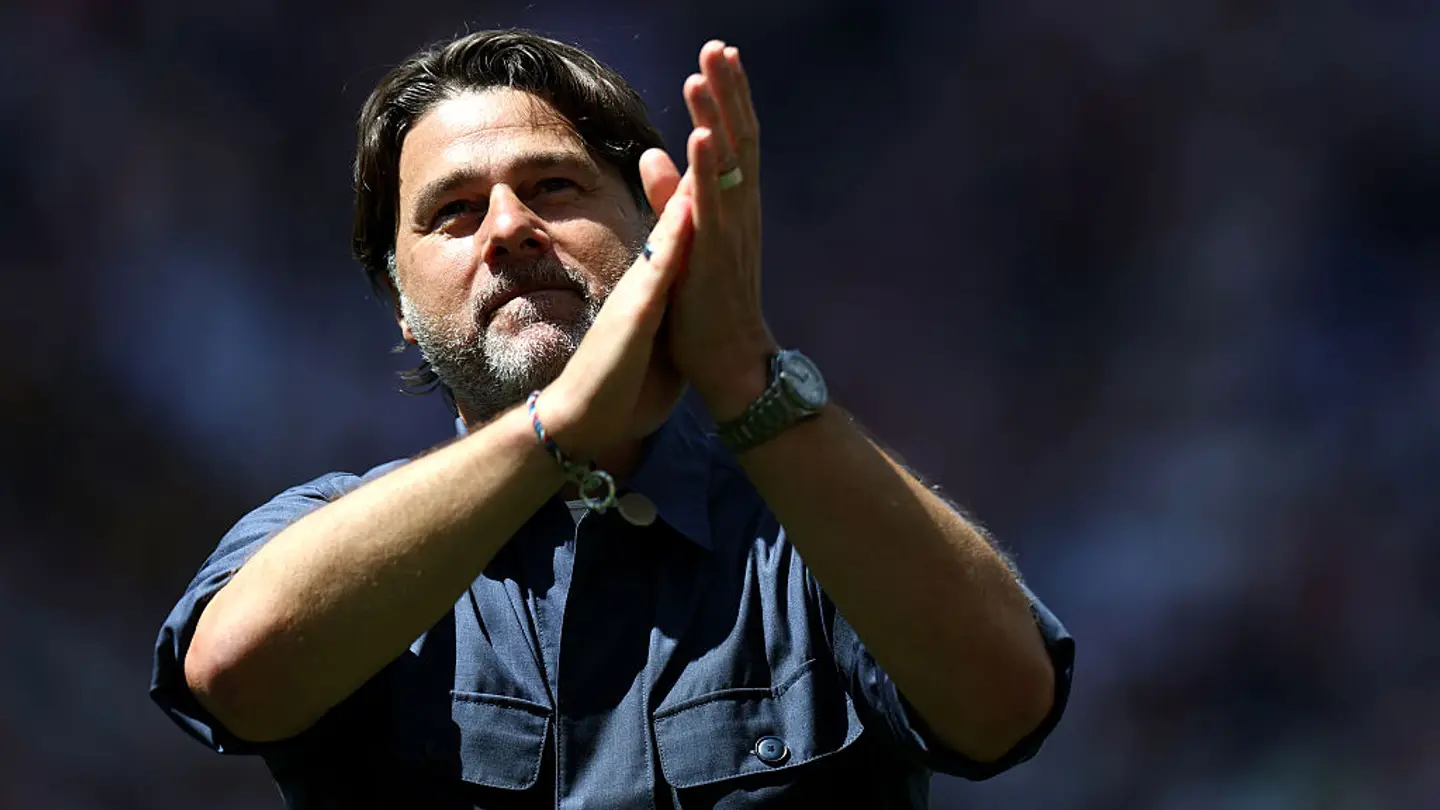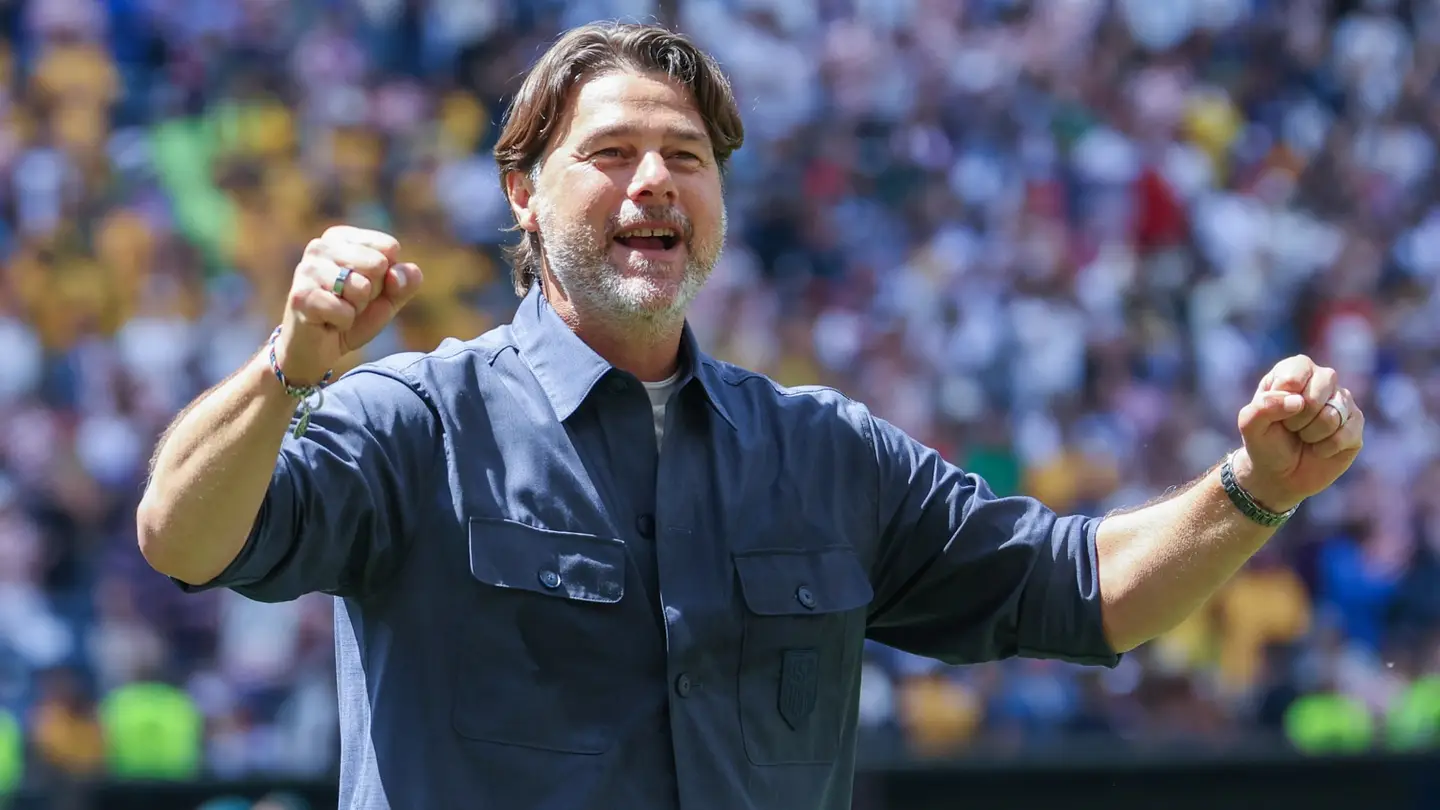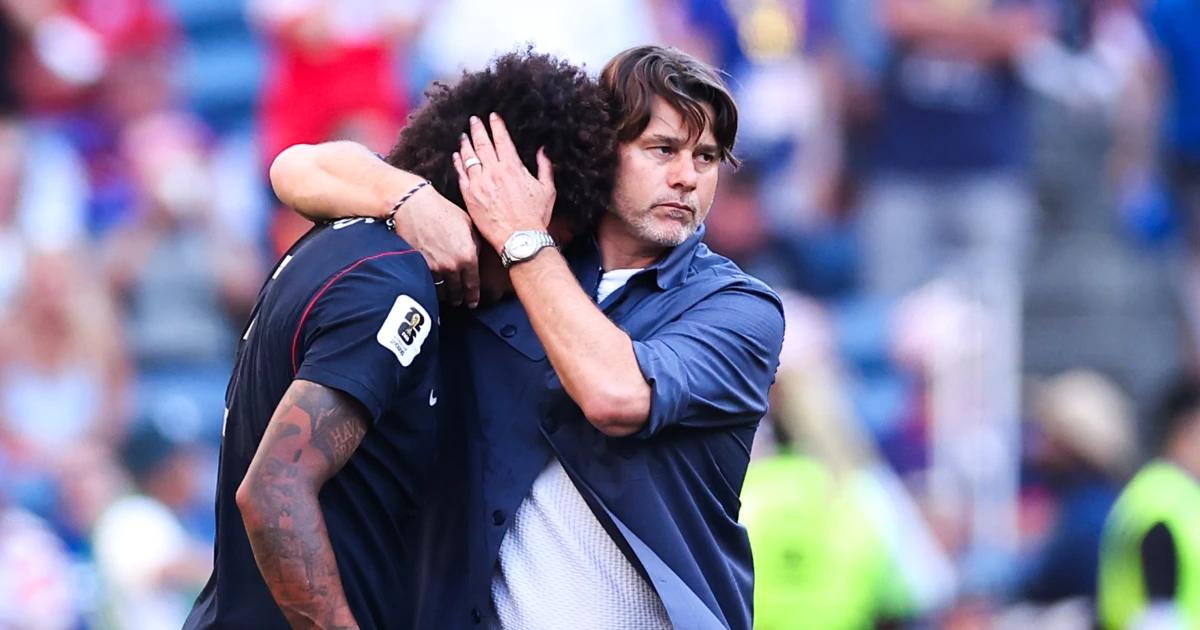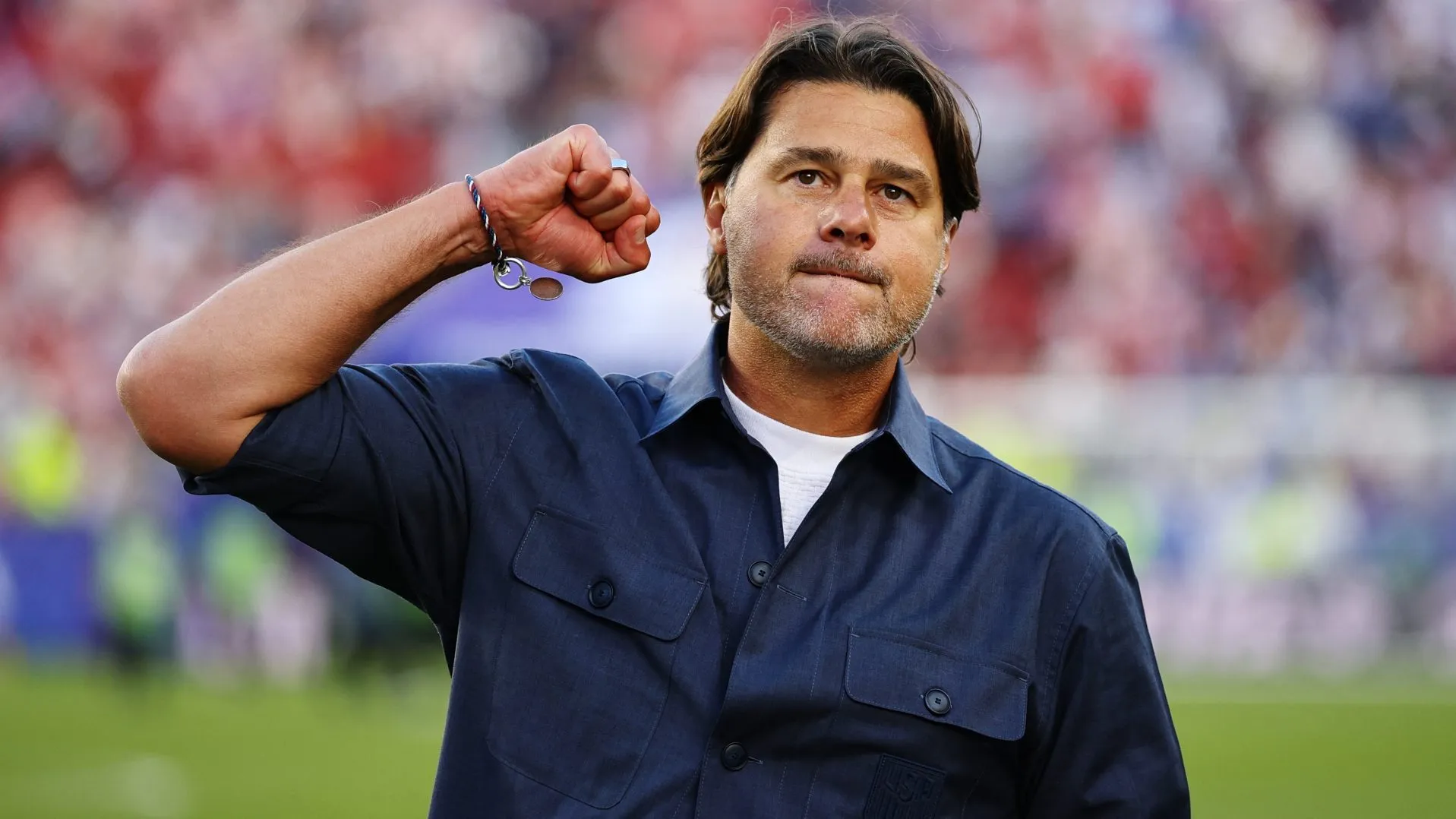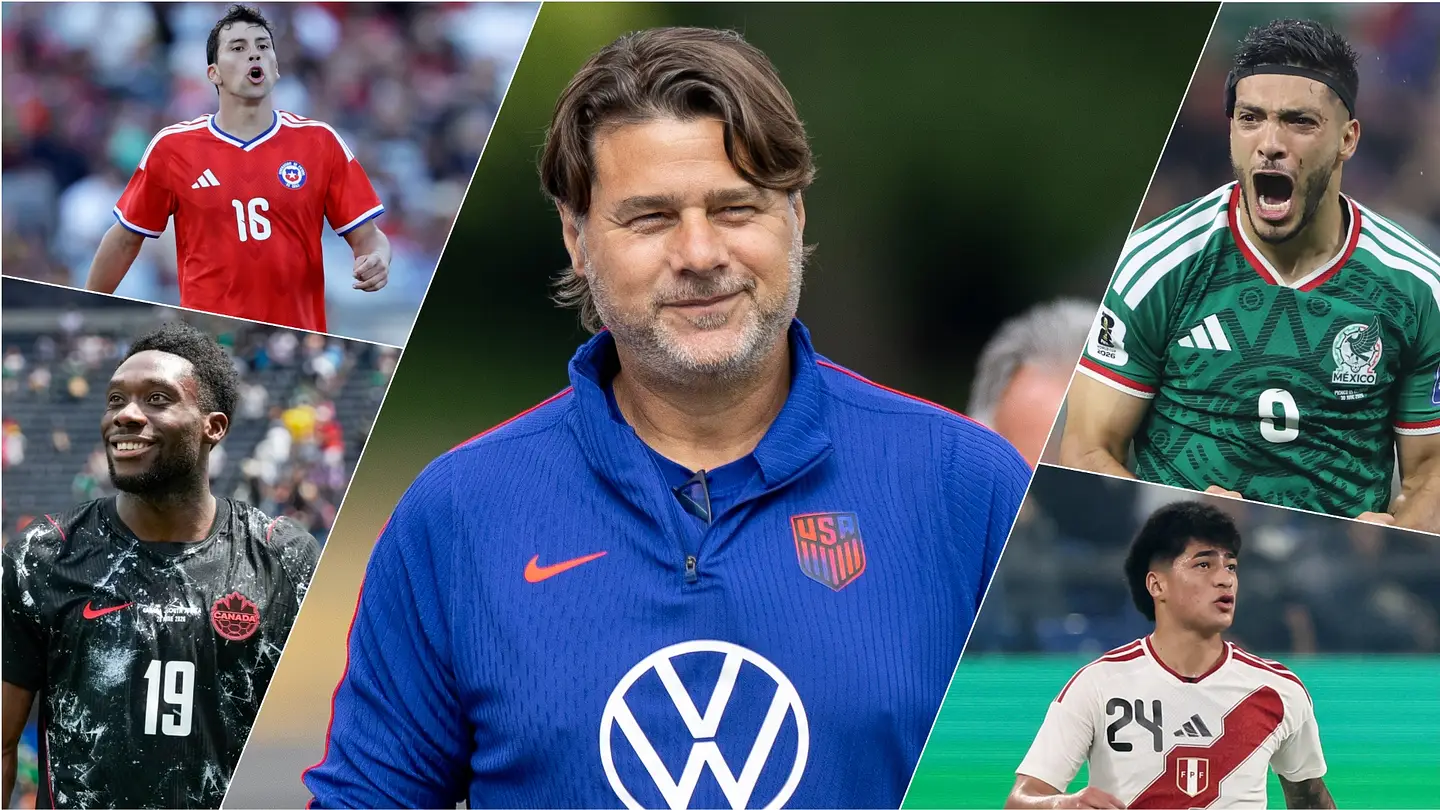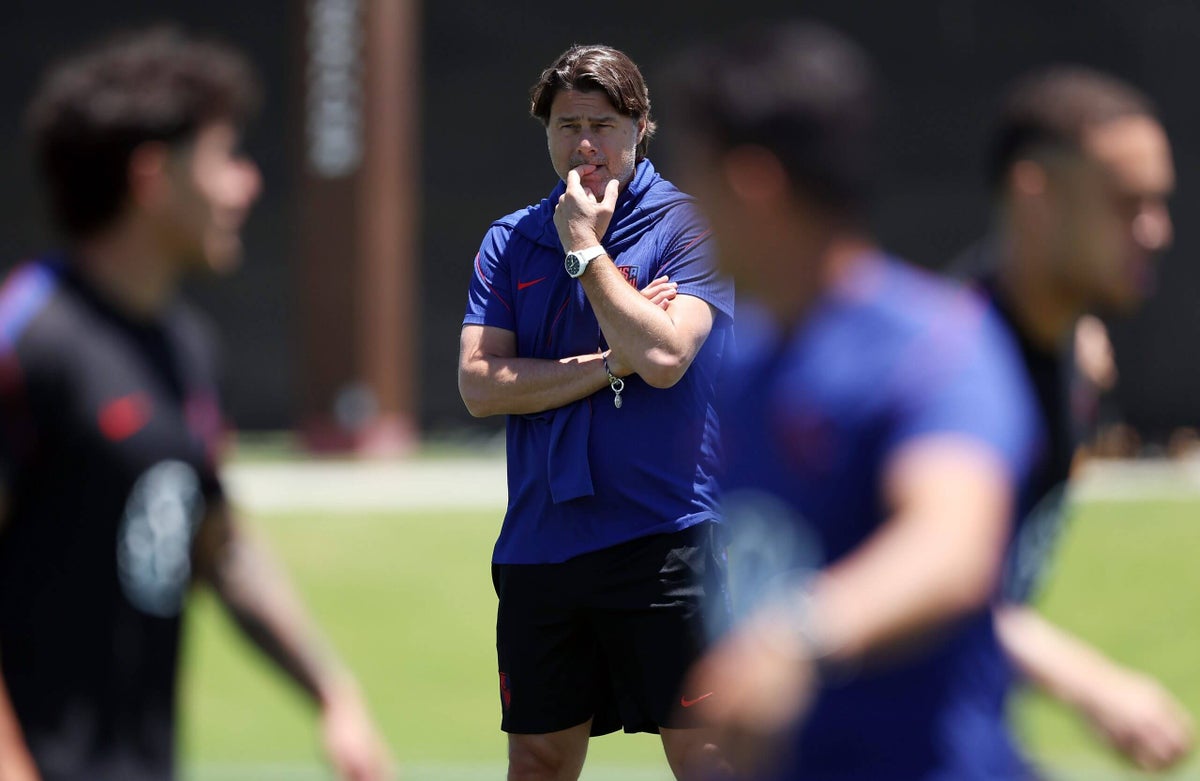
When Mauricio Pochettino decided to sign on for another contract with U.S. Soccer through the 2030 World Cup, he called it a “fresh start.”It was an immediate alert from Pochettino that this won’t just be a carryover from the 2026 World Cup, one that had some bright moments but ultimately ended with a brutal 4-1 loss to Belgium in the round of 16. Pochettino said he will “set a different principle, with some similarities, but of course completely different,” from his first 18 months with the U.S.. That actually makes sense. When Pochettino was hired previously, his job was focused on the narrow, short-term aims of a home World Cup.Now, Pochettino will have a more robust outlook on a cycle that has a finish line four years in the future — a lifetime in professional soccer.With that in mind, here are some top-priority things that should be on Pochettino’s to-do list as he begins this first full cycle as U.S. men’s national team coach.Integrate new faces into the programIt’s critical that Pochettino not allow the program to stagnate at this key moment of transition.The U.S. team that has largely made up the 2022 and 2026 World Cup rosters is going to have to change in order to stay competitive. That process should start immediately, even if it means calling in players who aren’t ready at the moment. In defense and goalkeeper, in particular, the U.S. could benefit greatly from a wholesale restocking of talent.But regardless of position, it is in the best long-term interest of the program for Pochettino to start integrating younger players into the senior environment now so that they are more prepared if their careers continue to advance. That means summoning players like Zavier Gozo, who arguably should have been on the 2026 roster, and other teen rising stars such as Mathis Albert, Peyton Miller, Julian Hall and Adri Mehmeti.It also means building relationships with the generation coming behind them, including 18-year-old Philadelphia Union center back Neil Pierre and 16-year-old Union midfielder Cavan Sullivan, who likely need more seasoning before earning senior caps, but can start to be integrated in different ways around the program. (This will tie in with a later point about working with U.S. Olympic coach Steve Cherundolo.)17-year-old Adri Mehmeti has turned heads with his play in the Red Bull New York midfield this season (John Jones / Imagn Images)Recruit dual-nationalsOne of the important parts of being an international manager now is recruiting dual nationals. This is especially true when you are the coach of the U.S. men. Yes, you should want players who want to be with you, as Pochettino has previously said. But there is an element of making them feel wanted, the benefits of which were made clear by Folarin Balogun’s success at the 2026 World Cup.The biggest name right now is German-American center back Noahkai Banks, who has a relationship with Pochettino and his staff after coming to one camp last year already, but stopped short of declaring his allegiance to the U.S. in the spring even as a potential World Cup berth was looming.With a squad that has some clear need areas, Pochettino has to lean into the recruitment aspect more as he pushes for players like the 19-year-old Banks such as: versatile 18-year-old Chelsea prospect Landon Emenalo, a player Pochettino fast-tracked into first-team training when he coached Chelsea; 18-year-old Bayer Leverkusen winger Montrell Culbreath; 16-year-old Bayern Munich goalkeeper Leonard Prescott and even a longshot like 23-year-old Japanese-American goalkeeper Taishi Brandon Nozawa.Win a trophyFor all the touting of Pochettino’s impact since his arrival, the U.S. has yet to win a trophy under him.The Americans were embarrassed in the 2024-25 Concacaf Nations League final four with losses to Panama and Canada. They fell in the 2025 Gold Cup final to Mexico. Wins in upcoming friendlies against Mexico and Canada would be nice. Pochettino is 0-3 against those two rivals.More importantly, though, they have to start to show they are the dominant team of the region. Winning the Nations League would at least match what was accomplished under Gregg Berhalter, who won it in 2021 and 2024 (along with a Gold Cup in 2021); and also BJ Callaghan, who won the 2023 Nations League as interim manager.The U.S. will have two shots at clearing that relatively low bar in the next year: the 2026-27 Nations League and the 2027 Gold Cup.Strike a balance in what could be a crucial 2028 summerWe don’t know for sure just yet, but two summers from now could be quite the proving ground for the U.S. player pool.It has long been rumored that Copa América could be returning to the U.S. in 2028, and if that winds up being the case and it’s another combined CONMEBOL-Concacaf production, then the Americans will want to put the best team possible on the field. Two years ago, a failure to get out of a Copa group on home soil is what ultimately cost Berhalter his job. For Pochettino, that tournament would be the closest approximation to a World Cup challenge that he’ll get in this four-year cycle.But the summer also gives the U.S. another chance to win in another home tournament with a major spotlight: the 2028 Olympic Games.The U.S. hired Cherundolo, the former LAFC manager and U.S. World Cup veteran, as coach of the men’s Olympic team, which also will want to secure the best-possible team talent for that U-23 tournament. How can Pochettino assist there? By building and cultivating his existing relationships with teams in Europe and MLS, who aren’t required to release players for the Olympics (the men’s tournament is not on the FIFA international calendar), but would be for Copa América.That could present some unique player decisions, presuming nobody would feature in both competitions. For example, how does Pochettino manage players like Gozo and Alex Freeman, both of whom would be eligible for the Olympics if released but could be important pieces for the Copa team? And which over-age players (teams can feature three players over 23 on their squads) would go to the Olympics?It will be an important balancing act over the next two years.After an uneven and injury-hit World Cup, what’s next for Christian Pulisic with the U.S.? (Fran Santiago / Getty Images)Manage the veterans in the poolThe U.S. should be looking to bring in some of the young players, but Pochettino also needs to figure out how to best handle players like Christian Pulisic, Weston McKennie, Tyler Adams and Folarin Balogun.Pulisic came under heavy criticism for his comments after getting injured in the U.S.’s 4-1 loss to Belgium. He had a difficult World Cup. After being the best player on the field in the first half against Paraguay, Pulisic exited with a calf injury and missed the Australia win, then didn’t make much of an impact against Turkey and Bosnia and Herzegovina before an awful showing in the Belgium defeat, during which he exited injured again.How does Pochettino handle bringing Pulisic, when fully fit, back into the mix? They had an up-and-down relationship, at least publicly, over the last two years, but it should still be expected that Pulisic will play an important role for the U.S. even as he crosses into his 30s during this cycle.Pochettino should be thinking about what to do with all of his veterans, though. Is it worth calling them in for an entire summer Gold Cup during an “off year” edition in 2027? That feels like a prime opportunity to accomplish two other checks on this list: integrate new faces and work with Cherundolo on the Olympic team. The 2027 Gold Cup could be an opportunity for players like McKennie, Adams, Pulisic, Balogun, Malik Tillman and others to have some off time ahead of a (potential) 2028 Copa, 2029 Gold Cup and 2030 World Cup gauntlet.That doesn’t mean Pochettino should relent on making sure players don’t pick and choose what camps they take part in, though. That complacency and entitlement were what he tried to weed out of the national team in the first place. Even so, it’s up to him to balance the minutes of his most important players while seeing both the short and long games. With World Cup qualifying, Nations League and summer tournaments, he has to find the right way to build up both the starters and depth of the 2030 World Cup team.
Mauricio Pochettino is back with the USMNT. These should be his top priorities
Mauricio Pochettino's USMNT job description is a bit different a second time around. Here's what's on his to-do list
1,392 words~6 min read