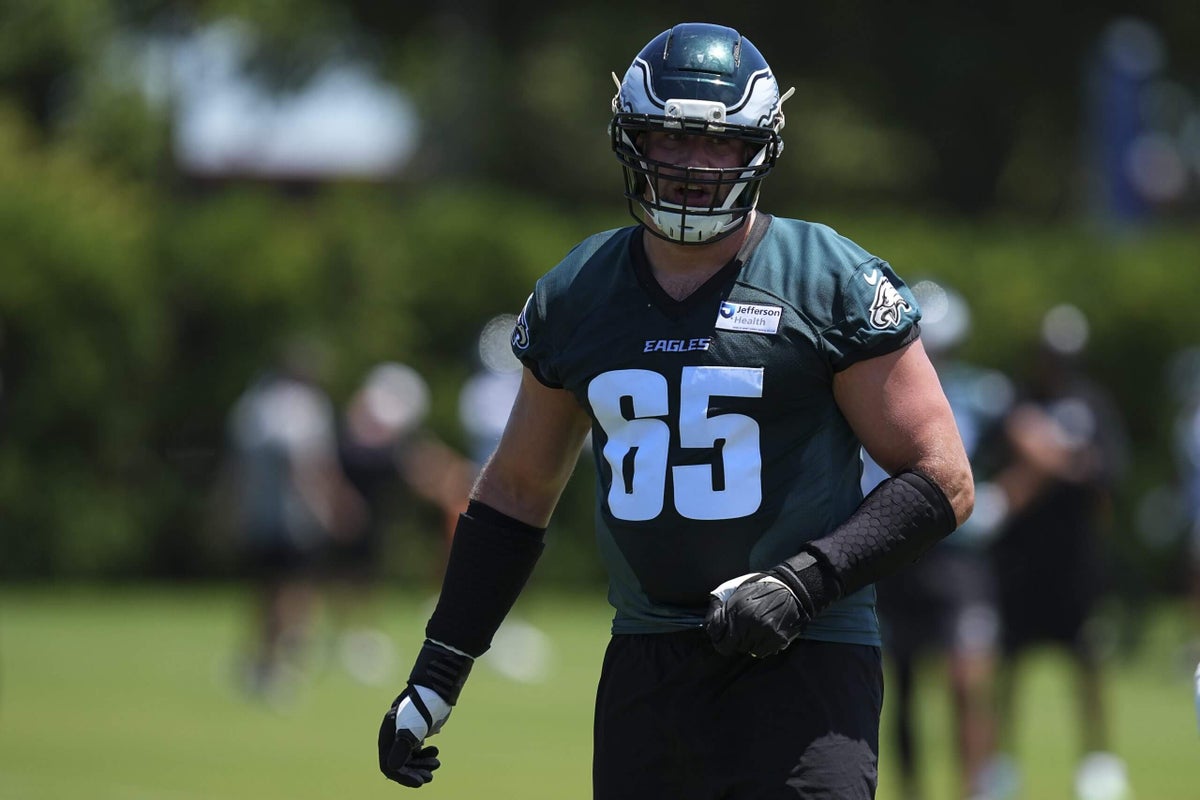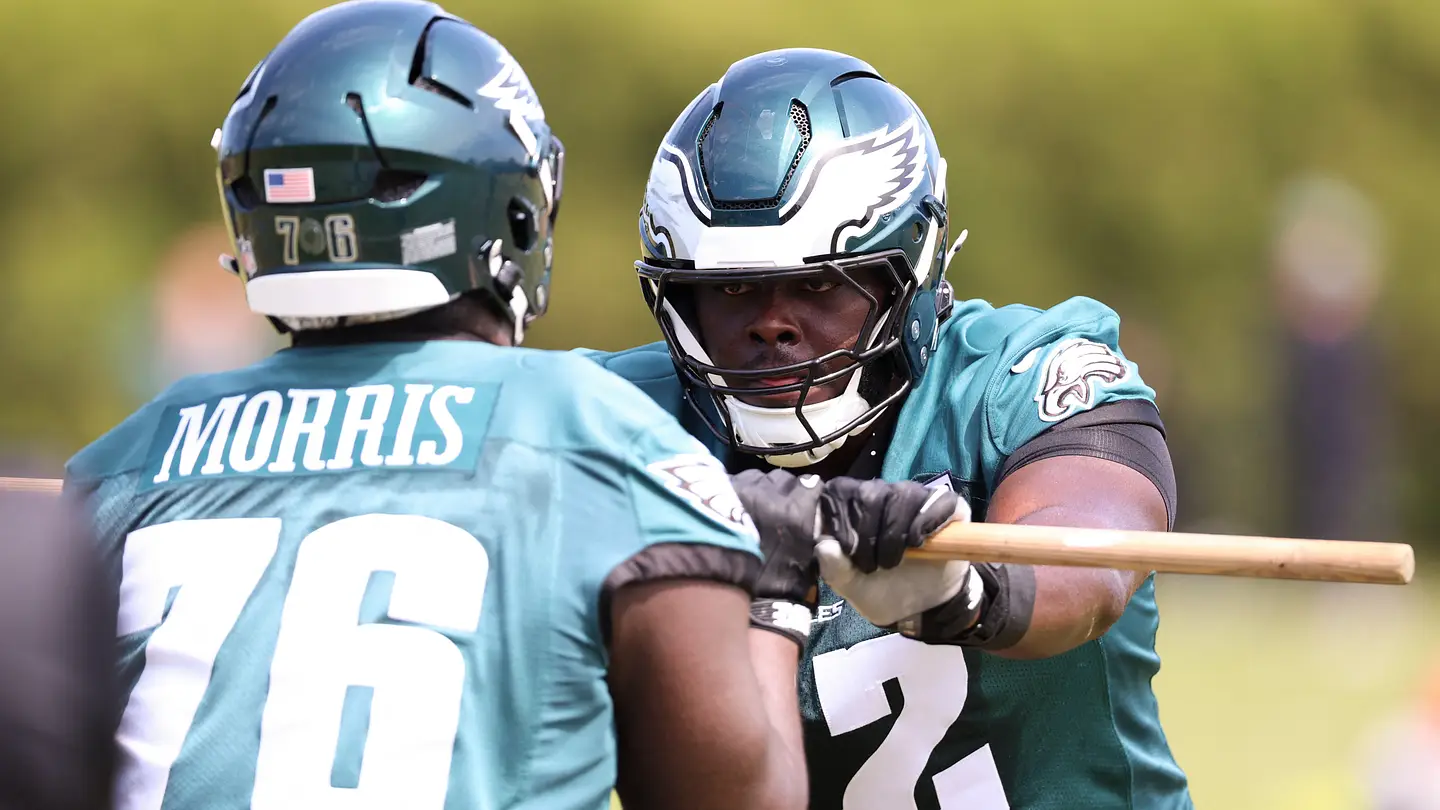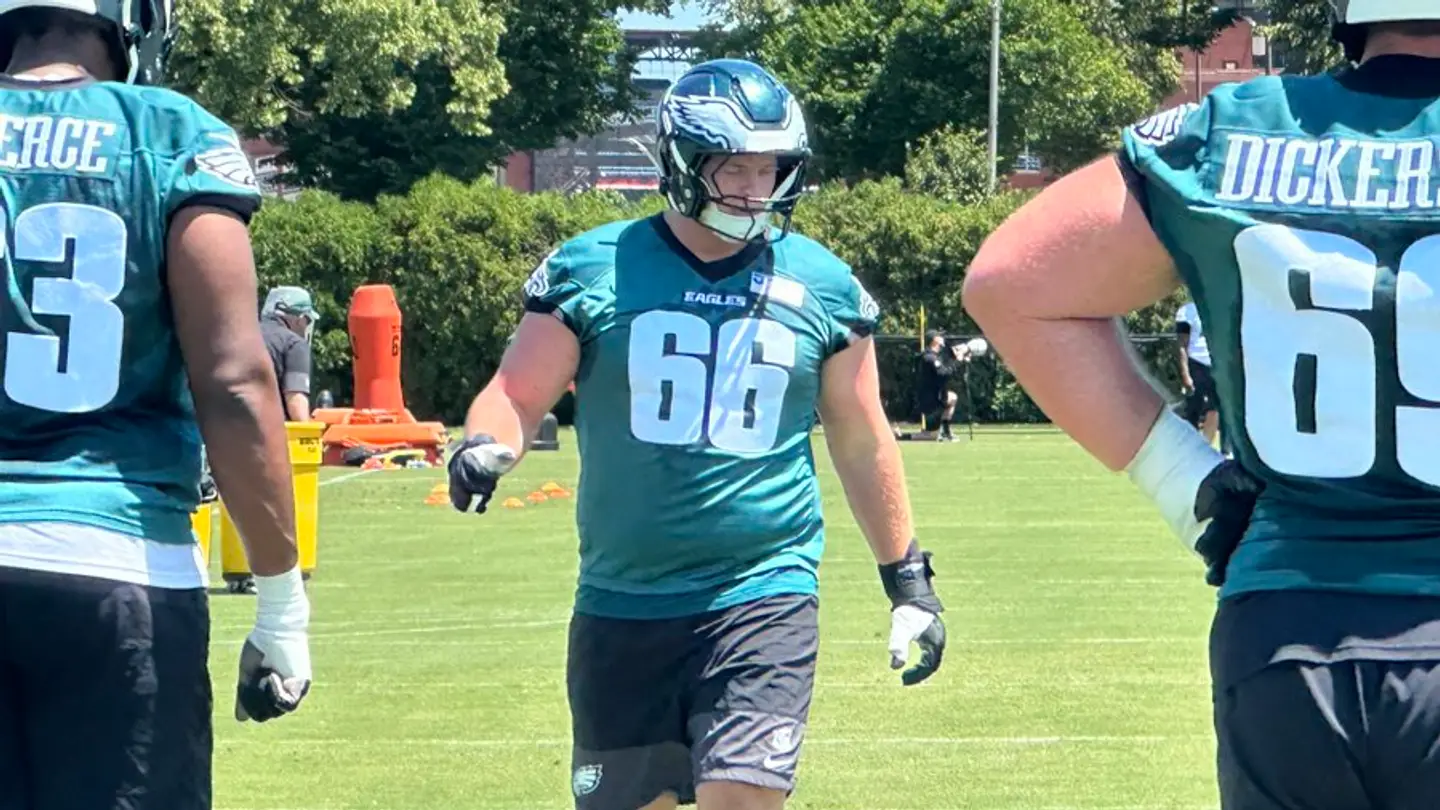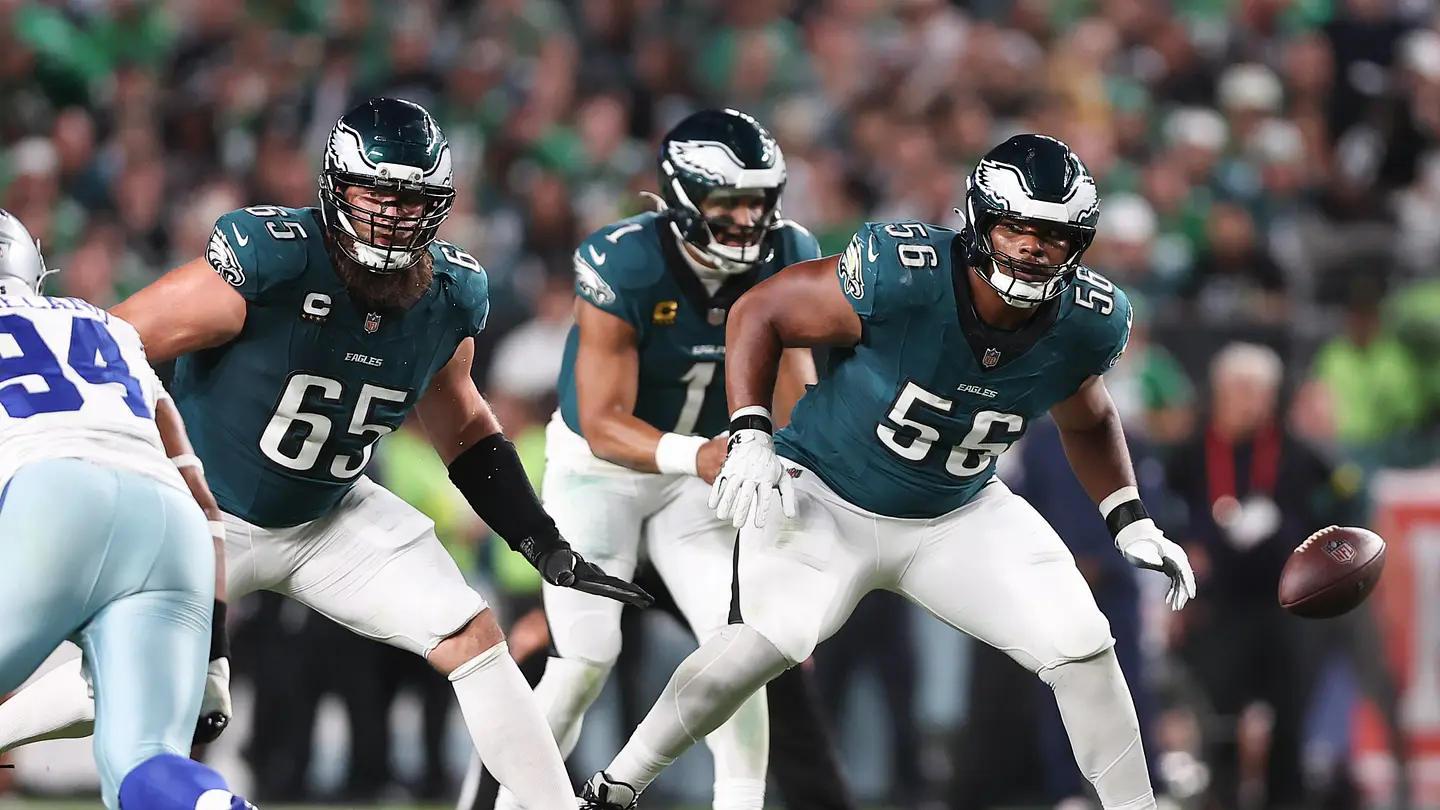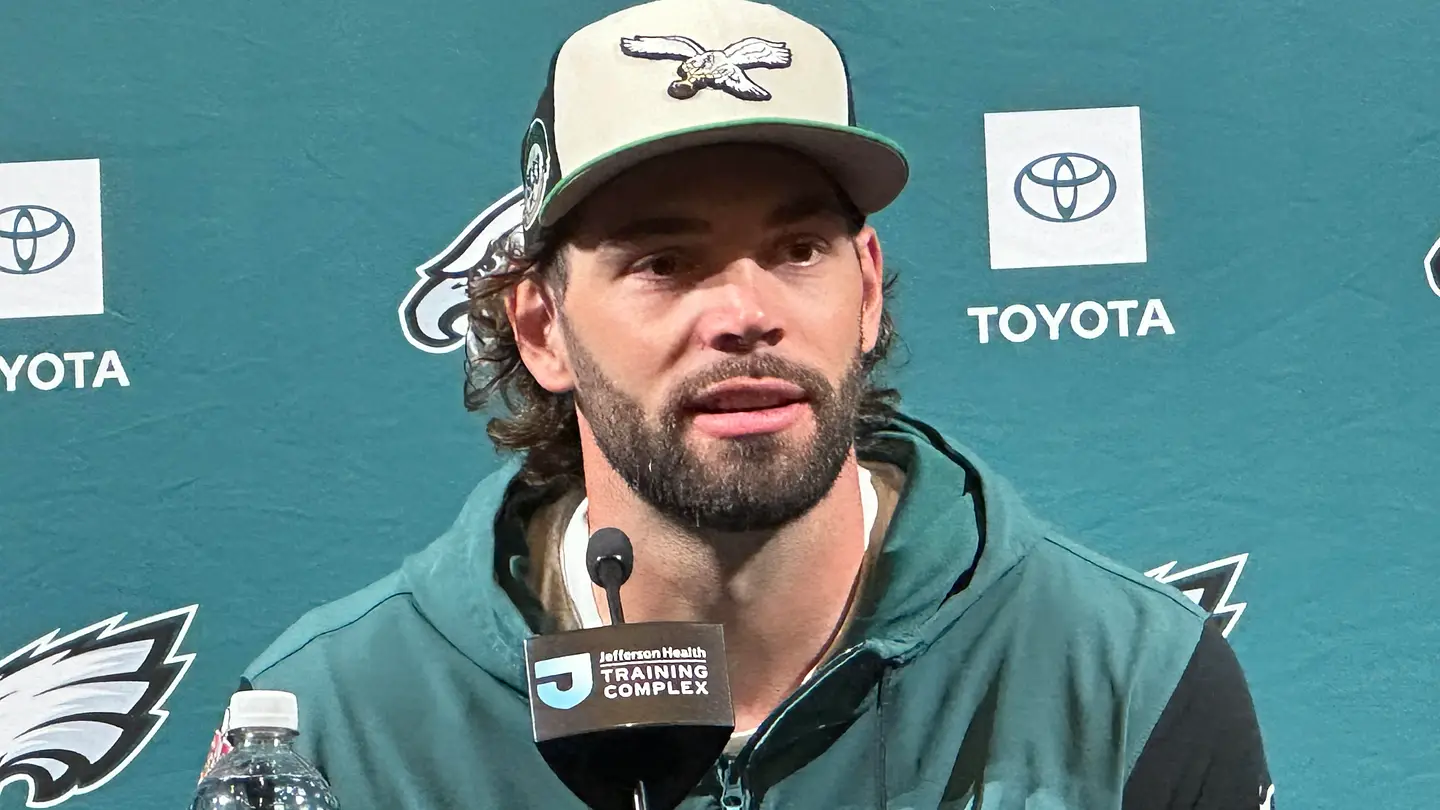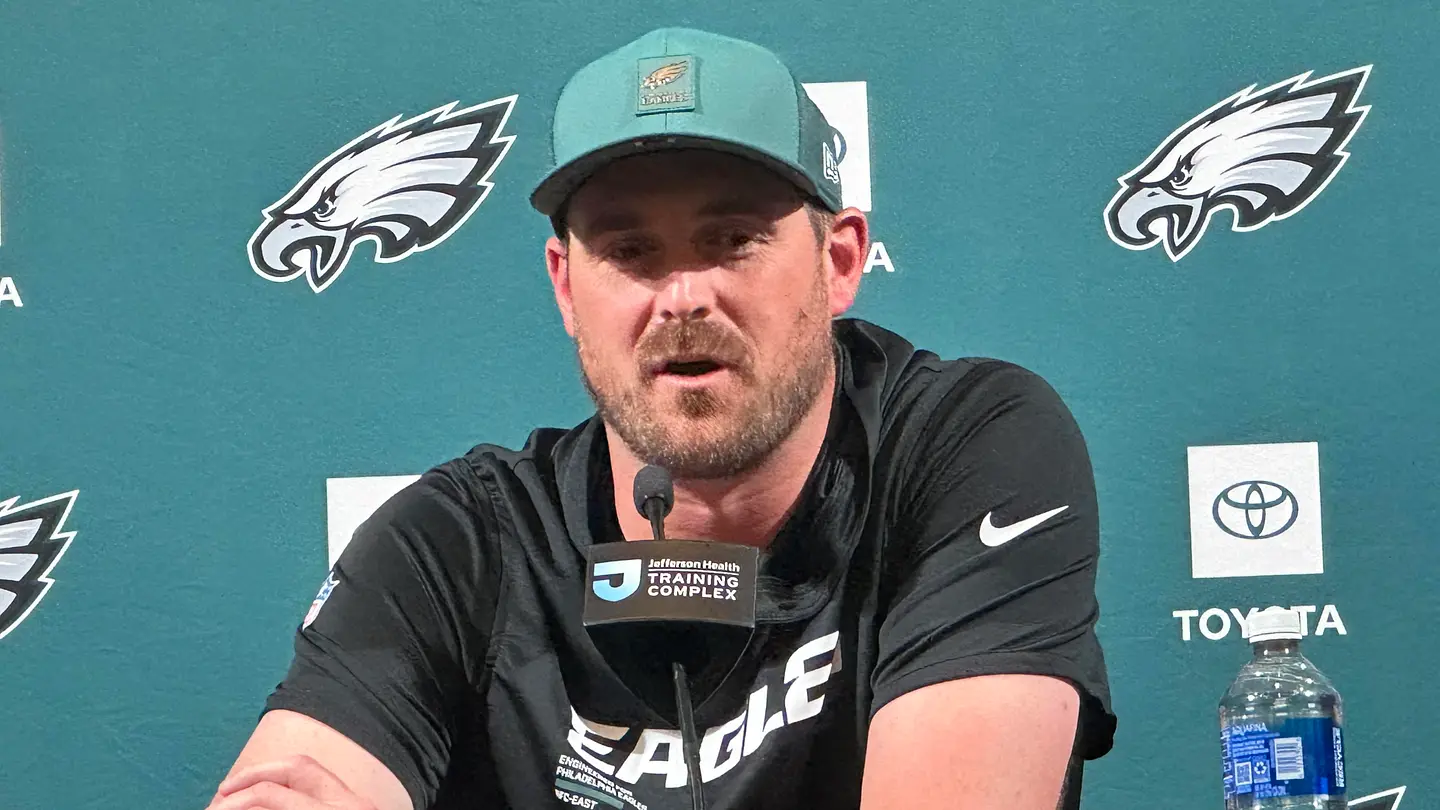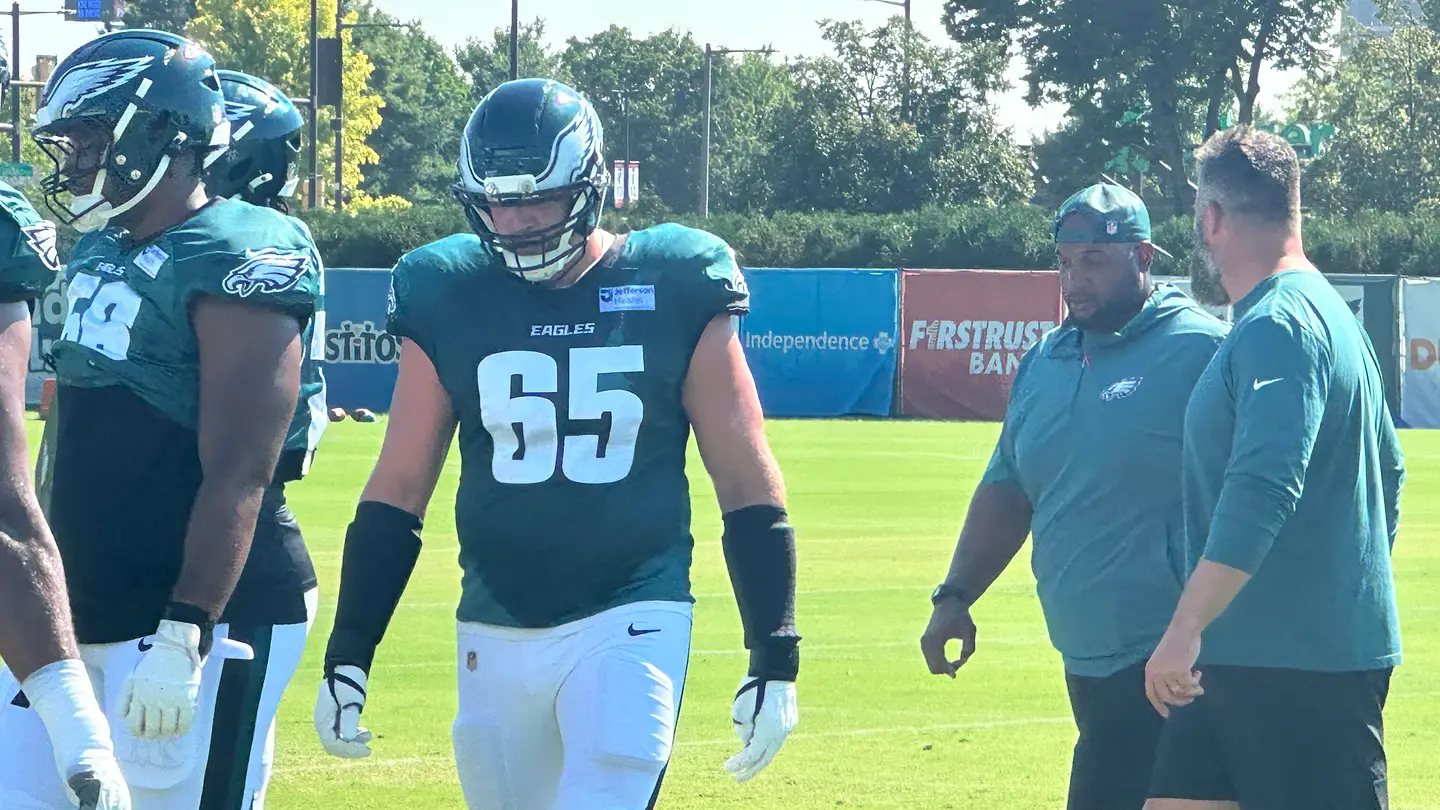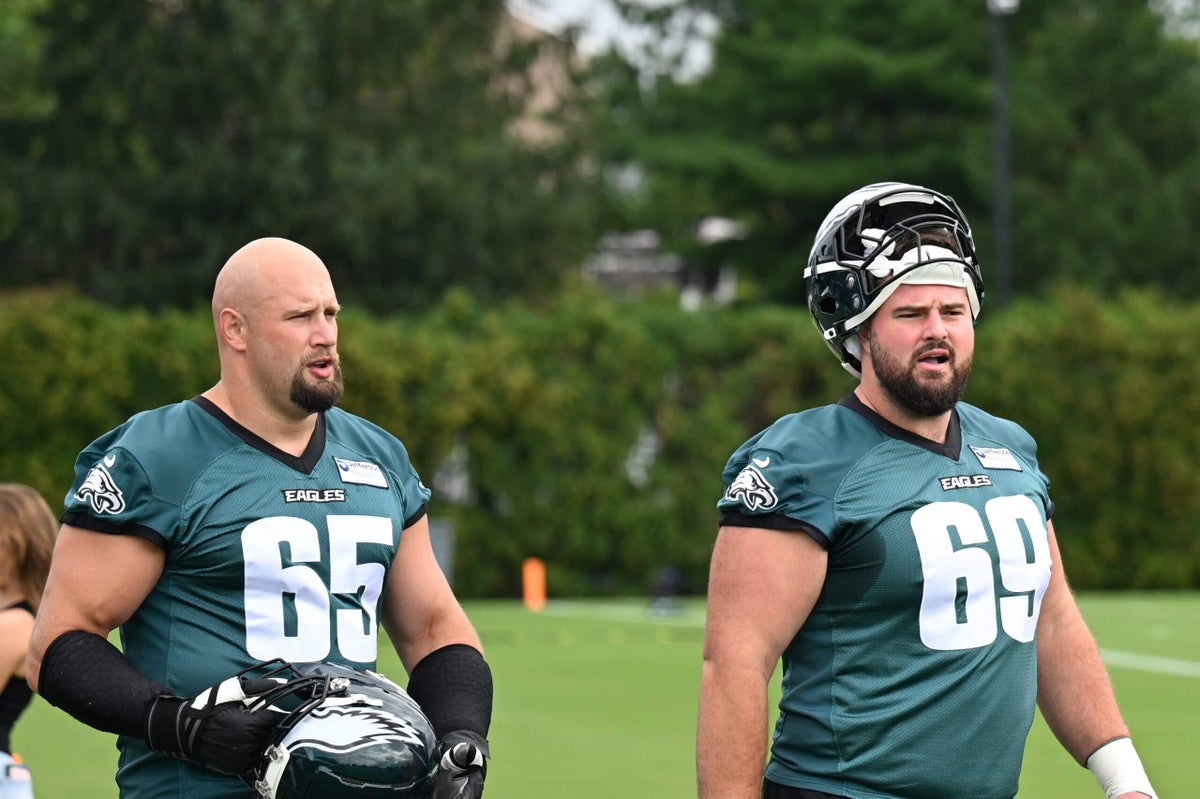
PHILADELPHIA — In January 2025, Lane Johnson responded to a perceived snub on the All-Pro rosters by displaying a sheet of paper on his locker stall with a side-by-side comparison of Johnson and the tackle who earned more votes. Among the list of nine data points was “Island Rate” — the percentage of snaps in which Johnson was one-on-one on an island against the pass rusher. Johnson had the highest percentage in the NFL. He became accustomed to being trusted to block one-on-one throughout the past 13 seasons. The challenge became a point of pride.“I’ve never had help in my entire career in pass protection here,” Johnson said.Until now.The Eagles changed their offensive scheme this offseason when they hired new offensive coordinator Sean Mannion. The staff shuffle included the departure of long-time offensive line coach Jeff Stoutland, one of the NFL’s most celebrated assistant coaches and the only position coach for whom all five Eagles starters ever played. He was replaced by Chris Kuper. The overhaul has had a pronounced effect across the offense. But the biggest adjustment might be on the offensive line — perhaps the best group on the Eagles’ roster and a foundation of their success during the past decade.It’s still the honeymoon period, but early reviews from truth-telling offensive linemen offer consensus approval — including Johnson noting the joys of guard help in pass protection.Eagles defense is outperforming the offense at training campZach Berman“It’s very O-line-friendly compared to maybe some past years I’ve been involved in,” Johnson said.“I agree,” Mailata said. “Stretching the defense a lot more than we did in the past. It’s not a knock to our past schemes and our past coaches. … Stress them out a lot more — they don’t know if it’s a pass or a run. And the play-action game being married is pretty key to the scheme.”The sentiment of the “O-line-friendly” scheme has been shared by all five starting linemen. Of course, the previous schemes seemed to accentuate the offensive linemen. The Eagles reached the Super Bowl twice in the past four seasons. They paved the way for a 2,000-yard rusher in 2024 and a 1,000-yard rusher in each of the past four years. Four of the five starting linemen are among the top-10 highest-paid players at their positions. Three earned Pro Bowl honors. Two earned All-Pro honors. It’s not as if the offensive line responsibilities were a major problem before, although there was regression last year while injuries plagued the line and the offense grew stale.The linemen always carried considerable responsibility before the snap — not even to mention what happened after the snap. When you watched an Eagles game, you would often see hand motions and nonstop communication at the line of scrimmage. They were a synchronized machine, with experience playing together and a seemingly advanced degree in making adjustments. Jason Kelce excelled in this area.In the new scheme, there’s less required at the line of scrimmage from the group. Communication is still important, but one message has been that they want to force the defense to react to them.“From the standpoint of not going up there and playing chess, we can play a little faster,” center Cam Jurgens said. “This scheme presses a defense, and you’re able to play fast and not overthink things. You can play a little quicker. And you’re making things look a little more complex without having to think more complex. It’s kind of a nice intermediate, best of both worlds where we can play fast but not have to think a million miles an hour. So I really like it so far.”When asked about pre-snap calls, Jurgens said he’ll still make calls and go through his reads, but “it’s a little bit less diagnosing and playing a chess game with the defense.”“We want to catch them off guard with everything we do, and we don’t want to be predictable, and we want to be able to play fast without them knowing what we’re doing,” Jurgens said.Left guard Landon Dickerson explained a key will be “eliminating the slow play” of getting to the line of scrimmage and making adjustments while the play clock nears expiration. The Eagles ranked No. 30 in the NFL last season in time on the clock when the ball was snapped. Dickerson said the Eagles want to be able to make a call, stick with the call and run the play. He noted how Vic Fangio’s defense likes to move around and flummox the offense, a strategy that’s spread around the league.“If you can get up there quick and run your plays and not rely on what they’re doing, it makes your life a little easier,” Dickerson said.Once the ball is snapped, the responsibilities change as well. Johnson pointed to staples of the offense that differed from what the Eagles majored in during past seasons: the quarterback taking the snap from under center, a higher rate of under-center play action and a wide zone running game. From an offensive lineman’s perspective, Johnson said the benefit of playing with the quarterback under center is that the defense has a more difficult time determining if it’s a run or a play action.That allows the linemen to get off the ball sooner because there’s hesitation and reading of the defense. The offensive linemen must be consistent with their presentation to the defense, including their stance.Johnson said that has included more three-point stances than in recent seasons because they need to keep a “low hat” to sell the play. And then when the running back (or quarterback) is moving, so are the linemen.“A lot of our landmarks are really wide,” Johnson said. “Outside zone and a lot of the run game are built on backside cutoff blocks by the guard and center and tackle. If the running game can stretch the front side and get around the edge, do it. If you can’t, run the ‘S’ pattern and ride the wave backside. It’s a lot of fun. Just for us, me and Jordan are getting to run, stretch the field, cover some yardage; so that way it tires out defenses, makes them cover each gap. All the fakes, motions look the same, hard to differentiate, makes guys hesitate.”The Eagles’ offensive linemen are bigger than most linemen in this type of scheme, although they have the athletic ability to move in space. Johnson and Mailata are extraordinary athletes for tackles. Johnson set combine records in 2013. Mailata was a rugby player in Australia. Still, Mailata noted the increased emphasis on conditioning during training camp to prepare them to move in space. That’s long been a specialty of Jurgens, who was Kelce’s successor at center and possesses the same movement skills. (Dickerson, who is 6 feet 6 and 332 pounds, said he did not lose any notable weight this offseason. “Not more than a big trip to the bathroom,” he said.)Another change is adjusting to differences in the cadence. There’s been a higher rate of pre-snap penalties early in training camp as the team adjusts, though that is presumably an early-August concern that will be resolved once the group spends time together.Spending time together is key. For all the changes in the scheme, the best improvement might come from healthier players. Jurgens and Dickerson were coming off surgeries last summer after an arduous run to the Super Bowl. Dickerson even underwent surgery during training camp and rushed back. Johnson suffered an injury during the season that limited him to 10 games. The group entered camp notably healthier than last offseason. (Dickerson and Jurgens even traveled to Colombia for stem cell therapy.) Better health might be the key development. If they had been healthier in 2024, there might not have been as much of a push for an offensive overhaul.“We have all our guys out there for Day 1, that’s big,” Johnson said on the first day of camp. “A lot of people depending on us, so we need to be out there.”Johnson missed the past four practices for personal reasons unrelated to an injury. Dickerson sat out Wednesday’s session because of rest amid an arduous stretch in camp. But the group has remained in good physical health through the first week, and the linemen will try to keep it that way entering the season.Their remarks about the offensive line-friendly scheme have been consistent, yet they would likely sign up for the results from the healthy seasons during the past decade. The new offense is not a panacea — the Eagles caught defenses off guard when they ran RPOs out of the shotgun, for instance; Saquon Barkley had a historic campaign in a different scheme two years ago — but there’s an agreement that the offense needed changes after last year. What matters is that they’re not resisting change. They’re welcoming it.The offensive linemen often have a good (and honest) read on what’s happening with the team. They were a big part of pushing for in-season changes to a run-heavy offense in 2024. Johnson is used to the burden of the offense on the backs of the stars on the offensive line. Sometimes, though, it helps to have help. That’s among the reasons the linemen are embracing their new responsibilities and realities — from guard help on passing downs to operating from under center to playing in space and playing faster.“It is fun seeing now, understanding the concept of stretching the defense,” Mailata said. “You kind of ask yourself, like, ‘Wow, offensive linemen have done this in the league for years?’ This is fun!”
Eagles embrace ‘O-line-friendly’ scheme. What’s different and how will they improve?
Arguably the Eagles' greatest strength, the offensive line has high regard for Sean Mannion's new scheme.
1,590 words~7 min read