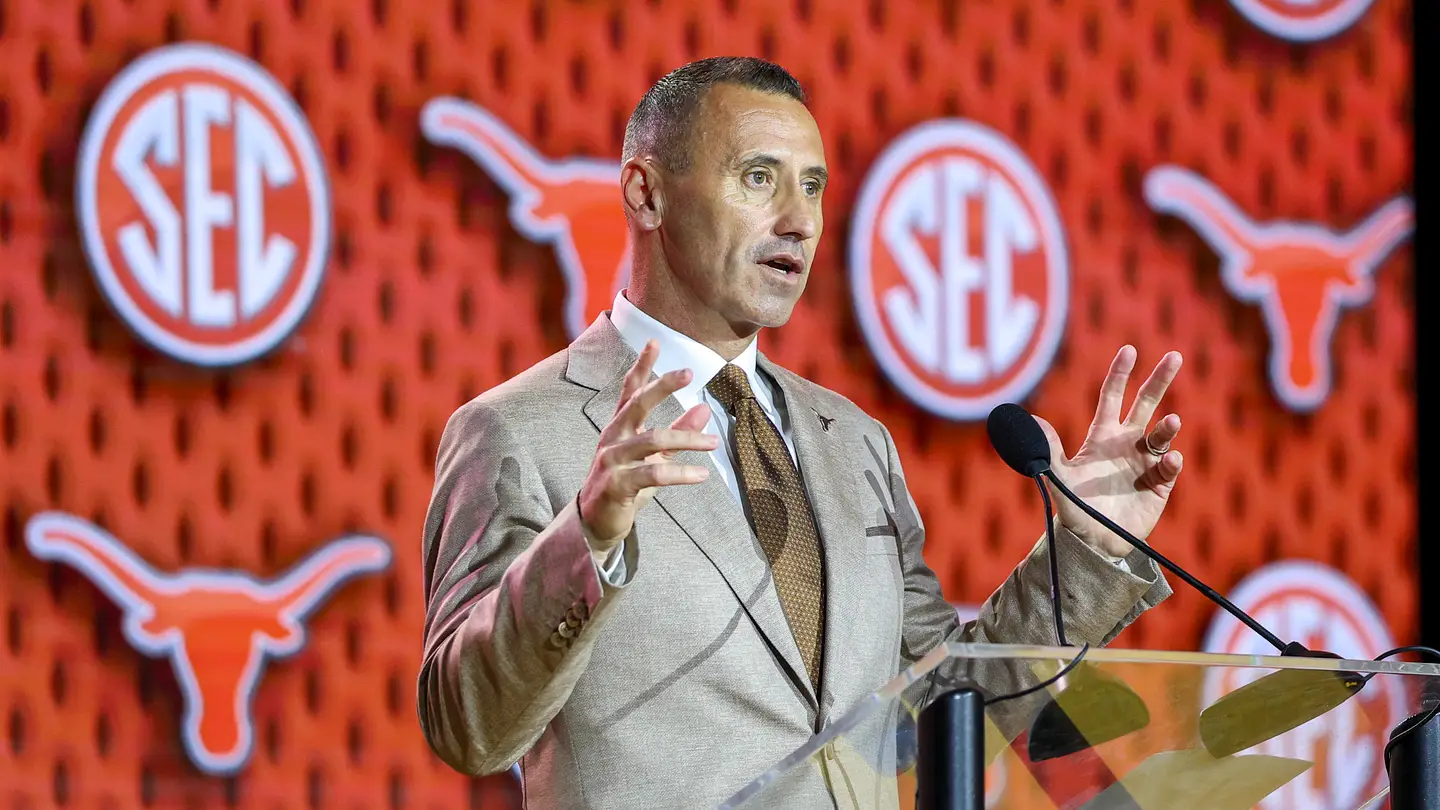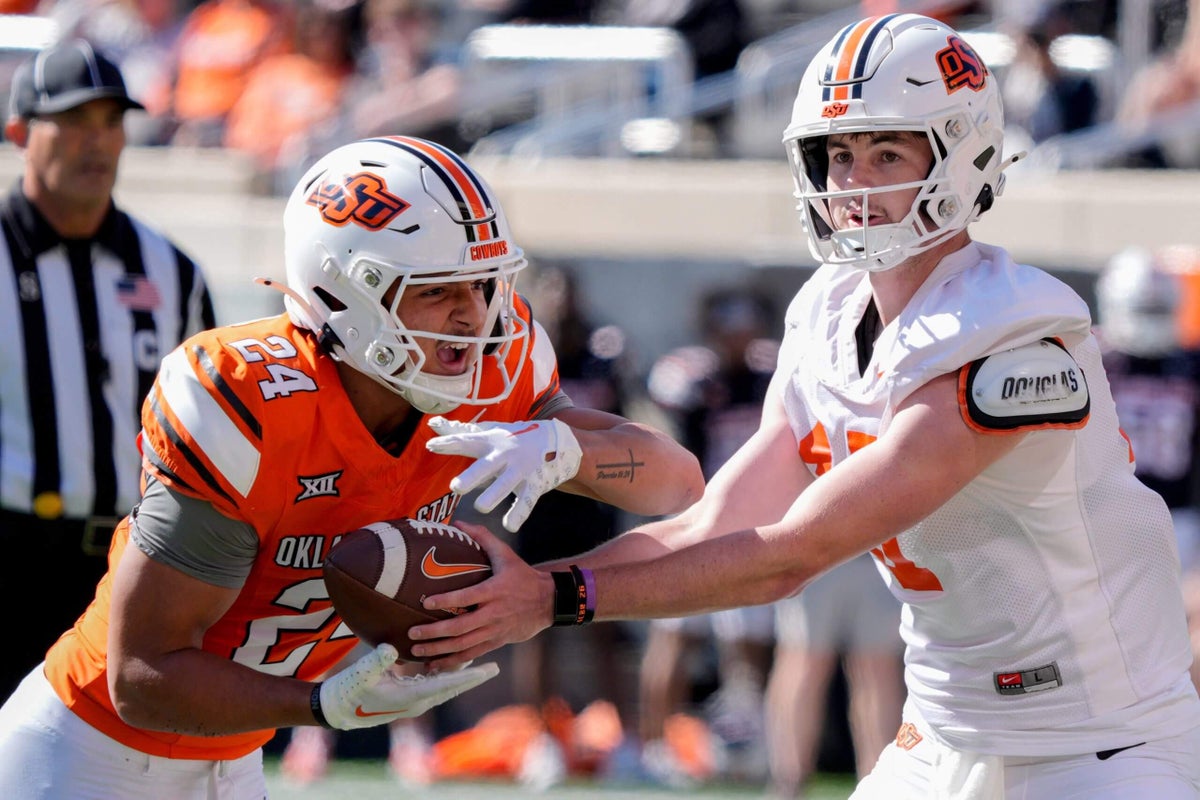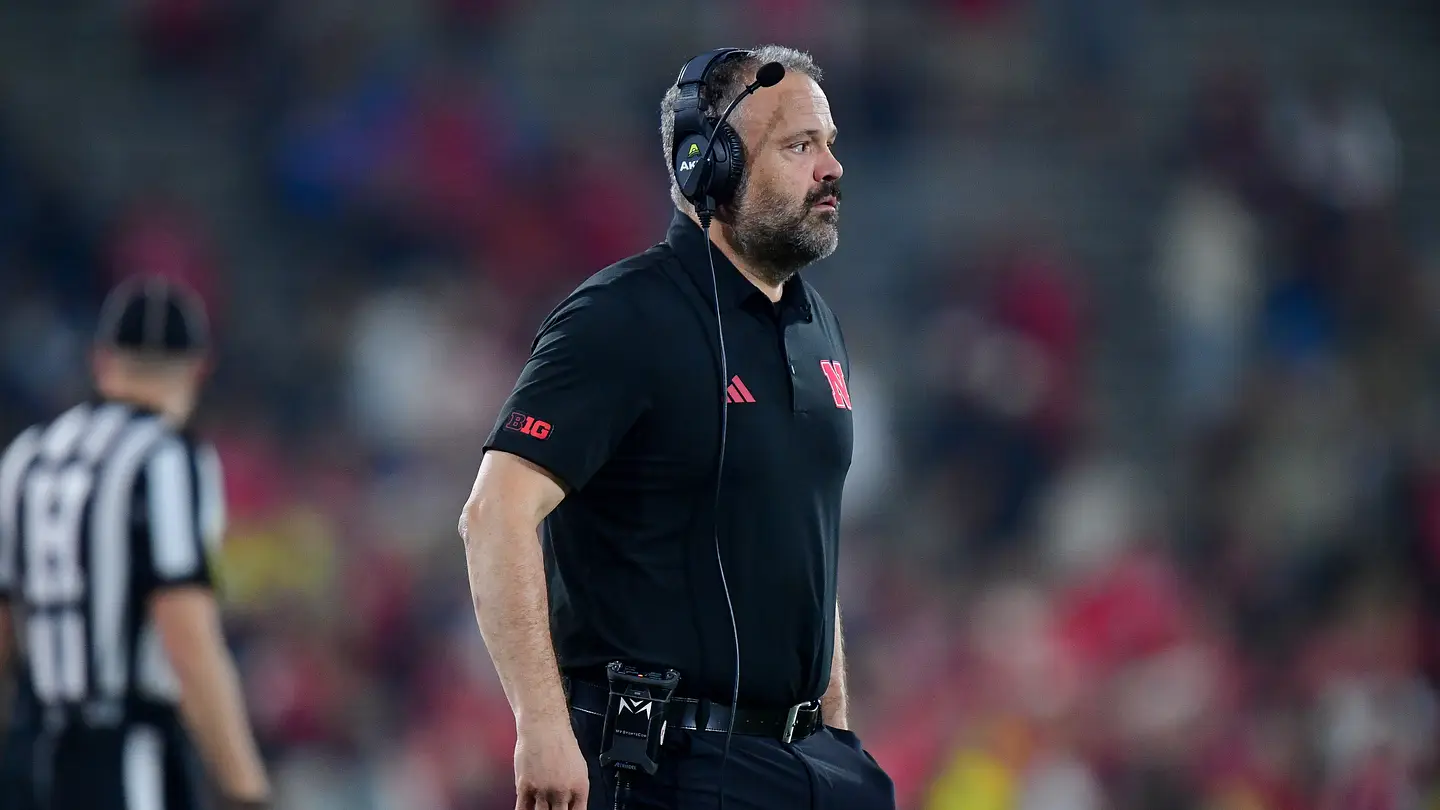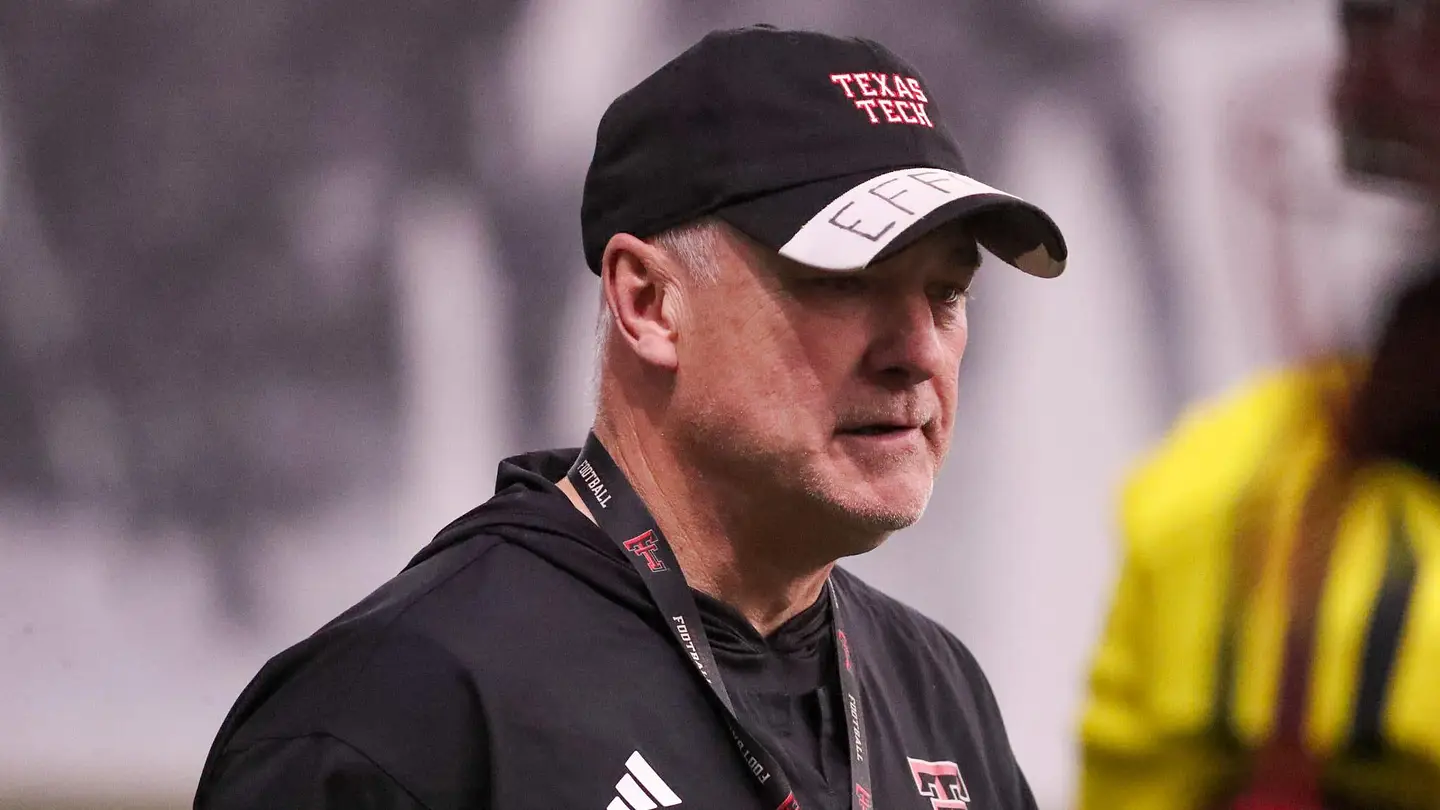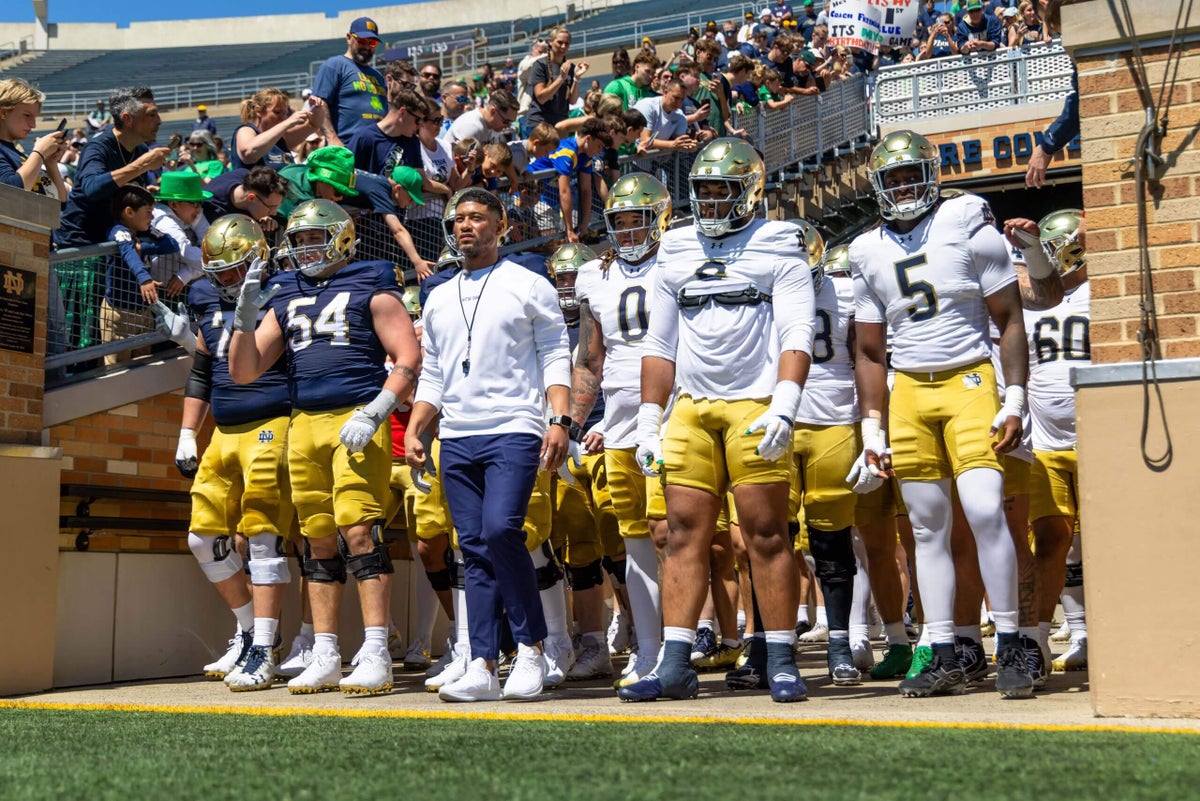
Welcome to the college football Power 4 ambition tiers, where Ohio State has a private chef, Texas owns the building and a handful of programs are avoiding calls from collection agencies.In modern college football, winning requires more than a good coach and a talented quarterback. It takes cash, alignment, facility upgrades and boosters who are willing to treat needs on the defensive line like a national emergency.We divided every program into tiers based on who is rich, who is aggressive, who is merely optimistic and who might need to start checking underneath the stadium seats for loose change. These aren’t predictions for the 2026 season, either. It’s more of a snapshot of each school and a check-in on the vibes around the program.Note: A lot of the financial data cited can be found on the Knight-Newhouse College Athletics Database. Always all in … with big resultsAlabamaPresent: Alabama’s shot at winning its seventh national championship dating back to 2009 largely depends on whether its still-undecided starting quarterback develops into a star and if the team’s running game improves.Future: Kalen DeBoer’s contract was extended through 2033 after rumored interest from Michigan. Alabama’s 2027 recruiting class is surprisingly average, but DeBoer previously signed two top-five classes. He’s too good a coach not to win big in Tuscaloosa.GeorgiaPresent: Kirby Smart’s roster is stacked with stars, including several veterans from the last two SEC championship squads. Winning a third national championship this decade likely comes down to the effectiveness of a new-look receiving corps.Future: The 2026 recruiting cycle marked the first time since 2016 that Georgia didn’t sign a top-four class. But there’s no reason to be worried about talent in Athens. Smart has a contract paying him $13 million per year through 2033, and the school is spending $56 million to expand its football complex by July 2027.Who will win the Heisman Trophy this year?Ralph D. Russo, Sam Khan Jr. and moreLSUPresent: Between buyouts, coaching changes and a roster overhaul, LSU spent nearly $200 million to fix its football and basketball programs. The football team’s 2026 title hopes come down to the health of new quarterback Sam Leavitt, a revamped offensive line and consistency in the secondary.Future: A successful sitting head coach leaves a stable situation because he believes LSU will give him a better opportunity to win a national title. Sound familiar? Brian Kelly didn’t make it through four seasons in Baton Rouge. Kiffin might seem to be a better fit than his predecessor, but the locals will not be happy if he doesn’t win a national title in the next few seasons.MiamiPresent: Mario Cristobal has to replace four starters on the offensive line from last year’s national championship runner-up, but developing that position is his specialty. Miami’s offense should be less turnover-prone and more explosive with Duke transfer Darian Mensah at quarterback.Future: School president Joe Echevarria said recently that The U is “playing for its next (realignment) contract, not for the one we’re in.” He continued, “However the realignments occur, we are going to be invited where the leading one is. They won’t leave us out. We’ll be far too relevant and too big a brand.”MichiganPresent: Kyle Whittingham did a fine job filling immediate needs in the portal, notably with a few of his former Utah players. If offensive coordinator Jason Beck can get former five-star QB Bryce Underwood to live up to expectations, it could be a special first season in Ann Arbor for Utah’s all-time winningest coach.Future: The Wolverines are only three years removed from winning a national championship and have signed top-20 recruiting classes every year since 2018. The program is well-funded and always has talent, but weird stuff won’t stop happening in Ann Arbor. So while the program is one of the sport’s true blue bloods, it’s not wise to assume success at Michigan.Notre DamePresent: The Irish need someone to fill Jeremiyah Love’s shoes in the backfield, but CJ Carr is back at quarterback and the defensive line should be improved. Receiver remains the biggest question mark in the program’s quest to win its first national title since 1988.Future: As long as Marcus Freeman doesn’t leave for the NFL, things shouldn’t change in South Bend. Plus, the Irish have a guaranteed spot in the CFP if they finish in the top 12 of the final ranking. Easy peasy with their schedule.Ohio StatePresent: Jeremiah Smith and Julian Sayin are back to lead one of the best offenses in the country against a really tough schedule. If the portal additions on defense live up to potential and the offensive line is a little more reliable, the Buckeyes will be in a position to make a run at a second national title in three years.Future: Ohio State’s athletic program brought in $336 million in revenue — second-most among all FBS programs — and the Buckeyes spent more on football ($92.3 million) than any other program in terms of total football operating expenses. Ohio State is virtually recession-proof.OregonPresent: The Ducks had to replace both coordinators — who are now Power 4 head coaches — but return arguably the best defensive line and quarterback in the country. If the offensive line finds three new quality starters without a hitch, Oregon should be in the hunt to win its first national championship.Future: Lanning has signed three top-five recruiting classes in a row and has a proven starting quarterback in Dylan Raiola waiting to take over for Moore. Nike co-founder and booster Phil Knight, 88, is also still around.Can Dan Lanning and the Ducks break through and win the program’s first national title? (Ben Lonergan / USA Today Network via Imagn Images)TexasPresent: Arch Manning’s supporting cast was upgraded. If the Longhorns are going to win their first national championship since 2005, it’s because Manning and transfer Cam Coleman have formed college football’s most electric quarterback-receiver tandem.Future: Texas athletics has produced the most revenue of any college for two years running, including $352.5 million in 2025. The Longhorns expect to be elite in every sport — and football is priority No. 1.Big spenders … hoping for resultsAuburnPresent: Tigers fans have had a tough time stomaching five consecutive losing seasons, but new coach Alex Golesh is adept at building offenses — and he brought a bunch of his guys with him from South Florida to expedite the rebuild. The question is on the other side of the ball, where coordinator DJ Durkin, a holdover from the previous staff, has some key personnel to replace.Future: Auburn is 1-12 in its last 13 one-score games, so with a little bit of luck, the Tigers might be in position for a quick turnaround. Golesh is doing a stellar job so far on the recruiting trail, but talent acquisition is rarely a problem for this program. Being normal is. Can Golesh solve that?FloridaPresent: New coach Jon Sumrall inherited future NFL playmakers at running back and receiver from Billy Napier’s staff. How much Florida improves in 2026 will depend on the play of the new quarterback — either Georgia Tech transfer Aaron Philo or holdover Tramell Jones —after the underwhelming DJ Lagway era.Future: School officials unveiled plans recently for a $1.45 billion overhaul of Ben Hill Griffin Stadium to be completed by 2030. It shouldn’t take Sumrall that long to make the Gators worth watching again.OklahomaPresent: The Sooners brought in help at receiver, tight end and on the offensive line to assist quarterback John Mateer in improving an offense that ranked 79th in scoring in 2025. If those newcomers deliver and a retooled defense plays well — as expected — OU could make a run at its first national championship since 2000.Future: Oklahoma has failed to win eight games only twice this century, both times under current coach Brent Venables. So while everything appears to be in place — OU ranked 12th in football operating expenditures ($63 million) in 2025 — it’s fair to question whether Venables is the right coach.Penn StatePresent: Penn State imported a Big 12 coach (and a Big 12 roster) to try to win the Big Ten. Matt Campbell was really good at his job at Iowa State, but expectations in Happy Valley dwarf what he dealt with in Ames. On paper, the Nittany Lions aren’t good enough yet to win big in 2026. But Campbell made a habit of exceeding expectations at Iowa State.Future: Can Campbell eventually lead the Nittany Lions to where James Franklin couldn’t? Maybe. Penn State hasn’t slowed down spending big on football — the Beaver Stadium renovation will cost around $700 million — in its quest to win its first national championship since 1986.TennesseePresent: The Vols were not able to lure a veteran quarterback via the portal, and it’s fair to question whether holdover George MacIntyre or incoming freshman Faizon Brandon will be good enough to survive a brutal SEC schedule that includes Texas, Alabama, LSU and Texas A&M. Still, Josh Heupel has managed to win at least eight games each of the last four seasons, and he made the CFP in 2024.Future: Neyland Stadium’s $337 million renovation is supposed to be completed by the end of this summer, and an additional $280 million will be spent on creating an entertainment district near the stadium by the end of 2028. Investing in the football product never slows down in Knoxville, win or lose.Texas A&MPresent: The Aggies brought in 11 transfers who started at their previous stops, including four offensive linemen from other SEC schools, and they lost only one 2025 starter to the portal. The big questions: Can quarterback Marcel Reed bounce back from his late-season fade, and will the team’s new coordinators be as good as their predecessors?Future: The Aggies have burned us in the past — most recently after signing the highest-rated recruiting class ever in the 2022 cycle — but few programs appear to be in better shape for the next decade. Mike Elko, who guided A&M to its first CFP last season, is proving to be an elite head coach, and he is poised to sign the nation’s No. 1 recruiting class — a group that currently includes six five-star prospects.USC is 35-18 in four seasons since Lincoln Riley joined the Trojans from Oklahoma. (Luke Hales / Getty Images)USCPresent: Quarterback Jayden Maiava is back with an experienced offensive line and an influx of young talent at receiver from the No. 1 recruiting class. What we don’t know: Can new defensive coordinator Gary Patterson turn the Trojans into an elite group on that side of the ball?Future: USC has been recruiting — and spending — at an elite level since the arrival of GM Chad Bowden, but at some point, coach Lincoln Riley needs to break through and take the Trojans to the CFP. Surprisingly, this program has not won a league title since the Pac-12 in 2017.WashingtonPresent: Quarterback Demond Williams tried to leave for LSU but was essentially forced to return because he had already signed a revenue-sharing deal with Washington, creating one of the more awkward situations in the sport. The Huskies lost quite a bit of star power around Williams, but at least they have one of the best offensive lines in the country, on paper. The defense should be solid under coordinator Ryan Walters.Future: Jedd Fisch’s approach thus far has been investing in high school recruits over high-priced free agents (only one transfer starter came over from a P4 program). The Huskies — who are not yet receiving a full Big Ten revenue share ($46.7 million instead of $76 million for fully vested schools) because they joined under a phased-in distribution model — have signed top-25 recruiting classes in the last two cycles and rank in the top 25 in 2027.New moneyBYUPresent: The Cougars filled most of their immediate needs in the portal and have two key frontline pieces back on offense in quarterback Bear Bachmeier and running back LJ Martin — the 2025 Big 12 Offensive Player of the Year — to contend for the league title. The receiver position is the biggest question mark.Future: With Kalani Sitake pledging his allegiance to his alma mater after flirting with Penn State and elite QB recruit Ryder Lyons arriving in 2027 to — at some point — take over for Bachmeier, BYU’s football future in a middling Big 12 is looking as warm and gooey as a fresh box of Crumbl Cookies.IndianaPresent: Curt Cignetti had another stellar offseason in the portal and retained his coordinators. Repeating as national champions, though, largely depends on whether new quarterback Josh Hoover can perform at the same Heisman level Fernando Mendoza did.Future: Cignetti, who had his contract extended through 2033, just signed Indiana’s best recruiting class in the last 15 years and recently landed a five-star commitment in the ’27 class. The school’s president said in October that they’re committed to investing to “compete at a championship level.”Ole MissPresent: Pete Golding added some dudes on defense through the portal, including four former starters in the secondary, two at linebacker and one at nose tackle. The question in Oxford is what the Trinidad Chambliss-led offense will look like without Lane Kiffin and Charlie Weis Jr. around to call the plays.Future: Kiffin’s departure might have been a blow to the Rebels’ collective ego, but the school’s boosters — led by the Grove Collective — might be even more inspired to spend to beat Kiffin and LSU than before the team’s run to the national semifinals last season. Golding, however, will have to prove he can be the CEO of an SEC program.SMUPresent: An influx of additions will team with veteran quarterback Kevin Jennings, who hopes to lead the Mustangs back to the CFP. For that to happen, SMU must improve dramatically on defense after ranking 135th nationally in passing defense in 2025.Future: SMU gave up nine years’ worth of media-rights revenue to get into the ACC because it had a war chest of money provided by rich boosters. Then, the Mustangs advanced to the CFP in their first year in the ACC and kept their coach from bolting to the SEC. This is far from a one-hit wonder.Texas TechPresent: The defending Big 12 champions retained their coordinators and addressed their offseason needs via the portal, but they dropped the ball with quarterback Brendan Sorsby. If Will Hammond proves a capable replacement — and is healthy in time for the meat of the schedule — the Red Raiders should be back in contention.Future: Mega booster Cody Campbell is willing to spend as much as necessary to keep Texas Tech in the hunt. Also, have you seen the rest of the Big 12? The Red Raiders, the new villains of college football (and other sports), are not going anywhere.Big brands with big questionsClemsonPresent: Dabo Swinney is coming off a head-scratching 7-6 season despite having nine players selected in the NFL Draft — tied for fourth-most. This year’s team has more personnel issues than that one.Future: The Tigers haven’t been kicked out of the ACC’s heavyweight division yet, but there are signs Swinney’s kingdom is beginning to crumble. When you look at its portal class, it’s clear that Clemson still is not spending enough on its roster, and the 2026 recruiting class was ranked a rather ordinary 21st in the 247Sports Composite.Florida StatePresent: It’s never a good sign when the spring fundraising tour with the head coach is canceled. The Seminoles were unable to attract one of the top transfer QBs and will head into the season with Ashton Daniels as the starter. He had some nice moments at Auburn last year, but the track record, dating back to his time at Stanford, isn’t great.Future: School leaders spent big on stadium renovations and facilities, but it’s evident boosters aren’t happy with coach Mike Norvell, who is 7-17 since winning the ACC title in 2023. His contract runs through 2031, and his buyout at the end of the 2026 season is north of $45 million. FSU’s 2027 recruiting class, meanwhile, is on pace to be its worst in the modern era.NebraskaPresent: Matt Rhule, 19-19 in three seasons, needs a breakthrough in Lincoln. That will have to come without Dylan Raiola, the five-star quarterback recruit who is now at Oregon. If Anthony Colandrea, the 2025 Mountain West Offensive Player of the Year while at UNLV, proves to be a suitable replacement, winning eight games is a possibility.Future: The “Big Red Rebuild” of 103-year-old Memorial Stadium will cost $600 million and won’t be completed until the start of the 2028 season. If Rhule is still winning only six or seven games by then, someone else will be in charge of the program.North CarolinaPresent: The first year of the Bill Belichick era did not go well — to put it kindly. Now, Belichick is bringing in 40 freshmen and 19 transfers (only one of whom started for a P4 team in 2025) to get things going in Chapel Hill. Oh, Bobby Petrino is the new offensive coordinator. What could go wrong?Future: It’s hard to know how invested Belichick, 74, is in seeing things through at UNC if things don’t change for the better after 2026. The inevitable departure of GM Mike Lombardi, who failed to show he could evaluate talent at the collegiate level, could be a blessing in disguise.The Bill Belichick experiment is not going well at North Carolina. (William Howard / Imagn Images)WisconsinPresent: Luke Fickell went 4-8 in 2025 to drop his record to 17-21 in three seasons at Wisconsin. The Badgers were able to sign five transfers who started at other P4 schools in 2025 — and that doesn’t include quarterback Colton Joseph, the 2025 Sun Belt Offensive Player of the Year at Old Dominion. If Joseph plays up to expectations, the Badgers should eclipse the team’s over/under 6.5-win mark and become bowl-eligible for the first time in three years.Future: Attendance is slipping in Madison, which is never a good sign for the head coach. If you’re wondering, Fickell’s buyout at the end of the 2026 season is roughly $19 million. But if things go south, again, the school will have no choice but to make a move.‘Big 2’ money with big dreamsArkansasPresent: Ryan Silverfield went 50-25 at Memphis and hired Gaizka Crowley, a smart general manager with a strong track record at Arizona. It’s a heavy lift for both. The Razorbacks went winless in the SEC in 2025 and will rely on a large transfer class in Year 1 of the new regime.Future: The Hogs spent $57.3 million on football operations in 2025 (18th among public schools) and were unable to hire SMU’s coach, who is an Arkansas native. Not great.IowaPresent: Kirk Ferentz still has to decide whether Hank Brown or Jeremy Hecklinski will replace Mark Gronowski as the starting quarterback. Iowa usually doesn’t struggle to find linemen, but it has to replace three NFL Draft picks on the O-line.Future: The Hawkeyes added seven transfers who started for their previous teams in 2025. Only one is coming from the FBS ranks, which should tell you all you need to know about their NIL budget. Still, Iowa is a stable, winning, NFL-producing program under Ferentz. Nothing wrong with that.KentuckyPresent: Kentucky spent $37 million, the third-highest buyout in college football history for a coach, to offload Mark Stoops and then proceeded to funnel cash Will Stein’s way to help him land a top-10 transfer portal class. There was a recent hiccup, however, when GM Pat Biondo — who followed Stein from Oregon — stepped down.Future: After witnessing basketball-crazy Indiana go from Big Ten cellar dweller to national champion, expectations have changed in Lexington. New athletic director J Batt recently said, “Football is really, really important to the ultimate revenue-driving that we are going to do here.”Michigan StatePresent: Since going 11-2 under Mel Tucker in 2021, the Spartans have averaged 4.5 wins over the last four seasons. Michigan State lost seven starters to other P4 programs amid the coaching change. New coach Pat Fitzgerald and general manager Bryan Gasser have a lot of work ahead of them to make this program relevant again in the Big Ten.Future: In the last four years, Michigan State has had three football coaches, three athletic directors and three presidents. The vibes aren’t great in East Lansing.Mississippi StatePresent: Offensive guru Jeff Lebby enters his third season in Starkville with an exciting second-year quarterback in Kamario Taylor. But Lebby needs some other young pieces to pan out for the Bulldogs to finish better than .500 for the first time since Mike Leach’s final season in 2022. The hope is that new DC Zach Arnett, Mississippi State’s head coach in 2023, can fix the defense in his return to Starkville.Future: Mississippi State spent $37.6 million on football operating expenses in 2025, the lowest figure among the 15 public SEC schools (Vanderbilt, a private school, doesn’t have to release its numbers). The Bulldogs have proven they can be competitive in the SEC, but they have yet to do so in the era of player compensation.MissouriPresent: Eli Drinkwitz hired a new offensive coordinator and quarterbacks coach, signed a quarterback in the portal (Austin Simmons from Ole Miss) who was supposed to start for an SEC rival last year if not for injury and added six other starters from Power 4 rosters. On defense, the Tigers must replace 11 starters from a unit that ranked third in the league in points allowed per game (18.9).Future: Missouri is no longer an afterthought in the SEC, but the Tigers also haven’t reached the top yet. A $250 million stadium renovation project, meanwhile, should be completed by October. They’re acting like a program that wants to compete at the highest level.South CarolinaPresent: The Gamecocks offensive line received a much-needed makeover via the portal to help quarterback LaNorris Sellers, who spent most of last season’s 4-8 campaign under duress. But coach Shane Beamer has more issues to address. He lost quite a bit on defense, and star edge rusher Dylan Stewart needs others around him to develop and deliver.Future: A three-phase, $350 million renovation project at Williams-Brice Stadium is supposed to be completed by 2028. Whether Beamer is still coaching the Gamecocks by then remains to be seen, but whoever is in charge will have resources to back them.Times are changing … we have money!Oklahoma StatePresent: New coach Eric Morris could challenge for the Big 12 championship if the 87 new players, including the 17 transfers he brought over with him from North Texas, make a smooth transition to the Big 12. But this feels more like a two-year turnaround — with a return to bowl eligibility in 2026 — than a miraculous leap from 1-11 to the CFP.Future: The Cowboys essentially traded nostalgia for a rocket-powered offense. It appears there is enough NIL gas money for Morris to fuel at least a lift-off.VanderbiltPresent: Life after Diego Pavia begins for the Commodores, who won 17 games over the last two seasons. Jared Curtis, a five-star recruit from Nashville, is the favorite to take over, and he will be operating behind a rebuilt offensive line. The defense should be improved, but we might soon realize just how instrumental Pavia was to Vanderbilt’s success.Future: For the first time … maybe ever, there is true alignment at Vanderbilt. Does that mean consistent 10-win seasons? No, but the Commodores should remain relevant.Virginia TechPresent: The Hokies figure to be much improved after winning only three games in 2025, but 2026 feels more like a foundational year of change than a quick, storybook turnaround.Future: The money is now flowing in Blacksburg. Virginia Tech received a school-record $75 million commitment this month, most of it directed at athletics as part of the Invest to Win initiative. That comes on the heels of a $229 million addition to the athletic budget last September. James Franklin will soon run out of things to complain about (Who are we kidding?).UCLAPresent: The Bruins have suffered through back-to-back losing seasons since Chip Kelly left, but new coach Bob Chesney has brought optimism back to Westwood — along with a bunch of former James Madison players. If Nico Iamaleava plays well as a senior — after an underrated junior year — the Bruins should top the 6.5 over/under win mark set on BetMGM.Future: Could UCLA be the next Indiana? Chesney and his staff did solid work in the portal and have followed it up with some valuable recruiting wins in the 2027 class. If Chesney wins games, UCLA’s long-running financial issues in the athletic department could finally be put in the rear-view mirror.‘Other 2’ but with big dreamsArizona StatePresent: Arizona State made some nice moves in the portal, but it lost its quarterback, leading rusher, left tackle and a starting cornerback to other Power 4 teams. Are the Sun Devils going to be as good as the CFP team Dillingham had two years ago? Probably not.Future: The good news in Tempe is that Dillingham, an alumnus, didn’t leave for Michigan, and he not only earned himself a raise but also increased the staff salary pool to $11 million, making it among the leaders in the Big 12. There’s also a $55 million indoor practice facility on the way.LouisvillePresent: The Cardinals kept star tailback Isaac Brown from leaving while restocking the shelves, as usual, through the portal. The difference this year is that coach Jeff Brohm signed an inexperienced backup in Lincoln Kienholz (Ohio State) to take over at quarterback instead of a former starter.Future: Brohm has raised the floor and turned the Cardinals into a steady ACC contender. He’s signed through the 2033 season. Still, the athletic department’s budget is running $30 million short and is exploring “external financing options.”TCUPresent: Sonny Dykes, four years removed from playing for a national championship, signed former Harvard starting quarterback Jaden Craig to take over for Josh Hoover (Indiana) and will run a more traditional, physical ball-control offense in 2026. Changing his program’s offensive identity could blow up in Dykes’ face. Or, he could look like a genius and take the Frogs back to the Playoff.Future: Many pointed to TCU as a program that was well-positioned to take command in the Big 12 following the departures of Oklahoma and Texas. But the Frogs are just 11-7 in the league in the last two seasons, tying for fifth in 2023 and tying for seventh in 2024. If you’re looking for a snapshot of TCU’s NIL budget, none of the five incoming transfers who started at their previous schools came from the Power 4 ranks.UtahPresent: The Morgan Scalley era kicked off with four Utah starters following former coach Kyle Whittingham to Michigan, and a fifth, safety Tao Johnson, bolting for UCLA. All five starters on a very good offensive line need to be replaced, too. But at least quarterback Devon Dampier is still around, and he’s got a couple of new receivers from the Mountain West.Future: None of the five former starters Utah signed in the portal played at P4 programs. It was the same story last offseason. Scalley is going to have to hire the right people, find hidden gems off other rosters and recruit his butt off — just like Whittingham did for two-plus decades.Fighting chance … We’re trying, but we aren’t flush with cashArizonaPresent: Quarterback Noah Fifita, a first-team All-Big 12 pick in 2025, is back, but the Wildcats must replace four NFL Draft picks from the secondary. They did add six transfers who started at their previous schools, but five are from Group of 6 programs.Future: Brent Brennan’s contract runs through 2030, and defensive coordinator Danny Gonzales has a good thing brewing in the desert. But it’s hard to build a consistent winner on a budget. Arizona spent $39.8 million in football operating expenses in 2025 — $17 million less than rival Arizona State.CaliforniaPresent: GM Ron Rivera hired Tosh Lupoi, a Cal alum, and together they kept budding star quarterback Jaron-Keawe Sagapolutele from entering the portal while building a pretty good offense around him. The problem is that Cal did lose some talent to the portal and is young and inexperienced along the defensive front seven.Future: Cal’s travel costs rose while its media-rights revenue fell, and the athletic department is operating under some financial pressure with its move to the ACC. It’s going to take Lupoi’s recruiting chops and Rivera’s leadership to keep things going in the right direction.Jaron-Keawe Sagapolutele’s performance on the field and his decision to return for his sophomore season have given Cal fans reason to believe. (Darren Yamashita / Imagn Images)ColoradoPresent: The Buffaloes signed 16 starters from other FBS rosters, including a receiver and a linebacker from Texas, a cornerback from Vanderbilt and offensive linemen from Houston, Rutgers and California. But they also lost seven starters to the portal, most notably the best available left tackle in Jordan Seaton (LSU).Future: Deion Sanders, thankfully now cancer-free, achieved his goal of getting Colorado back on the map with a 9-4 season and Heisman winner in 2024, but ticket sales were down in 2025, and the momentum in Boulder has been lost while athletic department bills keep piling up.DukePresent: The defending ACC champions lost their star quarterback and receiver to a conference rival and scrambled to find a graduate transfer from San Jose State to fill the opening at the sport’s most important position. We’re probably not going to see the Blue Devils back in Charlotte, and it’s more likely they’re a borderline bowl team this fall.Future: In April, Manny Diaz agreed to a contract extension through 2031, a good sign if you’re a Duke fan in search of some coaching stability. But when the best players on your team leave for a rival school — just a month after you’ve won a league championship — it’s confidence-shaking and makes it feel as though your program has a ceiling.Georgia TechPresent: Brent Key signed Alberto Mendoza, the younger brother of the Heisman winner, to be his quarterback, and the Yellow Jackets also picked up one of the Big Ten’s best running backs last season — before injury — in Justice Haynes from Michigan. The retooled offense won’t skip a beat if both of those players pan out. But it still doesn’t change the fact that the team finished 10th in the ACC last season in scoring defense and has holes to fill on that side of the ball.Future: Key is 27-19 at Georgia Tech, including 7-1 against ranked ACC opponents, which is why his contract was extended through 2030 last December. This still feels like a program that will have to overachieve to flirt with the College Football Playoff every few seasons.HoustonPresent: Willie Fritz has quickly turned the Cougars into Big 12 championship contenders, and the team filled some big needs on the offensive line via the portal. Fritz’s biggest concern is depth on defense.Future: Fritz kept the No. 1 prospect in the 2026 cycle, quarterback Keisean Henderson, home and has done a fine job overall on the recruiting trail. The question now is whether Houston will spend enough to make winning sustainable. Only one of the eight former starters added via the portal came from another P4 program.IllinoisPresent: If East Carolina transfer Katin Houser proves capable of taking over for Luke Altmyer at quarterback, the Illini should post a winning record for the fourth time in the last five years under Bret Bielema. There’s a lot of turnover on defense, including the coaching staff, which could prevent Illinois from hitting the over for wins (7.5).Future: Bielema’s contract runs through 2031, and he earns $7.8 million a season — in the top 20 nationally. But if you’re keeping score at home, the Illini lost three starters to other P4 programs and didn’t bring in any former P4 starters this offseason.Kansas StatePresent: The Wildcats won at least eight games five times from 2019 to 2024 before last year’s 6-6 slide ended with Chris Klieman’s retirement and former K-State quarterback Collin Klein returning to take over. Klein was able to keep quite a few valuable players around, including quarterback Avery Johnson, but six starters left for other P4 programs.Future: K-State spent $27.7 million in football operating expenses in 2025 — only Houston among public Power 4 schools spent less. Klein needs to overachieve and recruit efficiently like his predecessor, Klieman, and his former coach, Bill Snyder.MinnesotaPresent: If quarterback Drake Lindsey takes the next step, this might become one of PJ Fleck’s best teams at Minnesota. Big Ten sack leader Anthony Smith is back, and some holes were filled via the portal.Future: Fleck, who is being paid $7.9 million a season through 2030, kept most of the players he wanted but still lost star safety and in-state product Koi Perich to Big Ten rival Oregon. It’s hard to envision a scenario in which Minnesota climbs to the next level if those things are still happening, despite Minnesota routinely fielding successful teams.NC StatePresent: CJ Bailey is one of the most polished quarterbacks in the ACC, but the Wolfpack lost the team’s leading rusher, top two receivers and starting left tackle to the portal. The defense wasn’t very good in 2025. The good news: The Pack doesn’t play Miami or SMU in 2026.Future: Dave Doeren is entering Year 14 at NC State and is signed through 2029. Few programs have more stability, but there isn’t a war chest of resources to restock the shelves when players leave. The Pack seem to have a high floor and a low ceiling.VirginiaPresent: Tony Elliott figured things out in Charlottesville last season with a school-record 11 wins but didn’t land the dismount (Virginia lost in the ACC Championship Game). Now, he and his staff need to prove they can reliably on players in the portal after another offseason of significant roster turnover.Future: The Cavs are leaning into the portal once again, signing 30 transfers in the offseason. Of the 12 who started at their previous stops, only four played at the Power 4 level last year — including quarterback Beau Pribula (Missouri). High school recruiting continues to be uninspiring. Their 2026 class ranked 99th nationally and included only 14 players. So far in the 2027 cycle, they have 15 commitments and rank 70th.Treading waterBaylorPresent: Since winning the Big 12 in 2021, the Bears have had only one winning season under Dave Aranda, who has a new boss in athletic director Doug McNamee. If quarterback DJ Lagway (a Florida transfer) gets off on the right foot back home in Texas and four defensive line transfers make a big impact, there’s a good chance Aranda will still be the head coach in 2027.Future: Baylor hasn’t signed a top-30 recruiting class since Matt Rhule was in charge in 2018, and the transfer portal scoreboard shows more losses than wins in recent years.CincinnatiPresent: Scott Satterfield has 19 starters to replace from a 7-6 team, but the good news is three starting offensive linemen — including a pair of All-Big 12 selections — are back. The real problem is that the Bearcats lost six starters from last year’s roster to other Power 4 programs.Future: Cincinnati completed a $135 million indoor practice facility last summer and is only five years removed from a trip to the CFP as a Group of 6 school. But it seems like the Bearcats are trying to compete on a budget in the Big 12. The school spent $30.1 million in football operating expenses in 2025 — $20 million less than the P4 median.Iowa StatePresent: Matt Campbell proved Iowa State can consistently win with development, evaluation and continuity, but his exit also exposed how fragile the model can be when a richer program wants the coach and his best players. New coach Jimmy Rogers, who spent one year as the boss at Washington State and two at South Dakota State, brought in nine former starters from the FCS and eight from the FBS to fill gaps. It’s going to be a massive undertaking to maintain Campbell’s standard.Future: Iowa State projects nearly $25 million in annual athletic funding gaps through 2031 as revenue sharing, Big 12 expansion and CFP distribution changes reshape its finances. The Cyclones have responded by shelving $45 million in facility projects, cutting costs and raising donor requirements. You get the picture.MarylandPresent: Mike Locksley is coming off back-to-back 4-8 seasons after winning a total of 23 games from 2021 to ’23. The good news: The Terrapins only lost three starters to other P4 programs, mostly living up to athletic director Jim Smith’s pledge to retain talent. The problem is that the Terrapins are 2-16 in the last two seasons in the Big Ten. There’s plenty to fix.Future: The Terps retained some of their top young players, but it’s hard to see this program ever being a factor in the Big Ten unless a lot of the homegrown recruits become stars soon. During fiscal year 2025, Maryland reported $124 million in revenue, which is $22.64 million below the second-lowest Big Ten public school, Rutgers ($146.64 million).NorthwesternPresent: Quarterback Aiden Chiles is one of four incoming transfers who started at a Power 4 team last season. The Wildcats lost two starters to the portal and 11 others to eligibility. If Chip Kelly’s play calling solves some offensive issues, the Wildcats will likely be a bowl team again.Future: Ryan Field, the program’s new $875 million privately backed stadium, is set to open against Penn State on Oct. 2. But does that mean the football team is going to receive an influx of extra NIL to spend going forward? No. The Wildcats will still need to evaluate well and use the portal efficiently.PittsburghPresent: Pat Narduzzi has failed to win at least six games only twice in 11 seasons at Pitt. His 2025 team is armed with a talented second-year starting quarterback in Mason Heintschel, three returning starters on the defensive line and a couple of new additions at receiver, tight end and on the offensive line to fill gaps. It’s a typical Narduzzi-led Pitt squad.Future: Nothing has really changed at Pitt. Good players like linebacker Rasheem Biles (Texas), receiver Kenny Johnson (Texas Tech) and defensive tackle Francis Brewu (Notre Dame) continue to bolt for bigger paydays at other P4 schools, and Narduzzi finds replacements and does the best he can to stay above water (80-61 overall record).Syracuse has finished with a winning record in just six of the past 24 seasons. (Kevin C. Cox / Getty Images)SyracusePresent: Fran Brown signed a handful of former P4 starters in the portal before he debuted with a 10-3 record in 2024. This offseason — after a disappointing 3-9 record last fall — the headliners of the transfer class were six former G6 starters and former Maryland defensive lineman Dillan Fontus. If QB Steve Angeli stays healthy, there’s no reason the Orange can’t at least be a bowl team again.Future: Brown can recruit, but the Orange have been fighting a losing battle in the retention game. Bryan Blair, the new athletic director, is working with Brown on ways to create extra revenue for use in player compensation.UCFPresent: It’s been a rough transition to the Big 12 for UCF, but Scott Frost signed a solid portal class that included eight players who started at G6 programs in 2026. Alonza Barnett III, who led James Madison to the CFP last season, is the key to improving an offense that ranked 13th in the Big 12 in scoring last season.Future: The new $90 million, four-level Roth Tower at the Acrisure Bounce House debuts this fall and will bring in more revenue for the program. That hasn’t stopped Frost from complaining about the financial imbalance in college football beyond revenue sharing.Wake ForestPresent: Jake Dickert’s first season in Winston-Salem was stellar at 9-4, but he has to replace 10 starters on offense, including three lost to other P4 programs in the portal. If the four offensive line transfer additions — from New Hampshire, Bucknell, Oregon State and Weber State — pan out, the offense, led by North Carolina transfer Gio Lopez, could be better than last year’s unit.Future: Athletic director John Currie told Demon Deacon Digest in January that Wake Forest was “at a significant disadvantage relative to most of the competition that we played in our league,” in terms of roster spending two years ago. Currie later added, “Next year, I look at our schedule, we’ll be less than a couple, we’ll be in range of a couple, and we’ll be ahead of some.”West VirginiaPresent: Rich Rodriguez orchestrated another massive roster flip in Year 2, losing 50 players who transferred out and 32 who ran out of eligibility after a 4-8 season.Future: The Mountaineers signed 16 players who started at their previous stops in 2025, but only two came from other P4 programs. Rodriguez knows he’ll always be shopping on a budget at WVU but said last October that he can build a Big 12 contender if he gets $10 million in NIL (over the revenue-sharing cap).Behind the 8-ballBoston CollegePresent: Coming off a 2-10 season, Bill O’Brien and the Eagles lost six starters to other Power 4 programs and didn’t sign any transfers who started more than four games at a P4 school in 2025. Getting Trinidad Chambliss-like results from Division II transfer quarterback Mason McKenzie (Saginaw Valley State) would help immensely, but there are a lot of personnel issues on this team.Future: Athletic director Blake James said in December that the Eagles would increase their revenue share allotment to the maximum amount and make significant investments in operational and administrative support for football. But they sure didn’t spend like it on the 2026 roster.KansasPresent: Lance Leipold broke through with nine wins in 2024 but has since gone 5-7 in consecutive seasons. Former Syracuse running back Yasin Willis is the only incoming transfer who started at a Power 4 program last season. The team also signed only one blue-chip recruit in its 2026 class: four-star offensive tackle Kaden Snyder.Future: Kansas received a $300 million gift in August 2025 from billionaire booster David Booth, with $75 million allocated for stadium renovation and the rest earmarked to establish an additional revenue stream for KU athletics. We’re still waiting to see how any of it helps bolster the football roster.PurduePresent: Purdue went 12-6 in the Big Ten in Jeff Brohm’s final two seasons but is 3-24 in the three years since. After bringing in 86 new players last season, Barry Odom trimmed the list of new additions to 53 heading into 2025, a sign he’s at least building some level of continuity with his roster.Future: The Boilermakers have had only three winning Big Ten seasons since Joe Tiller retired in 2008. They lost five starters to Power 4 teams in the portal (and added only three) and continue to struggle on the recruiting trail. Not great.RutgersPresent: Greg Schiano needs to pick a starting quarterback, either Boston College transfer Dylan Lonergan or holdover AJ Surace. He also needs newly hired Travis Johansen to fix the defense if the Scarlet Knights are going to avoid missing a bowl game for the second year in a row and third time in the last five years.Future: Schiano has signed top-40 recruiting classes each of the last three cycles but continues to lose starters to other P4 programs in the portal. Rutgers signed five transfers who started at their former schools in 2025; Lonergan was the one who did so at a Power 4 program — and he is not guaranteed to start for the Knights.StanfordPresent: The Cardinal lost only two starters to other P4 programs this offseason and managed to retain eight starters on defense, three on the offensive line and leading rusher Micah Ford. So, there’s a foundation for new coach Tavita Pritchard to work with. But the Cardinal badly need to upgrade at quarterback in the coming years. Davis Warren, last seen struggling at Michigan in 2024, is the favorite to start this fall.Future: Like Cal, Stanford is receiving only a 30 percent share in the ACC’s media-rights deal through 2031. The good news is GM Andrew Luck is beginning to win some recruiting battles and signed a top-40 class in the 2026 cycle.
Is your favorite college football team all in? Treading water? Our Power 4 ambition tiers
Which teams are big spenders and hoping for results? Which ones have big dreams but lack the resources? Which ones are behind the 8-ball?
7,330 words~33 min read