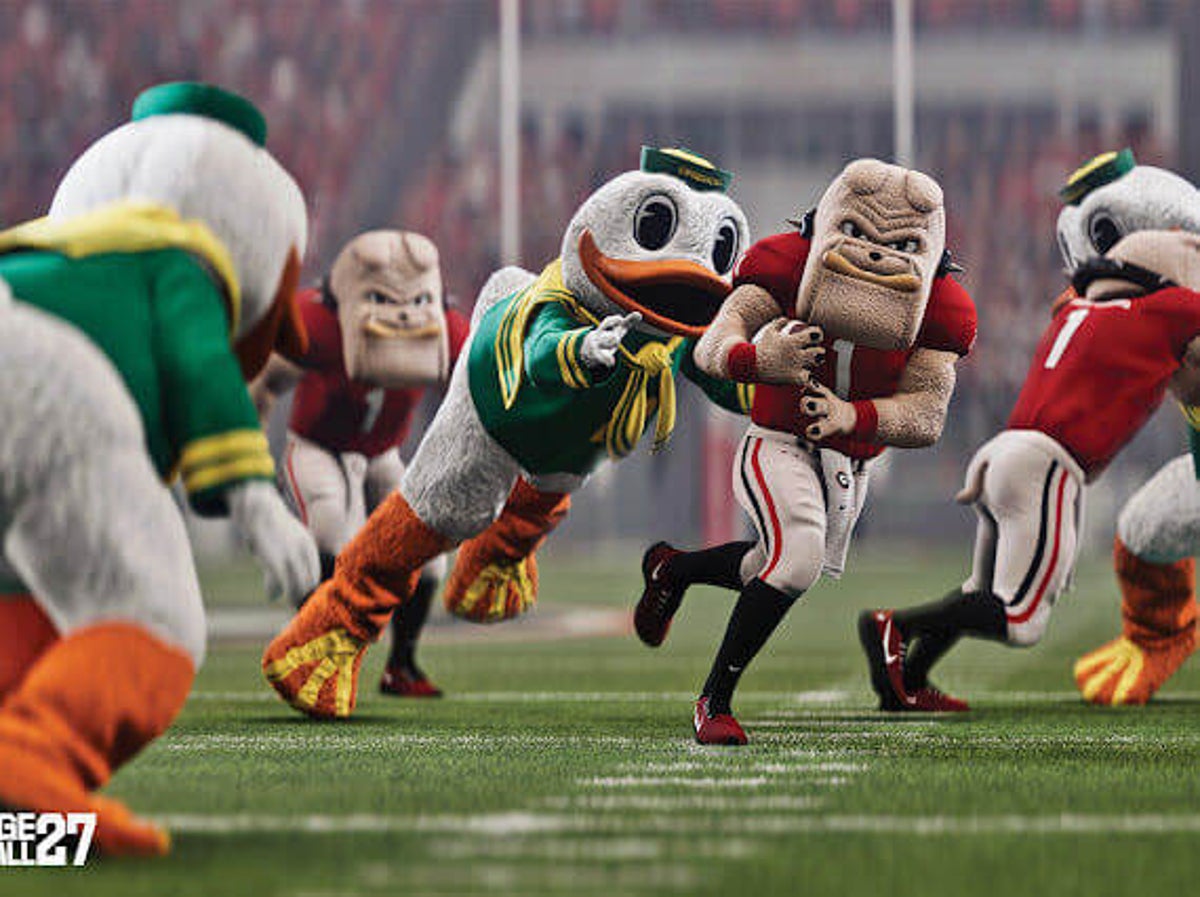
The honeymoon period for EA Sports College Football is over, but you’re not required to read that sentence in a negative way.The game’s return two years ago after a decade out of production was legitimately a life-changing moment. I bought a game console for the first time in more than a decade, and I wasn’t alone. College Football 25 became the highest-selling sports video game ever, in total dollars, as a generation of gamers came back. We were willing to overlook early bugs and flaws because we were just grateful.College Football 27, which came out in mid-July, is a very good video game, from the new gameplay to the addition of name, image and likeness spending. But it’s not perfect. The franchise’s benefit of the doubt has expired by Year 3. Now the question becomes, is an expensive upgrade worth it?As is the case with any annual title, the newness wears off, and minor issues can get blown up into something more, which is why many of the very fun details in this game were overshadowed by one big controversy.In a change that was not revealed until the game’s official release, CFB27 added microtransactions in Dynasty mode (in which you control a coach over multiple seasons) and Road to Glory mode (in which you control a single player over his college career), forcing users to pay to increase the speed of their coach or player’s progression in ability. Gone was the option to simply toggle the progression speed faster. This wasn’t a barrier for new features. This made old features cost something and made the game more of a grind for those who did not want to pay extra. (Microtransactions were already part of the game’s Ultimate Team mode, but that approach matched UT in other games.)The backlash was swift. YouTube creators, including those who had paid partnerships with EA Sports like James Bordeaux, led a social media campaign against the company.It worked, and EA Sports backed down a few days later, removing the Dynasty and RTG microtransactions. Gamers viewed this incident as EA dipping a toe into the water before forcing players into more payments in future games; the line had to be drawn now. They may end up correct, given the dire straits the gaming industry is in.The rise of artificial intelligence has created a massive computer memory shortage, driving up the price of PlayStation 5 and Xbox consoles. Last month, Xbox parent company Microsoft laid off thousands of workers and announced it would sell multiple game studios. PlayStation is going to stop selling game discs. This week, EA completed a go-private acquisition with partners including Saudi Arabia’s PIF, Silver Lake and Jared Kushner’s Affinity Partners, which will saddle the company with debt.Games need to find new ways to make more money. That means they’re more expensive (CFB27’s base price is $69.99, same as last year). That means more in-game advertisements in CFB27, which don’t bother me nearly as much as microtransactions. After all, we’re heading into a college football season where jerseys have sponsorship patches. It’s the world we live in.Was EA Sports’ backdown a lesson learned, or simply a decision deferred? We won’t know until next year’s edition, but this controversy cast a shadow over CFB27’s launch.So, with those microtransactions out thanks to community backlash, is the rest of CFB27 a worthy upgrade now? I’ve included my grades from reviews of previous editions to provide a frame for the ways in which the game has and hasn’t improved in the last two years.Why James Bordeaux started the #CFBPlayDontPay movement against EA SportsPresentationThe visualization has always been the game’s strong point. There’s not much new, but it remains solid. Mascots, traditions, stadiums and other unique college features look great. Gameplay looks a bit crisper, and interceptions are smoother. The Heisman Trophy ceremony is back in the game, too. There are more weather options, including heavy snow and dynamic weather that changes throughout a game.
EA Sports College Football: Selling out, hitting a wall or peaking? How the new game holds up
The franchise’s benefit of the doubt has expired by Year 3. Now the question becomes, is an expensive upgrade worth it?
2,030 words~9 min read