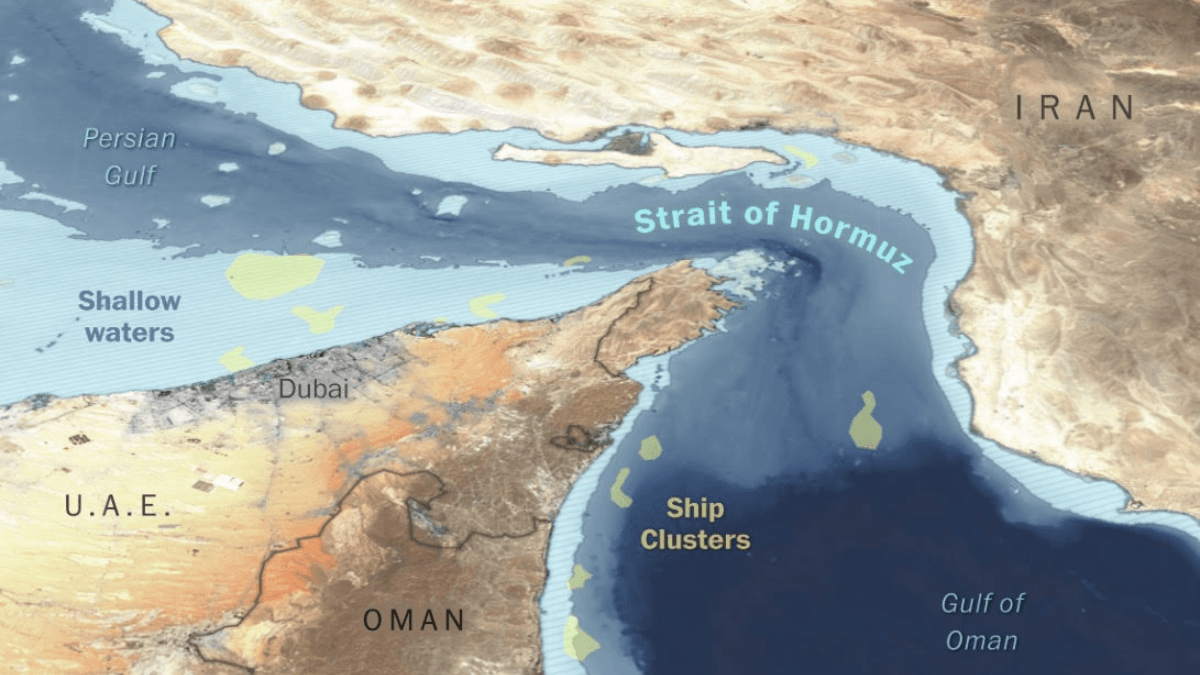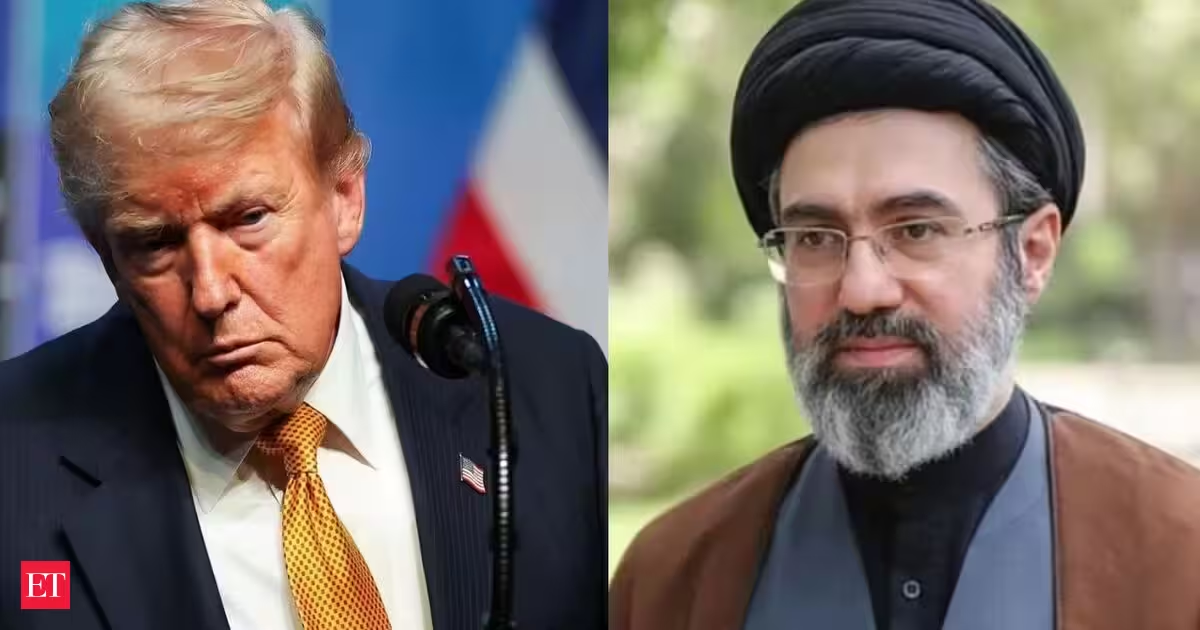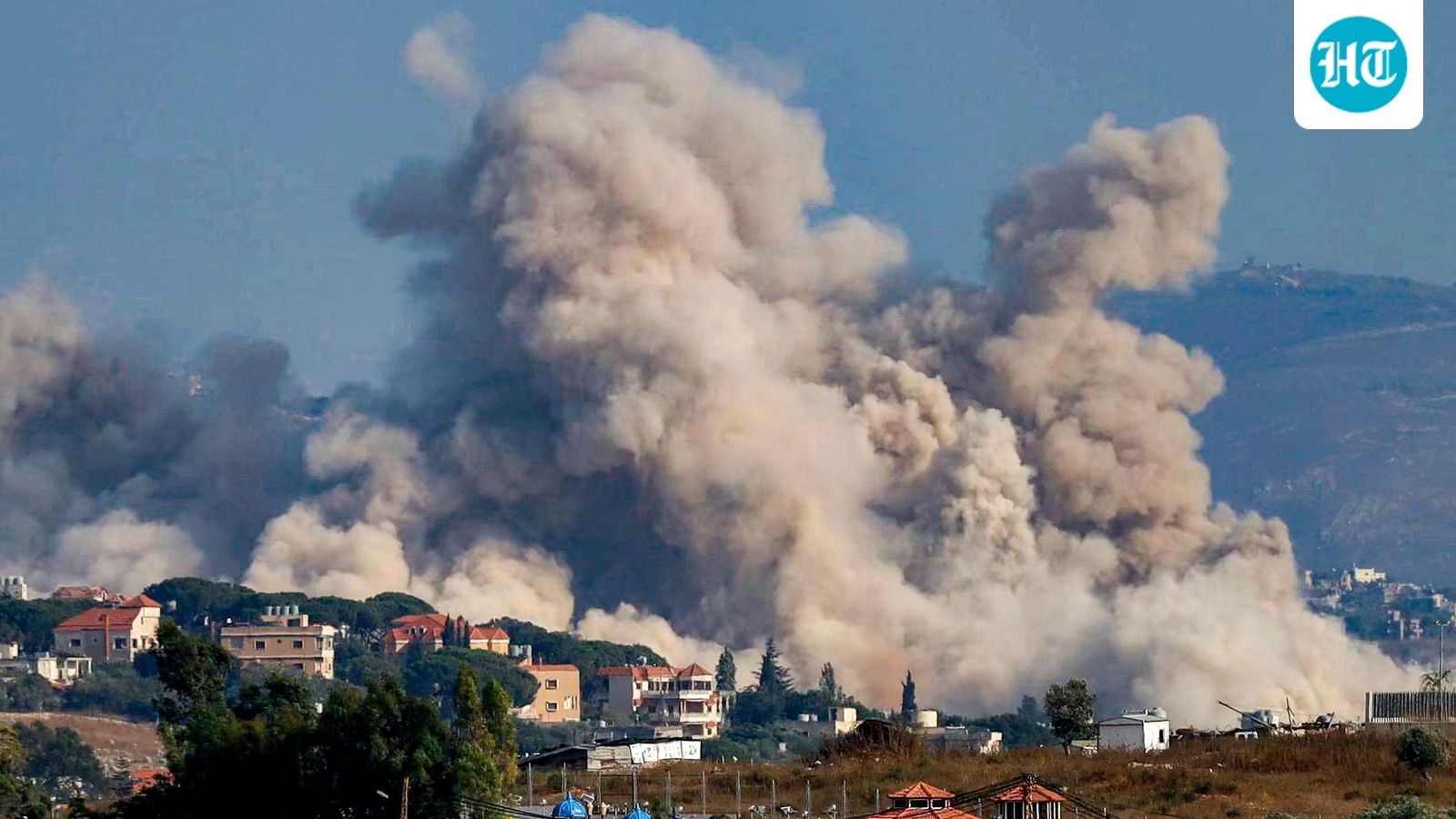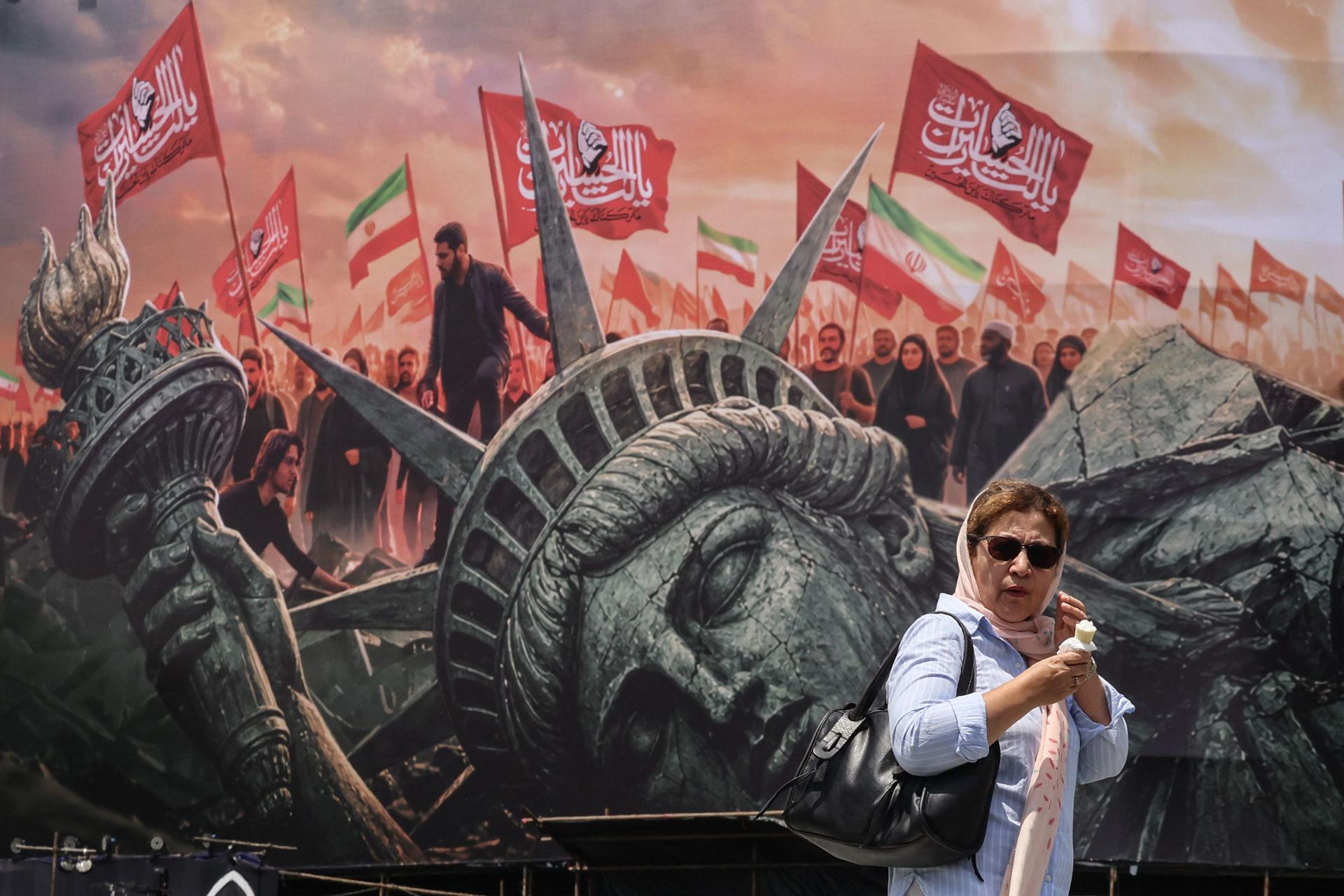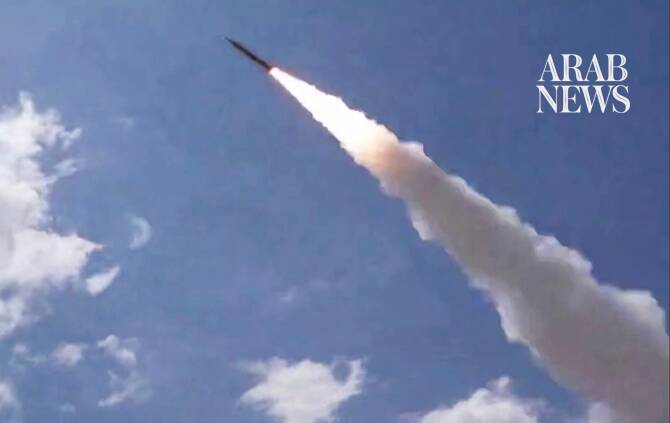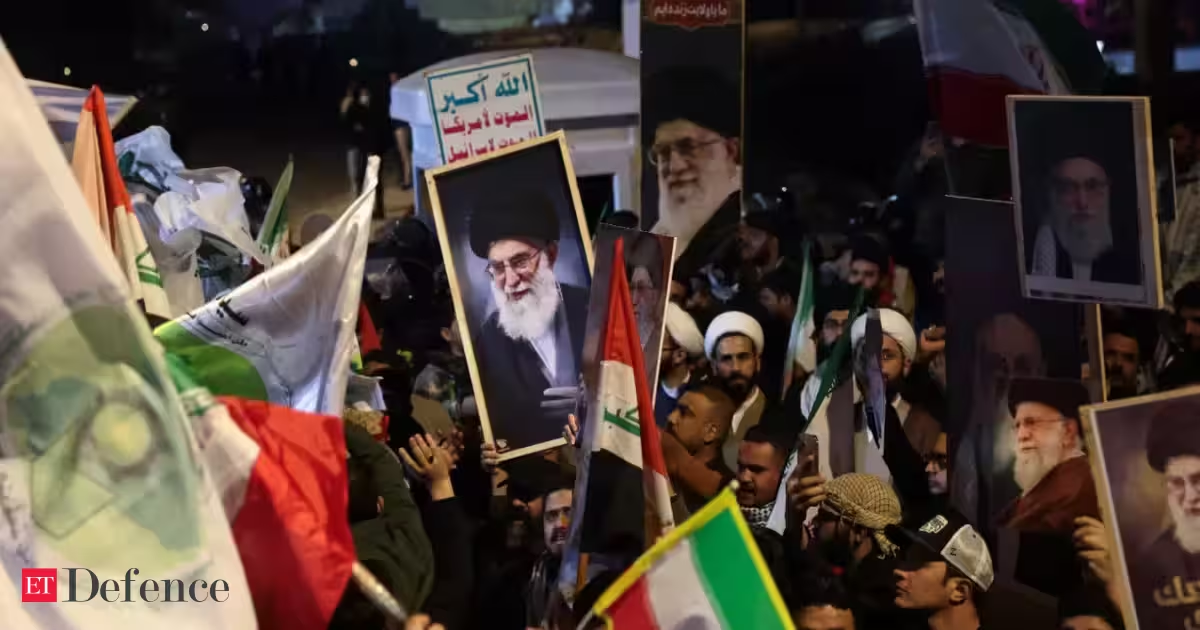
Iran has warned Gulf states that any new U.S. attack on its territory would trigger retaliation against critical energy infrastructure across the region, according to five sources, as Tehran seeks to raise the cost of military action by threatening Washington’s closest regional allies. The warning was delivered through a flurry of high-level diplomatic contacts after U.S. President Donald Trump threatened on July 28, 2026, to strike Iran’s energy network and infrastructure, the sources said.Two senior Iranian officials, two Gulf sources and a senior regional diplomat with knowledge of the discussions said Iranian Foreign Minister Abbas Araghchi spoke with his Saudi, Turkish and Qatari counterparts, as well as Pakistan’s Army chief. All spoke on condition of anonymity because of the sensitivity of the matter.Mr. Araghchi urged Washington’s Gulf allies to use their influence with Mr. Trump to dissuade him from launching renewed strikes, the senior diplomat said, warning that any attack on Iran would prompt retaliation against U.S. assets and energy facilities across the Gulf.His message was consistent in every conversation, the diplomat said: “We’re ready to retaliate, but finding a diplomatic solution is the best way to avoid wider escalation and destruction across the region.”“The Iranian warning was unequivocal: if America targeted Iran’s infrastructure, they would retaliate by striking Gulf energy facilities and other regional targets,” one Gulf source said. The diplomatic manoeuvering underscores how Iran is attempting to use the threat of wider regional destruction as leverage against further U.S. strikes, putting Gulf states that host U.S. military bases and depend on energy exports in a difficult position between Washington and Tehran.Saudi Crown Prince spoke to TrumpSaudi Crown Prince Mohammed bin Salman subsequently spoke with Mr. Trump, urging him to delay military action, return to negotiations, secure a ceasefire and pursue a diplomatic settlement, the senior diplomat and Gulf sources said.
U.S.-Iran war: Tehran threatens to hit Gulf states if Trump launches new strikes
Iran threatens Gulf states with retaliation on energy infrastructure if the U.S. launches new strikes, urging diplomatic solutions.
808 words~4 min read