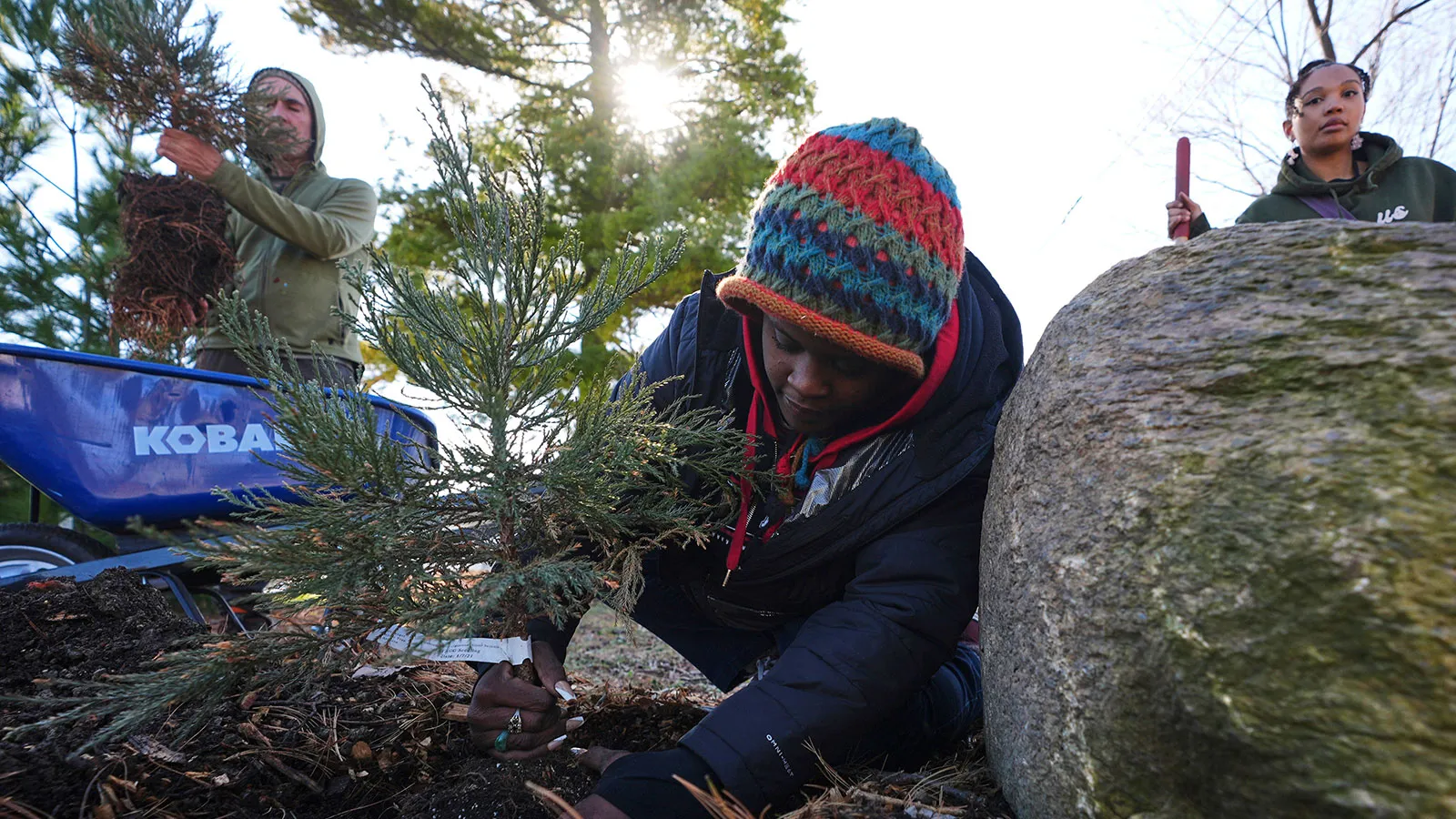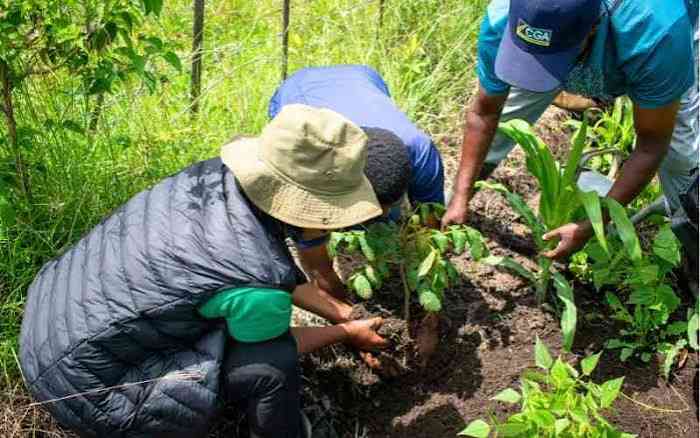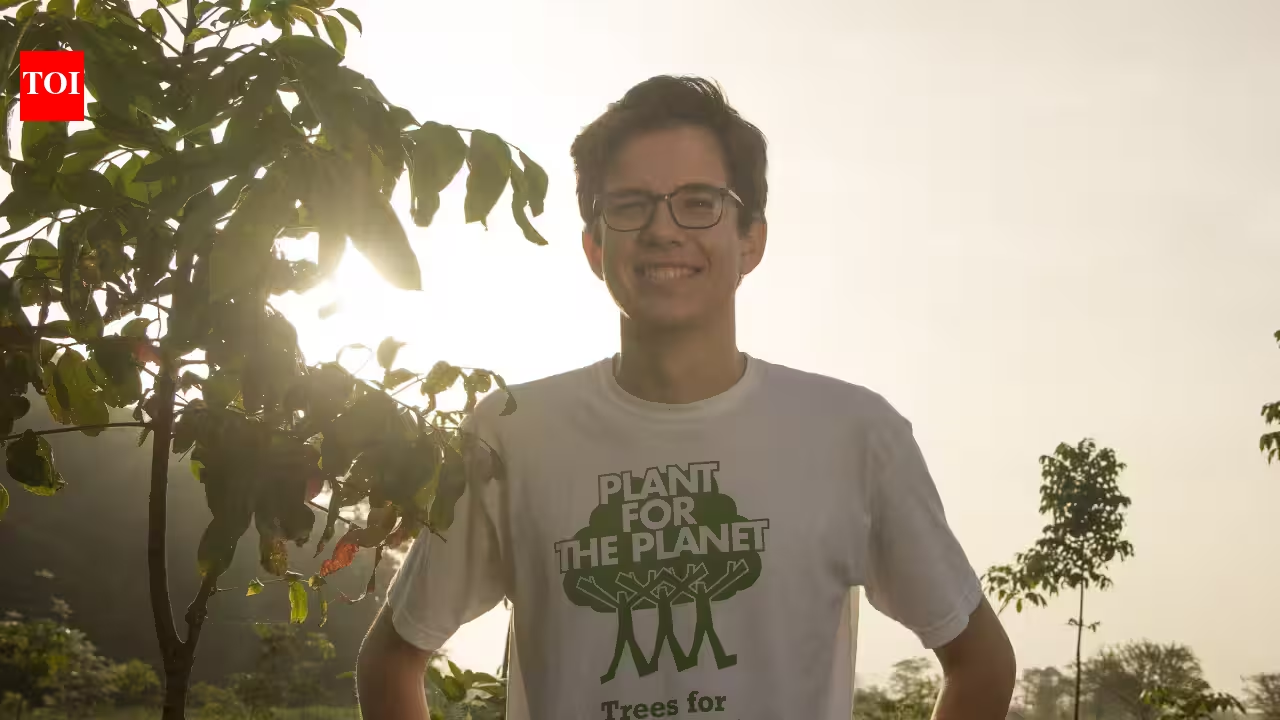
Felix Finkbeiner | Wikimedia CommonsNine-year-old Felix Finkbeiner stood in front of his fourth-grade class in Germany in January 2007. He wasn't initially trying to launch an international movement; rather, his assignment was to give a presentation about climate change. While researching, he came across the story of Wangari Maathai, whose Green Belt Movement had helped women in Kenya plant more than 30 million trees. Felix ended his presentation with a simple proposal: children in every country should plant one million trees. Just weeks later, on March 28, 2007, he and his classmates planted the first tree outside their school, which marked the beginning of Plant-for-the-Planet. According to the United Nations Environment Programme (UNEP), what began as a school project reached an extraordinary milestone only three years later, when the initiative planted its millionth tree in Germany.Felix Finkbeiner | Wikimedia CommonsOne classroom idea quickly crossed bordersLocal newspapers covered the first planting, then neighboring schools asked how they could participate. The campaign spread through classrooms, youth organizations and environmental groups, which turned tree planting into something children could organize themselves. Felix was soon invited to speak before the European Parliament and later addressed the United Nations, and urged world leaders to treat climate change as an urgent responsibility rather than a distant problem. According to National Geographic, by the time he spoke at the UN General Assembly in 2011 at age 13, Germany had already achieved the goal of planting one million trees, and Plant-for-the-Planet had evolved into an international organization with dedicated staff, educational programs and growing support from scientists, governments and volunteers.From planting trees to restoring forestsAmbitions grew well beyond Germany as the campaign expanded. Plant-for-the-Planet began training children as "Climate Justice Ambassadors," and encouraged young people to speak publicly about climate science while organizing local planting events. The initiative also shifted toward restoring degraded forests, particularly on Mexico's Yucatán Peninsula, where it works with local communities on large-scale ecosystem restoration. Plant-for-the-Planet states that Felix's original idea has since evolved into a broader mission of protecting existing forests while restoring damaged landscapes by combining scientific research with practical conservation projects. The organization also maintains a global tree counter and supports restoration efforts alongside international partners, which reflects a growing focus on long-term forest recovery rather than simply increasing the number of trees.Felix Finkbeiner receives the Order of Merit of the Federal Republic of Germany from President of Germany Frank-Walter Steinmeier | Wikimedia CommonsThe lesson that began with a single treeFelix often says he never expected his classroom presentation to attract worldwide attention. The idea's momentum was not the first tree itself but the willingness of other children to repeat the same action in their own communities. The campaign demonstrated how a school assignment could evolve into a movement that reached policymakers, educators and environmental organizations across dozens of countries. Today, debates about reforestation are more complex than they were in 2007, with scientists focusing on the fact that protecting existing forests, planting the right species in the right places and restoring natural ecosystems matter just as much as planting new trees. The story of Plant-for-the-Planet continues to resonate because it began with something unusually simple: one child deciding that climate change should not be discussed only by adults. Three years after that classroom presentation, a million trees had already been planted, and the idea has continued growing ever since.
Meet Felix Finkbeiner, the 9-Year-Old German who started a children's tree campaign in 2007: Three years later, it planted its millionth tree
Nine-year-old Felix Finkbeiner stood in front of his fourth-grade class in Germany in January 2007. He wasn't initially trying to launch an international movement; rather, his assignment was to give a presentation about climate change.
559 words~3 min read