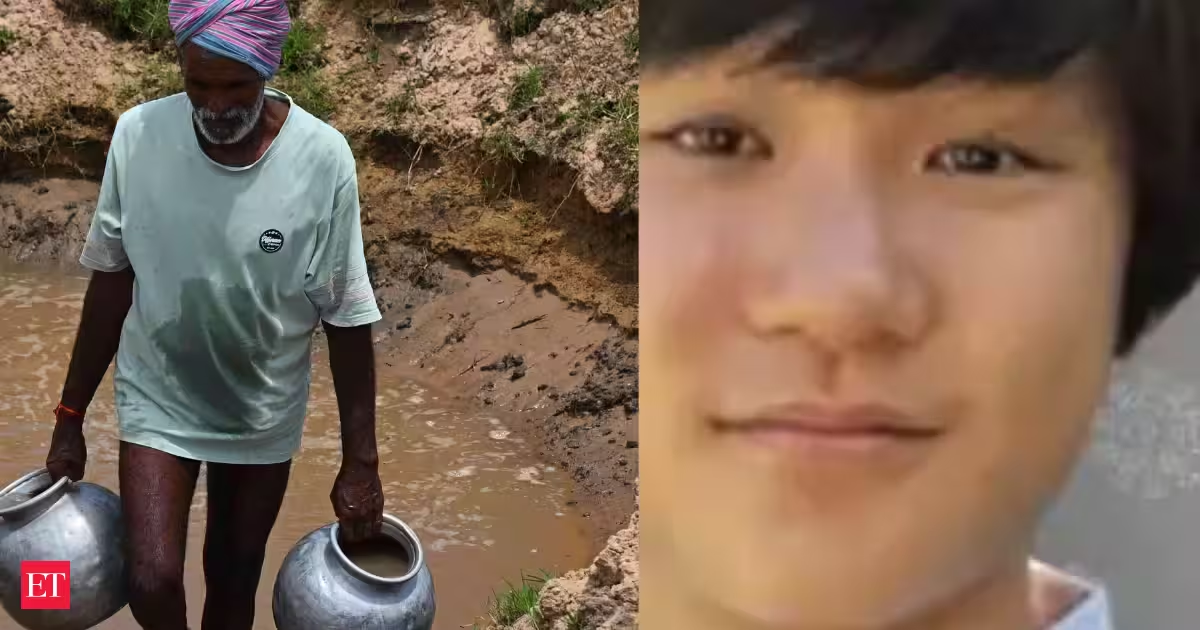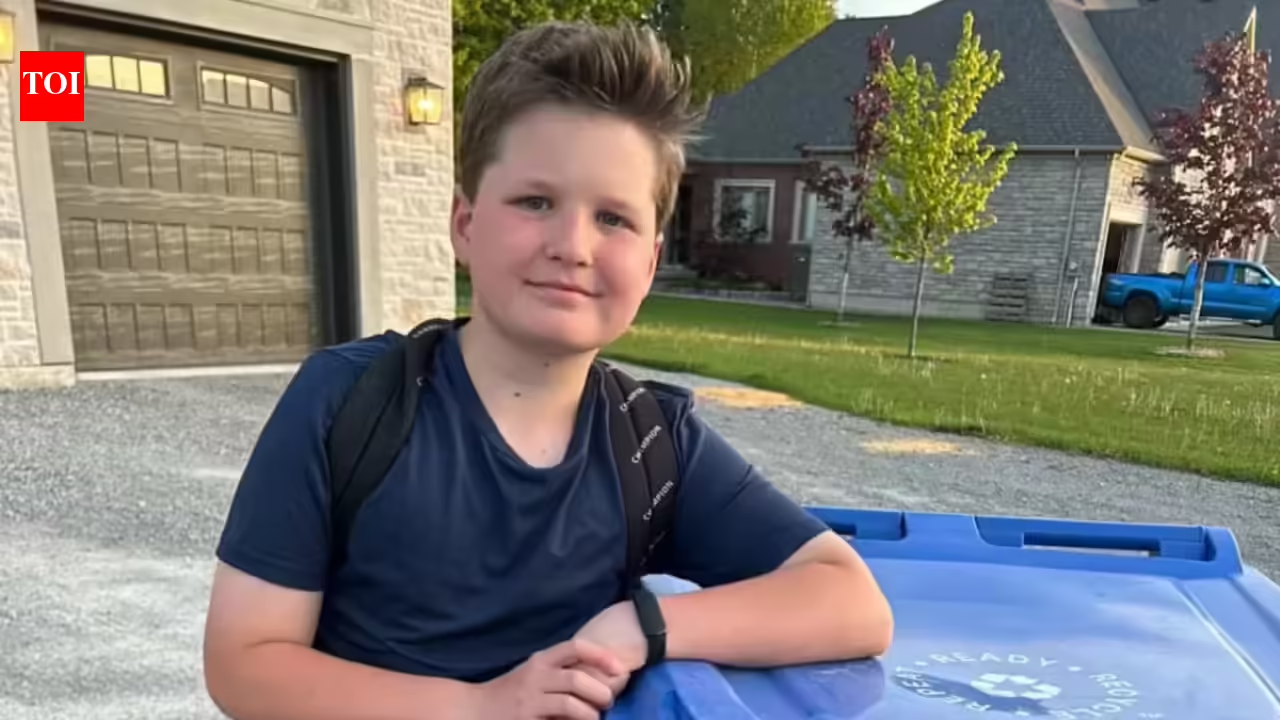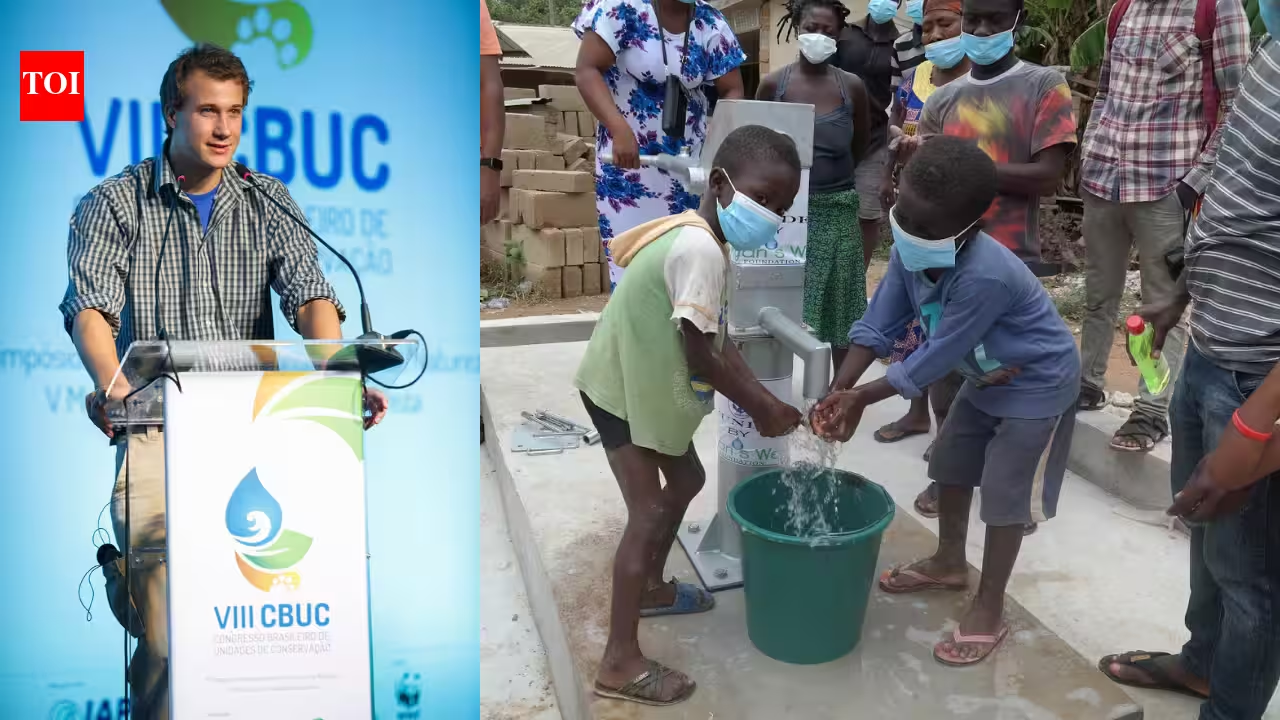
Ryan Hreljac | Wikimedia CommonsRyan Hreljac was only six years old when he came home from school with a rather unusual request. Instead of asking for a new toy or a special treat, he asked his parents if he could earn money by doing extra household chores. His teacher had explained that many children in developing countries walked long distances each day to collect unsafe water, and Ryan learned that a donation of $70 could help provide access to clean drinking water. He believed he could make a difference himself, and began washing windows, vacuuming floors, and taking on extra jobs around the house. His sense of fulfillment was short-lived, since he discovered that the full cost of drilling a well was much higher than he had imagined. Rather than giving up, Ryan's family and community expanded the fundraising effort and turned one child's idea into a project that soon reached far beyond his hometown. According to Ryan's Well Foundation, that campaign eventually helped finance a well beside Angolo Primary School in northern Uganda, which was completed in 1999.Ryan Hreljac | Wikimedia CommonsA small fundraising effort grew into something much largerThe first well changed more than one community, and it changed Ryan's understanding of what was possible. He realized that thousands of other communities faced similar challenges after traveling to Uganda and meeting families who benefited from reliable access to clean water. The experience inspired the creation of Ryan's Well Foundation, a Canadian charity that was focused on improving access to safe water, sanitation, and hygiene education in underserved communities around the world. According to World of Children, Ryan continued speaking at schools, community events and international gatherings, and encouraged young people to see that age does not limit their ability to contribute to solving global problems. His story became an example of how classroom learning that is supported by persistence and community support could evolve into a long-term humanitarian effort.Why a single well can change an entire communityReliable access to clean water affects far more than health alone, since in many rural communities, children (particularly girls) can spend hours each day collecting water from distant rivers, ponds or hand pumps, reducing the time available for school. Wells that are located near schools and villages can shorten those journeys, improve attendance and reduce exposure to waterborne diseases caused by contaminated sources. According to WaterAid Canada, access to safe drinking water, sanitation and hygiene also helps protect communities from illnesses such as cholera and diarrheal diseases and also improves educational and economic opportunities. For schools, having a dependable water supply can make it easier to maintain hygiene facilities and create a healthier learning environment for students.Collecting contaminated water from a source in project area, Uganda | Wikimedia CommonsThe ripple effect of one childhood questionThe idea behind Ryan’s campaign continues to reach communities well beyond the original well in Uganda, more than two decades after Ryan first started doing extra chores. Ryan's Well Foundation has since supported water and sanitation projects across multiple countries, having to work with local partners to help communities develop and maintain sustainable water systems. Yet the story still begins with a question asked by a first-grade student who believed that ordinary household work could help someone on the other side of the world. The amount he raised on his own was only the beginning, but what ultimately made the difference was the way one child's determination encouraged teachers, neighbors, businesses and donors to join the effort, which shows that meaningful change often starts when a simple act of generosity inspires an entire community to participate.
Meet Ryan Hreljac, the 6-Year-Old Canadian who started doing chores for clean water in 1998: A year later, his fundraising helped build a well beside a Ugandan school
Ryan Hreljac was only six years old when he came home from school with a rather unusual request. Instead of asking for a new toy or a special treat, he asked his parents if he could earn money by doing extra household chores.
598 words~3 min read