For a Professional Reader Like Maris Kreizman It’s Hard to Avoid the “World’s Largest Bookseller”
I made a promise to myself (and my partner) after we were forced to find a new apartment unexpectedly and had to deal with moving all of my books: from now on I would make an effort to read more digitally. I’ve tried this before and failed, as I’m squarely one of those weirdos who very much enjoys the feel and the smell and the weight of a book in my hand. The books that I can place on my shelf and look at afterward linger in my memory long after I’ve finished reading them. The digital versions of them? Not so much.
But I know that digital is superior in so many ways: it’s better for the environment, it’s cheaper, and it’s more convenient, especially for me. I am constantly receiving pitches for upcoming books that I might want to see. Nearly every pitch comes with a PDF or a link to the digital version on Net Galley. A matter of practicality: if I could read more ebooks I wouldn’t have to send over my address every time I want to request something new and make some poor assistant create a shipping label and a mail carrier deliver it.
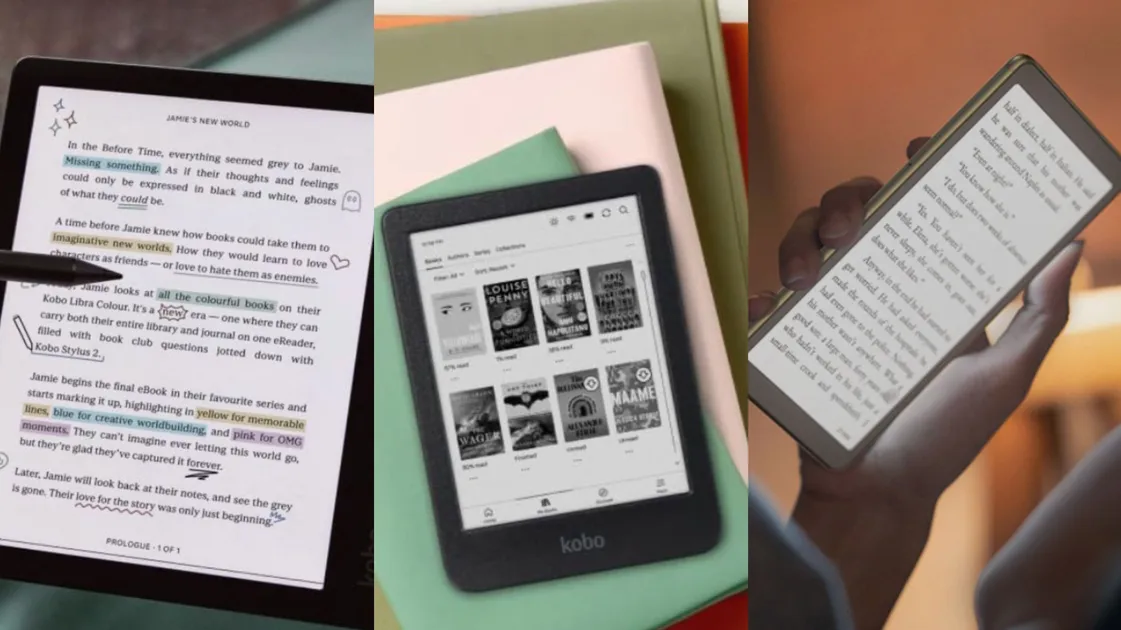
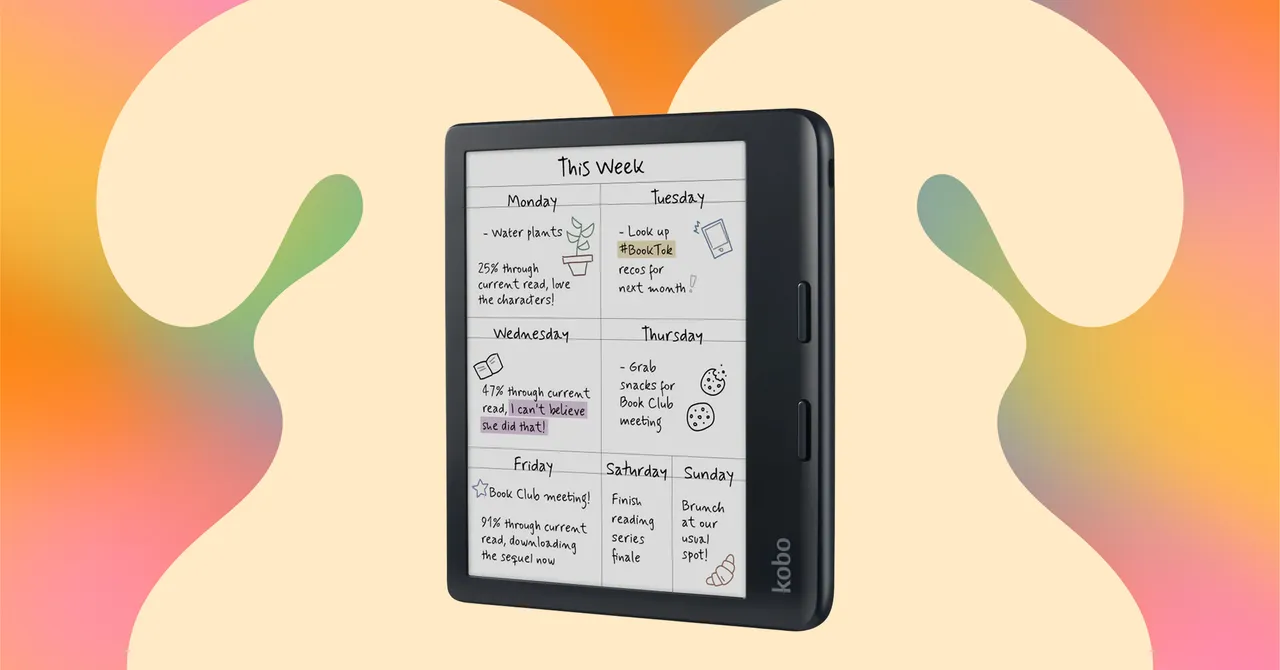
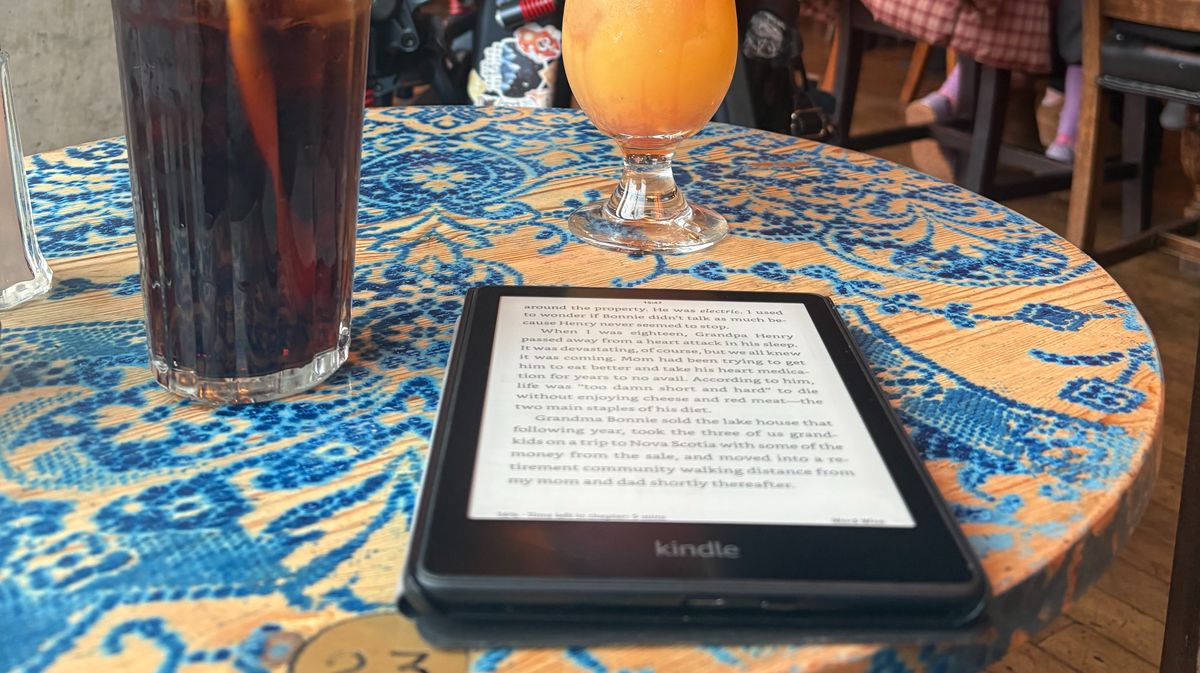
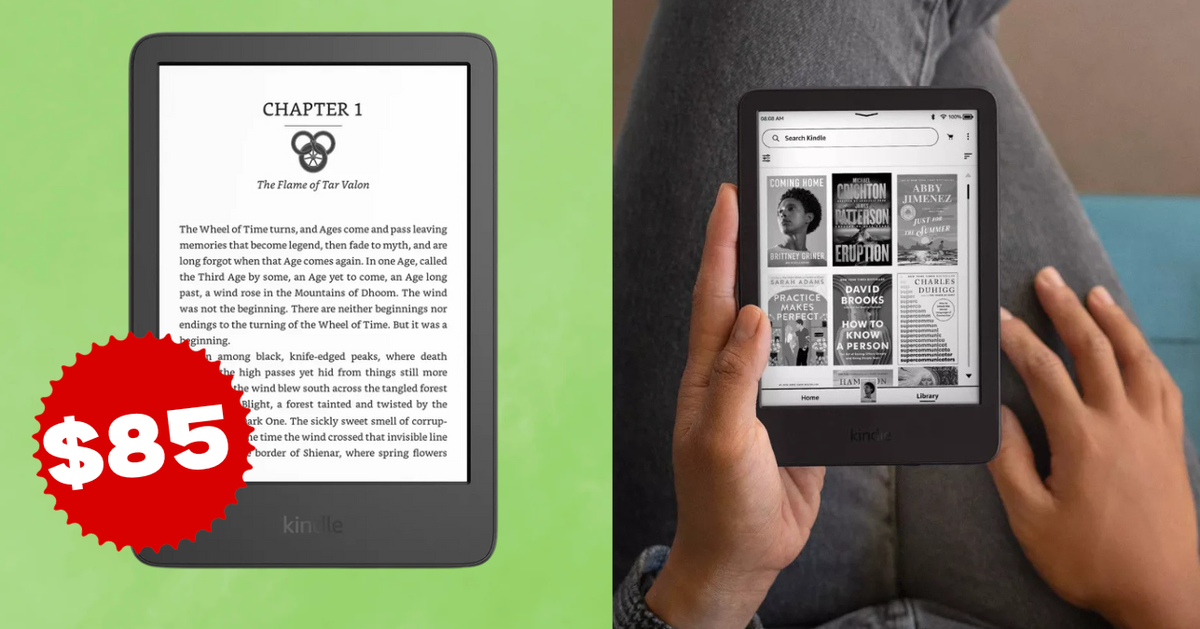
As it turns out, my options haven’t changed very much since I last tried to do more digital reading during lockdown in 2020. Amazon still has a vast monopoly in the e-reader space with its Kindles, and Kobo still remains at a very distant second (Kobo always makes an appearance at second or third place, usually under “Amazon alternatives,” on those Best e-Readers lists that appear in every publication that gets paid affiliate fees for selling products). Meanwhile Barnes & Noble’s NOOK has fallen out of even the also-ran space.