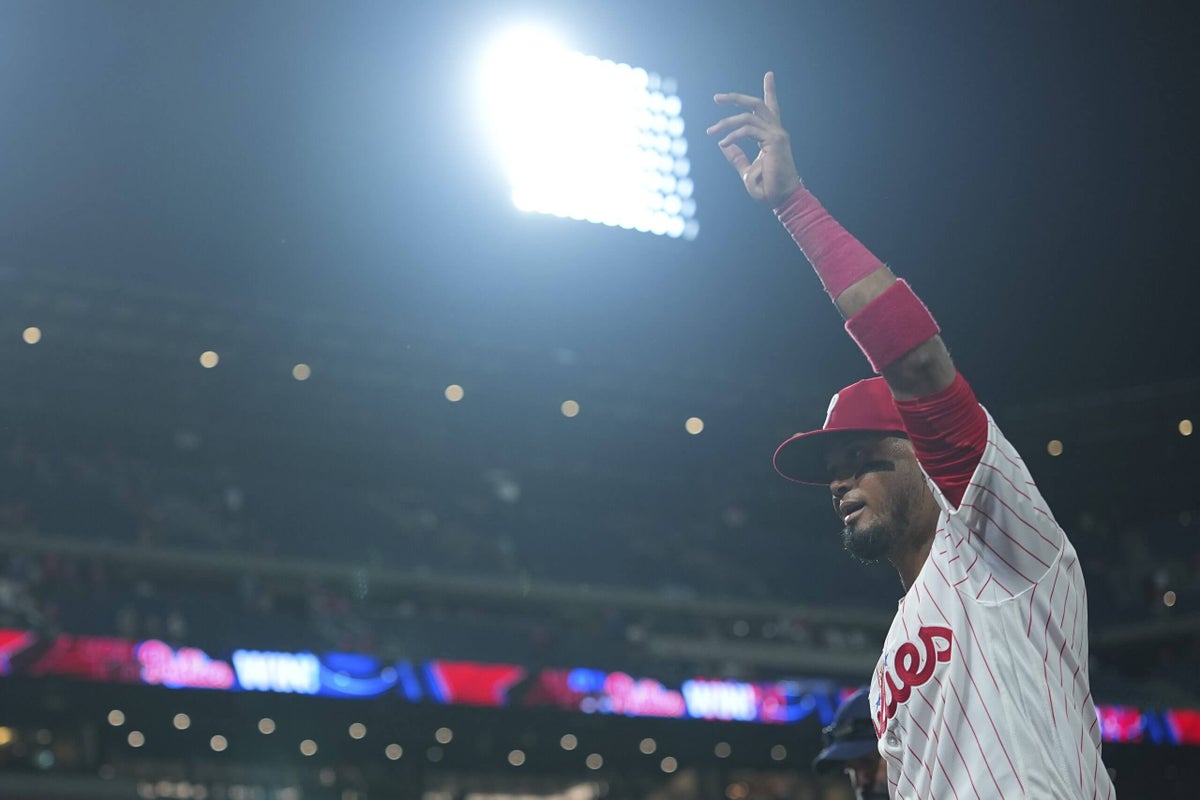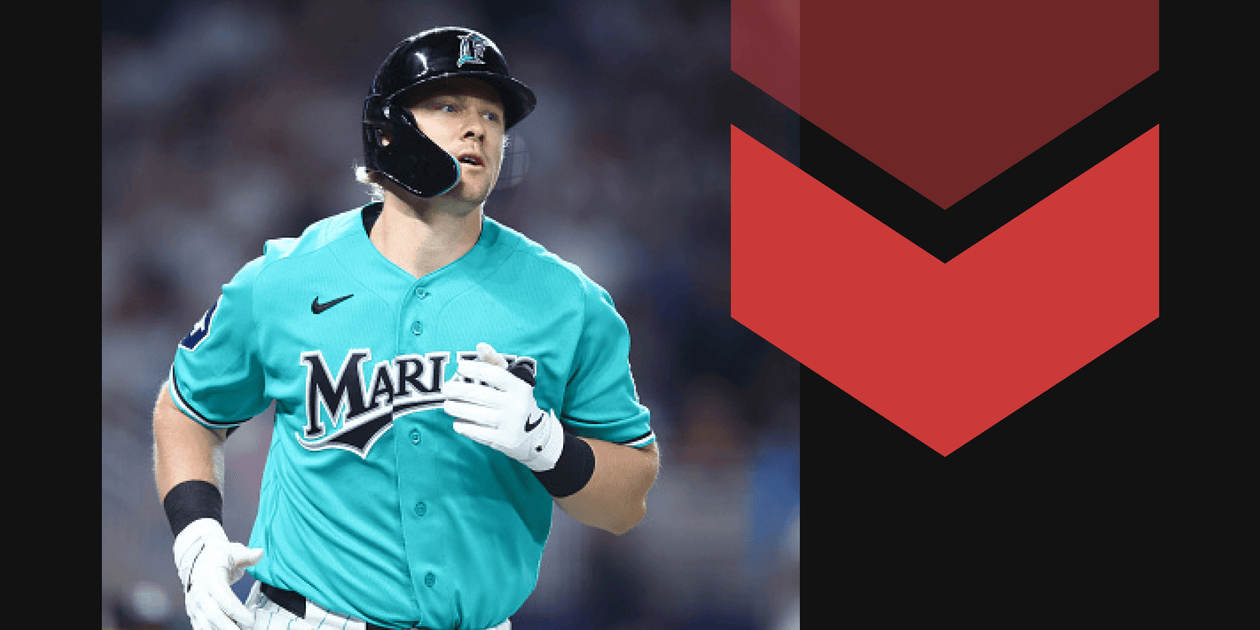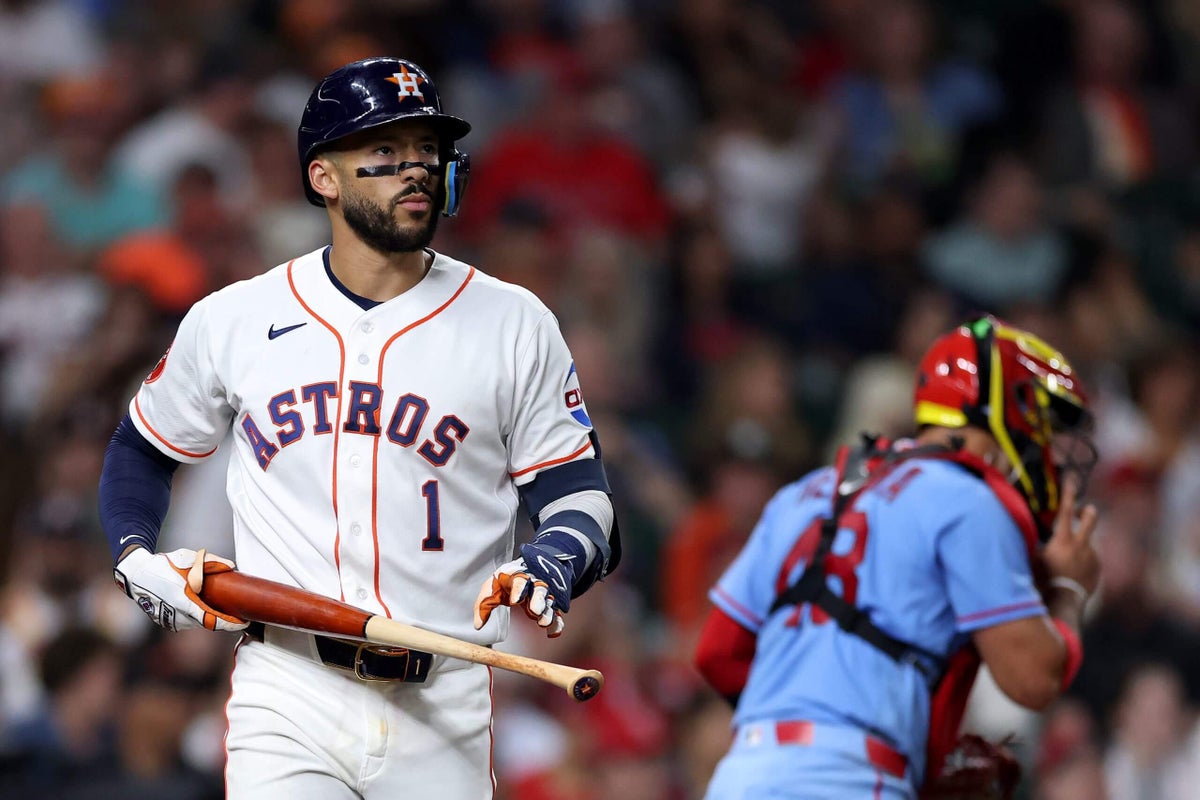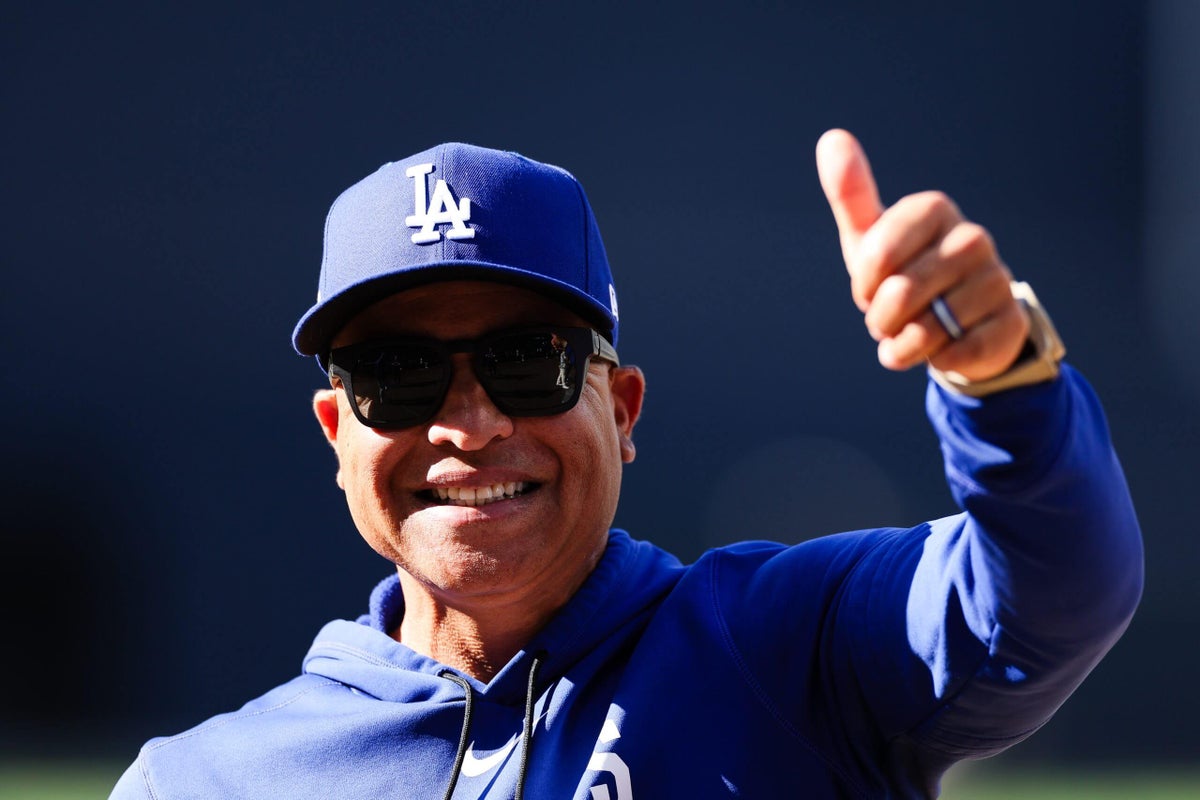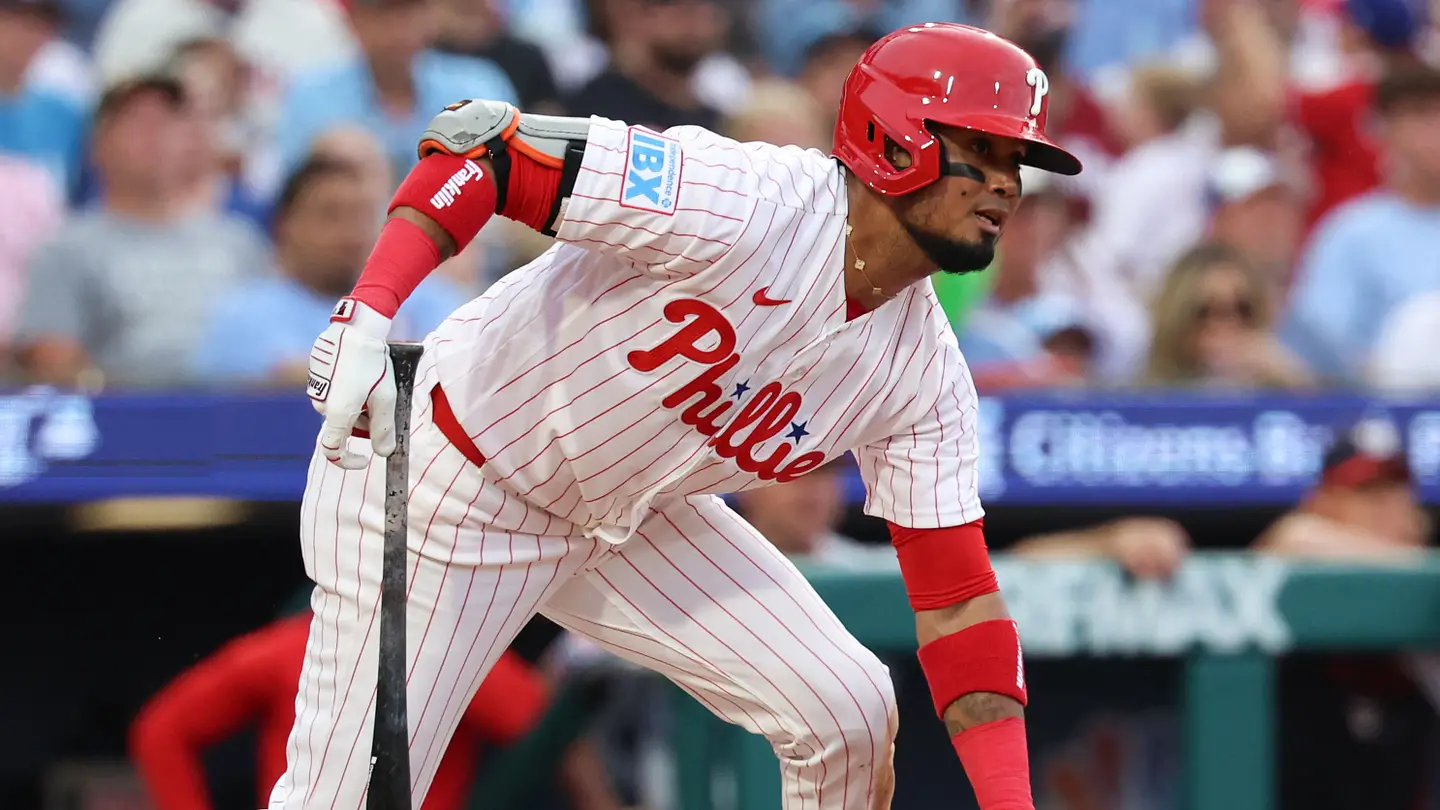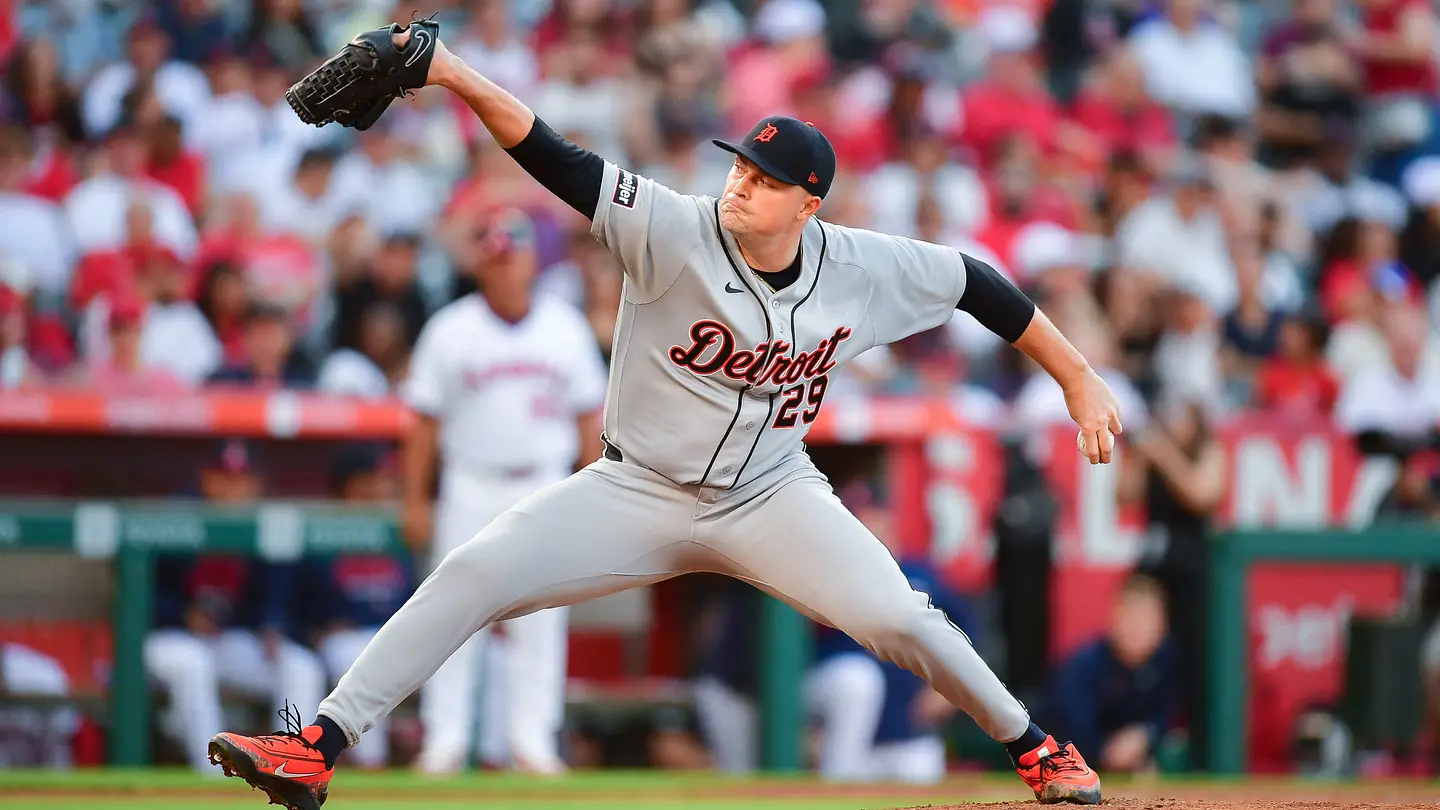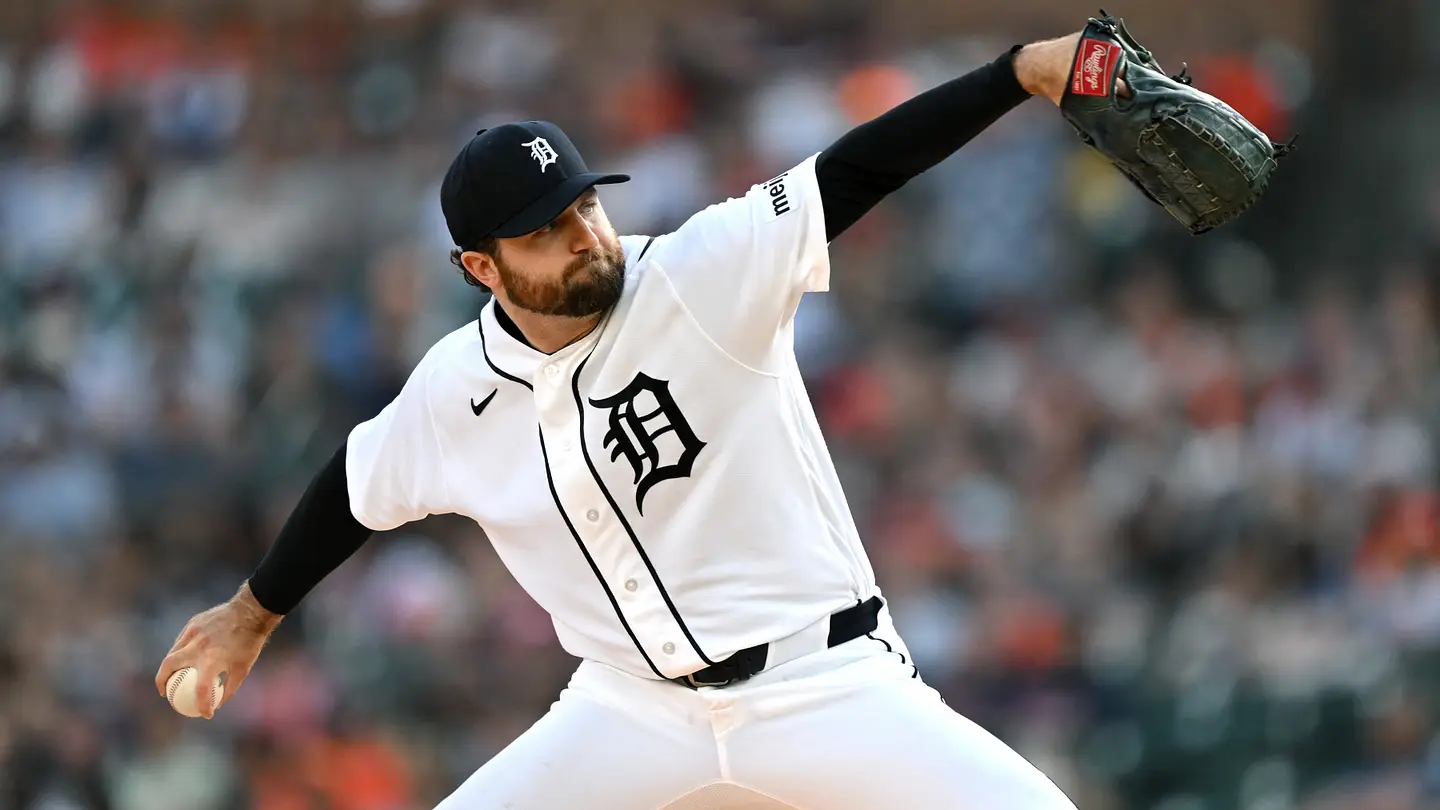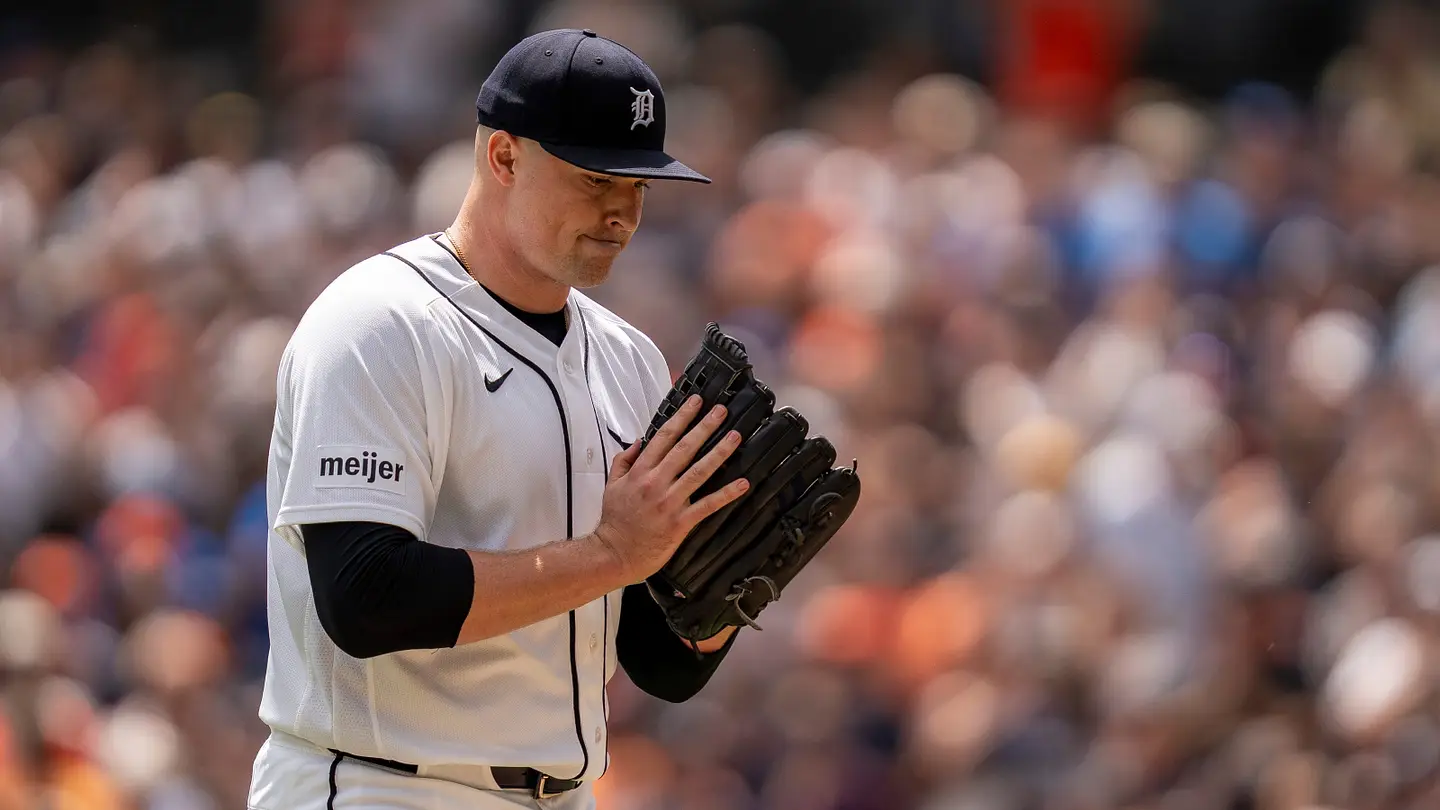
The immediate aftermath of the trade deadline is full of evaluations: winners, losers, grades and awards. We here at The Athletic have even trained our eye on ourselves. Now we’re wondering:How did our Big Board do?In the end, 21 of the 60 players we listed on the board got moved. We use a red/yellow/green light system to evaluate the likelihood a player gets traded. In broad terms, a player with a red light would register as a surprising trade piece. A player with a yellow light is typically on a team caught between buying and selling or has extra years of team control on a seller; it can go either way. And a player with a green light is one who is being actively shopped.How did that system play out this year?
The only one of our six red lights to be traded was Luis García Jr., who switched from a yellow light to a red light in our minds because Curtis Mead had already been moved. (Last year, one of five red lights was traded: Taj Bradley.)
One-third of the players with yellow lights were traded, which is pretty much in line with 2025, when 32 percent of yellow lights moved.
Nine of 21 green lights were dealt, which is a little low. (It was 10 of 20 last year.) Part of this owes to individual team inactivity (we’re looking at you, Cincinnati) and our choice to stock the last section of the Big Board (expanded from 50 to 60 this year) with guys likelier to be traded.