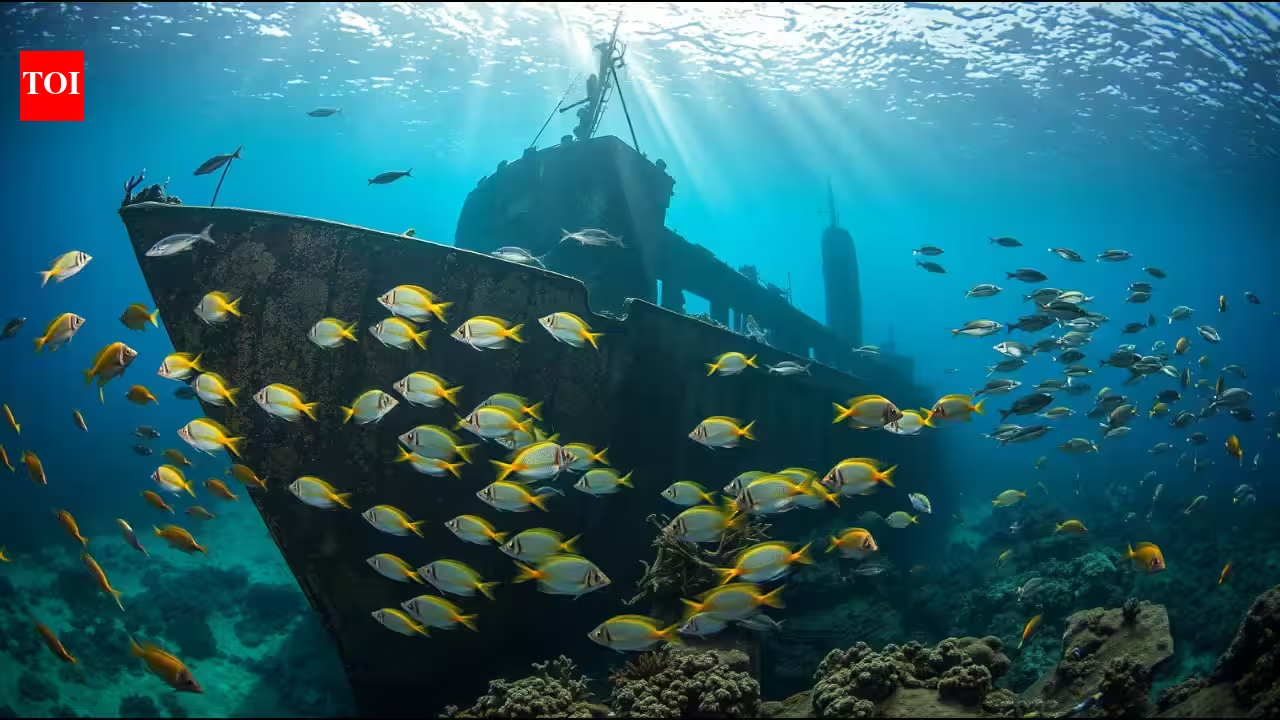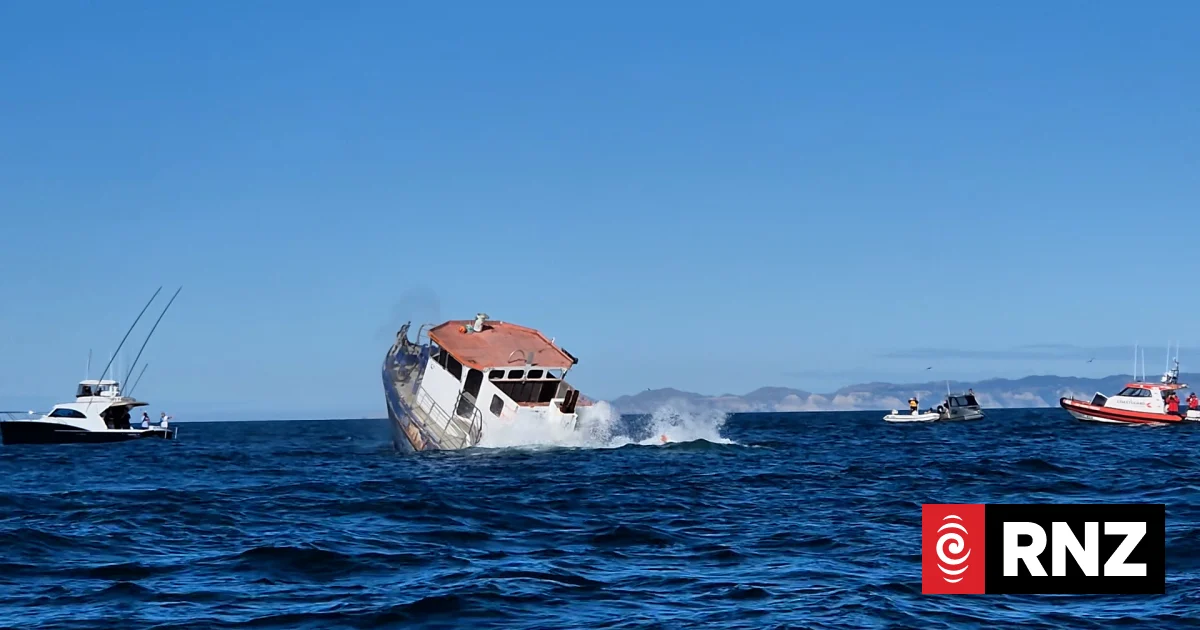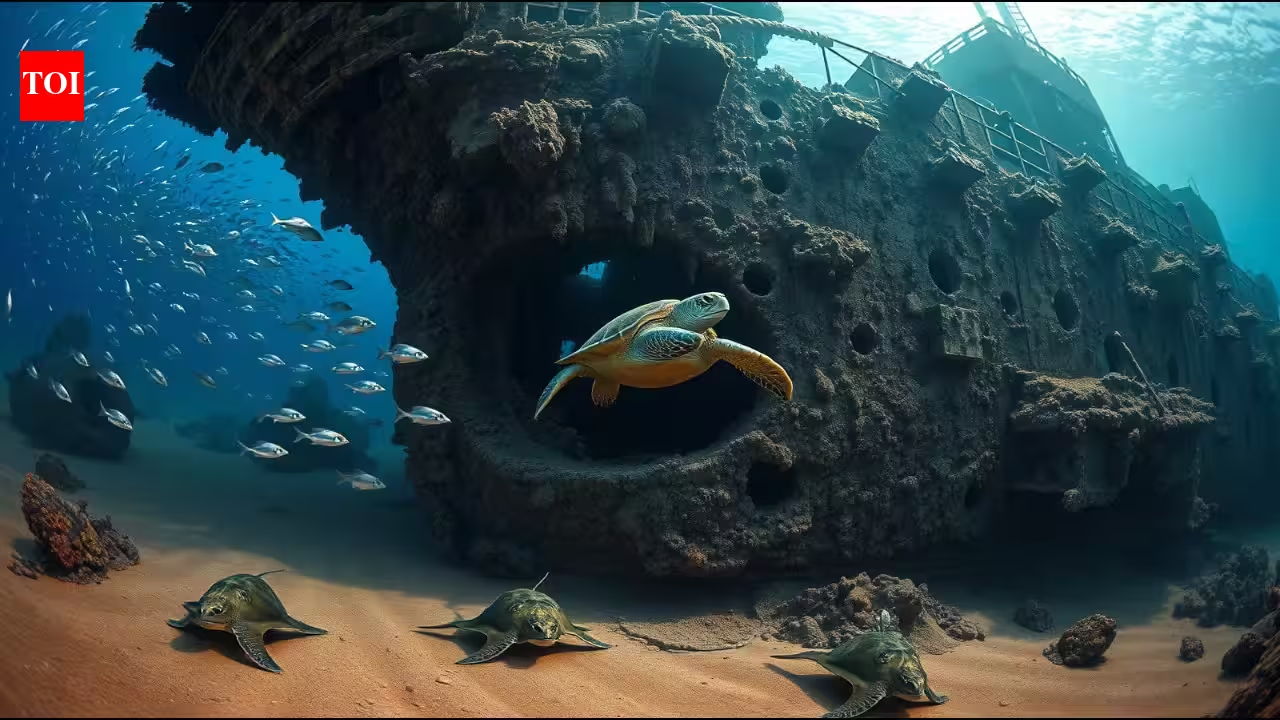
The scuttling of the former HMAS Tobruk in 2018 transformed it into a vibrant artificial reef. Marine life has thrived on its submerged structure, providing essential habitats for numerous species.Not every retired naval ship ends up in a scrapyard. Off the coast of Queensland, one former Australian warship has found a new purpose beneath the sea. The former HMAS Tobruk, once used to transport troops, military vehicles and equipment, now rests on the seabed near Hervey Bay as an artificial reef supporting marine life and attracting experienced divers.Information published by the Queensland Parks and Wildlife Service states that the former HMAS Tobruk was deliberately scuttled in 2018 after preparation work was completed to make the vessel suitable for its new role as an artificial reef. Materials that could affect the marine environment were removed before the ship was sunk. The vessel now rests within the Great Sandy Marine Park, where its structure provides a surface for marine organisms to colonise and contributes to the development of an artificial reef. The official visitor information also notes that the wreck’s size and design provide multiple areas for divers to explore, making it a popular artificial reef dive site.From naval service to life beneath the seaHMAS Tobruk served with the Royal Australian Navy for more than three decades after entering service in the early 1980s. Designed as a heavy landing ship, it transported personnel, vehicles and supplies during military operations, training exercises and humanitarian missions. Its large cargo decks and internal passageways made it a distinctive amphibious support vessel before it was retired from active service.Instead of stripping down the vessel, it was decided that it be sunk as an artificial reef. An artificial reef is created by sinking objects on the seabed so marine life can colonise them. Based on the information provided by the Queensland Government concerning the ex-HMAS Tobruk, this vessel was sunk to provide marine habitat as well as for recreational diving purposes.Once underwater, algae, sponges and corals gradually settled across the ship's exterior. Over time, these organisms attracted fish and other sea creatures, while the vessel's open decks, enclosed spaces and passageways created a variety of places for wildlife to shelter and feed.Official guidance for the site says divers regularly encounter schools of reef fish moving around the wreck. Green turtles and loggerhead turtles are also seen in the area, along with rays and several shark species that patrol the surrounding waters. Because the wreck sits within the Great Sandy Marine Park, it forms part of a broader marine environment that supports a wide range of wildlife.Years beneath the water have gradually changed the ship's appearance. Once bare areas are now covered by marine growth, creating additional shelter for smaller species and helping the wreck blend more naturally into its surroundings.This captivating wreck attracts skilled divers and enhances the local ecosystem by supplementing natural reefs, making it a popular destination for underwater exploration. Image Credits: Wikimedia CommonsReasons for the wreck's continued attraction to diversThe ex-HMAS Tobruk's large steel structure provides a range of surfaces, sheltered spaces and open areas that marine species can use over time. Small fish often gather in protected sections of the wreck, while larger animals move through the surrounding waters. As marine communities continue to develop, the vessel has become an established part of the underwater environment as well as a distinctive dive site.The Queensland Parks website describes the wreck as a destination for suitably qualified divers because of its depth and site conditions. Its size allows divers to explore different areas on separate visits, including open cargo spaces, wide passageways and exterior structures where marine life has become established.Visitors are encouraged to dive responsibly while exploring the site. The official guidance recommends avoiding unnecessary contact with corals and other marine organisms, respecting wildlife and following local regulations designed to protect the artificial reef. These measures help minimise disturbance to the habitat that has developed since the ship was scuttled.The wreck has become one of Hervey Bay's best-known dive attractions while continuing to evolve beneath the surface. What was once a naval transport ship now offers visitors a chance to experience a thriving underwater habitat that continues to develop with time.
In 2018, Australia sank the retired 127-metre military transport ship HMAS Tobruk; the former warship now supports an artificial reef inhabited by corals, turtles, rays and sharks
Not every retired naval ship ends up in a scrapyard. Off the coast of Queensland, one former Australian warship has found a new purpose beneath the sea.
697 words~3 min read