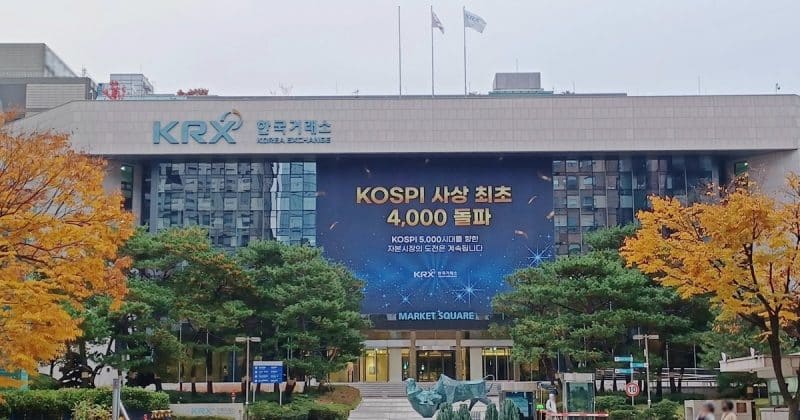
Just over two months ago, South Korea’s financial regulator approved investment products providing leveraged access to its two largest stocks: Samsung and the now-infamous chip maker SK Hynix. These leveraged single-stock exchange-traded funds (ETFs) offered investors double the return of the stocks. The idea was to entice local investors away from similar US products and bring assets back to the home market. And it worked – perhaps too well.
South Korea’s retail investors poured $9.4 billion (14 trillion Korean won) into these funds in less than two months. The problem was, they launched at a terrible time for the country’s two star stocks. Both had seen huge gains in the first half of the year, but just as South Korea’s retail buyers got access to leverage, the world began to lose its blind faith in AI, while competition from China threatened SK Hynix’s near-monopoly in the AI chip market.
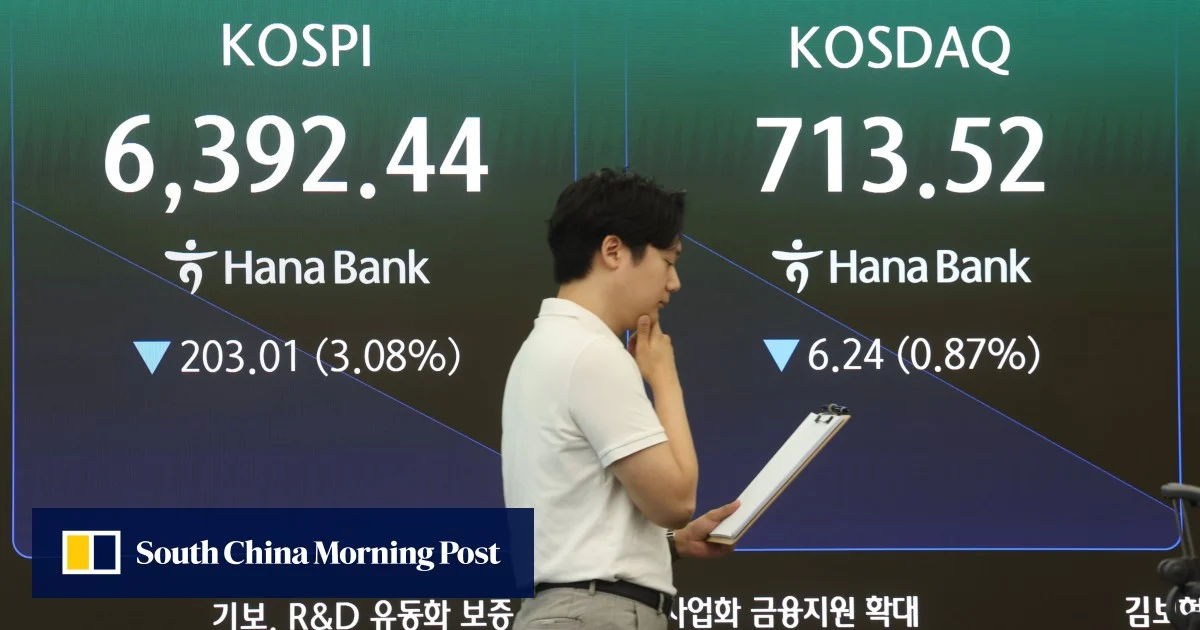
This led to a correction in tech, hitting chip stocks like Micron, Intel, and SK Hynix particularly hard, as well as Nvidia – SK Hynix’s biggest customer. On the worst day, SK Hynix and Samsung fell 14.7% and 13.4% respectively. This was bad enough on its own, dragging down South Korea’s concentrated KOSPI index and repeatedly triggering trading stops. But the leveraged ETFs truly made the regulators rue the day the approved them.