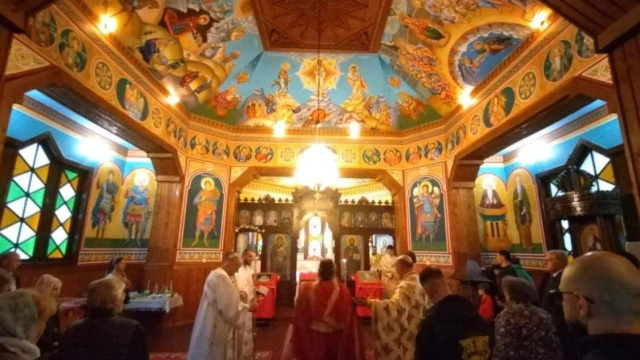
The Bulgarian Orthodox Church celebrates the Feast of the Transfiguration of the Lord on August 6, one of Christianity's most significant holy days. The feast symbolizes spiritual transformation, renewal, and hope for a better future, while also marking an important moment in both the religious and folk calendars.
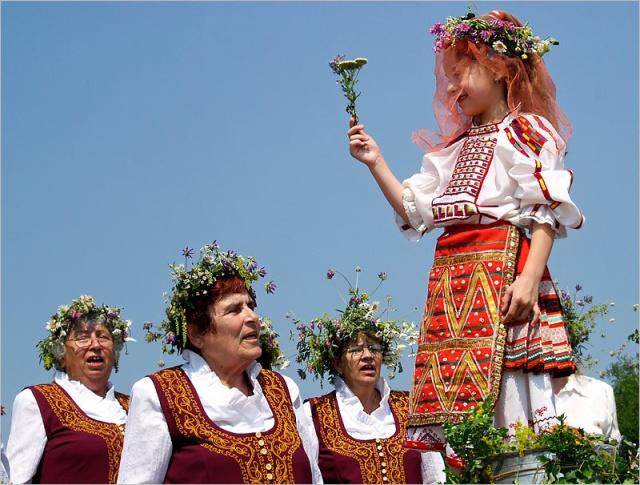
According to Bulgarian tradition, the day signals the gradual transition from summer toward autumn. Folk beliefs say the days begin to shorten, the nights grow cooler, birds start gathering in flocks before migrating south, and snakes and lizards retreat to their shelters. Another popular belief holds that on the Transfiguration, "the heavens open," making it a day when sincere wishes may come true.
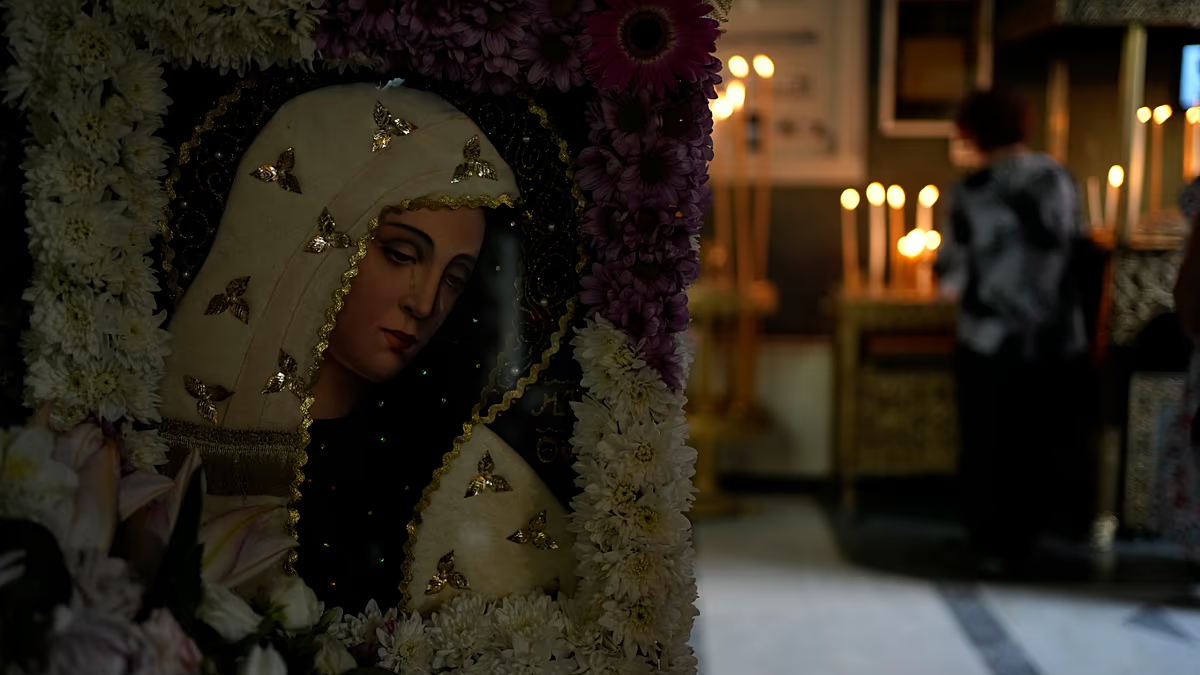
The holiday is also associated with long-standing customs surrounding the year's first grape harvest. Tradition says grapes should not be eaten before the feast because they have not yet been "baptized." On the morning of the celebration, families bring the season's first grapes, along with boiled wheat and other fruits such as watermelons, pears, and apples, to church. After the priest blesses them, the fruit is shared with relatives, neighbors, and friends.
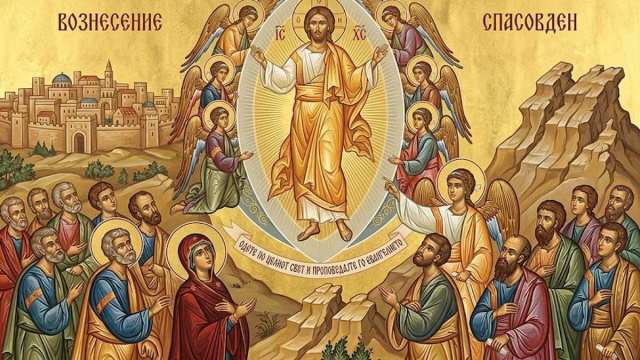
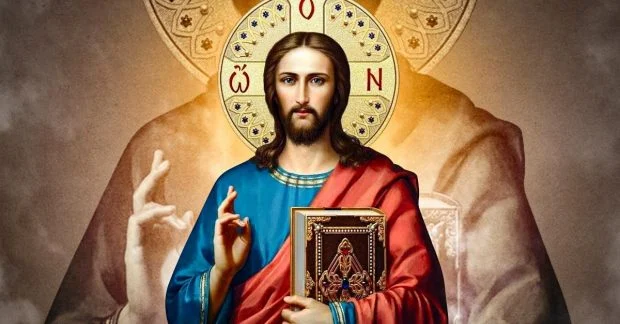
The feast traces its origins to the earliest centuries of Christianity. According to the Gospel account, during the 33rd year of His earthly life, Jesus Christ ascended Mount Tabor in Galilee with the apostles Peter, James, and John. There He was transfigured before them, rising above the ground and shining with divine light, revealing His divine nature as God the Father confirmed Him as His Son.