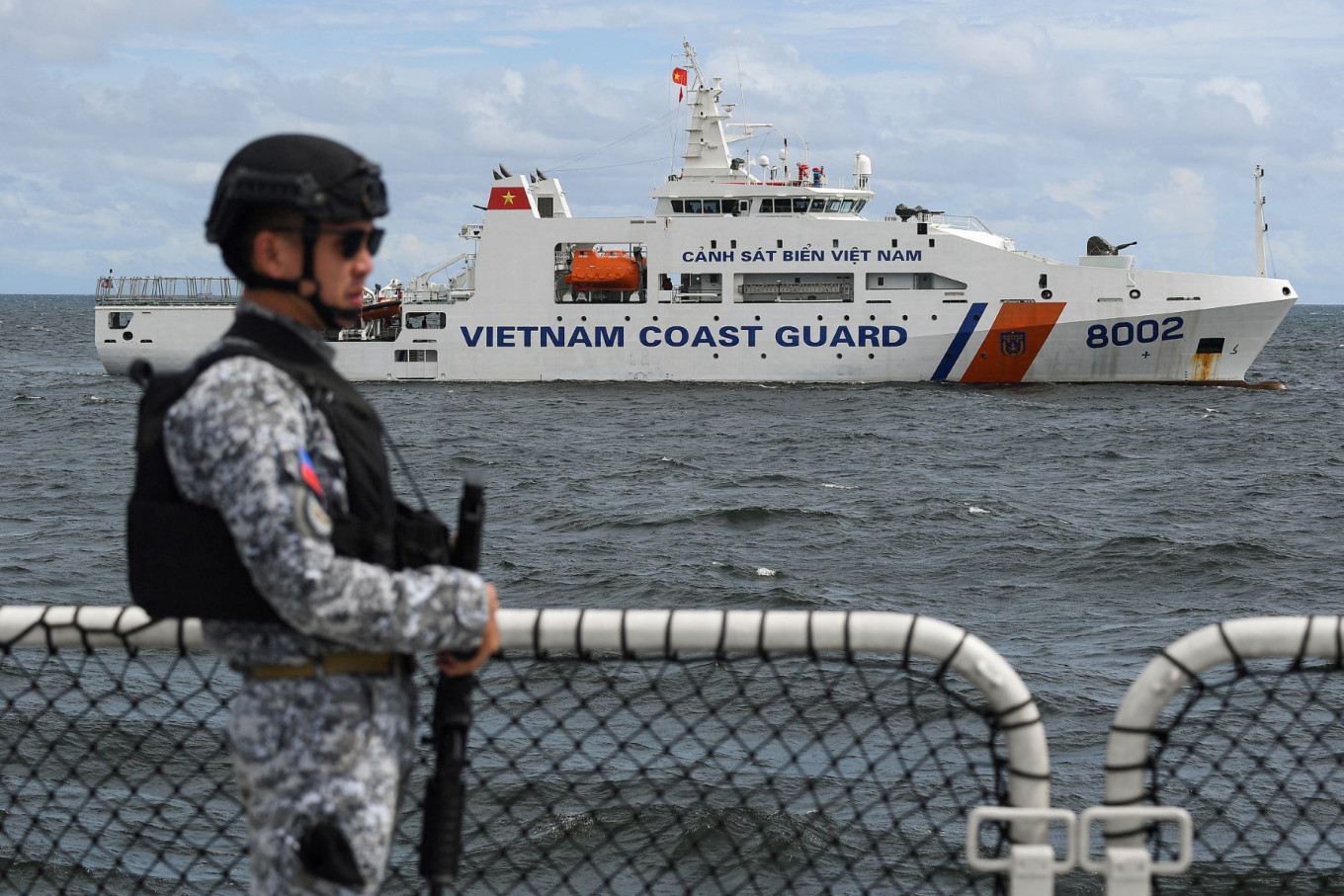
Vietnam’s military modernization is setting off in a new direction. Instead of procuring naval platforms such as submarines or frigates to defend its South China Sea claims, as it did in the 2010s, the country is looking to upgrade and acquire long-range surface-to-surface and ground-based anti-ship missiles (ASMs) to guard against both continental and maritime threats.
A number of recent developments show that this is the case.
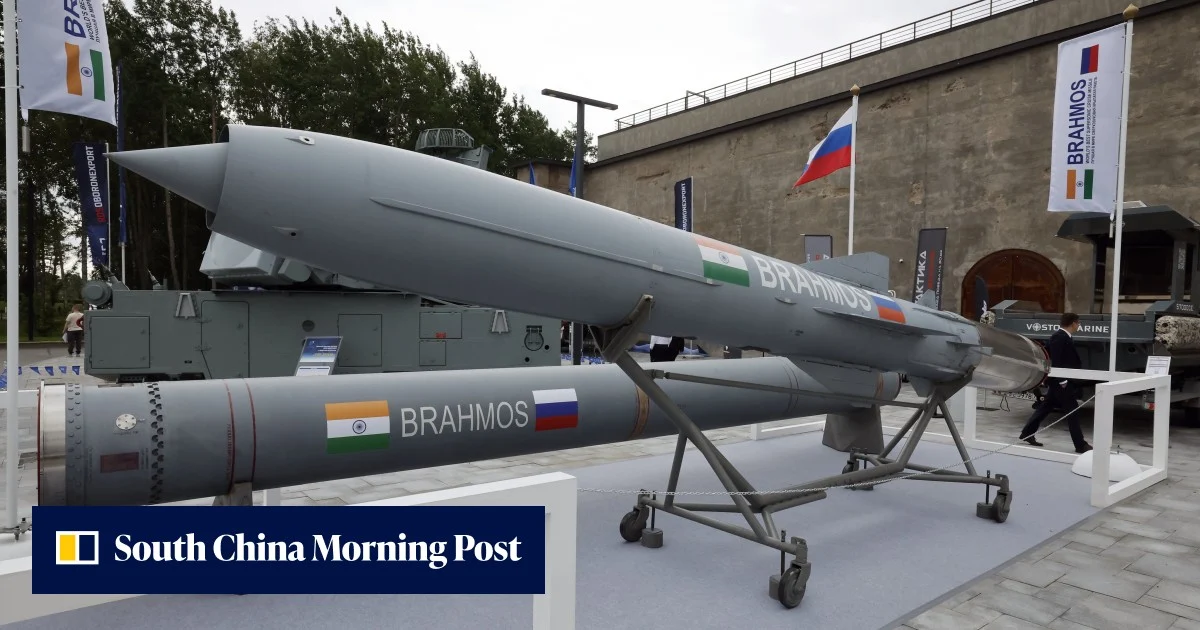
First, Vietnam established the Artillery-Missile Command based on the Artillery Corps in August of last year. The Command was intended to be leaner, given expanded duties, and equipped with more advanced weaponry. Second, it introduced the domestically produced shore-based ASM system Truong Son and showed off the Scud-B tactical ballistic missiles procured from the Soviet Union in the 1980s, on the 80th anniversary of Vietnam’s founding. Hanoi also revealed that it succeeded in upgrading the range of the Scud-B from 300 to 500 kilometers. In May, Vietnam signed a $629 million BrahMos missile deal with India. Third, it is moving the 380th Missile Brigade from Thai Nguyen province in northern Vietnam to Dak Lak province in the Central Highlands, whose mountainous terrain and position at the center of the Indochinese peninsula can help Vietnam project power further southwest in response to security uncertainty from Cambodia. The 380th Missile Brigade is one of Vietnam’s two ballistic missile brigades, along with the 490th Missile Brigade based in Hai Phong in the northeast.