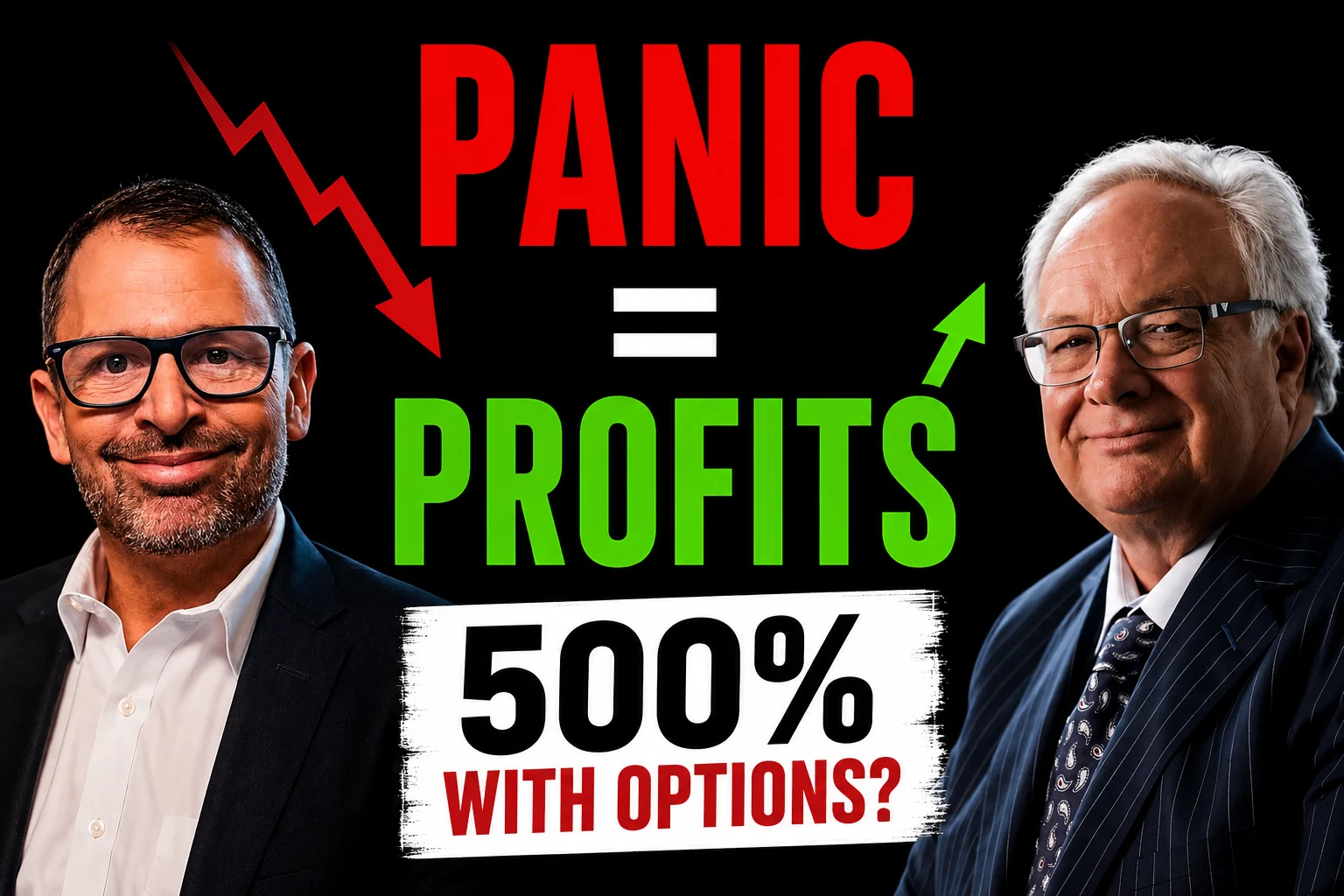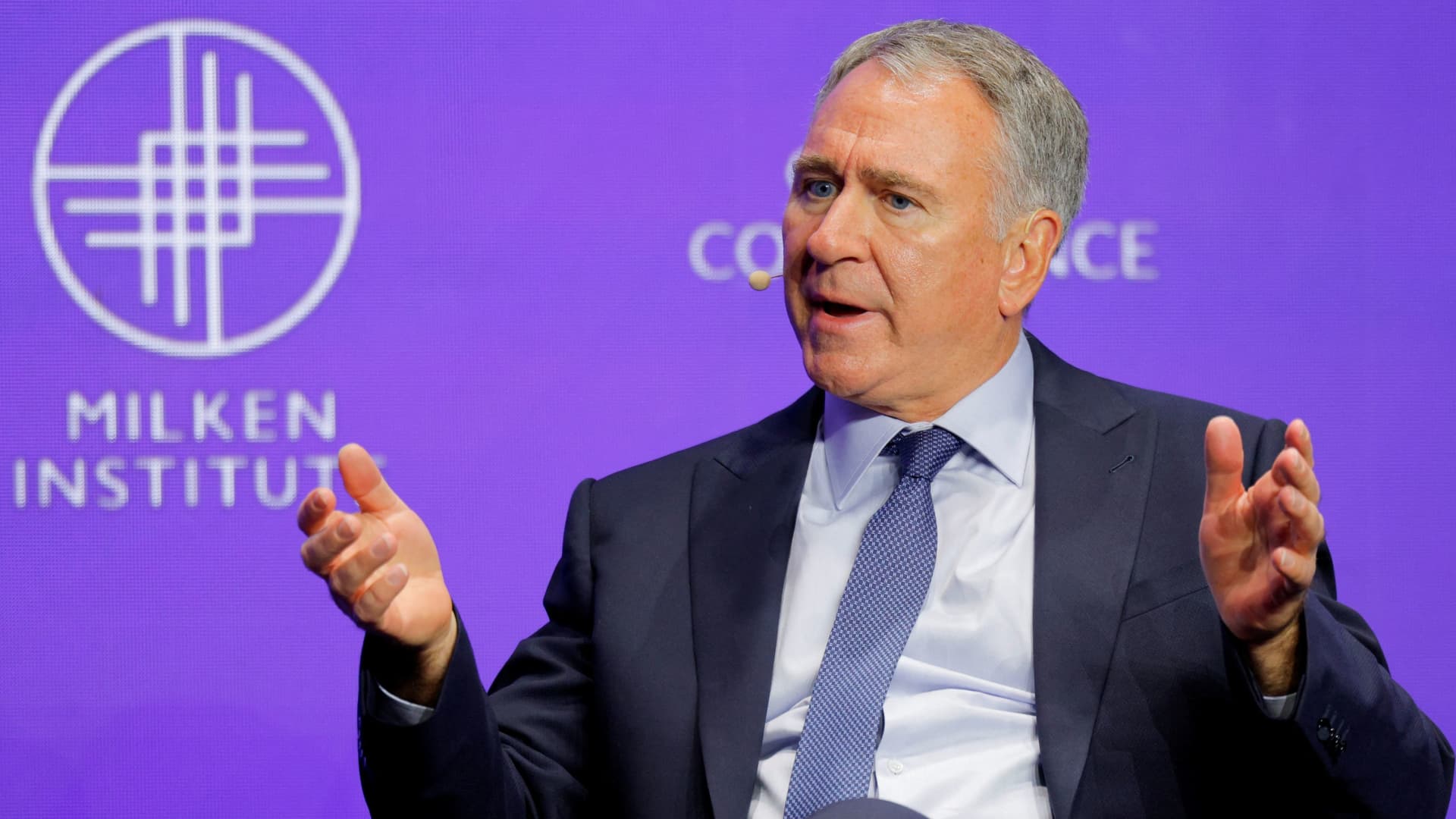
Legendary investor Joel Greenblatt achieved a staggering 50% annual return operating his hedge fund, Gotham Capital, from 1985 to 1994 by exploiting structural market inefficiencies that Wall Street institutions routinely ignore, arguing that some of the market's best opportunities are "hiding in plain sight." Profiting From Forced Selling Greenblatt’s extraordinary track record wasn't built on possessing secret information, but on capitalizing on specific, messy corporate events like spin-offs and restructurings.
In his 2005 Columbia University masterclass, he explained that his firm targeted corners of the market where typical buyers are structurally forced to sell regardless of price.
When a parent company spins off a smaller entity that doesn't fit an institutional fund's mandate or index, those large funds "just dump it," creating artificially depressed prices and rare buying opportunities.
Read Also: Warren Buffett's Wealth-Building Strategy Points to This One ETF for Long-Term Investors Embracing Corporate Chaos Holding "very few positions," Greenblatt concentrated capital in his highest-conviction ideas rather than diversifying broadly.
"When things stink, what do you do?