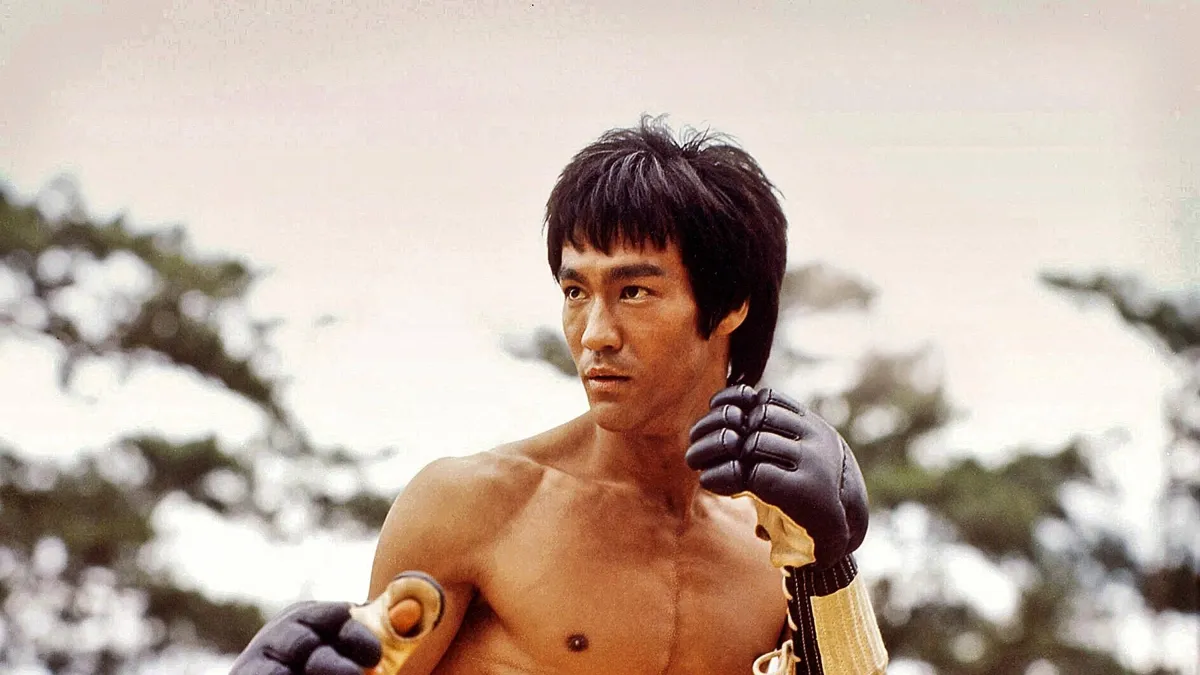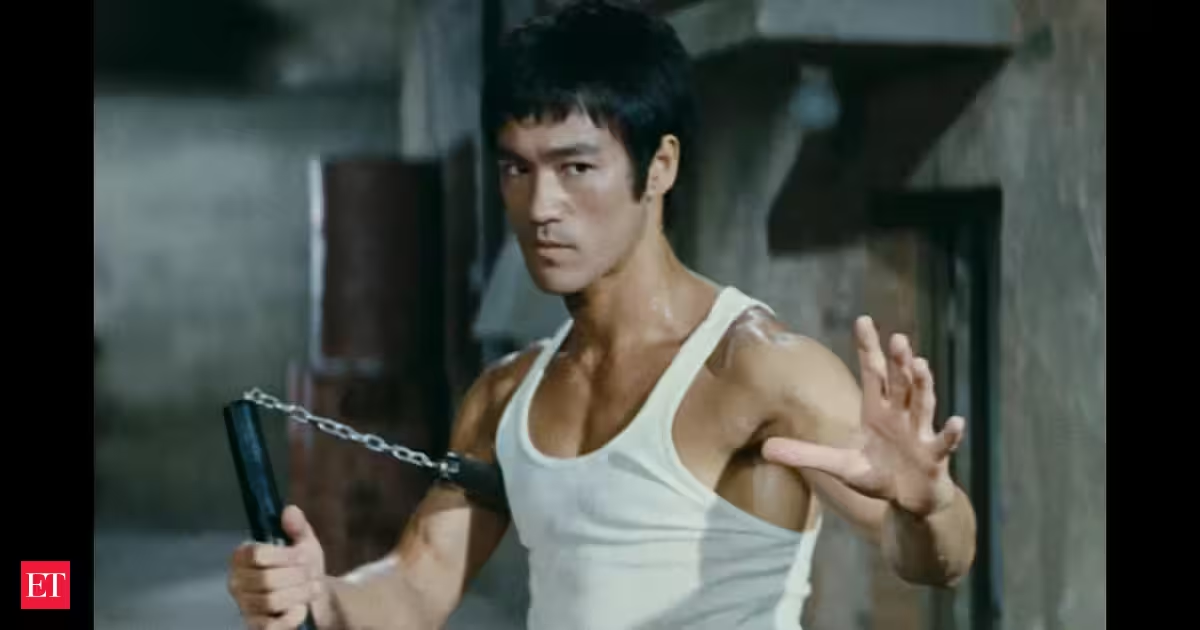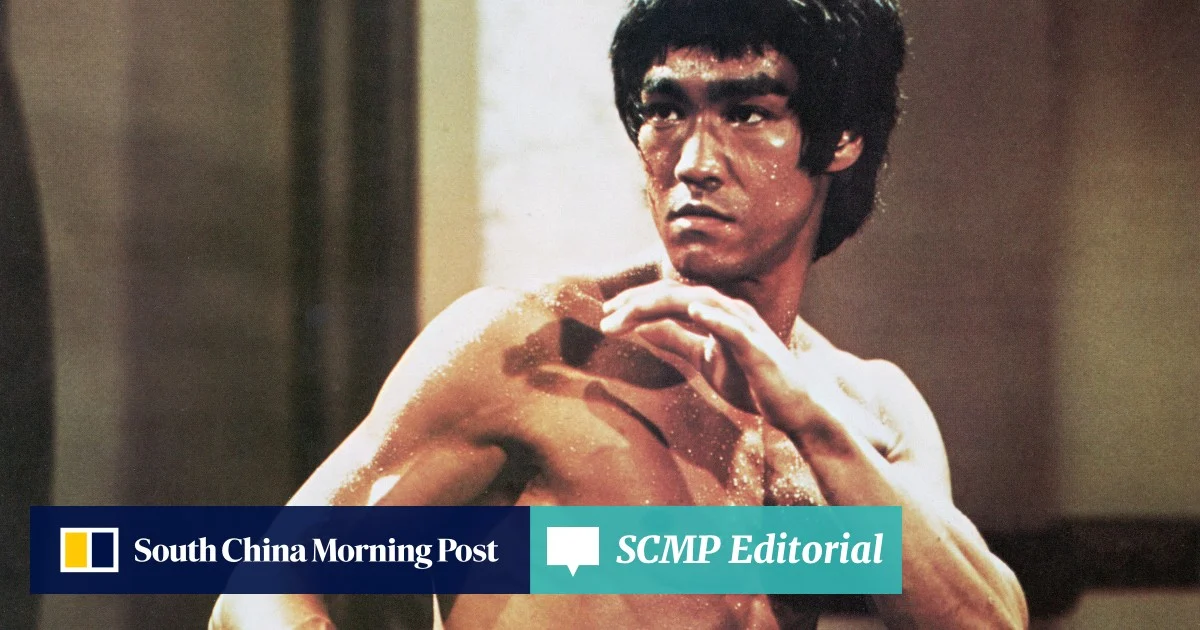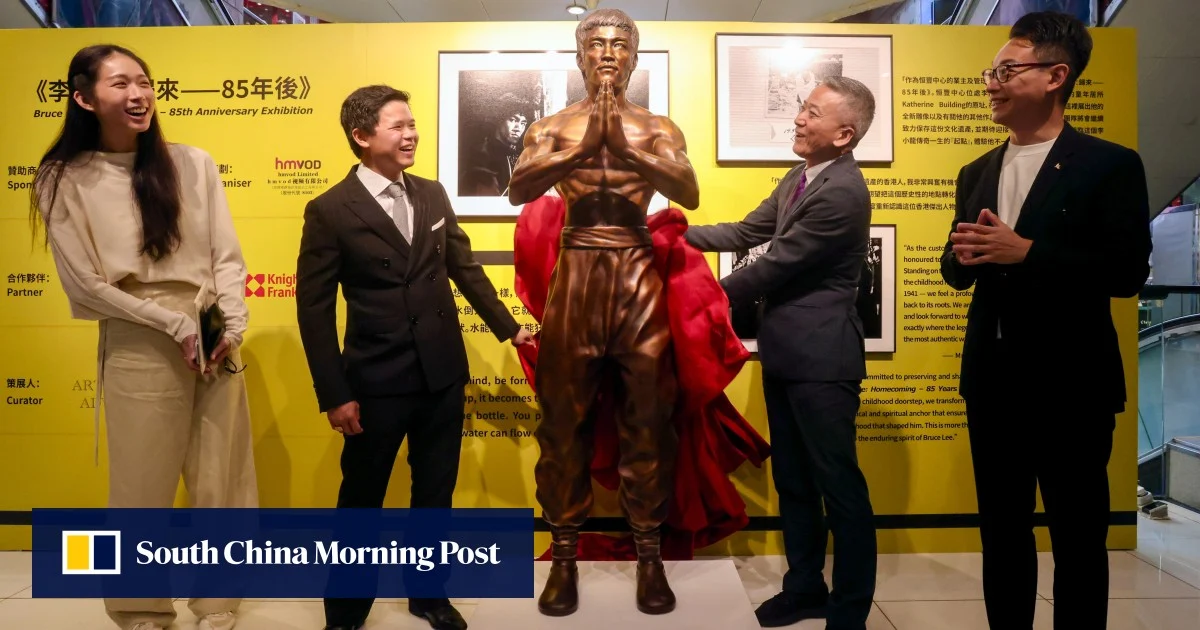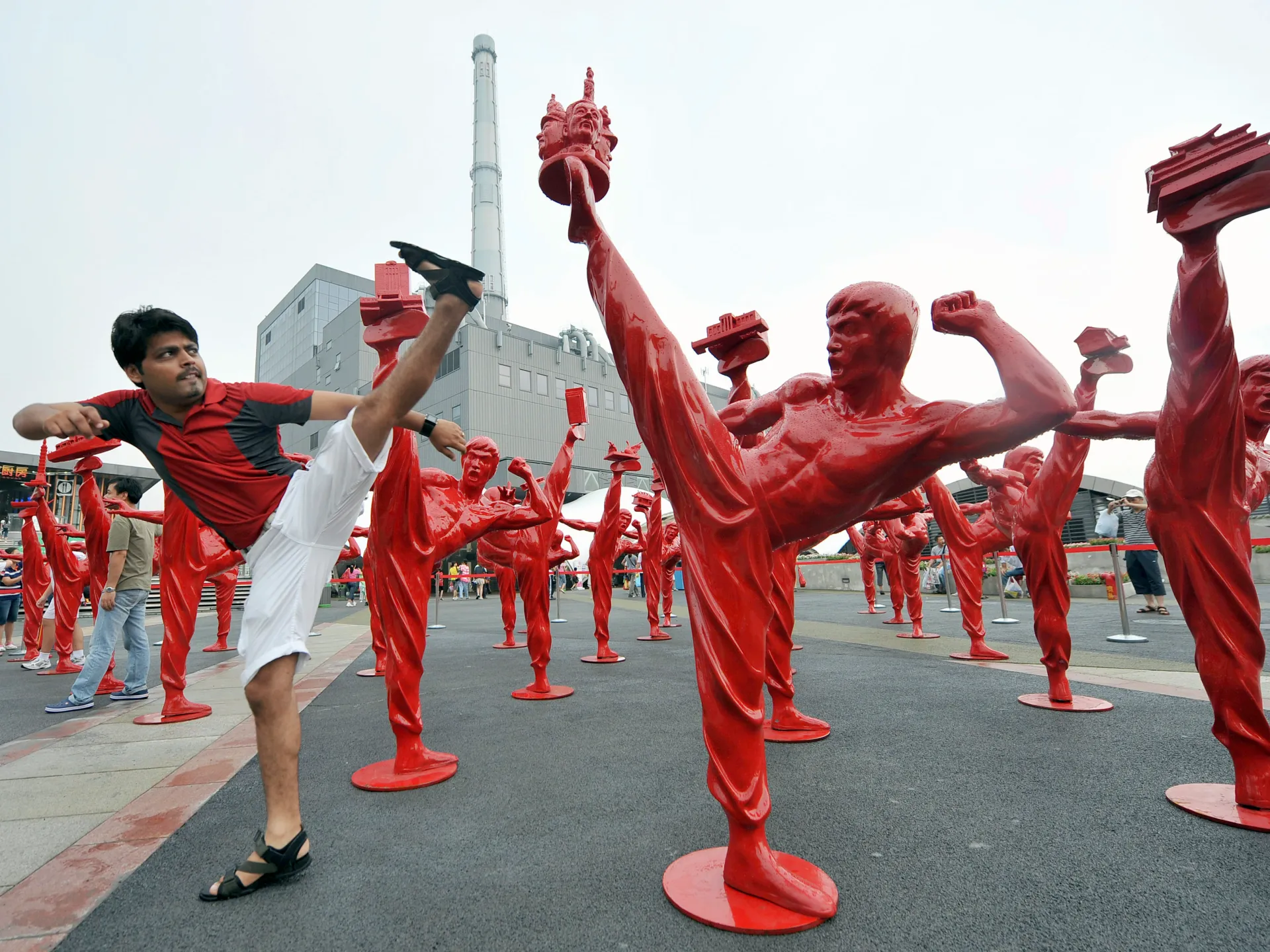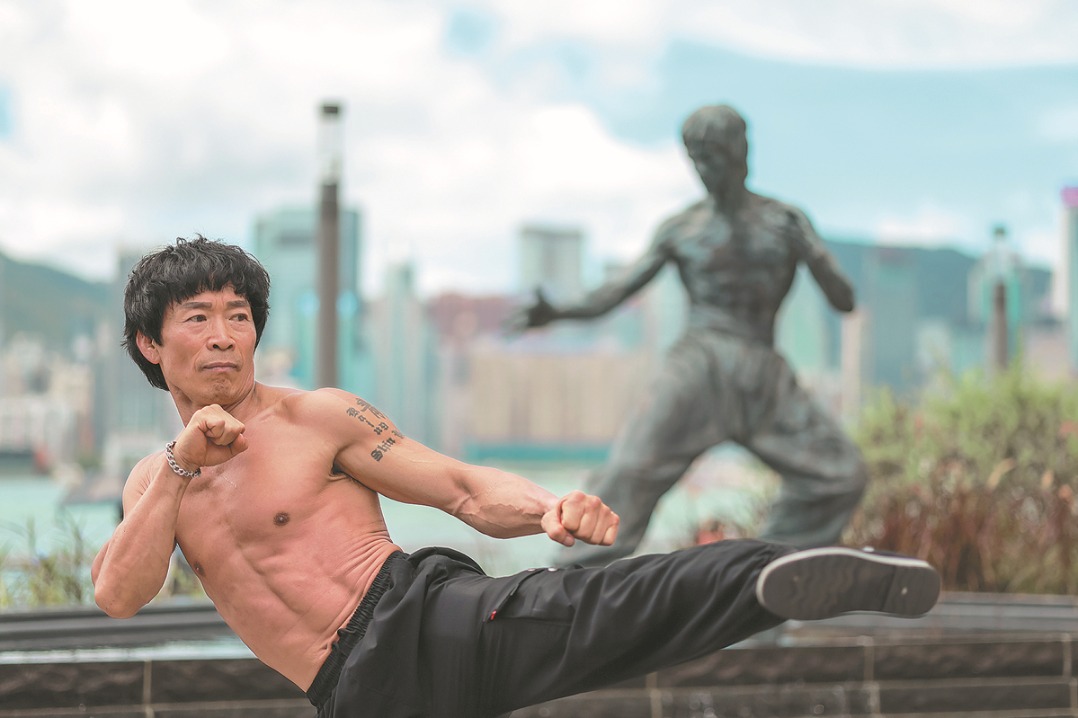
Fans from across the world pay tribute to Bruce Lee at his statue on the Avenue of Stars in Hong Kong. [Andy Chong/China Daily]
As Washington steadily broadens its national security restrictions to encompass an ever wider range of Chinese products, politics has proved far less successful at disrupting something more enduring: the cultural connections between the Chinese and American people. California's decision to establish an annual Bruce Lee Day offers perhaps the clearest reminder of that reality.
In late June, California Governor Gavin Newsom signed legislation to establish Bruce Lee Day, the first annual celebration dedicated to a Chinese American in the state's history. When the first Bruce Lee Day is observed on May 17 next year, it will not be just a belated salute to the martial arts icon, but will for the first time carve a Chinese name into the state's legislative memory.
The date itself carries symbolic weight: May 17 was the day Lee left Hong Kong for San Francisco at the age of 18, a pivotal moment that launched his career in acting and martial arts teaching. Bruce Lee's journey across the ocean and his legendary rise on both sides of the Pacific encapsulate his life's meaning. The deeper question, however, is not why California honored him, but why Bruce Lee still commands such reverence across the West more than 50 years after his death, and what that says about a cultural bridge that politics cannot break.