Story audio is generated using AI
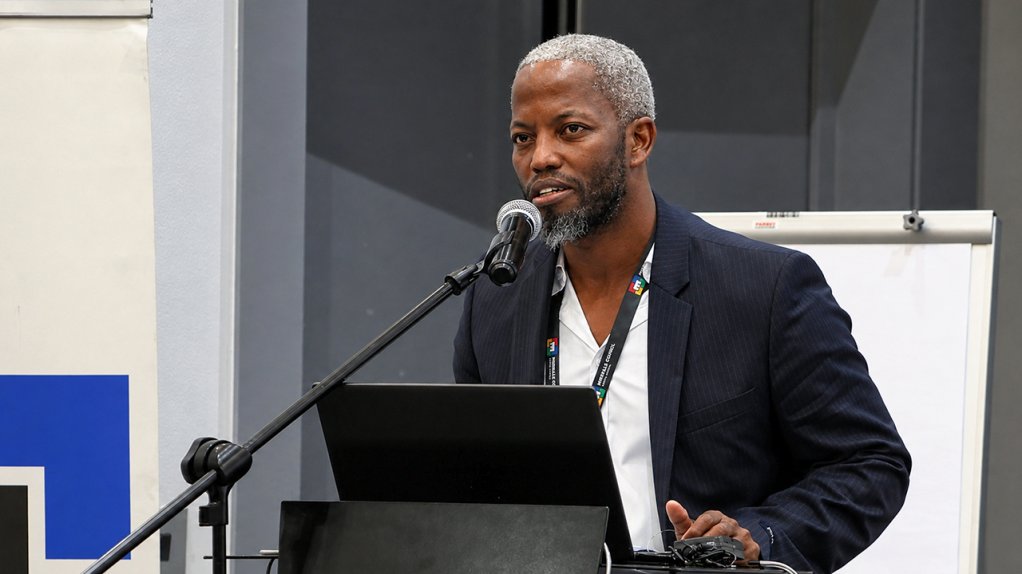
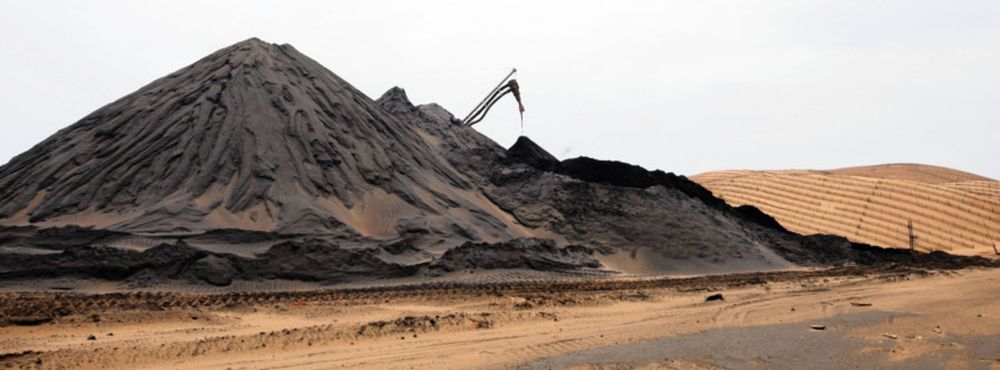
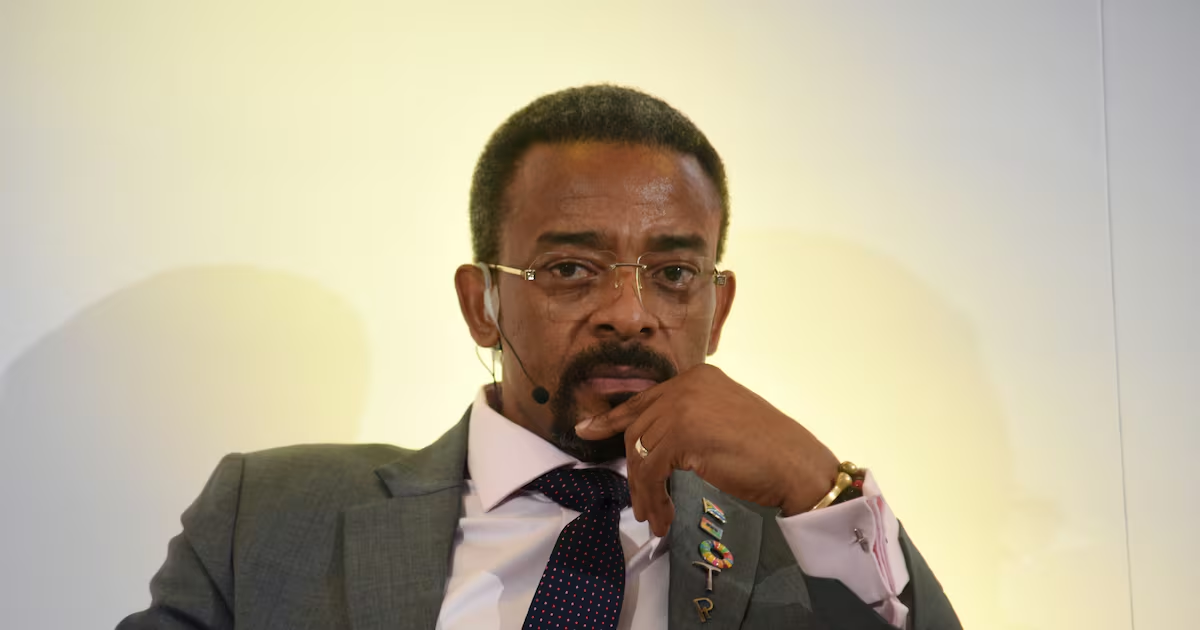
Making the issuance of mining rights conditional on beneficiation will undermine South Africa’s attractiveness as a destination for exploration and mining investment, the Minerals Council South Africa argued in parliament on Wednesday.Minerals Council CEO Mzila Mthenjane presented the mining industry’s views on the cabinet-approved Industrial Development Strategy 2026 to parliament’s trade, industry & competition committee along with representatives of the automotive, steel, ferro alloys, defence and metal recycling industries, among others. The committee is holding a three-day colloquium on the strategy after hearing submissions from trade unions, business organisations and economists on Tuesday. The strategy is organised around decarbonisation, diversification and digitalisation and aims to arrest deindustrialisation and revive manufacturing’s share of GDP.But there were complaints during the proceedings about a lack of consultation on the strategy. Seifsa CEO Tafadzwa Chibanguza noted that his organisation only saw the strategy when it was published, not having been involved in its production. “For policy to have legitimacy, you need to have the stakeholders participating not only in its development but also in its execution,” he said. Shortfalls could have been identified early on if this had been the case. Naamsa chief policy officer Tshetlhe Litheko also pointed out that the department of trade, industry & competition had not consulted automotive industry associations in the formulation of the strategy . A departmental official — while admitting that automotive industry associations were not consulted — said the bulk of the automotive master plan, which industry did contribute to, had been incorporated into the strategy . Committee chairperson Mzwandile Masina said it was clear that there had not been sufficient consultation with key economic sectors. Litheko noted that while the strategy established a strategic direction, it provided “limited certainty on long-term industrial policy, incentives and implementation timelines. A 10-year industrial policy framework was needed for long-term certainty, he said. As well as making the issue of mining licences conditional on beneficiation, Mthenjane also objected to the strategy ’s proposals for taxing and restricting exports of chrome. Such proposals were restrictive and punitive, he said. The aim of the strategy in making these proposals is to ensure that instead of simply exporting raw materials, South Africa adds value through beneficiation. “These are not proposals that will attract a much-required investment in the mining value chain, such as mineral exploration, the development of new mines or sustained investment in existing operations, and most likely will not invite investment in beneficiation processes,” Mthenjane said. “Mining and beneficiation are separate and distinct economic sectors in the mineral value chain. Beneficiation must not be imposed on mining — beneficiation forms part of manufacturing and downstream industrialisation. “As such, specific measures must be introduced to incentivise and attract investments to stimulate manufacturing of goods and increase demand for the mineral materials we produce and diversify our economy. Beneficiation needs a manufacturing base.“The availability of, and access to, minerals to process is not the constraint for beneficiation. Imposing beneficiation obligations and export restrictions on mining companies will not address those constraints limiting the growth of the manufacturing sector.” Mthenjane said lower electricity tariffs, incentives to encourage investments in exploration, well considered special economic zones and greater regional economic integration, logistics and development were needed to create bigger and stronger industrial hubs and markets.“The high price of electricity and difficulties with logistics, as well as availability and efficiency of other utility infrastructure, will determine whether South Africa’s industrialisation ambitions can be sustainably realised.” He noted that since 2003, electricity prices had increased by 1,185%, well above the rate of inflation, rendering steel manufacturing, ferrochrome and ferromanganese, vanadium and silica smelters globally uncompetitive and forcing their closure. Mthenjane expressed concern that key economic government departments such as trade, industry & competition, mineral & petroleum resources, agriculture and transport were poorly resourced with a collective budget of only R22bn.