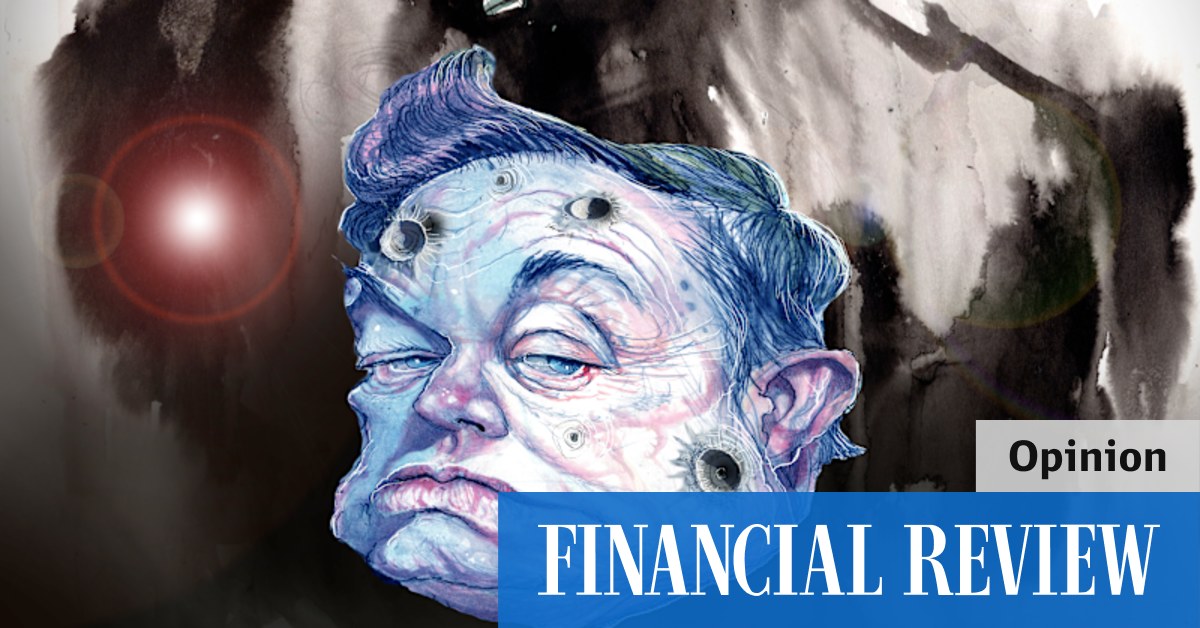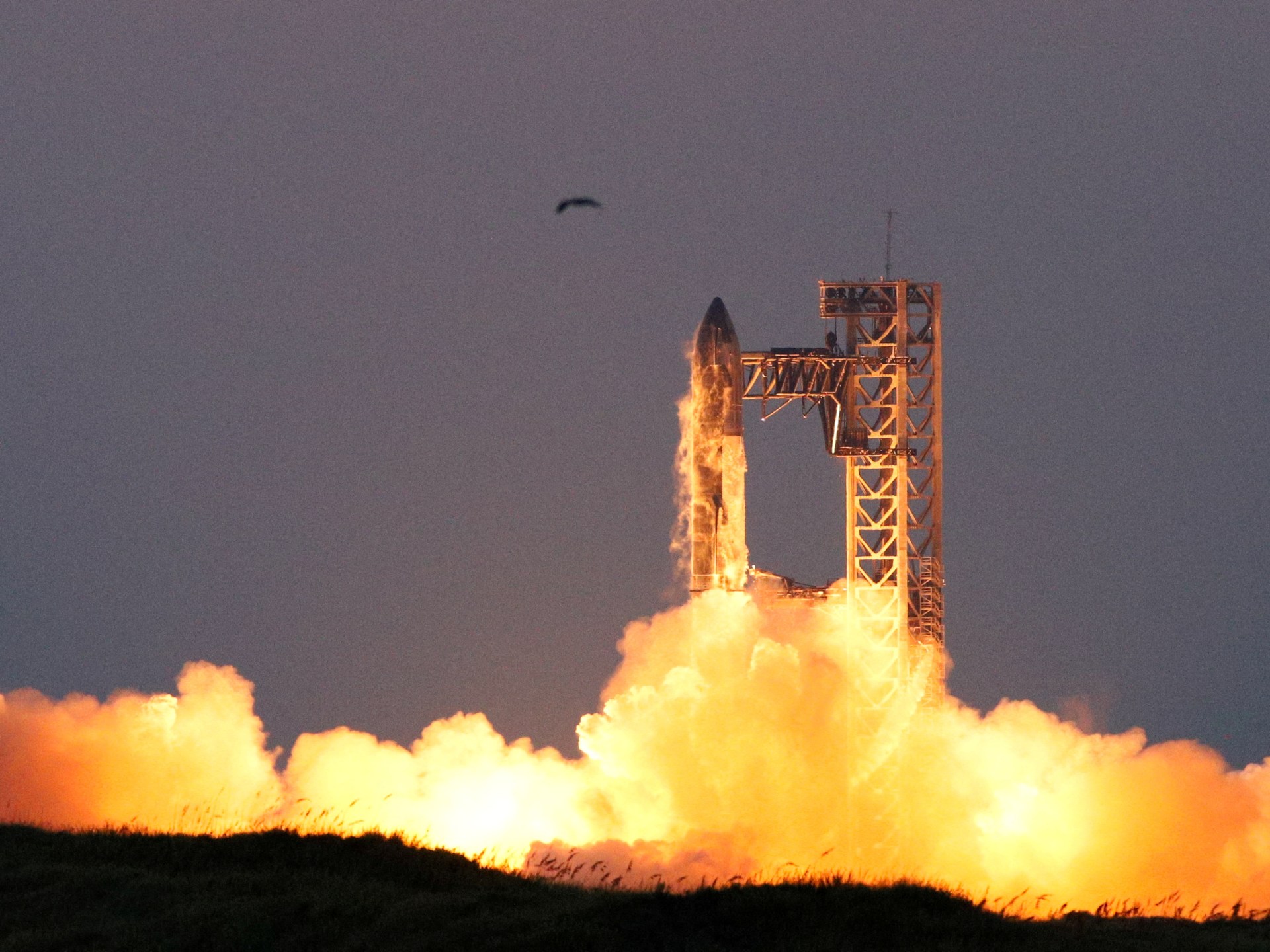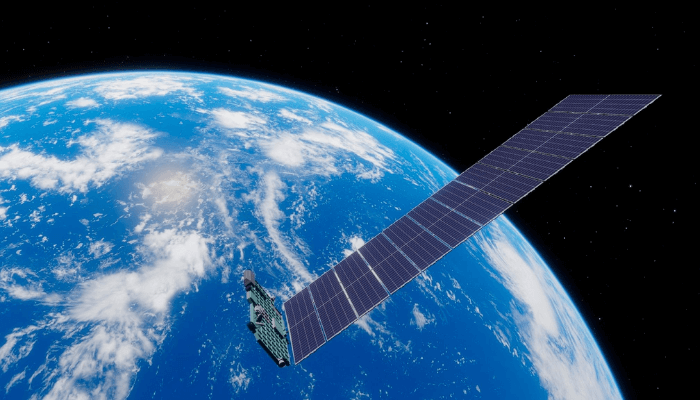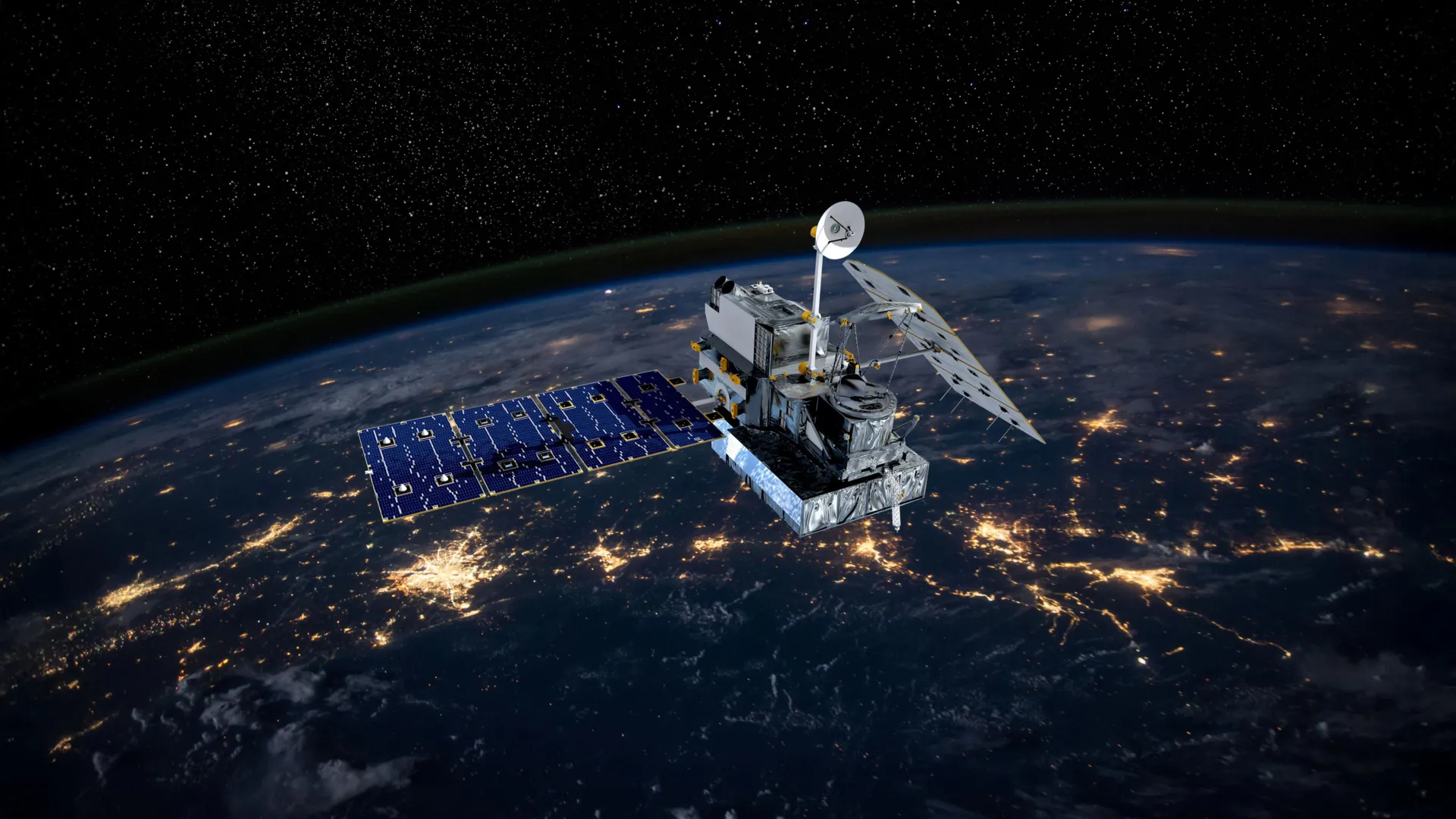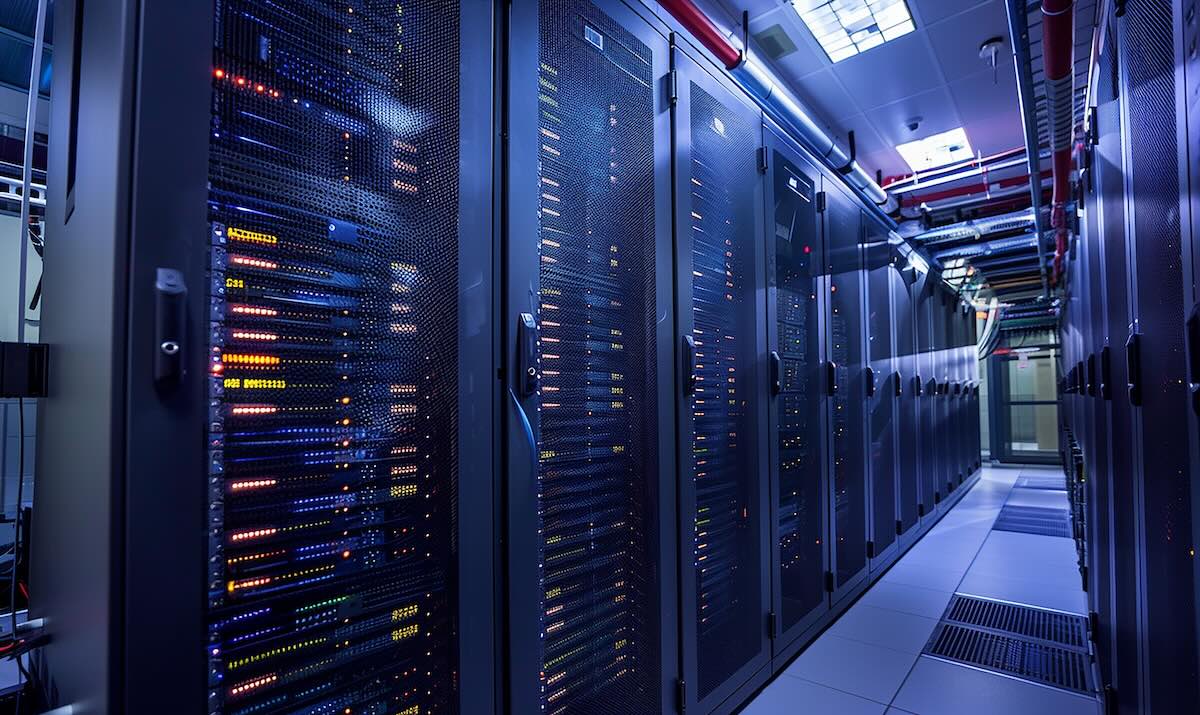
Elon Musk reckons that the newly floated SpaceX will be sending Ai data centres into orbit as soon as next year, powered by solar, and he also predicts a trillion dollars of revenue for the company within four years. Good luck with meeting those predictions.
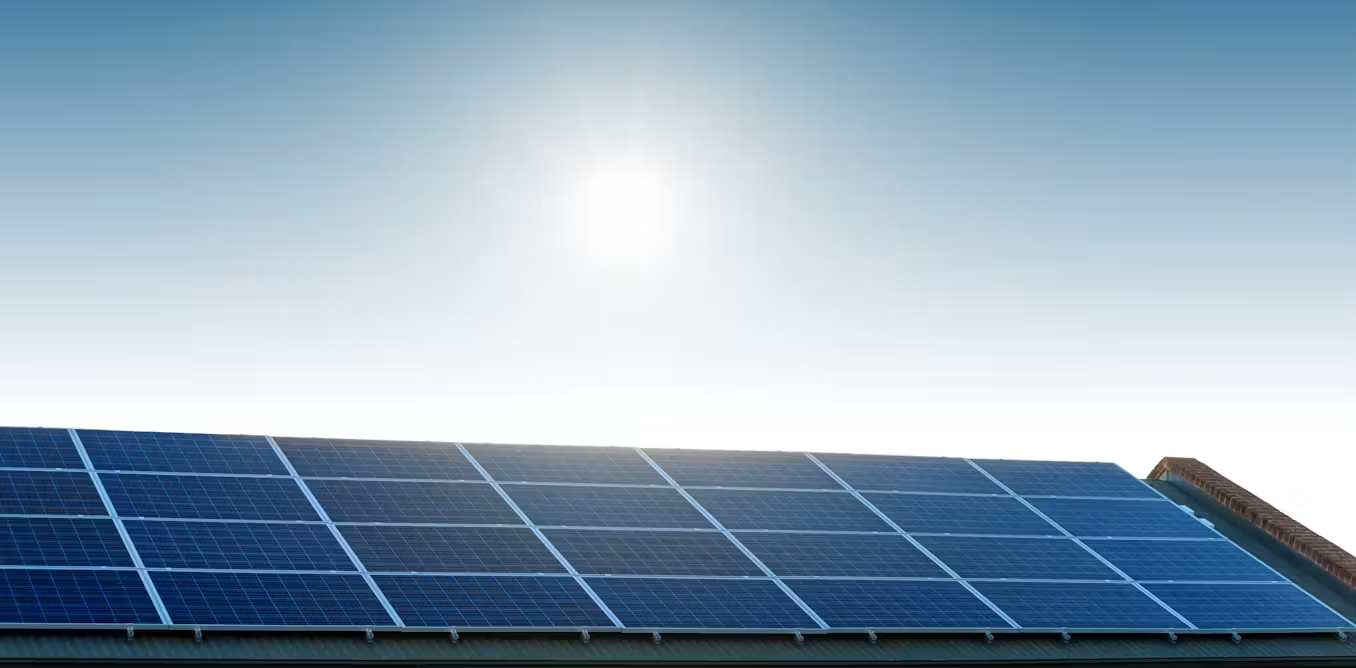
In Australia, there are more earthy ambitions, but the hope is that data centres can come to the rescue of the country’s renewable energy target, and even unlock those latent hopes of becoming a renewable energy superpower, although not in the way that most people imagined just a few years ago.
We’ll put aside Musk’s wild predictions for the moment, apart from noting that the market did not react well to his musings, and sent the share price of SpaceX down by another 10 per cent, or about $A200 billion.
It seems almost too casual to mention a loss of that size disappearing in a matter of hours, or even minutes, but that sum would easily cover the cost of what Australia needs in new wind, solar and storage investment to meet that now ambitious target of 82 per cent renewables, maybe twice over.
Musk is planning to power his orbital Ai data centres directly from the sun, but his terrestrial plans seem to be a mix of gas turbines and Tesla Megapack batteries. In Australia, if federal energy minister Chris Bowen and most other state energy ministers have their way, that wouldn’t be allowed.