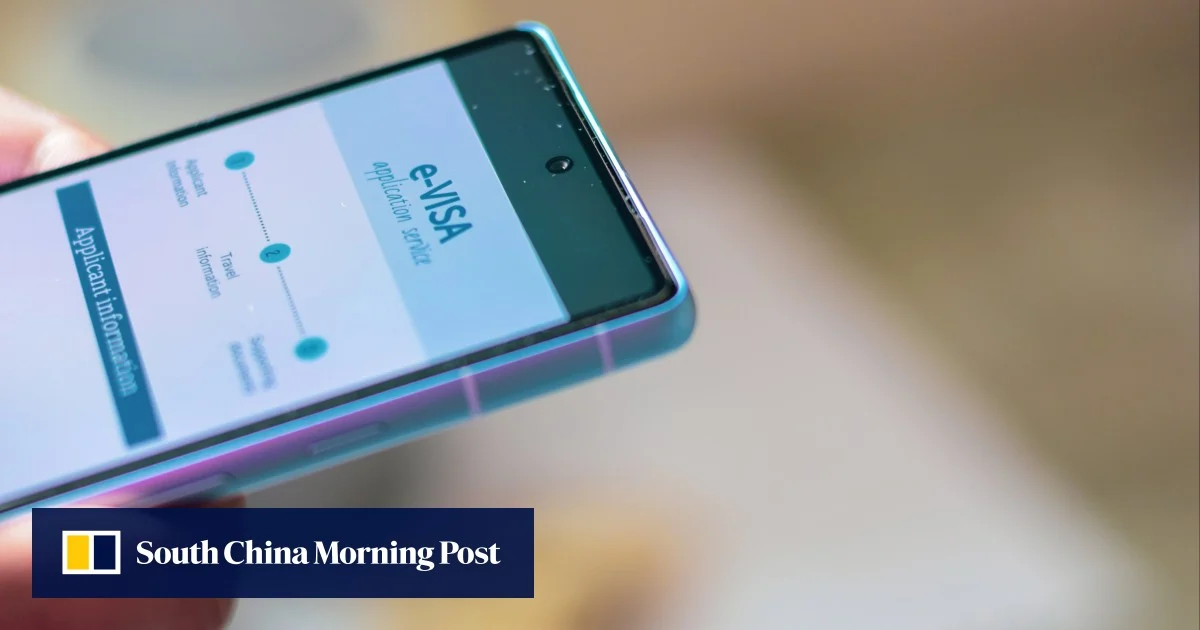
Six of the fraudulent sites have been referred to law enforcement, Sing Tao Headline reported on Aug. 5.
Privacy Commissioner Ada Chung Lai-ling told Commercial Radio the same morning that scammers are using AI to build the fake portals, making them substantially harder to distinguish from official ones.
Chung said e-visa applications involve large volumes of sensitive personal data belonging to applicants and their relatives, and that search platforms bear a responsibility to take fraudulent sites down.
The Office of the Privacy Commissioner for Personal Data said on Aug. 4 that complainants had been searching for destination visa, electronic travel authorization or arrival card application pages and clicked through from search results, Ming Pao reported.
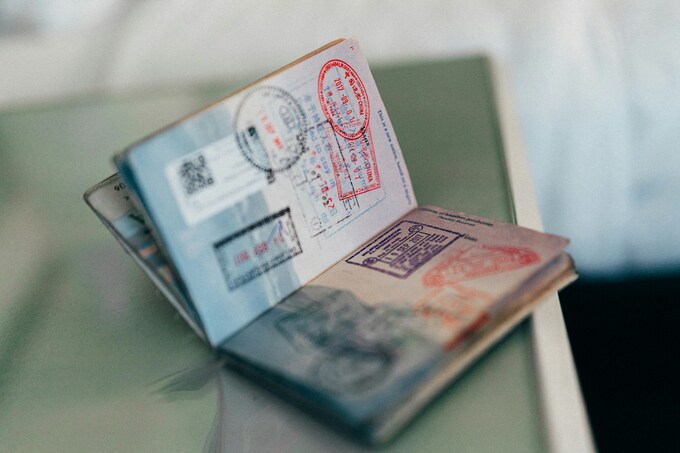
They submitted names, gender, nationality, passport numbers and dates of birth, then paid application fees and surcharges before realizing the site was probably fake.