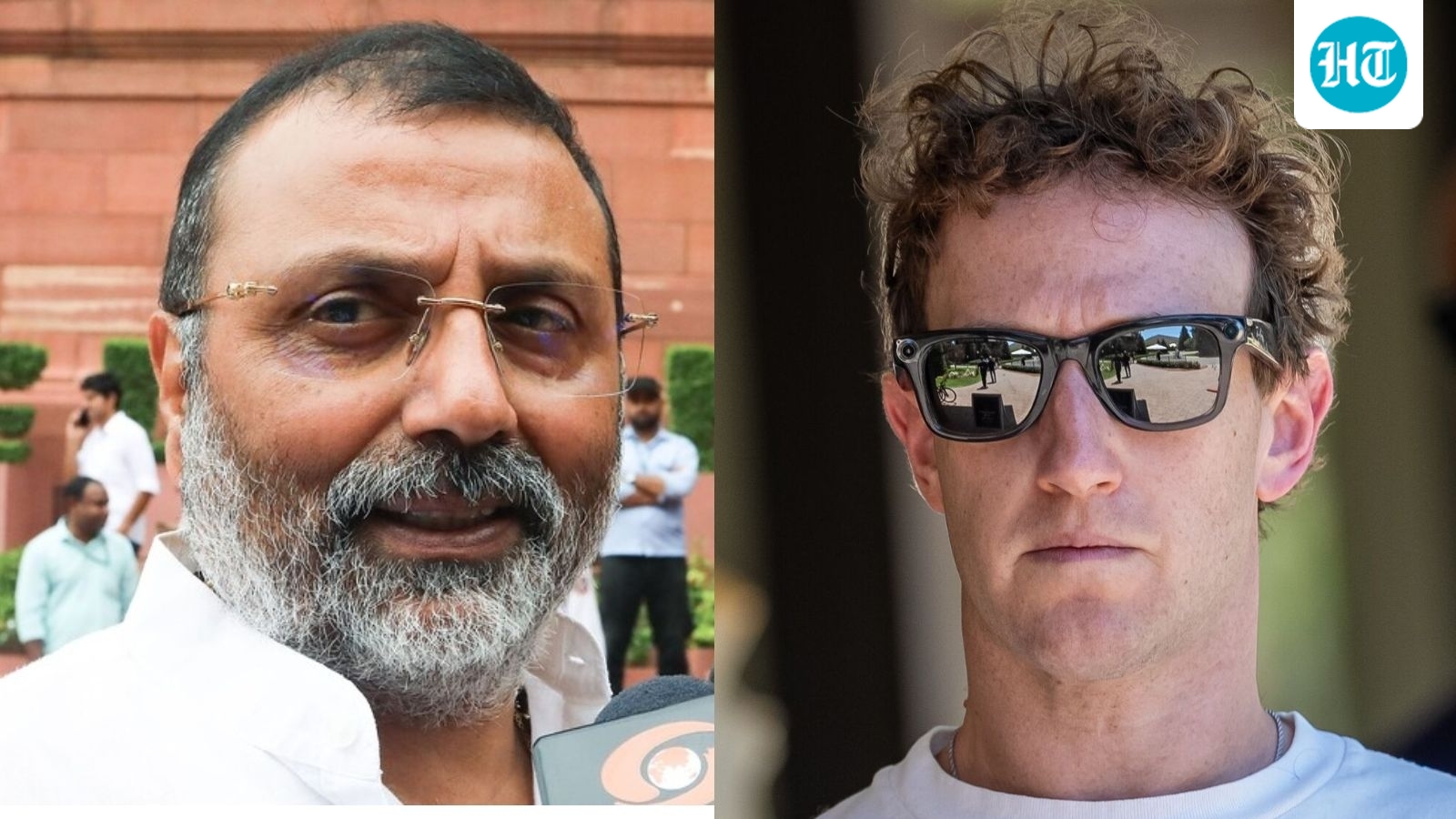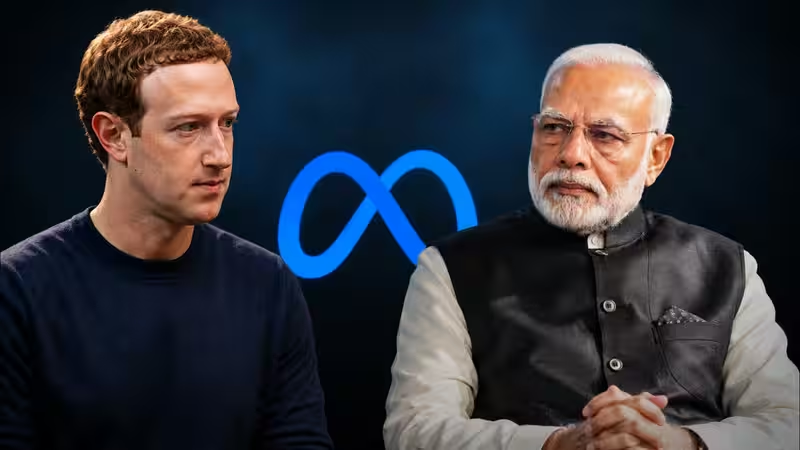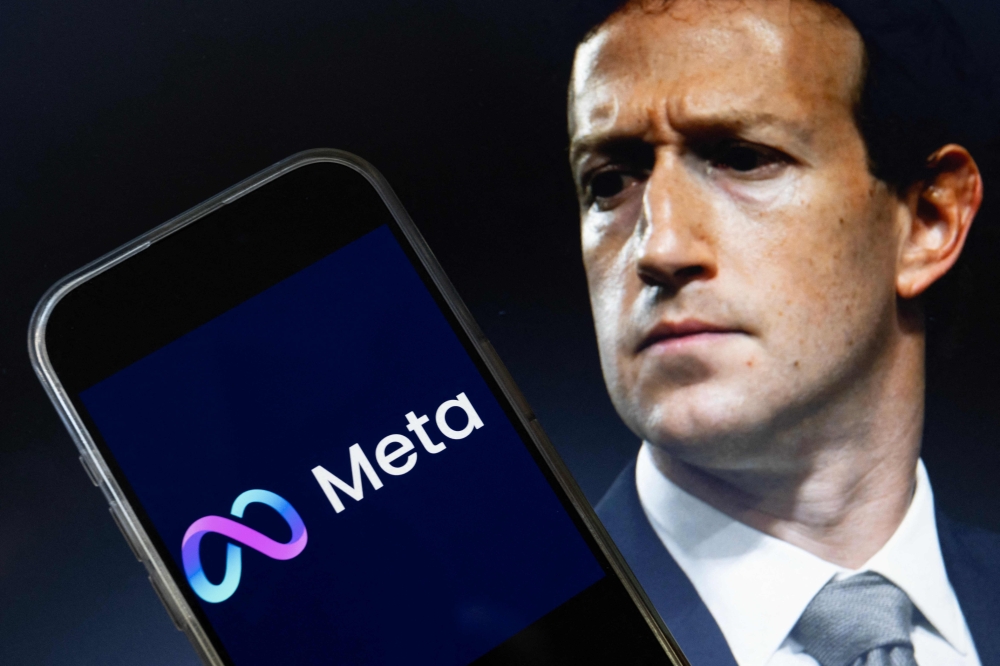
A white nationalist with neo-Nazi links who hurled racist abuse at the Indian prime minister during his visit last month is being paid by Facebook's parent company, Meta, to produce content.An ABC NEWS Verify investigation into several controversial Australian pages on Facebook has found that some are benefiting directly from social media monetisation programmes run by Meta.Hugo Lennon is a far-right agitator, who was formally moved on by Victoria Police for shouting profanities and racist abuse at Narendra Modi at a Melbourne hotel.He has been receiving revenue through Facebook's 'Content Monetisation' programme since September 2025.Lennon has been photographed with known neo-Nazis and has interacted with them online.His recent Facebook videos include his outburst at the Indian PM, and others referencing white supremacist concepts like replacement theory and remigration.The Noticer, a far-right Australian news website that regularly promotes white supremacist and neo-Nazi ideologies, has been making money through the same Facebook revenue programme since November 2025.There is a short period from 11 January to 15 February when it stopped earning money for unknown reasons.The Noticer is currently suspended from its X account, with a notice that the account is "temporarily unavailable, because it violates the X Hateful Profile Policy".A page promoting the anti-immigration group 'March for Australia', which also has close ties to neo-Nazis, registered for the programme in December 2025.Monica Smit, the founder of the anti-vaccine and anti-lockdown group Reignite Democracy Australia, joined Facebook's content monetisation programme in September 2025.She appears to have been earning advertising revenue through Facebook from as far back as 2017.Her page features vaccine misinformation and promotes the sale of "radiation protection" bracelets through her personal website.Hugo Lennon, Monica Smit, The Noticer and March for Australia did not respond to requests for comment.Invitation onlyFacebook distributed nearly $US3 billion (NZ$5.1 billion) to an estimated 16.2 million monetised accounts in 2025.Meta has published regular disclosures relating to these "partner-publishers" since 2019.Tech policy and accountability non-profit What To Fix collates this raw data into a searchable archive that was used by ABC NEWS Verify for this investigation.According to Facebook, the monetisation scheme that Hugo Lennon, Monica Smit, March for Australia and The Noticer appear to profit from is "an invitation-only programme that lets you earn money from the performance of your eligible public reels, photos, stories and text posts."What To Fix executive director Victoire Rio said it meant that, in effect, Facebook was in a business relationship with these people and organisations."If we consider that Meta is in a direct commercial relationship with its publishers, insofar that they're paying them royalties and that they have a monetisation agreement with them, then you could argue that they are liable for the content that gets produced by their business partner in some ways."Rio said she was no longer surprised by some of the pages Meta was choosing to monetise."We've actually encountered accounts affiliated with sanctioned entities that were part of those programmes," she said. "It's quite common that we see accounts that are very clearly in violation of their policies getting through."I think the question here really is the quality of the enforcement of those policies that they have."Policy ViolationThe pages examined by ABC NEWS Verify all appeared at times to be in direct violation of Facebook's own policies around content monetisation.They state that "debated social issues" such as race "may face reduced or restricted monetisation", while "misleading medical information" is "ineligible to monetise".Independent right-wing extremism researcher Kaz Ross said paying controversial creators was a deliberate strategy from Meta."Their financial model is to reward content creators who get engagement and, as we know, the best way of getting engagement is to produce rage bait, extremist material, aggravating material," Dr Ross said. "Anything that will get people upset and arguing is the best way to get engagement."Meta did not answer specific questions about these pages and their content, but provided a general statement."We have clear policies in place, which anyone using our monetisation tools must comply with."When Content Monetisation Pages violate our Community Standards, we apply penalties such as temporarily or permanently disabling their ability to earn on our platforms."Creators or publishers who repeatedly breach these policies will be removed from our platforms."The company also said it was "important to distinguish between speech that is offensive and content that could potentially lead to offline violence"."Such speech may be offensive to many, but it is not Meta's role to police offensiveness," it said.'Any amount is too much'Exactly how much money these specific creators have made from their Facebook pages is unclear, as this information is not made public by Meta.Dr Ross said any amount was too much."It's morally bankrupt to do that, to know that these people are producing content that's in breach of your own regulations, yet you're actually not just allowing them, but you're encouraging them by paying them," she said.Meta is also one of the few social media giants that discloses any information about who it is paying. Other platforms, like YouTube, TikTok and Twitter, have very little transparency in this space."I think, in general, Meta has been more forthcoming with transparency and that's something that should be lauded," What To Fix's Victoire Rio said."It's still a very low bar, and the question here is to really push for all platforms to at least meet that bar and if not actually go higher,' she said.- ABC
Facebook is paying controversial creators to produce rage-bait content
A white nationalist with neo-Nazi links who hurled racist abuse at the Indian prime minister during his visit last month is being paid by Facebook's parent company, Meta, to produce content.
886 words~4 min read