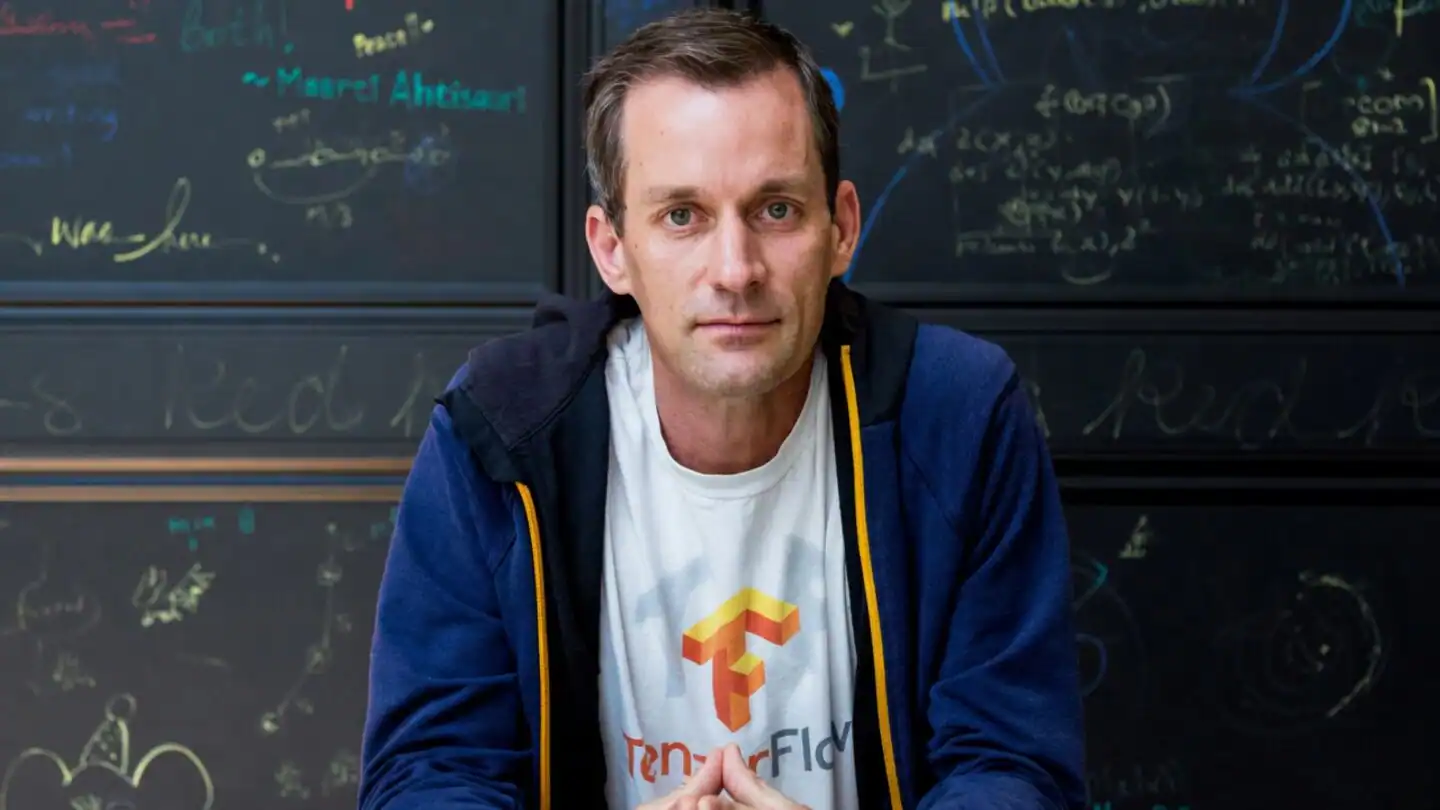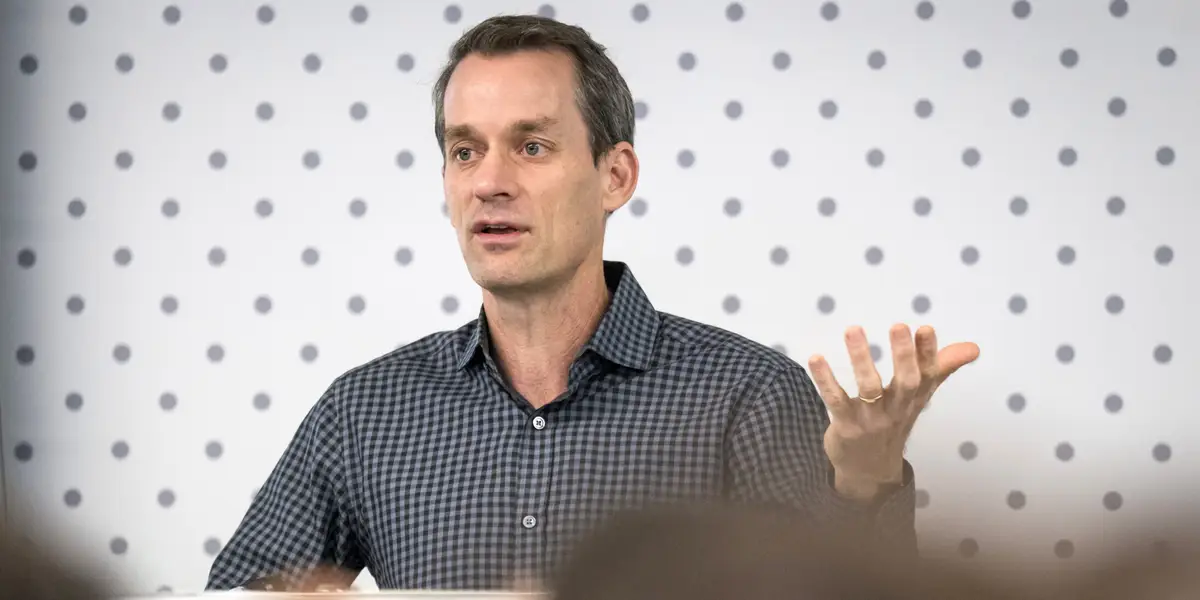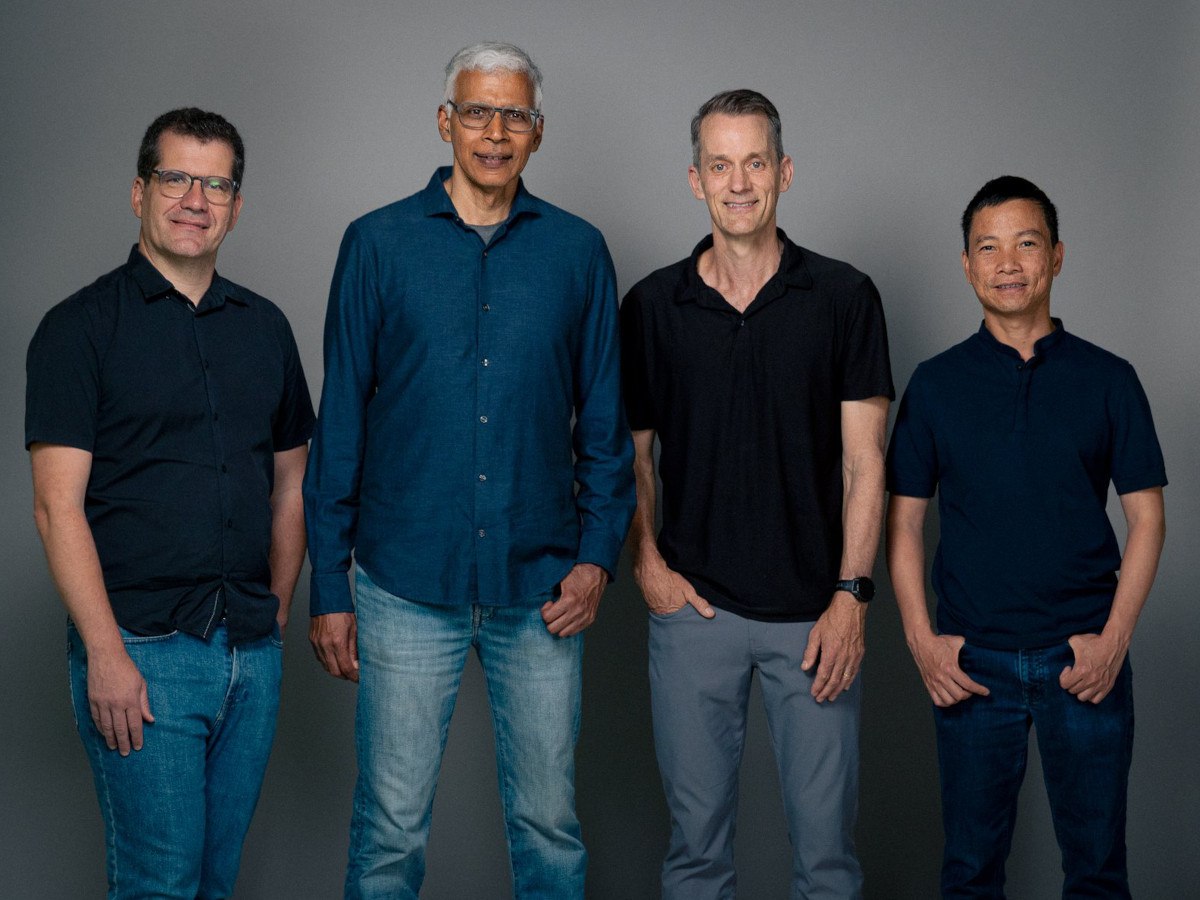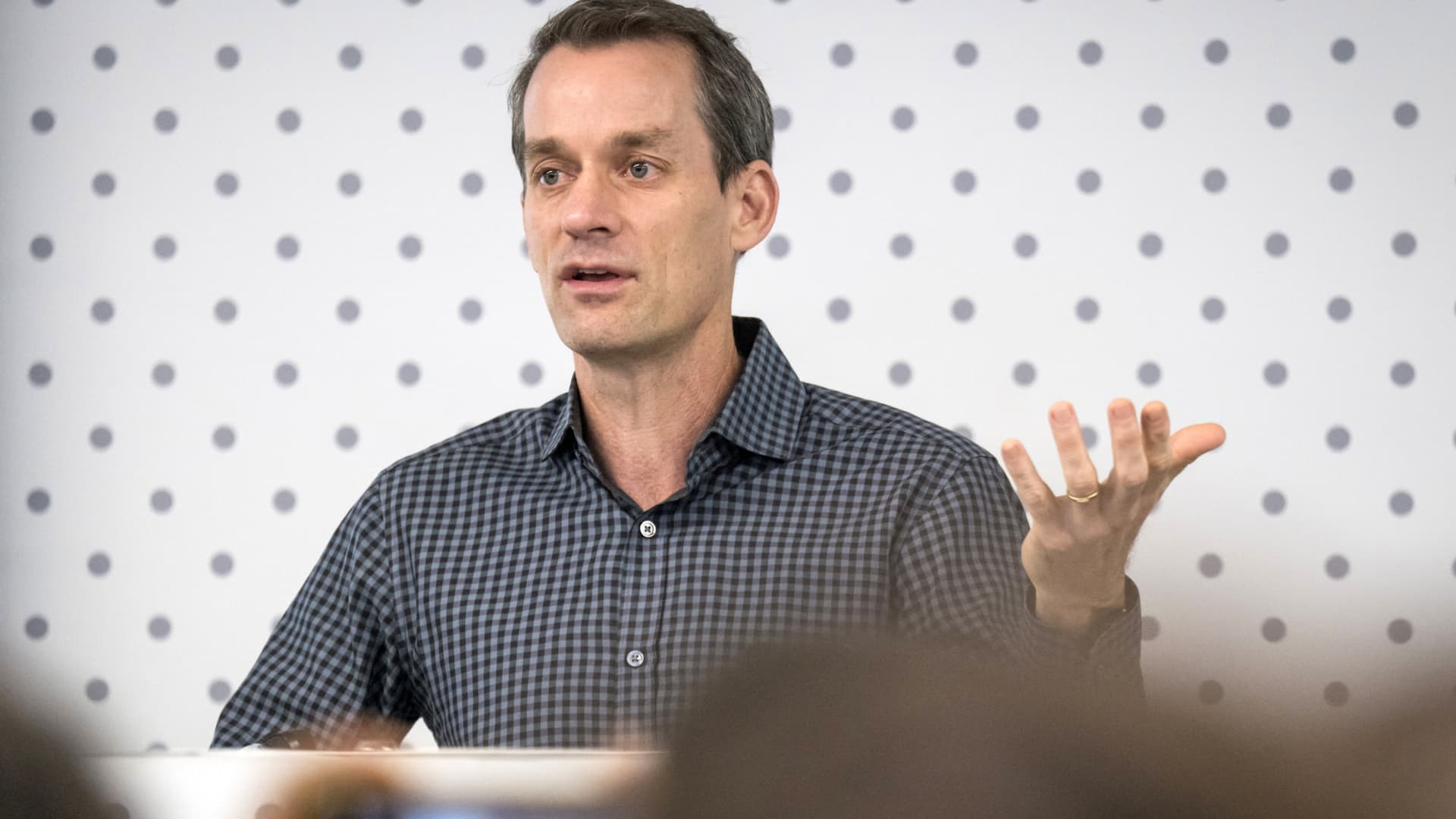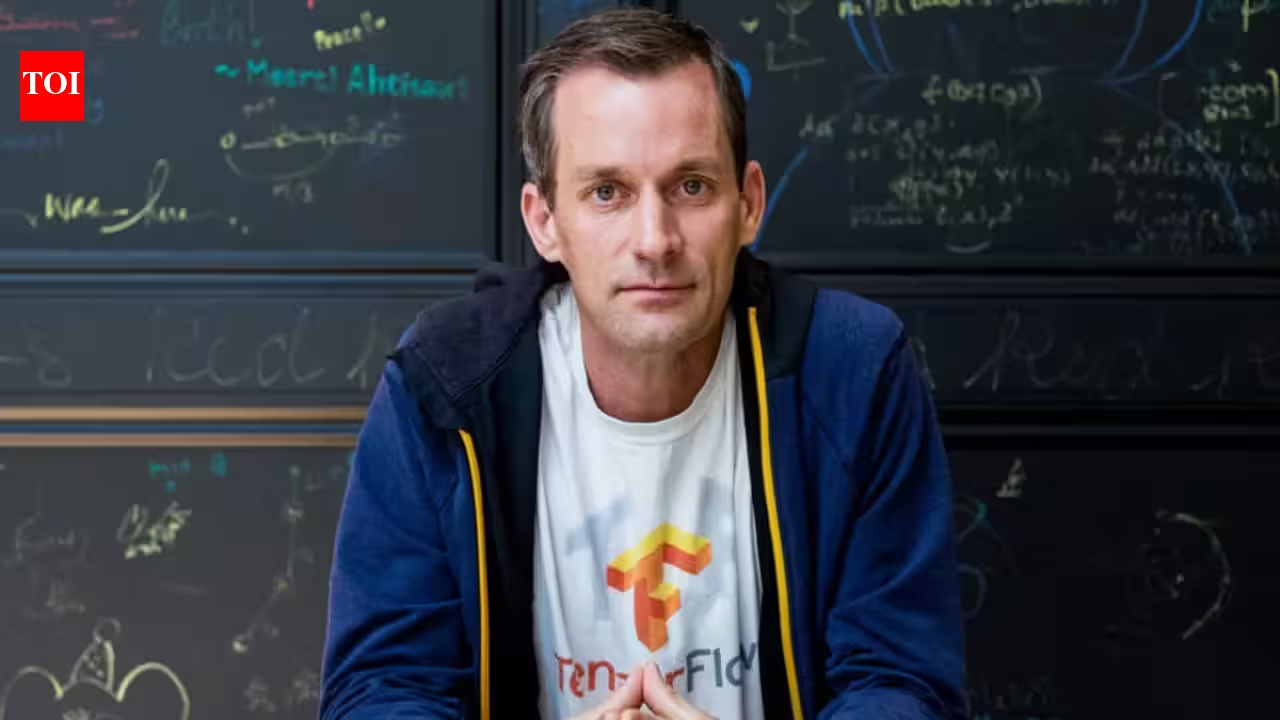
Jeff Dean, Google's 30th employee and chief scientist, is leaving after 27 years to lead AI startup Discovery Loop.Jeff Dean's farewell note to Google runs long, and the most telling part isn't about AI at all. It's a list. Wedged between scaling Google Search's index 100X and starting the TPU program, he mentions biking to offsites in Monterey, a group run called "Run or Else…", changing offices 18 times, and the fact that a Google badge gets you a cappuccino in more than 100 cities. Twenty-seven years, reduced to bullet points he clearly enjoyed writing.The news underneath the nostalgia: Thursday, August 6 is his last day. Dean, chief scientist at Google DeepMind and one of the very few engineers whose work touches nearly every layer of Google's stack, is leaving to co-found Discovery Loop, a public benefit corporation, with Sanjay Ghemawat, Oriol Vinyals and Quoc Le. He joined in 1999, when the company had 25 employees. He leaves it at 190,000-plus.CEO Sundar Pichai's send-off for Jeff Dean drew the same arc: over 27 years, he said, Dean and Ghemawat drove some of Google's most significant technology transitions, from its early search infrastructure to the neural networks that built the modern AI era. "On a personal note, it's been a privilege to work alongside Jeff and Sanjay," Pichai wrote, adding that Google will keep collaborating with the new startup as a founding investor and Cloud partner.What Jeff Dean built at Google, and what he wants to build nextDean’s résumé is most of modern Google. He wrote the first Ads system, helped launch News and Translate, and with Ghemawat designed MapReduce, BigTable and Spanner—systems that became the template for how Amazon and Meta handled global traffic. The two are the only Google employees ever named senior fellow, the company's highest technical honour. Then came 2011 and Google Brain, the research lab Dean built that pushed the entire industry toward AI. Its early hires included Le and Vinyals, the same two men now following him out.That's the quiet irony here. Brain's researchers helped pioneer the technology behind today's chatbots, and Google was slow to act on it. After ChatGPT landed in late 2022, the company folded Brain into DeepMind, and Dean and Vinyals were put on Gemini. His profile inside Google appeared to shrink as Sergey Brin returned and took hold of the AI push.Discovery Loop is an attempt to skip the bureaucracy entirely. The four want to build AI that improves itself with little human input—recursive self-improvement—then point the same machinery at chip design, drug discovery and materials science. Dean's argument is that the experimental loop has always been human-intensive and doesn't have to be. Seed funding comes from Radical Ventures, Khosla Ventures and Alphabet itself, which has also agreed to supply compute for at least a year. It's structured as a public benefit corporation, like Anthropic and OpenAI, and Dean says it may make calls that aren't in the company's purest financial interests.The note ends with an apology for being an email. He didn't want people hearing it as second-hand gossip, he writes, and invites anyone in Mountain View to stop by his desk. That's the tell. A man who spent 27 years building systems for a billion users at a time signed off worrying about how a few thousand colleagues would find out.Jeff Dean's goodbye email to Google, in fullSubject: Thank you and farewellHi everyone,It has been an absolute pleasure to work with you and to help build some of the most widely used and impactful products of all time. As a kid, I dreamed of helping build software that would be used by many people, and Google now has thirteen products used by more than a billion people (amazing!). Our work has had a tremendous impact in the world, and I have been lucky enough to collaborate and form friendships with many colleagues whom I deeply admire, respect, and enjoy. It still brings me joy every time I see people out in the world using our products to find information, handle email, translate something, watch videos, learn new things, navigate and understand the physical world, browse the web, use their phone, run large-scale computations on our infrastructure, ride in an autonomous vehicle, or perform complex tasks with the help of our AI systems. I hope you all share this sense of joy, because it is a shared accomplishment!My longtime friends and collaborators Sanjay Ghemawat, Oriol Vinyals and Quoc Le and I have been excitedly discussing how AI can help discover new things with the right kinds of automated loops. It's a big step, but we've decided to leave Google to co-found Discovery Loop, a new public benefit corporation whose mission is to automate machine learning, science, and engineering to accelerate discoveries and progress. Ambitious as it sounds, we believe this approach can make meaningful progress against many of the NAE Grand Challenge problems (nae.edu/20782/grand-challenges-project), and we are excited about trying something new, in a smaller setting. Sundar and Alphabet have been very understanding and are helping to support us along with outside investors. We leave with the belief that Google and Gemini are extremely well positioned for amazing impact in the future and we will all be cheering you on from outside!I have deeply enjoyed collaborating and starting many different kinds of projects here over the last 27 years, and I will miss many aspects of this. Some of the projects and memories I will cherish include:Working on multiple generations of Google Search as we increased our index size 100X, our queries served / sec 1000X, and our update frequency for the index by 10,000X over a few-year periodCreating the first Google Ads system and later creating and launching Google Content AdsHelping to launch Google News and Google TranslateWorking on infrastructure like MapReduce, BigTable, Spanner, DistBelief, TensorFlow, and Pathways with an awesome set of peopleStarting the TPU program and working on other exciting hardware projects with talented colleaguesDoing research with many others on unsupervised learning, model distillation, mixture-of-experts model architectures, word2vec, neural architecture search, RL for ASIC design, AI for health care, and working on multiple generations of Large Language Models (LLMs)Seeing the awesome work that people in Google Brain and Google Research did over many years when I was lucky enough to manage these organizationsStarting the Gemini effort with Oriol Vinyals as co-tech-leads and working with an amazing team on multiple generations of Gemini and GemmaBiking to offsites in MontereyThe "Run or Else…" group runs over the last few yearsChanging offices 18 times, and visiting 29 Google offices across five continents (did you know that with a Google badge, you can make a cappuccino in more than 100 cities around the world?)Most importantly, feeling lucky and inspired getting to work amongst such a wonderful and talented group of colleaguesTo the many, many people with whom I have worked over the years, I apologize for this impersonal email rather than a face-to-face chat: I didn't want you all to find out through second- or third-hand gossip and it was impractical to tell everyone in a more personal way all at once.I will be at Google through tomorrow, August 6th. If you're in Mountain View and are so inclined, please stop by my desk and say goodbye in person tomorrow, or drop me a reply to this email. There will be a [remainder redacted in the shared screenshot]All the best!-Jeff
After 27 years and 18 desk moves, Jeff Dean is leaving Google; His ‘goodbye email’ explains why
Jeff Dean's farewell note to Google runs long, and the most telling part isn't about AI at all. It's a list.
TL;DRAI
Jeff Dean leaves Google after 27 years as chief scientist to co-found Discovery Loop with Ghemawat, Vinyals, and Le, building self-improving AI systems for scientific discovery. Manager signal: autonomous research outpaces corporate bureaucracy; Alphabet invests as founding partner in recursive self-improvement vision.
1,230 words~6 min read