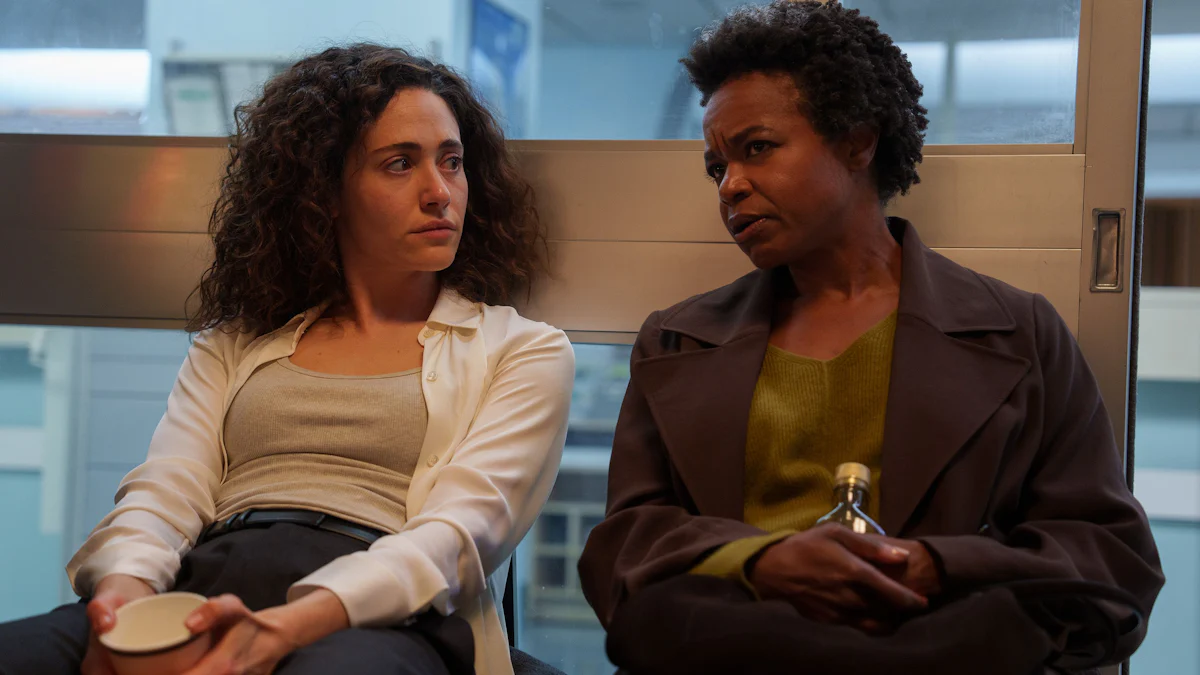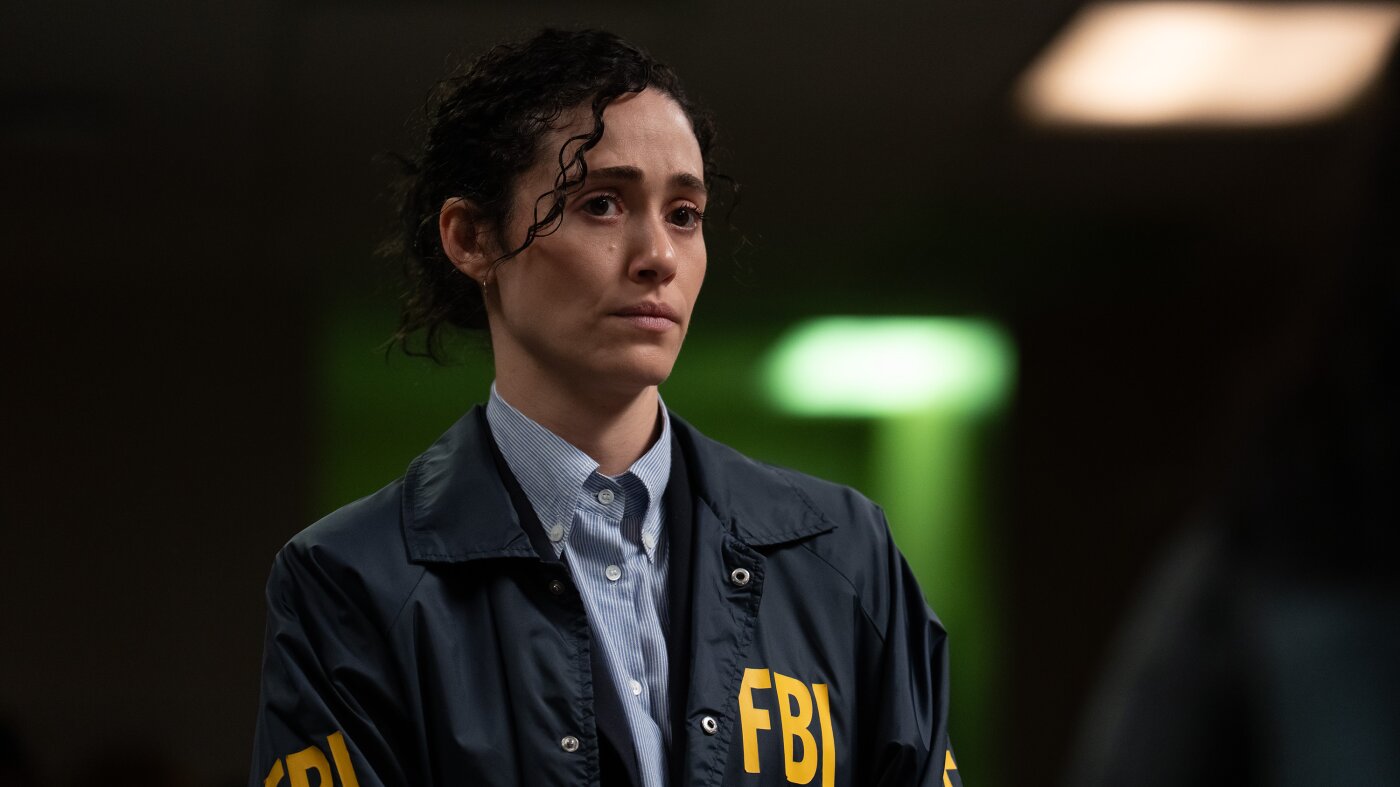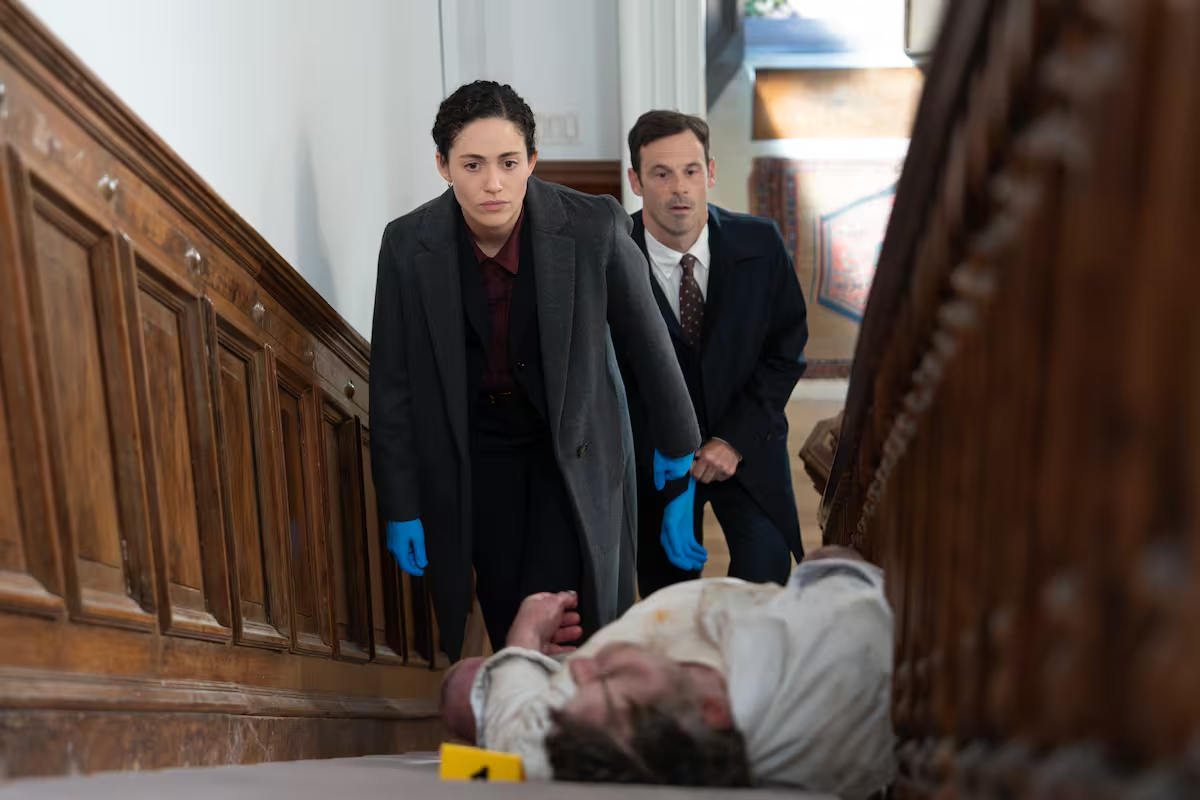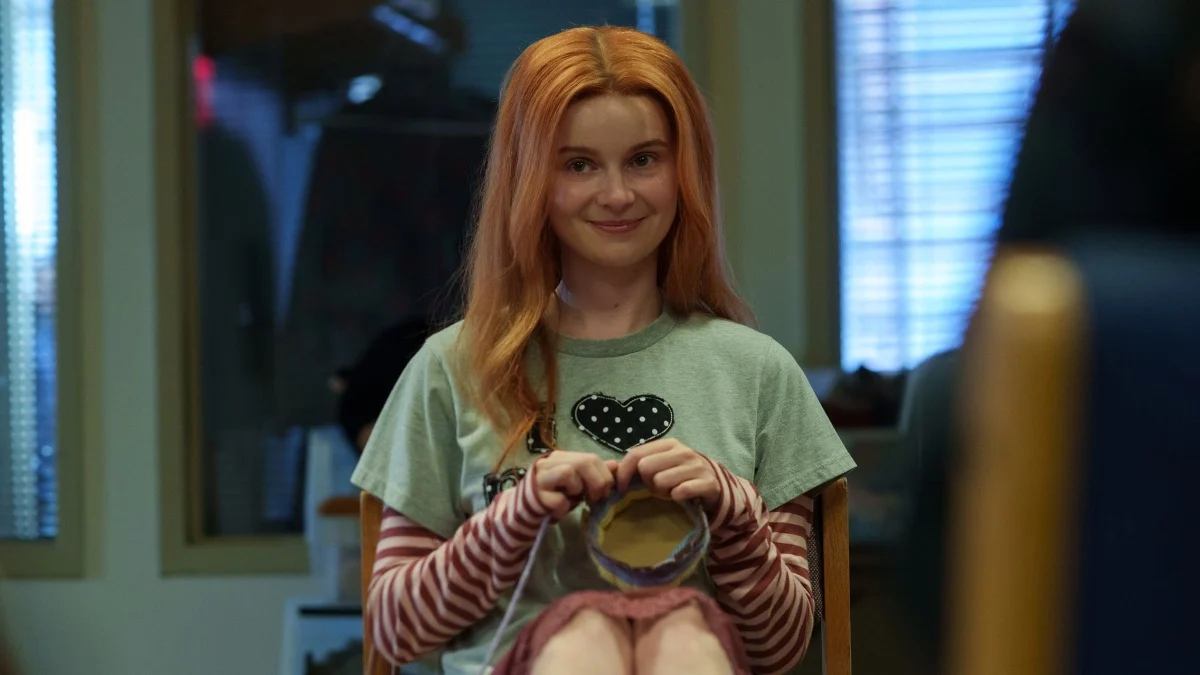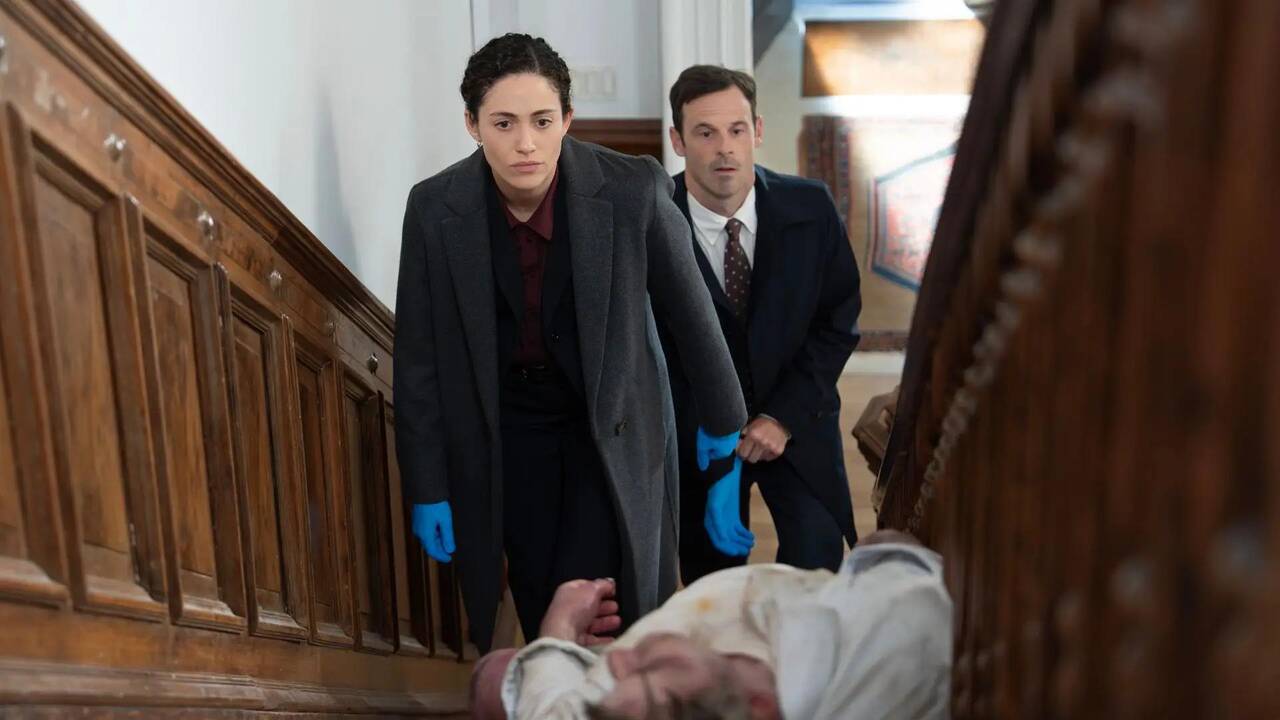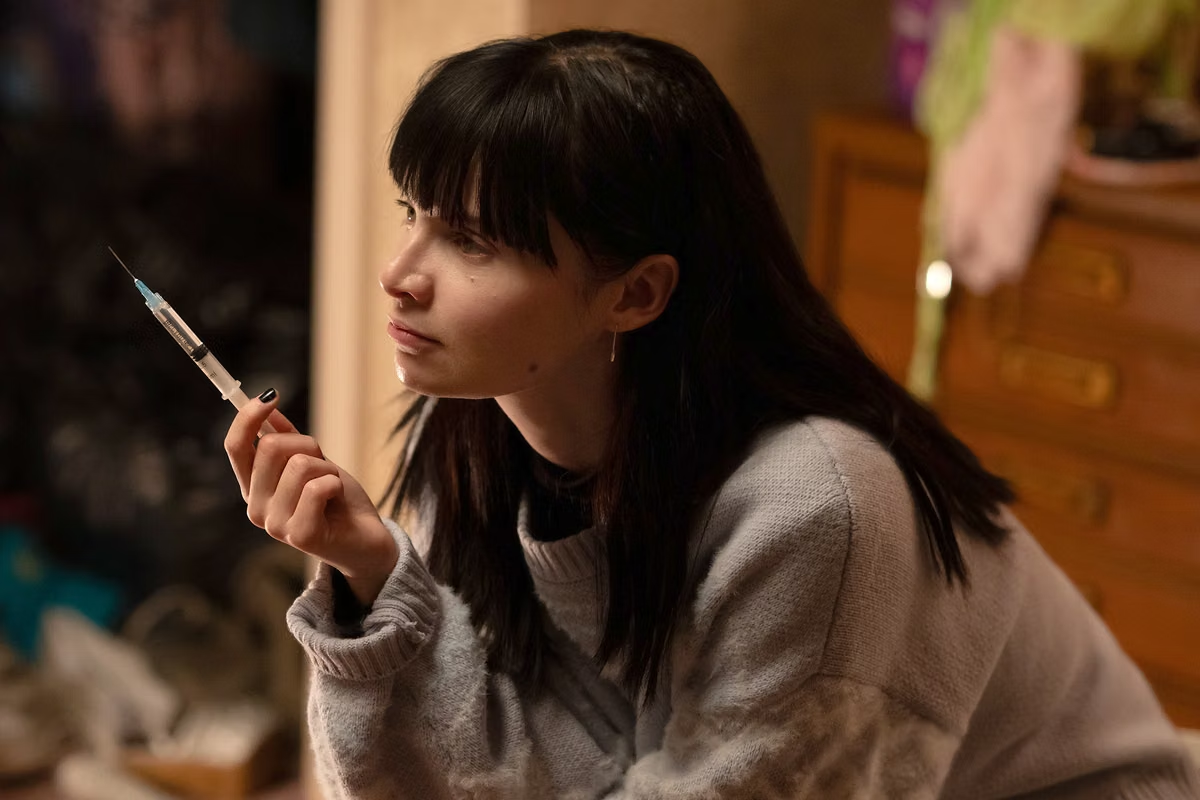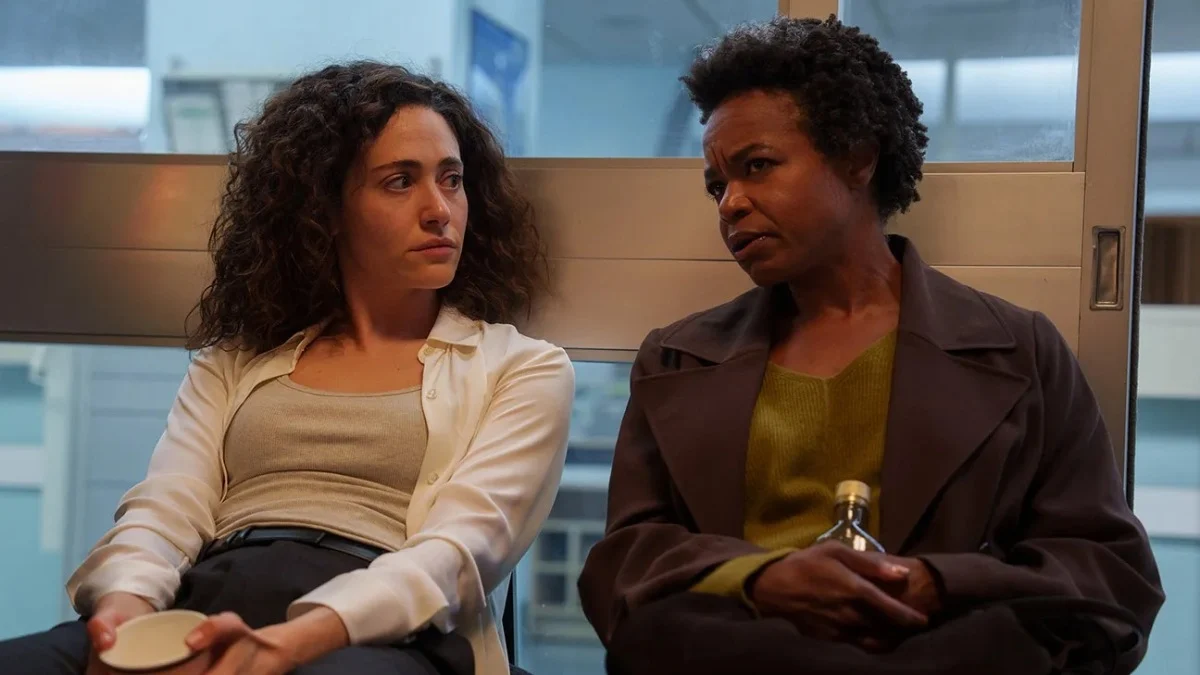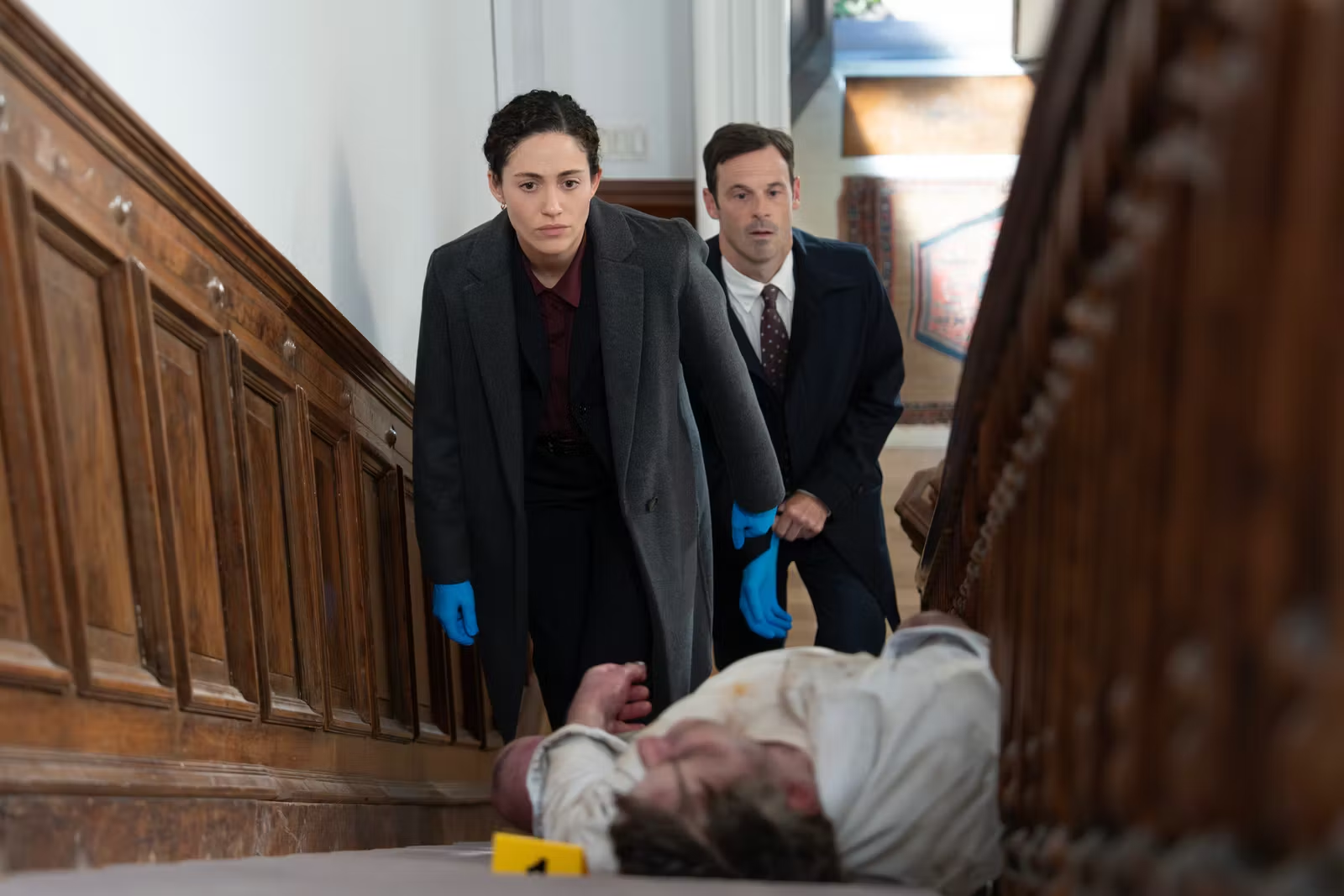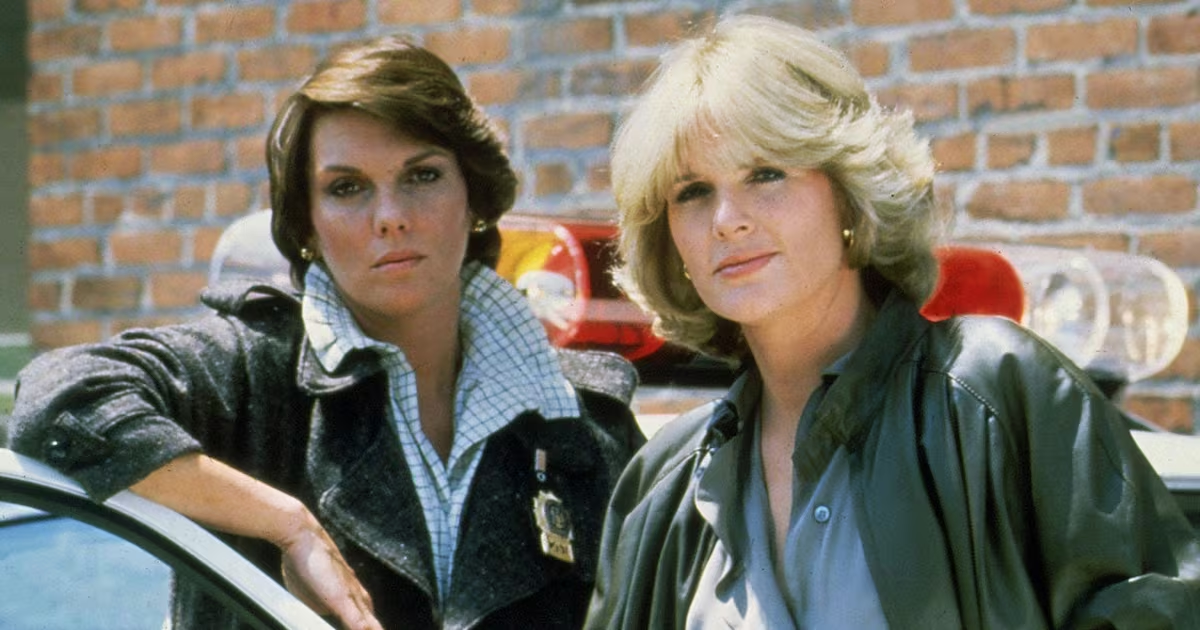
I am really compelled by Furious, the new Disney crime drama from Elizabeth Meriwether, who created New Girl. It’s thoughtful, moving and layered and deals with some pretty deep themes of abuse, trauma and care as our flawed, odd heroine FBI agent Alice Black (the excellent Emmy Rossum) pursues a complicated, sympathetic serial killer (the brilliant Lola Petticrew).[ Furious: Lola Petticrew is at once menacing and vulnerable in visceral new thrillerOpens in new window ]“Whaaaat? A female serial killer???” says you. Hey, you chauvinist! It’s the 21st century. A young girl can be whatever she dreams of being: a middle manager, the owner of a small to medium enterprise, a crypto investor, a tech CEO, an AI prompt engineer, a serial killer, anything except a homeowner, really. “You could totally kill a man in cold blood and get away with it if you wanted to,” is something I say frequently to my niece because I’m a good ally.Here are my favourite female-helmed detective shows. Miss MarpleMargaret Rutherford as Miss Marple Agatha Christie’s underestimated septuagenarian was constantly solving cosy murders. As a child watching Joan Hickson’s iteration of the character on BBC One I developed unreasonable faith in the crime-solving powers of the aged. Luckily by my teenage years I realised the old were largely just narcs so steered clear, safe in the knowledge that I would never age. Hard to believe that Hickson was in her forties when they shot the original series*.(*This is just a lie) Murder, She WroteAngela Lansbury as Jessica Fletcher in Murder, She Wrote This is how a contemporary version would be pitched: Traumatised by the death of her husband, her lack of children and a horrific wave of murder that has engulfed the town of Cabot Cove, tragic novelist Jessica Fletcher solves crimes when not weeping and drinking herself to sleep. Her catchphrase? “So much ... death.”They went a different way on shows like this in the 1980s. They liked jaunty death back then. I think it had something to do with Reaganomics. In the credit sequence alone Jessica Fletcher (Angela Lansbury) is a glowing advertisement for dead husbands, being child free and having a lot of hobbies (bicycling, writing, gardening, snooping, sending people to the electric chair). She’s having the time of her life, not a phone in sight. Cagney and LaceyThe novelty in this show about policemen is that it was about female policemen. It’s so early in the history of television the term “policeman-ess” wasn’t even invented. Cagney and Lacey was great. It was also a strangely gritty and working-class show for the American 1980s, with Lacey living with domestic ordinariness with blue-collared, moustachioed Harvey (the perfect man) while Cagney sank into alcoholic depression and self-destruction because she was single. This was once considered an anti-feminist move on the part of the makers (see: Susan Faludi’s Backlash) but nowadays it fits right into the sad-girl heroine tradition beloved by Gen Z so it’s probably fine. Wonder WomanLynda Carter as Wonder Woman I have a few things in common with Wonder Woman. 1) We do a lot of our job in our pants and 2) in times of stress, we spin rapidly around in a circle. She emerges from her spin as the iconic superheroine Wonder Woman, who can deflect bullets with her jewellery and owns an invisible plane. I emerge from my spin and write my weekly Irish Times column.Charlie’s AngelsThree strong confident second-wave feminists with all three of the 1970s-permissible hairstyles do kung fu kicks and wear disguises. But wait, who’s that on the phone giving them orders? It’s the goddamned patriarchy (“Charlie”) sounding all handsome. This, children, is what life was like before we outsourced mansplaining to ChatGPT. Velma and Daphne from Scooby DooDaphne and Velma in the original Scooby-Doo Scooby Doo was ahead of its time as a groundbreaking work of anthropology that defined all five types of teenager: glamour girl (Daphne), jock (Fred), nerd (Velma), burnout (Shaggy), incoherent talking animal (my nephew Eli). In each episode they would solve a crime in which an old man was pretending to be a ghost to keep people away from a rundown funfair/house/factory. There was an absolute spree of this sort of crime in the 1970s and 1980s. The lion’s share of the actual detection was left to Velma and Daphne because the collective term for Shaggy, Scooby and Fred’s breed of masculinity should probably be “a crisis”. They never thought to investigate why their dog could talk. Clarice from Silence of the LambsThe Silence of the Lambs: Jodie Foster as Clarice Starling in Jonathan Demme's 1991 film. Photograph: Orion Poor Clarice (Jodie Foster). She didn’t have a hope in the charisma stakes against beloved foodie and bon vivant Hannibal Lecter (Anthony Hopkins). Ah, Hannibal Lecter and the way he might look at you (hungrily). The last American presidential election had a touch of Clarice (technocracy in a sensible suit) versus Hannibal Lecter (he may kill us all but he’s quite interesting). The vibe has shifted a lot since the 1980s and nowadays Lecter, with his non-PC, anti-woke opinions (“eating people is fine”) would at the very least have a food and drink column in the Spectator. It would be seen as bad taste to bring up the whole cannibalism thing. The BridgeSofia Helin in the The Bridge I loved the Danish-Swedish version in which literal-minded Swede Saga Norén (Sofia Helin) solved grisly crimes that occurred in the middle of the big bridge that joins Denmark and Sweden while her Danish sidekick Martin (Kim Bodnia) chortled with delight. It was strange to me that within two years an almost identical American remake was in the works. Remaking it then didn’t really make sense. Now I feel differently. Given America’s crumbling infrastructure, the first episode of a new remake could be Scandinavians explaining how to tax, fund, engineer and then maintain a bridge. Then they could have crimes on it. Series two could be called A Functioning Public School System and series three could be called Universal Healthcare. They could have crimes on each of those things. Basically, I’m proposing a way of Trojan-horsing social democracy into American consciousness via remakes of Scandidrama. Happy ValleySay 'cheese': Sarah Lancashire in Happy Valley I can’t wait to go to Sally Wainwright’s Happy Valley. It sounds so chill and awesome and fun. Oh no! This valley isn’t “happy” at all. It’s been deindustrialised into purposeless addiction, poverty and brutish pleasure-seeking and our deadpan heroine, Catherine Cawood (Sarah Lancashire), is doing her best to keep a lid on it all while grappling with the tragedies of her own past. Thankfully she has retained a sense of humour about it and Happy Valley remains a strangely humane look at fractured communities and the power of human connection. That said, it should have been called I Feel Ambivalent About This Valley, To Be Honest with You. Poker FaceJust one more thing: Natasha Lyonne in Poker Face I am absolutely fine with the fact that Poker Face, Rian Johnson’s show about a crime-solving hobo with the ability to tell when someone is lying, basically involves Natasha Lyonne travelling from town to town doing a Columbo impression. And so should you be. It’s excellent. Now go away and watch it.
Patrick Freyne: Cagney, Lacey, Velma, Daphne – here are my favourite female TV detectives
FBI agent Alice Black in new Disney crime drama Furious is following in the footsteps of these crime-solving heroines
1,210 words~6 min read