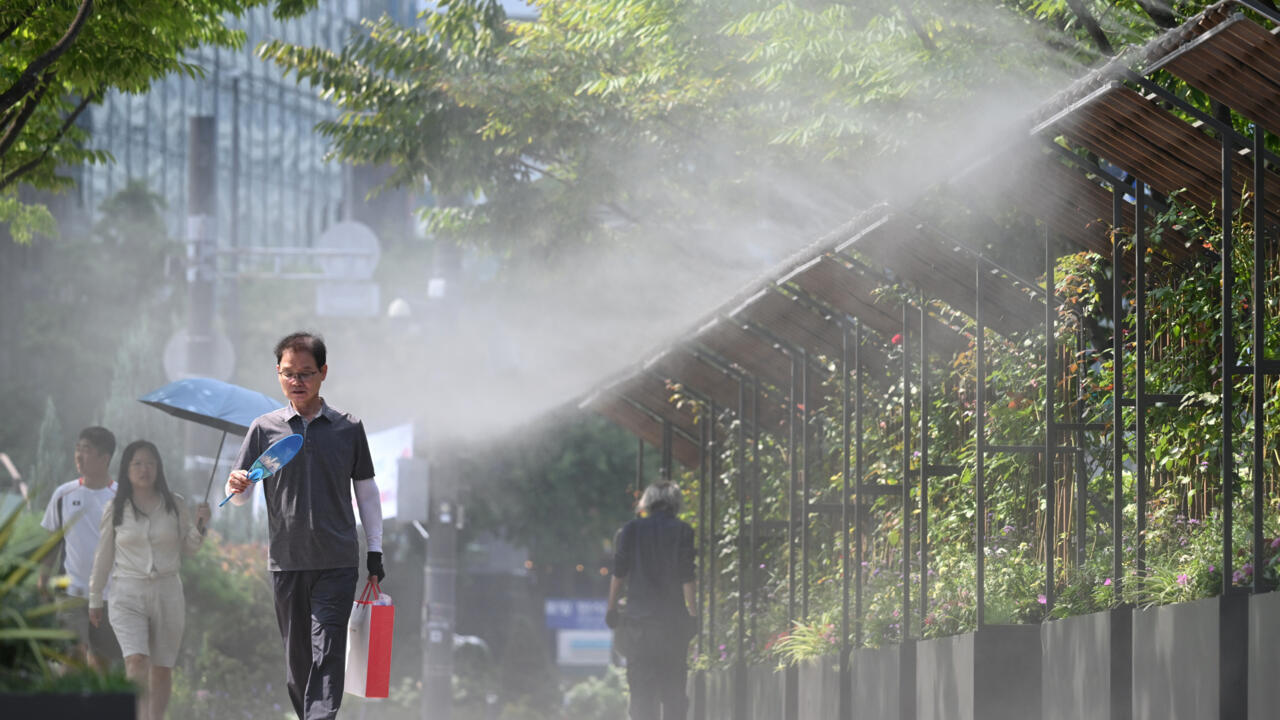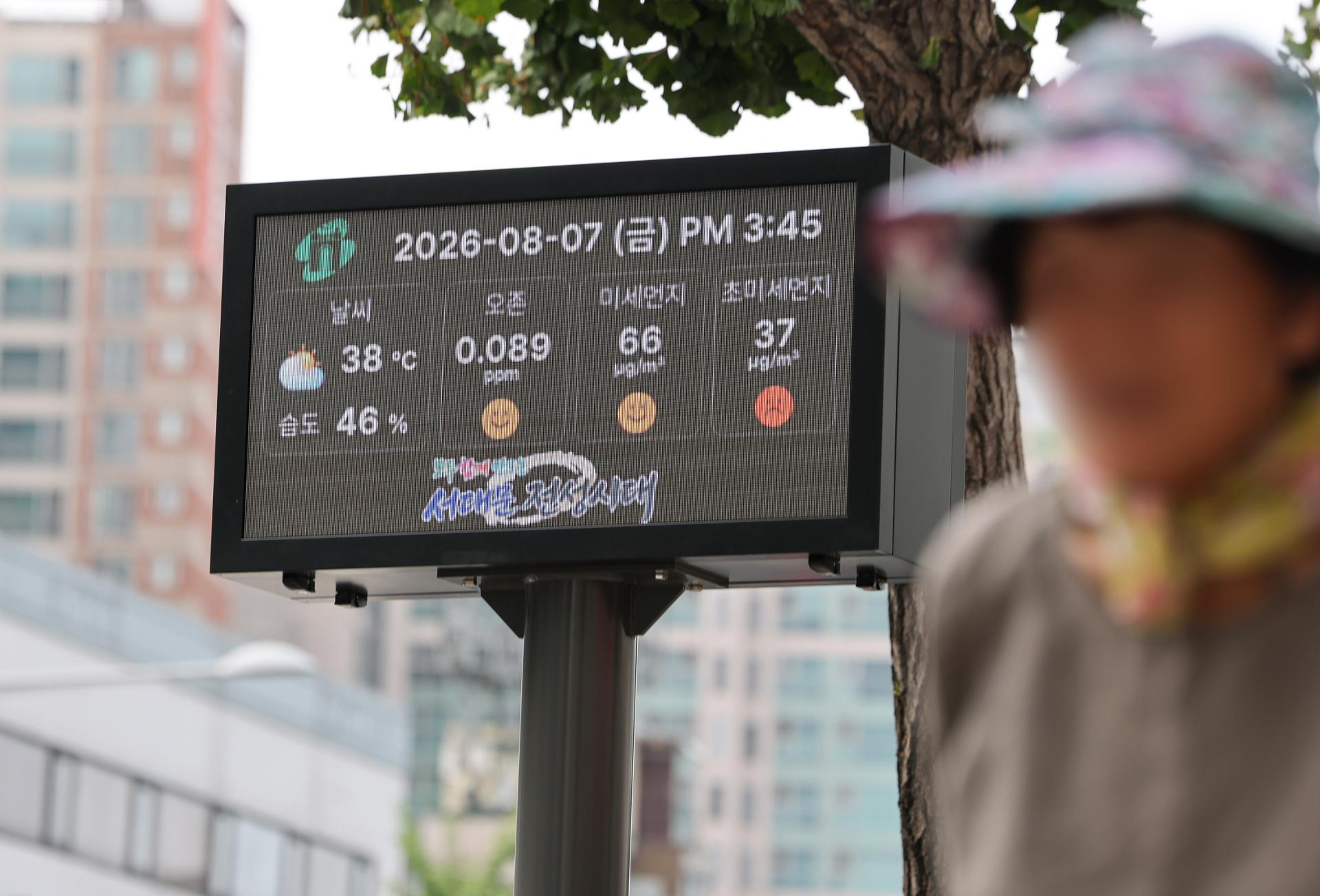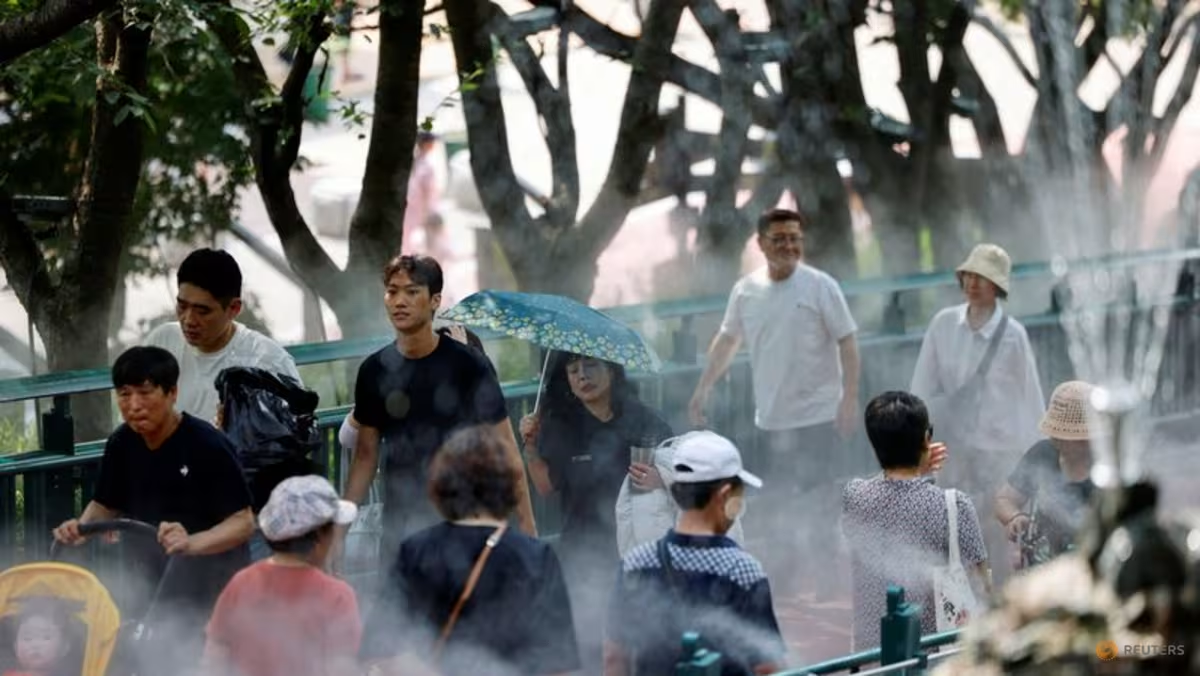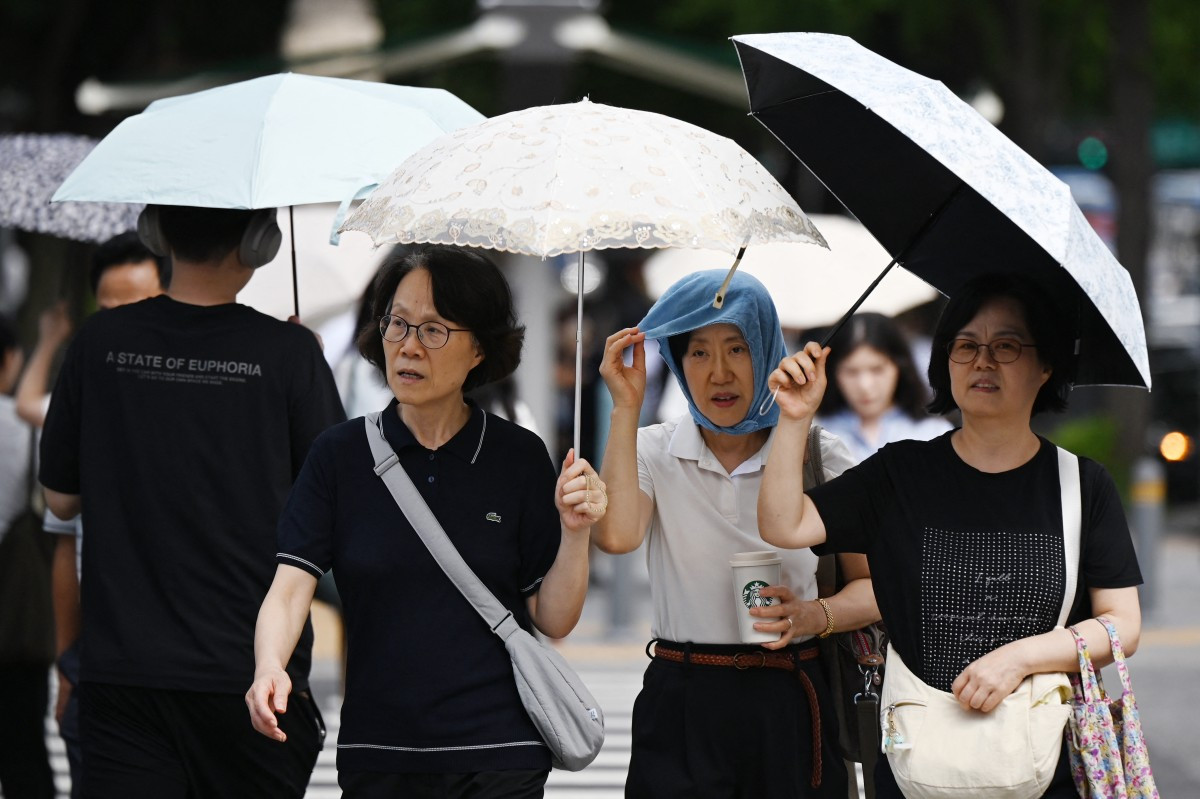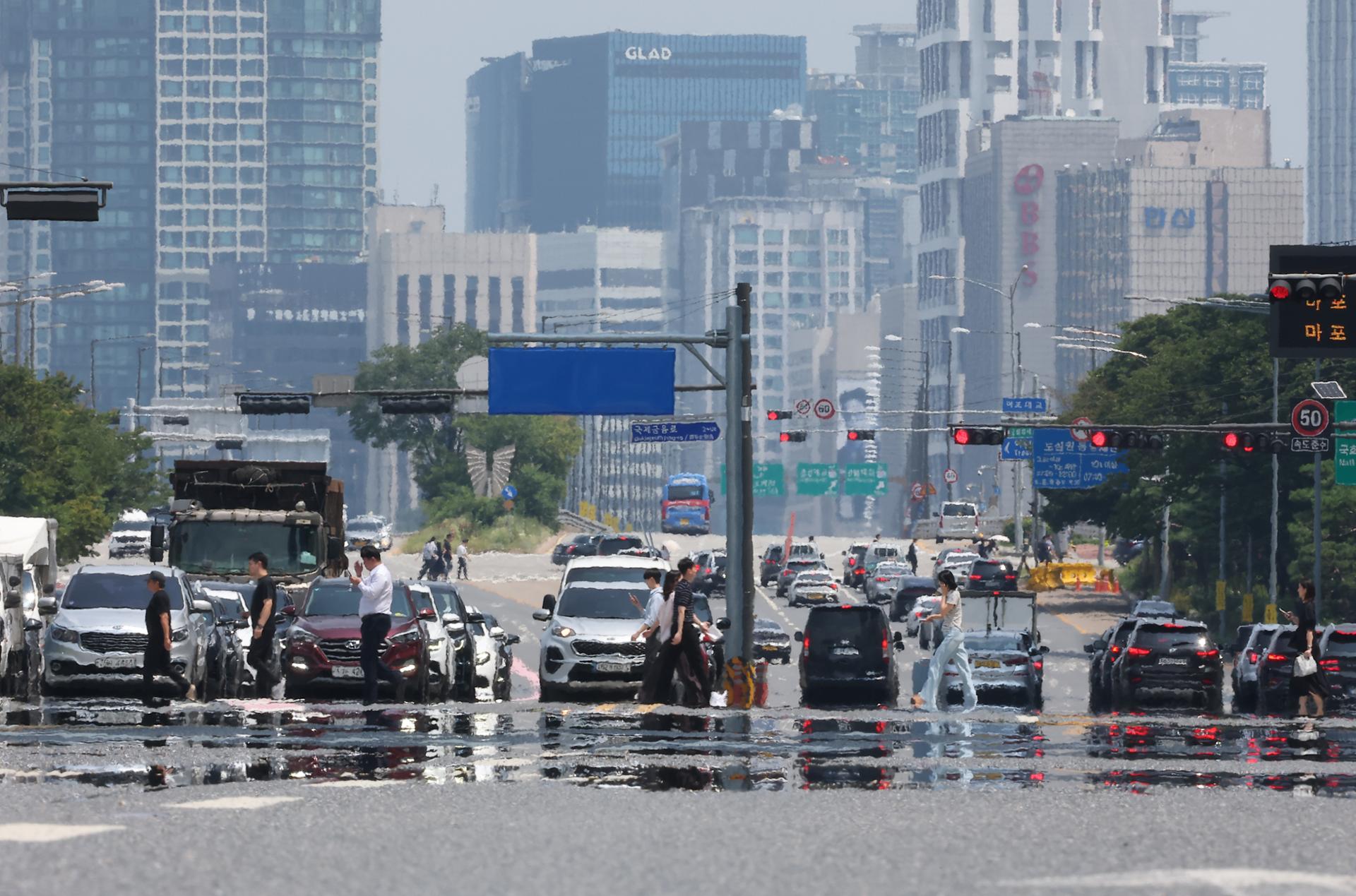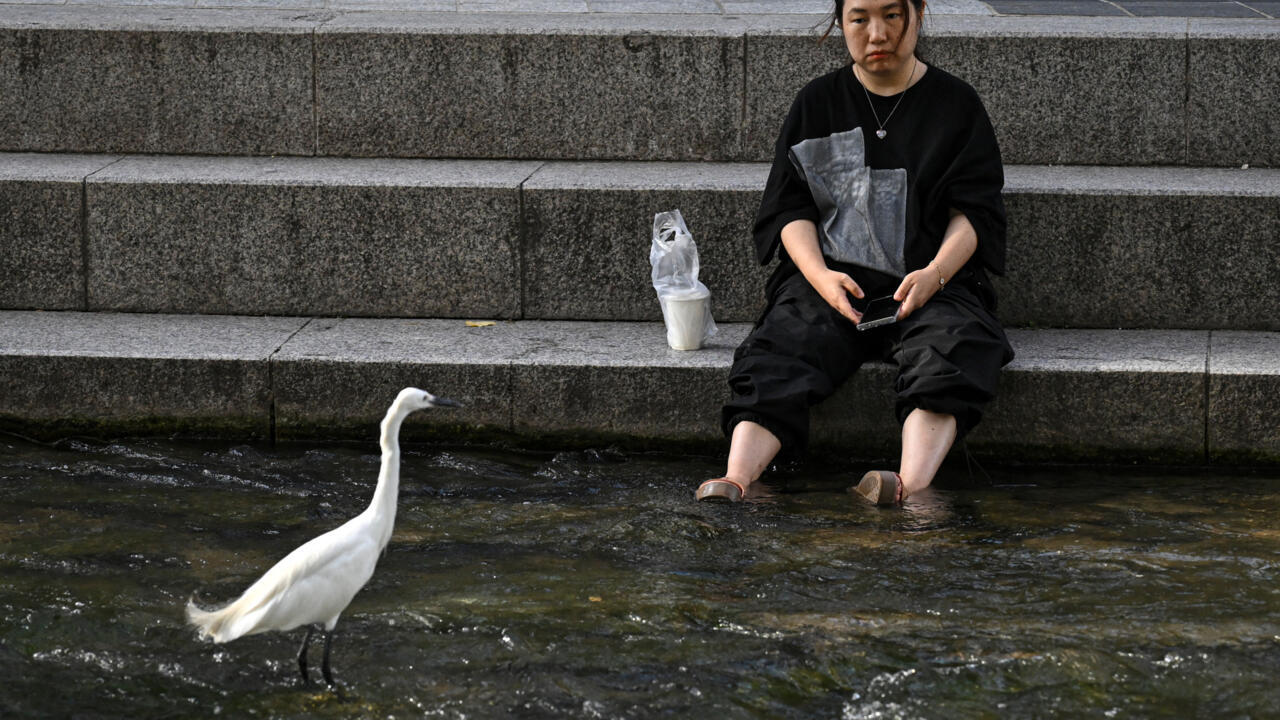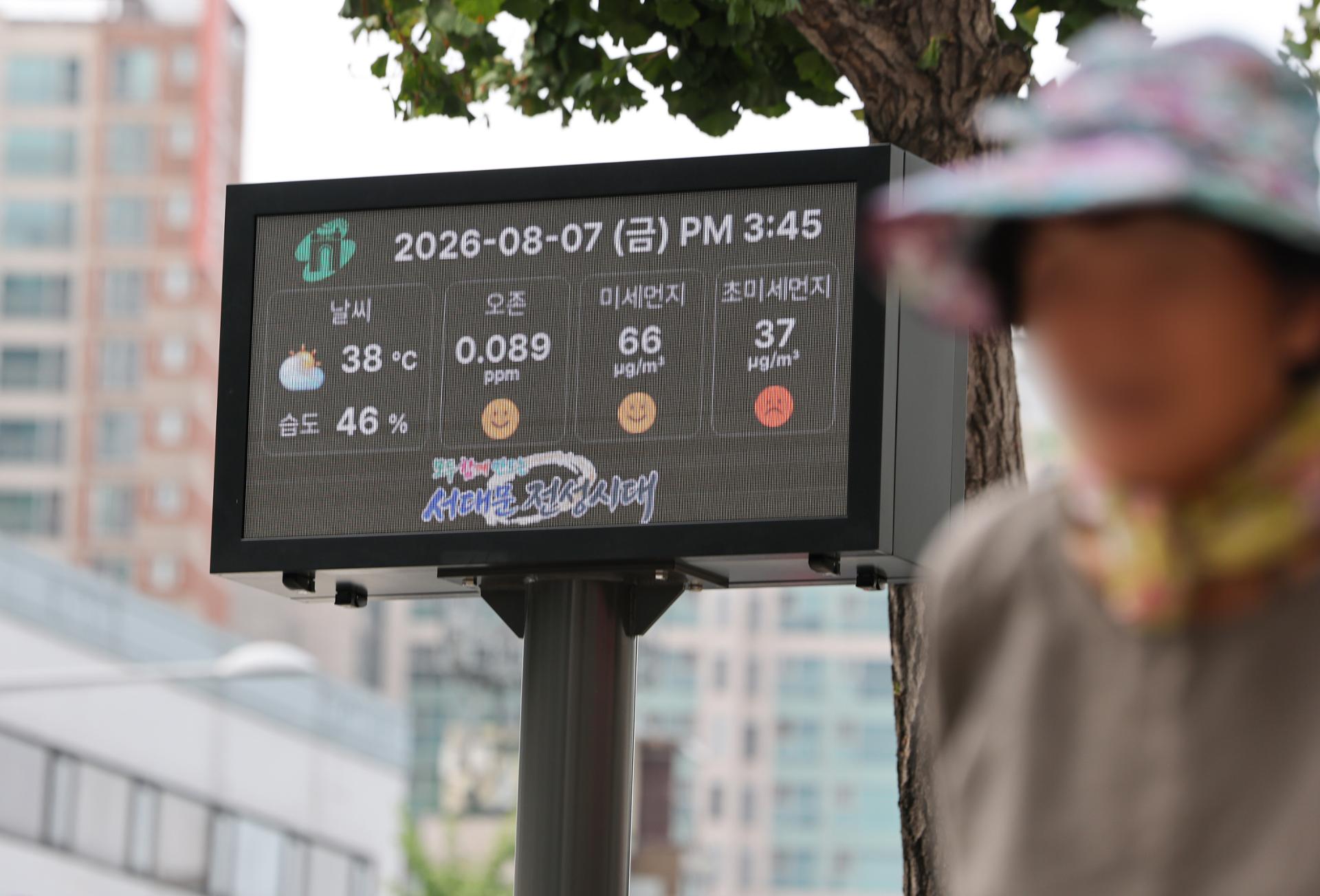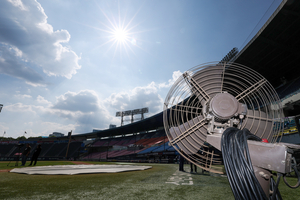
Jamsil Baseball Stadium is seen empty on Wednesday after the Korea Baseball Organization canceled all games scheduled for the day and Thursday due to the heat wave in Seoul. (Yonhap) Seoul could see temperatures climb to 40 degrees Celsius on Thursday as an intensifying heat wave pushes the capital close to its all-time high.The Korea Meteorological Administration has forecast a daytime high of 39 C for Seoul, but Kim Seung-bae, head of the Korea Natural Disaster Association, said the temperature could rise further.“Easterly winds continue to heat the western part of the Korean Peninsula,” Kim said in an interview with local broadcaster YTN at 10 a.m. Thursday. “Today, Seoul will be hotter than yesterday.”Seoul’s highest temperature on record is 39.6 C, recorded on Aug. 1, 2018. Kim said it remained to be seen whether the capital would break that record, noting that the current conditions resembled those that drove temperatures in Yangsan, South Gyeongsang Province, to 42.5 C on Sunday.The temperature in Yangsan, where local topographical effects combined with hot air, was the highest ever recorded in Korea.Seoul reached 36.9 C on Wednesday. The entire city has been under the Korea Meteorological Administration’s highest-level heat wave warning since 10 a.m. Tuesday.The Emergency Heat Wave Warning is issued in areas where the daily maximum perceived temperature is expected to remain at or above 35 C for at least two consecutive days and either the perceived temperature is forecast to reach 38 C or the actual temperature is expected to reach 39 C or higher.First issued in the Greater Seoul area on Monday, the warning has since expanded to parts of Gangwon Province bordering the capital region. The expansion took effect at 11 a.m. Thursday.The high-pressure system driving the heat wave is also expected to keep typhoons away from the Korean Peninsula, reducing the likelihood of relief from clouds and rain next week.Typhoon Dolphin, forecast to reach waters near Okinawa, Japan, on Friday, is expected to move toward southeastern China rather than approach the Korean Peninsula. A KMA official said the typhoon’s path could not be attributed solely to the high-pressure system but added that the strong high pressure near the peninsula was affecting its movement.Typhoon Chan-hom is also forecast to move toward northern Japan rather than approach Korea. The KMA’s latest typhoon advisories showed both storms remaining away from the Korean Peninsula.Although the typhoons are unlikely to affect Korea, temperatures in Seoul are expected to begin falling over the weekend. The heat, however, is forecast to persist, with daytime highs remaining above 30 C next week.The prolonged heat wave has taken a mounting toll nationwide.According to the Korea Disease Control and Prevention Agency, 2,441 people suffered heat-related illnesses between May 15 and Aug. 4. Twenty-one died, exceeding the 20 deaths reported during the same period last year.Deaths accounted for 0.86 percent of reported heat-related illness cases, up from 0.62 percent a year earlier.
‘Seoul will be hotter than yesterday’: Expert warns of 40 C heat
Seoul could see temperatures climb to 40 degrees Celsius on Thursday as an intensifying heat wave pushes the capital close to its all-time high. The Korea Meteo
483 words~2 min read