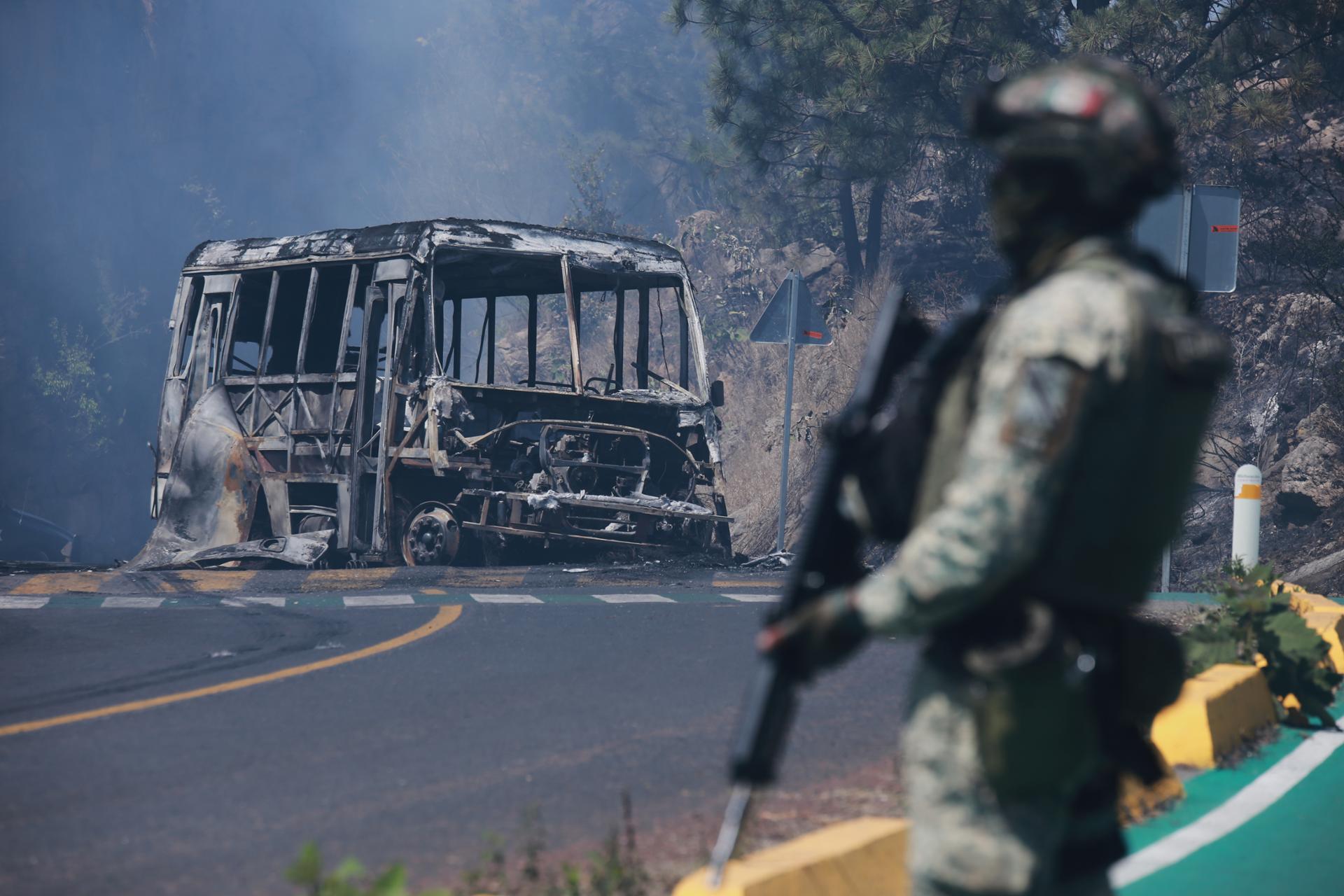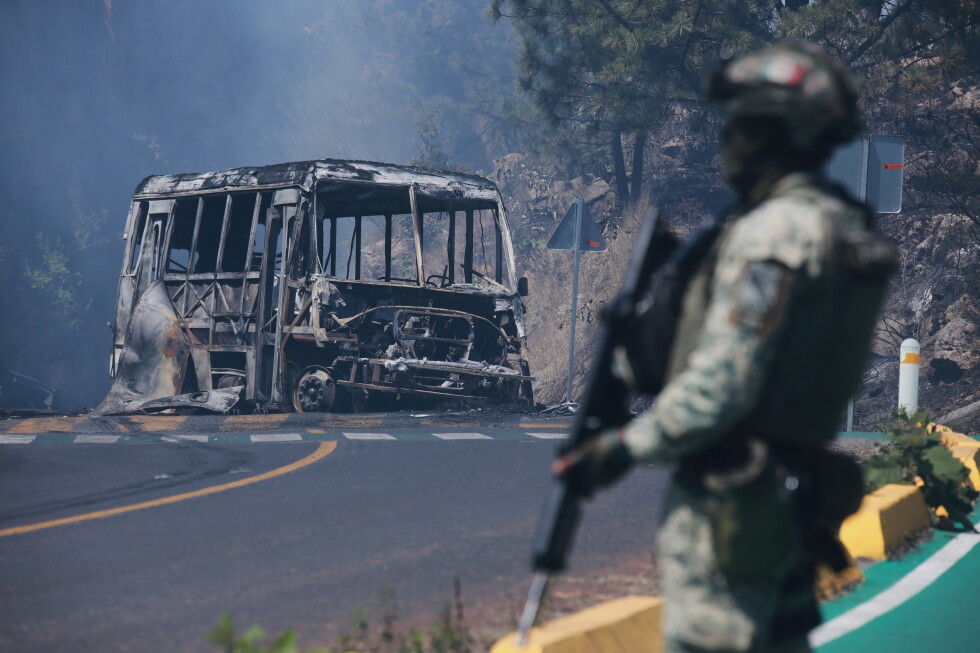
The new role of stepson of drug lord Nemesio Rubén Oseguera Cervantes shows the cartel has a succession plan and is as lethal as ever, an expert says.Show Caption
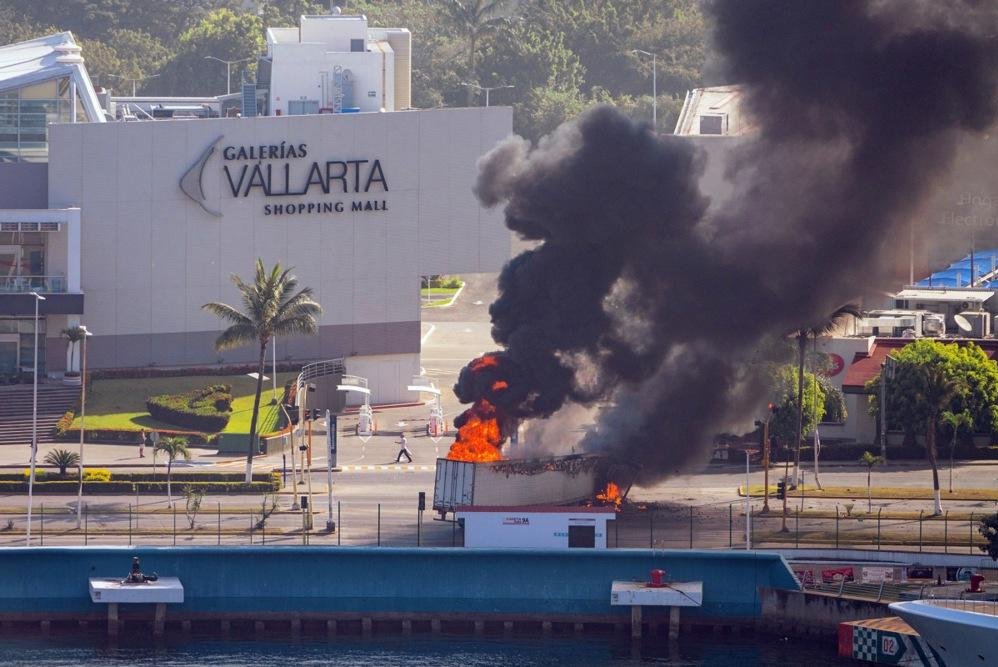
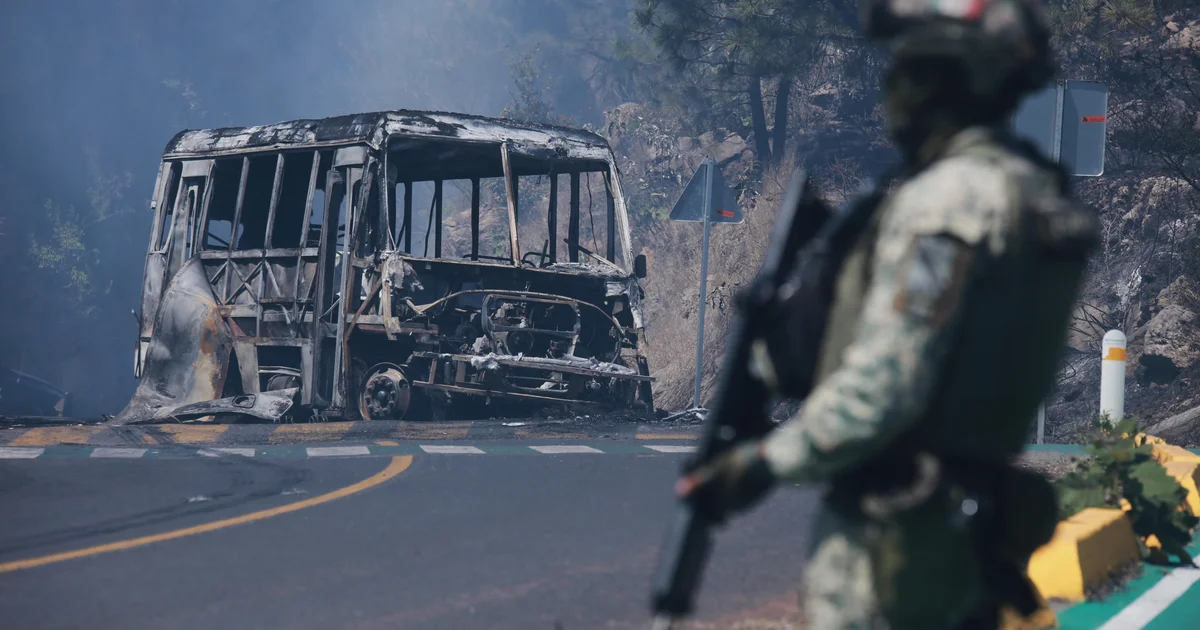
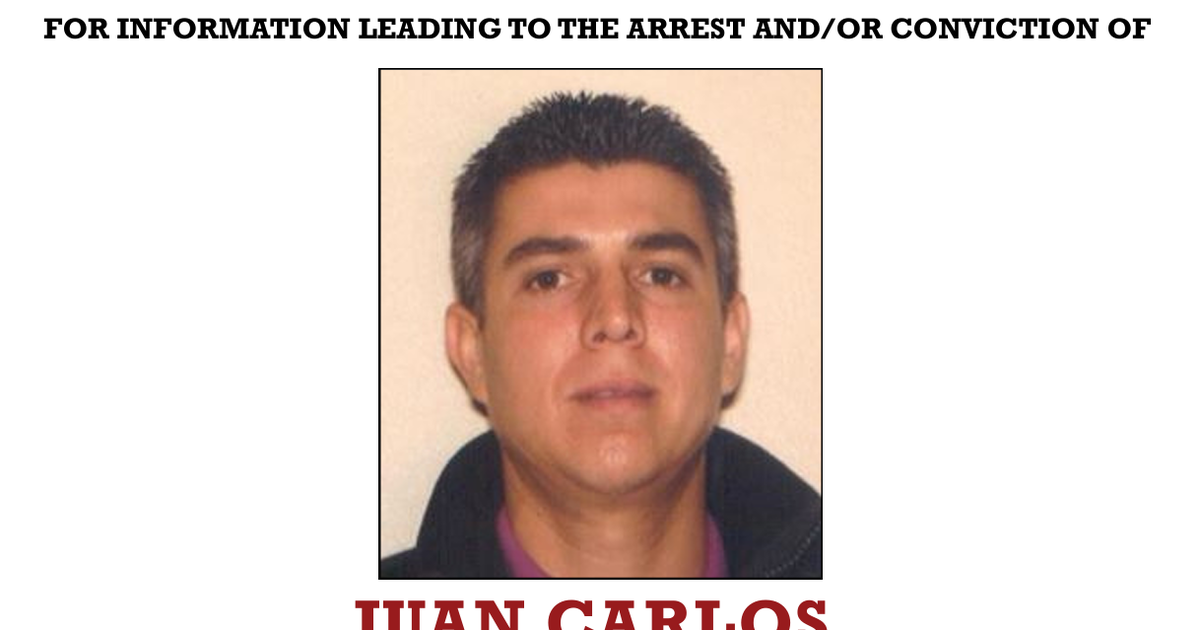
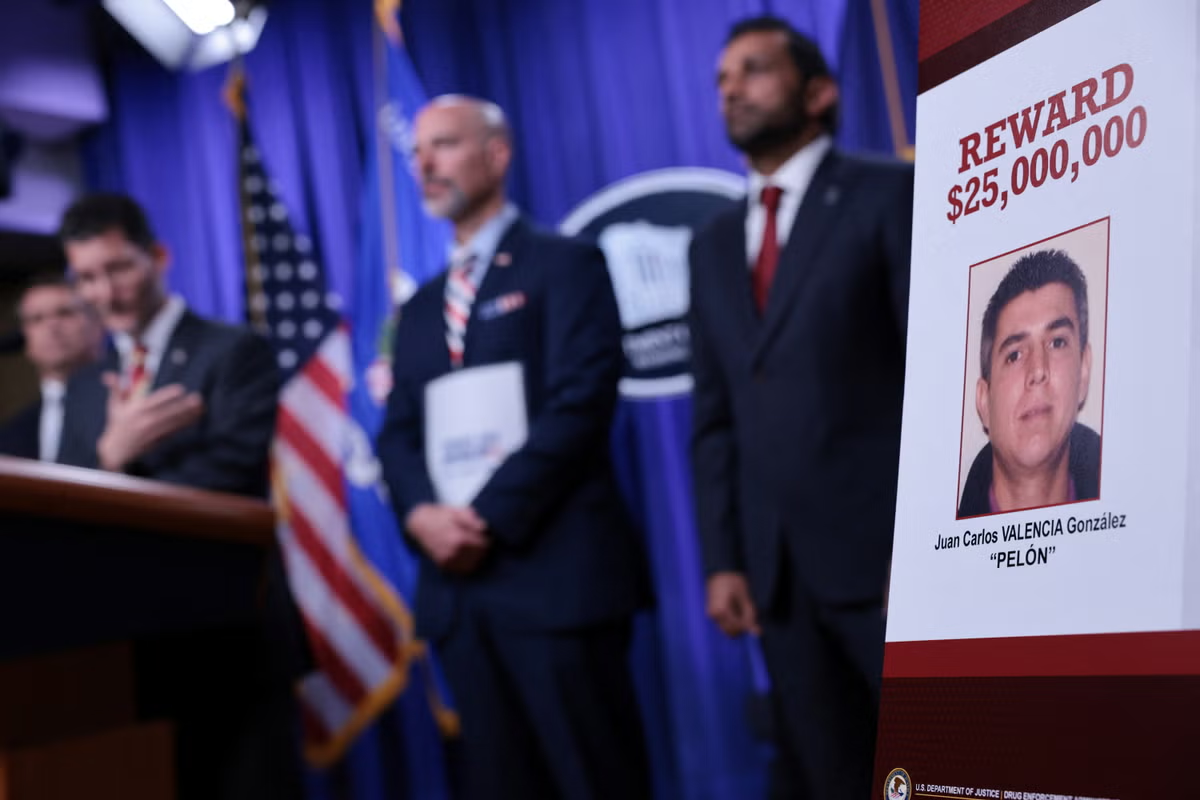
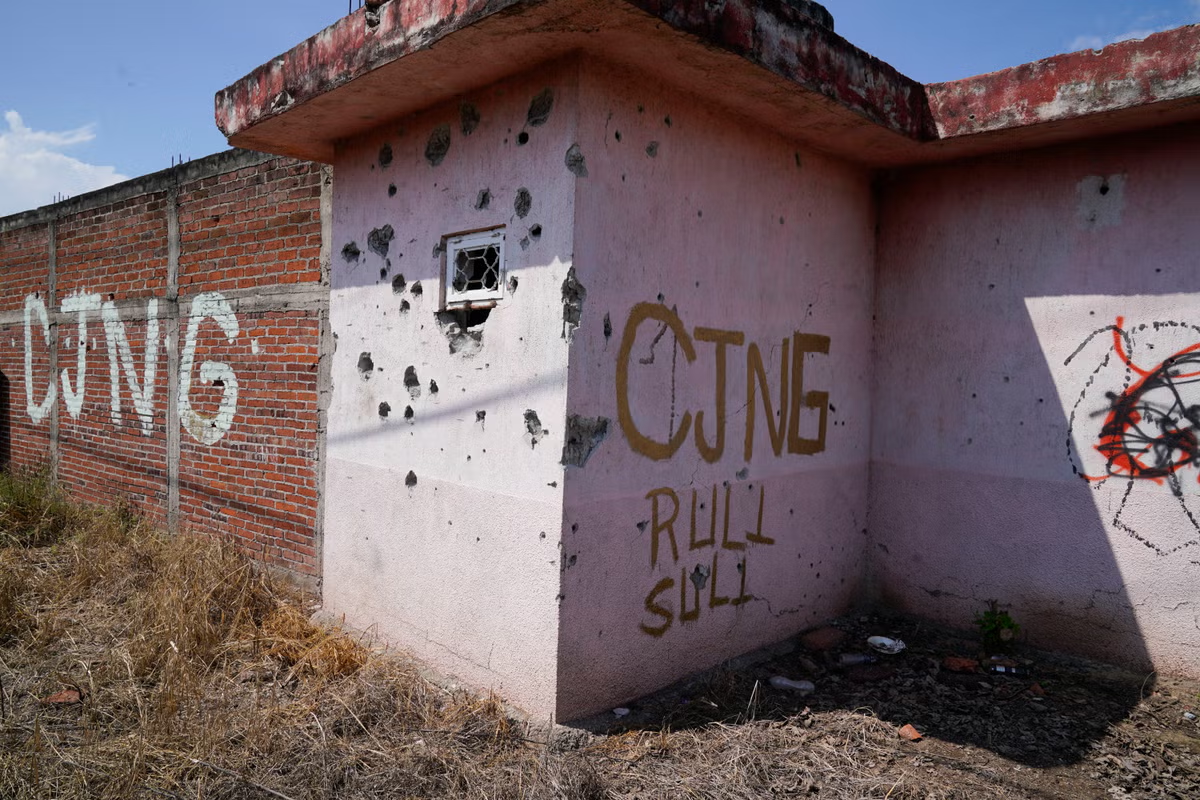
WASHINGTON – The Justice Department on Aug. 5 unsealed indictments against five alleged leaders of Mexico's Jalisco New Generation Cartel, saying they continue to smuggle tons of lethal narcotics like fentanyl into the United States despite the recent death of drug lord Nemesio Rubén Oseguera Cervantes, also known as El Mencho.The State Department also announced $102 million in rewards for information leading to the capture and conviction of those men as part of President Donald Trump’s pressure campaign against the group, known by its Spanish acronym CJNG.The rewards are also for three other members of "CJNG leadership" who also remain at large. That includes the new cartel boss Juan Carlos Valencia Gonzalez, who authorities believe replaced El Mencho after his death during a capture operation by Mexican authorities in February.In identifying Mencho’s replacement, the U.S. government revealed something else that has stymied America's multibillion-dollar drug war effort for decades, a former top U.S. counternarcotics official told USA TODAY: The corporate structure of Jalisco New Generation and its rival Sinaloa Cartel have become so sophisticated that they have continuity of operations plans that ensure that their deadly business stays humming no matter who is taken down."This is a multibillion-dollar global enterprise, and they're in the business of maximizing profits and reducing risks," said Derek Maltz, the former acting head of the Drug Enforcement Administration in 2025. "So when they lose their key operations people like El Mencho or whoever it may be, they are going to have replacements ready for them quickly because they want to continue building their enterprise."In announcing the charges, acting Attorney General Todd Blanche and the heads of the DEA and FBI noted that CJNG still poses a lethal threat, especially from fentanyl – a drug that has killed hundreds of thousands of Americans due to drug overdoses from its high potency."El Mencho's demise did not end CJNG," DEA Administrator Terrance Cole said at a packed news conference at Justice Department headquarters. "It underscores the organization's resilience and the continued threat it poses."Cole said the assessment that El Mencho’s stepson, known as "El Pelon," has taken control of the cartel is based on DEA intelligence.U.S. counternarcotics officials have said in recent years that the cartel has amassed so much firepower that it resembles more of a small nation-state’s army than a transnational crime syndicate.After troops mortally wounded Oseguera in a shootout on Feb. 22 in the cartel’s stronghold in the western coastal state of Jalisco, violence erupted in Mexico, triggering clashes and roadblocks across several states.CJNG stays humming despite recent successesU.S. officials note that another top CJNG operative, Audias Flores Silva, also known as "Jardinero," was captured April 27 by Mexican authorities.And one of El Mencho’s brothers, Antonio Oseguera Cervantes, 67, pleaded guilty July 31 to conspiracy to distribute cocaine and methamphetamine for unlawful importation into the United States as part of a two-decade career working for Mexican cartels, according to Justice Department documents.Other top leaders of the cartel have also been killed or arrested – and in some cases extradited to the United States to face charges, Blanche and Cole said. But the group has kept its operations going, Cole said, and also made sure that Mexican officials are paid off to allow them to do so."CJNG was built on a vast criminal network that produces and distributes deadly drugs while sustaining its powerful influence via violence and corruption in Mexico," Cole said. "This includes members within the Mexican government who shield CJNG leadership from justice and facilitate drug trafficking, money laundering, and violence."The CJNG leaders identified at the Aug. 5 news conference are accused of trafficking fentanyl, cocaine, heroin and methamphetamine into the United States, and of conspiring to launder billions in drug proceeds back to Mexico.A 'massive fraud operation against Americans' tooGary Shapley, deputy chief of the IRS Criminal Investigation division, said three of those identified Aug. 5 are also accused of engaging in a massive fraud operation against Americans – often unwitting senior citizens – who owned timeshare properties in Mexico."Victims were cold called, manipulated with fraudulent documents and pressured into sending money," Shapley said. "Oftentimes, U.S. victims lost their entire life savings to these schemes."The State Department designated the CJNG as a foreign terrorist organization in February 2025.On Wednesday, the State Department increased its reward from $5 million to $25 million for Valencia Gonzalez, the previously indicted new CJNG leader, in an acknowledgement of his leadership role."Pelon and his vicious organization are directly responsible for poisoning many American communities with illicit fentanyl, heroin, cocaine, and methamphetamine and fueling massive violence," said Ambassador Michael Gonzales, the deputy assistant secretary of state for International Narcotics and Law Enforcement Affairs. "They are responsible for the murders of hundreds of thousands, including countless American citizens."The newly unsealed U.S. indictments also include charges against Oseguera's son-in-law Julio Alberto Castillo Rodriguez, aka "Chorro," and Oseguera's godson Hugo Gonzalo Mendoza Gaytan, also known as "Sapo." Both are accused of trafficking cocaine and methamphetamines into the United States.Also charged were Ricardo Ruiz Velasco, Julio Cesar Montero Pinzon and Carlos Andres Rivera Varela.Arrests, killings of leadership create "chaos and distrust' within CJNGIn addition, the State Department said that it was imposing visa restrictions on 65 individuals who are family members or close personal or business associates of CJNG-linked persons, Gonzales said.Former senior DEA official William Bodner agreed that cartels like CJNG have continuity of operations plans similar to those of Fortune 500 corporations in order to ensure a smooth transition that keeps their global operations running.But Bodner, who oversaw DEA investigations into El Mencho and CJNG from 2011 until his retirement in 2023, said there is a silver lining of sorts in taking down cartel leadership for those authorities who are hunting them."The positive that comes out of this for DEA is that it does create a bit of chaos and distrust within an organization," Bodner told USA TODAY. "They do have a hierarchy and the organization goes on, but a lot of times losing someone like that will cause fractures, especially when there's different people vying for power, different people who want to take over.""And there’s still the potential that groups splinter off, and it creates infighting," Bodner said. "So more than stopping the flow of drugs, it's really, in my opinion, about providing investigative opportunities through the chaos and confusion and disruption."