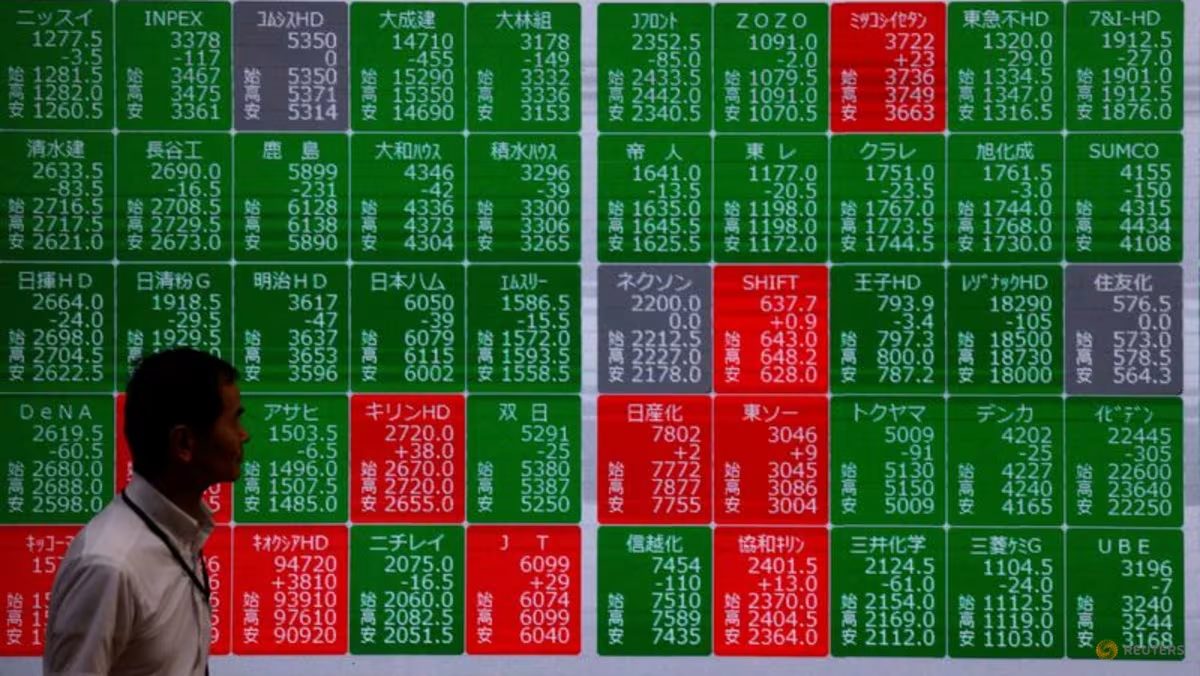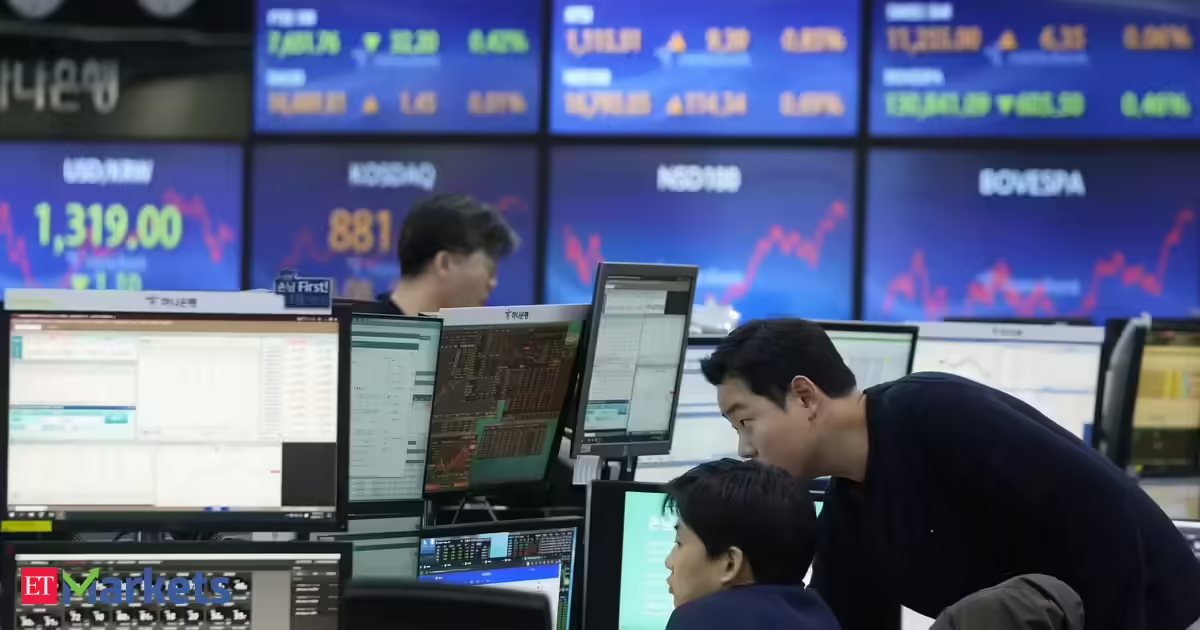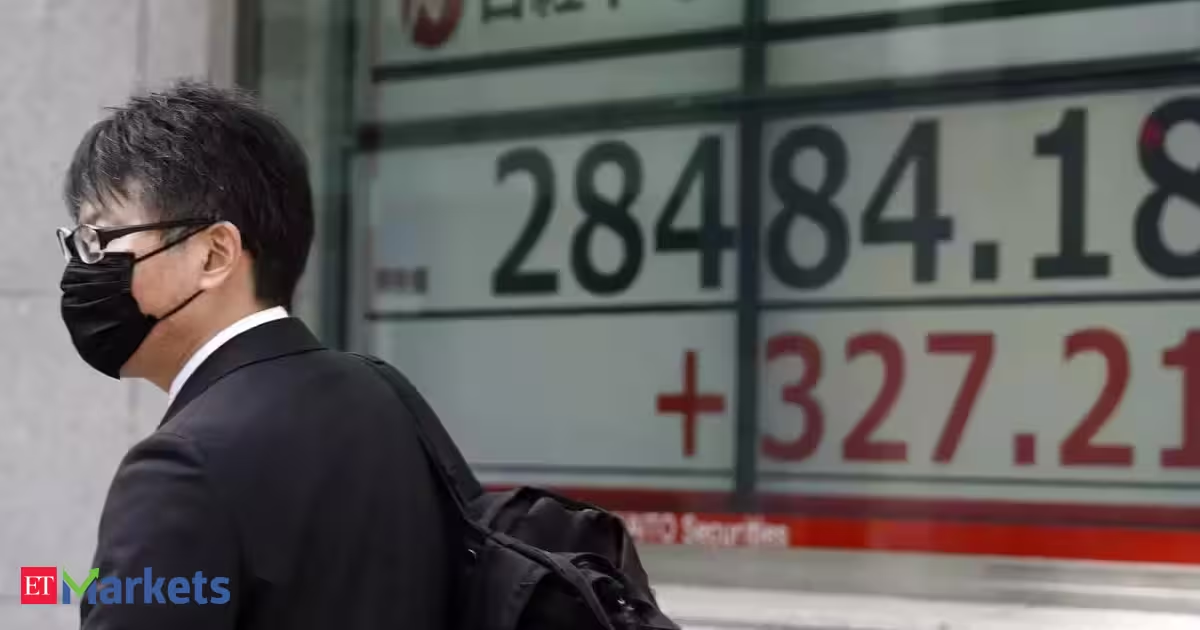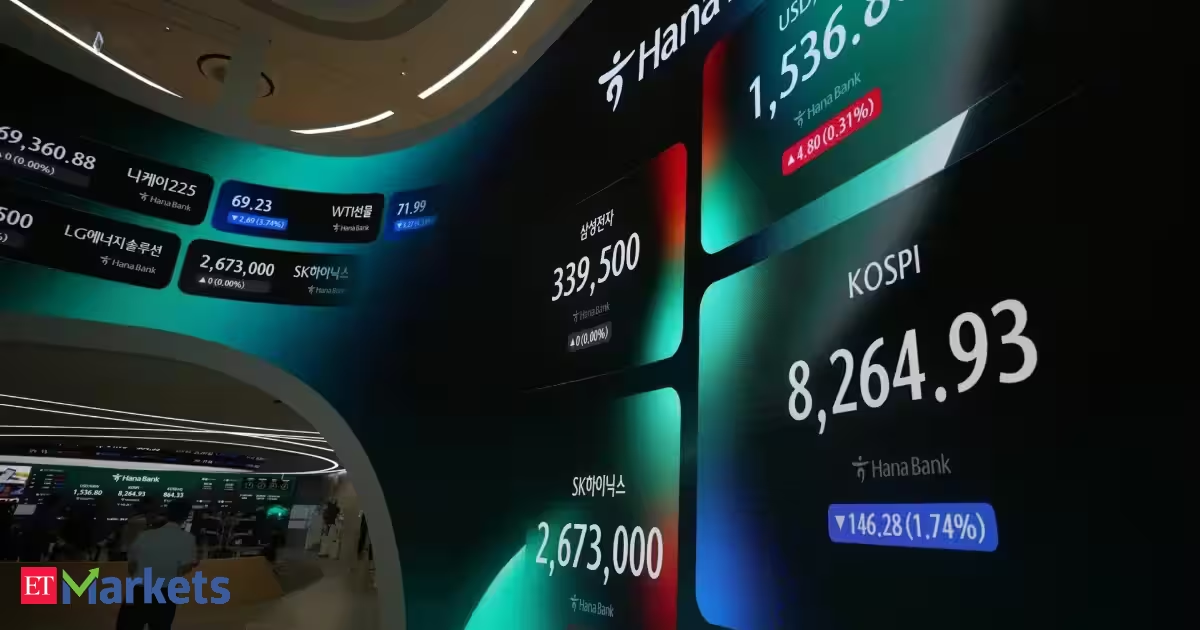
Asian stocks slipped Thursday after a recent tech-led rally on Wall Street paused. Crude oil edged lower as Iran reached an agreement with Oman on the Strait of Hormuz.The MSCI Asia Pacific Index declined 0.2%, with South Korea’s Kospi Index falling 1%. Earlier, the S&P 500 Index pulled back from a record high while an index of semiconductor stocks lost more than 1%, even as Nvidia Corp. advanced. SpaceX tumbled 14% despite strong earnings, ahead of the release of about $101 billion of shares for trading Thursday.Sentiment improved in early Asian trading, with S&P 500 Index futures rising 0.1%. However, a cautious tone lingered as memory makers Sandisk Corp. slid 7.5% and Western Digital Corp. plunged 11% in post-market trading after reporting earnings.US crude edged lower on Thursday after Iran said it had reached an agreement with Oman on a proposed shipping route through the Strait of Hormuz, a potential step toward reopening the critical waterway. West Texas Intermediate fell 0.4% to below $75 per barrel. The dollar held its losses from the previous session, while gold hovered around $4,270 an ounce after posting its biggest gain since February.Wednesday’s pause in the US stock rally came as investors reassessed valuations after AI-related shares rebounded sharply from last month’s bruising selloff, which hit several hedge funds. Traders are now focused on developments in the Middle East for clues on the direction of oil prices, with knock-on effects for inflation and central bank policy.“AI-related results and commentary have sparked some profit taking,” said Colin Cieszynski, chief market strategist and portfolio manager at SIA Wealth Management Inc.Meanwhile, Treasury yields were little changed on Wednesday after data showed the US services sector expanded at a steady pace in July, even as higher costs for labor and materials continued to weigh on businesses. Hiring slowed, with companies adding fewer workers than expected.If Friday’s monthly payrolls report confirms signs of a cooling labor market, it may give Federal Reserve officials room to keep their focus on stubborn inflation, rather than employment.Even so, policymakers continued to signal they are prepared to tighten policy further if price pressures persist. Minneapolis Fed President Neel Kashkari told CNBC the central bank should begin raising interest rates incrementally now, while Governor Lisa Cook said she was prepared to act if inflation failed to keep slowing.“If I do not see signs of continued disinflation soon, I am prepared to act,” Cook said Wednesday in a speech at an event in Alaska. “With five years of above-target inflation, the risk grows that higher inflation may become entrenched in price- and wage-setting behavior, leading to persistence that would be much harder for us to attack.”
Global Market Today: Asian stocks drop as AI rally pauses, oil dips
Asian markets experienced a dip on Thursday as Wall Street's recent tech surge showed signs of slowing down. Crude oil prices also fell slightly after Iran and Oman reached a new agreement regarding the Strait of Hormuz. Meanwhile, Sandisk and Western Digital faced significant declines following disappointing earnings reports. As investors reassess stock valuations, the geopolitical context in the Middle East is increasingly influencing oil price trends.
TL;DRAI
AI rally pauses; MSCI Asia -0.2%, semiconductors down >1% including Western Digital -11% post-earnings. Federal Reserve signals readiness for further rate tightening if inflation persists; combined with slower hiring, this tightens tech capex budgets through remainder of 2026.
441 words~2 min read