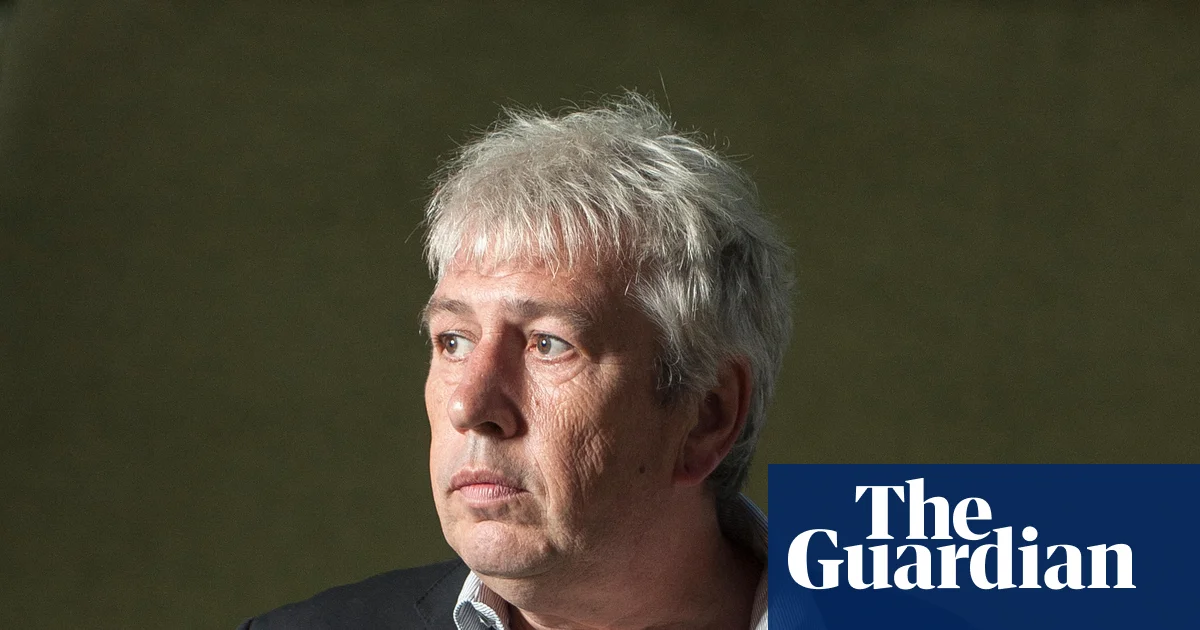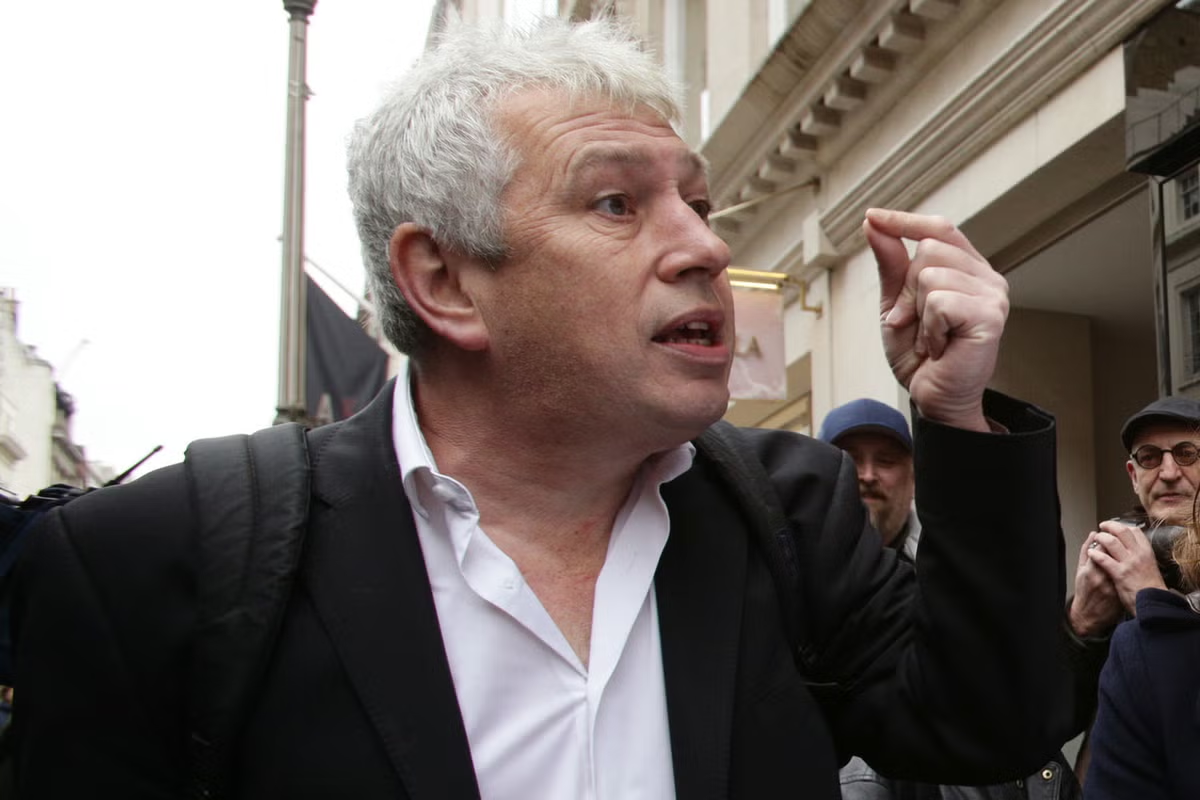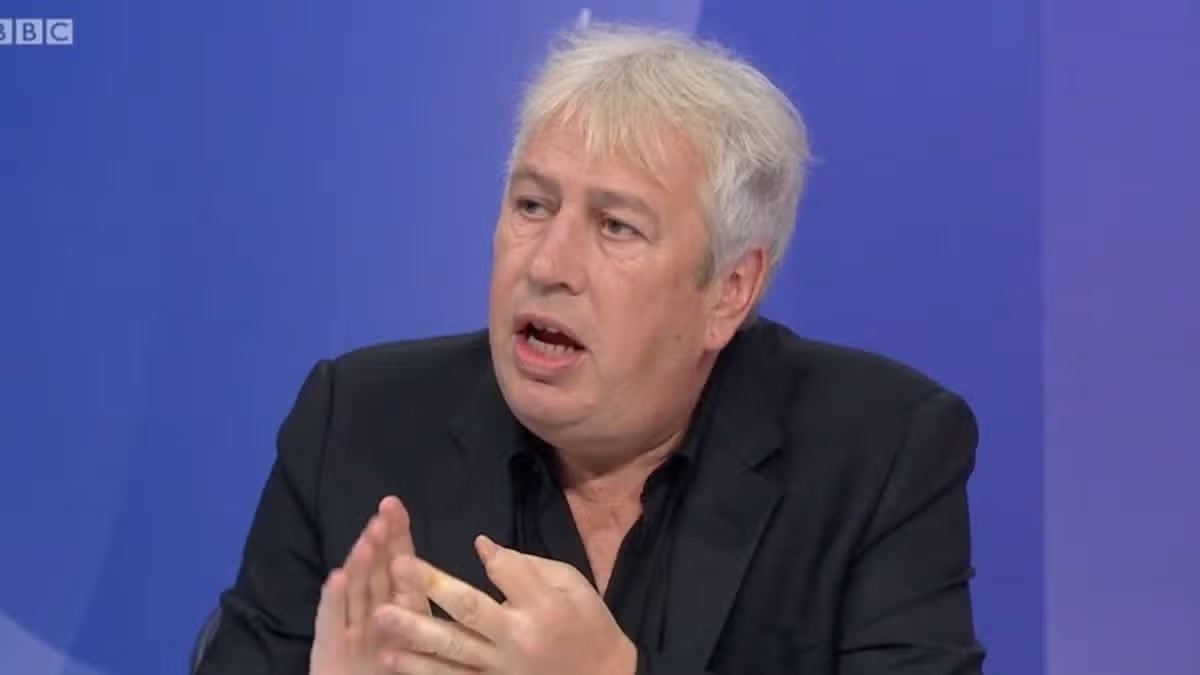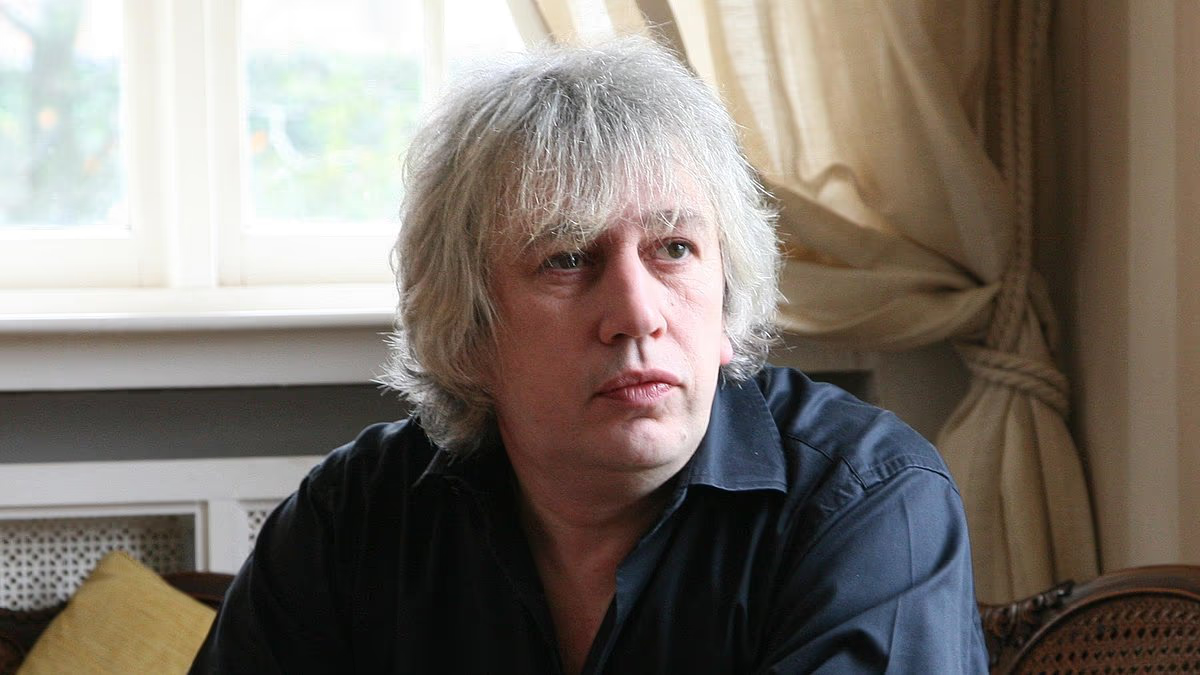
It was in Westminster Magistrates’ Court, where I was sitting waiting for the judge’s verdict, that I decided I needed a better way of handling Rod Liddle’s column. As editor of this magazine, I had inherited one of the greatest writers; a force of nature loved by his readers for his bravery and candour. But it sometimes led to difficulties: in this case, criminal prosecution. The judge had a choice: prosecute our owners, the editor, or the magazine. The magazine was fined.
‘Rod was right,’ I was told by Aidan Barclay, who as proprietor had nearly ended up in the dock himself. ‘But truth is no defence. Not any more. You need to spot these things before they blow up.’
Our lawyers were kept busy, too. ‘Happy to keep the dildo reference,’ ran one email
Rod had pointed out the flaw in the retrial of Stephen Lawrence’s killers: could a jury really be unbiased given how everyone had been told that the accused were guilty? A fair point, but a court order had been issued banning people from making it. Our main lawyer was away, and his substitute had approved Rod’s article. I was away too. We needed better systems. The Rod unit was born.
Its mission: to protect the magazine’s single greatest asset in a new era of cancel culture. Not by issuing diktats or ‘guidance’, but by spotting sentences that could be maliciously misconstrued. Lawyers advised the magazine on legal risk, but no one advised on digital blow-ups that were increasingly claiming scalps all over the place. It was seldom the core of an argument that provoked; always the joke, the rhetorical flourish. The writer Kevin Myers would lose his job at the Sunday Times; the great Kelvin MacKenzie would leave the Sun; Ian Buruma would even be fired as editor of the New York Review of Books.