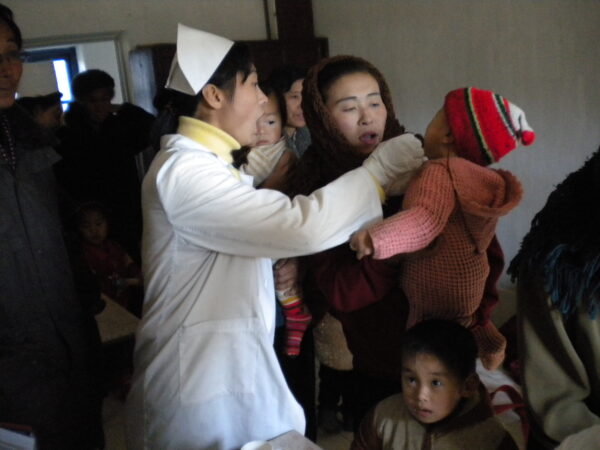
Last month, as I launched my new book “Witness to North Korea,” conversations with Wall Street Beijing Bureau Chief Jonathan Cheng and NK News’ Alannah Hill brought up one important question: is this memoir of my three years living and working as the United Nations Resident Coordinator in the Democratic People’s Republic of Korea (DPRK) still relevant to the North Korea of today?
I wrote this book for anyone wishing to understand, as Stimson Center Fellow Frank Aum wrote, “what it actually means to engage with the DPRK – not in the abstract language of policy briefs, but through the granular, often maddening, reality of day-to-day diplomacy and humanitarian work.”
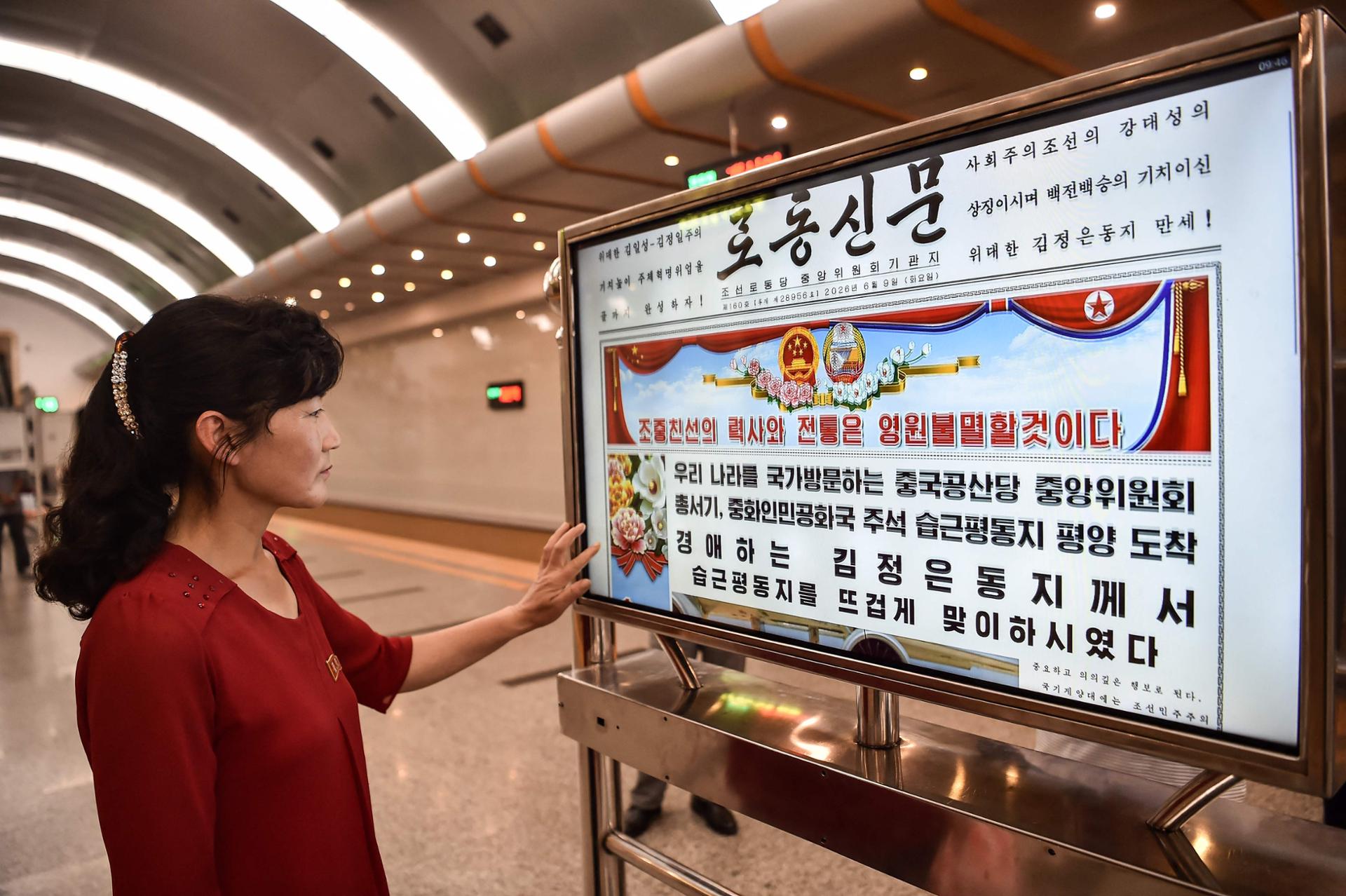
This question of continued relevance between what I observed then and the country today is a valid one. After all, I left Pyongyang in 2013 – and yes, things in the country have changed since my departure. Some North Korea experts talk of a rising middle class with cash to spare, of one mobile phone subscriber for every three North Koreans, of ski resorts – all thanks to the phenomena of marketization and monetization changing the up-to-now closed economy and forcing the hand of the North Korean regime to open to international trade.