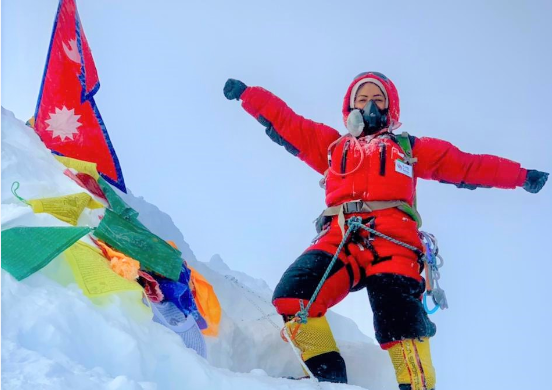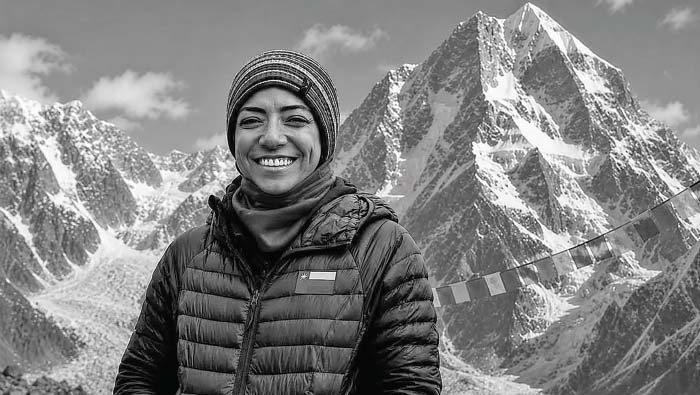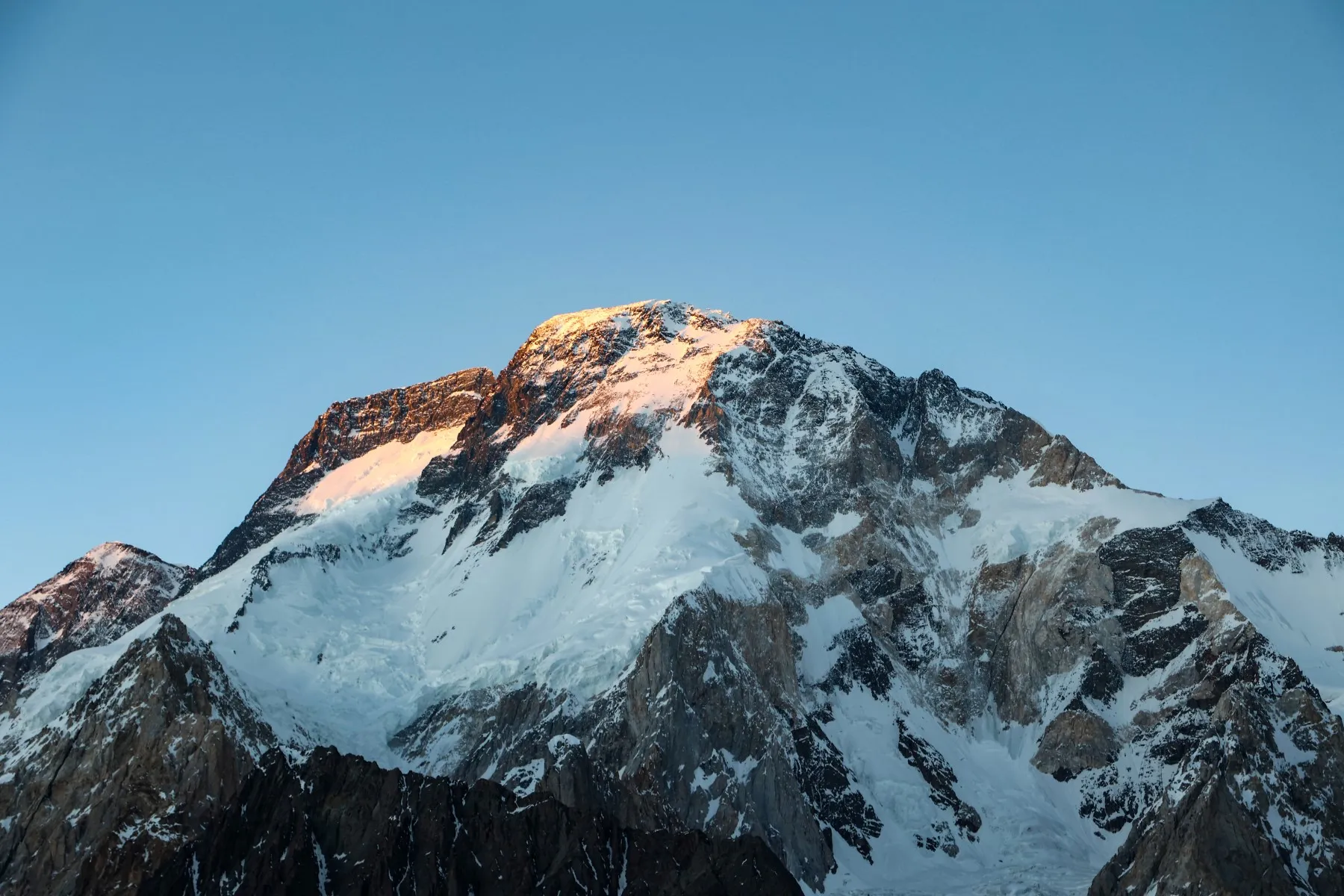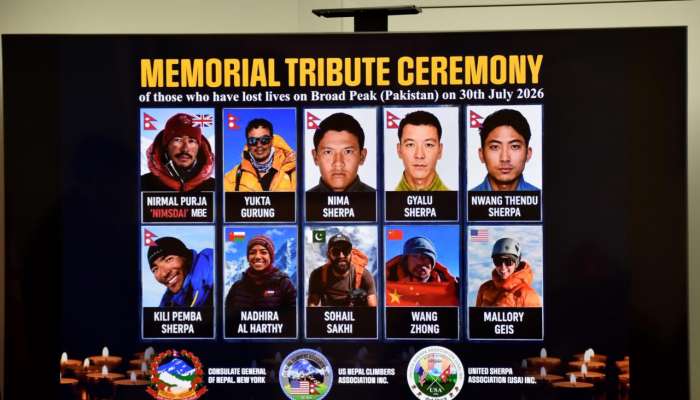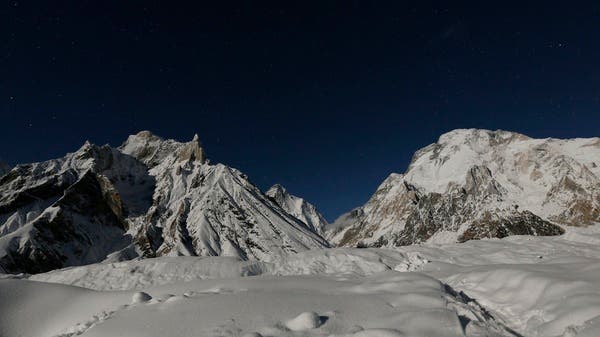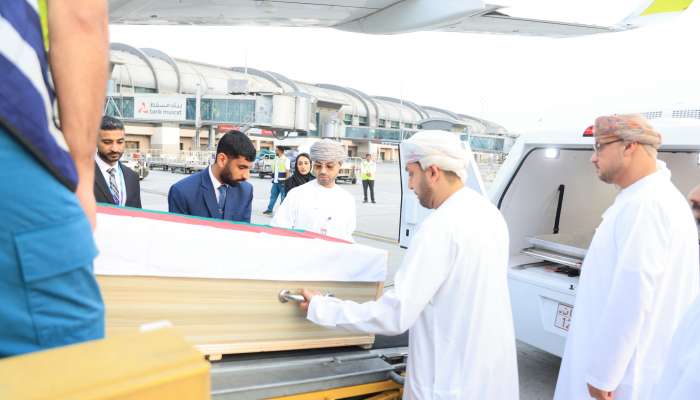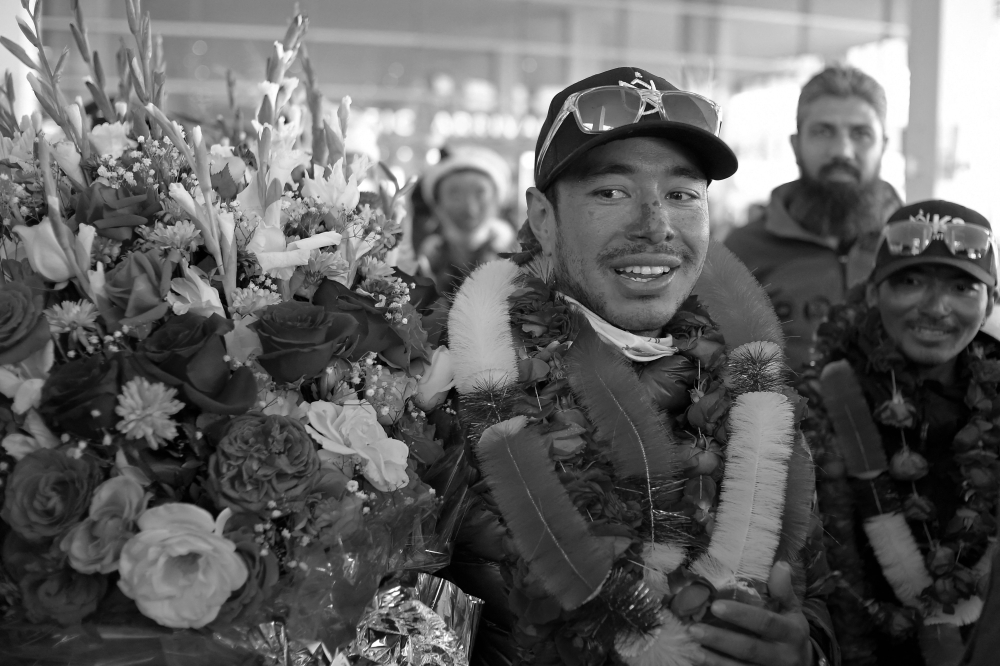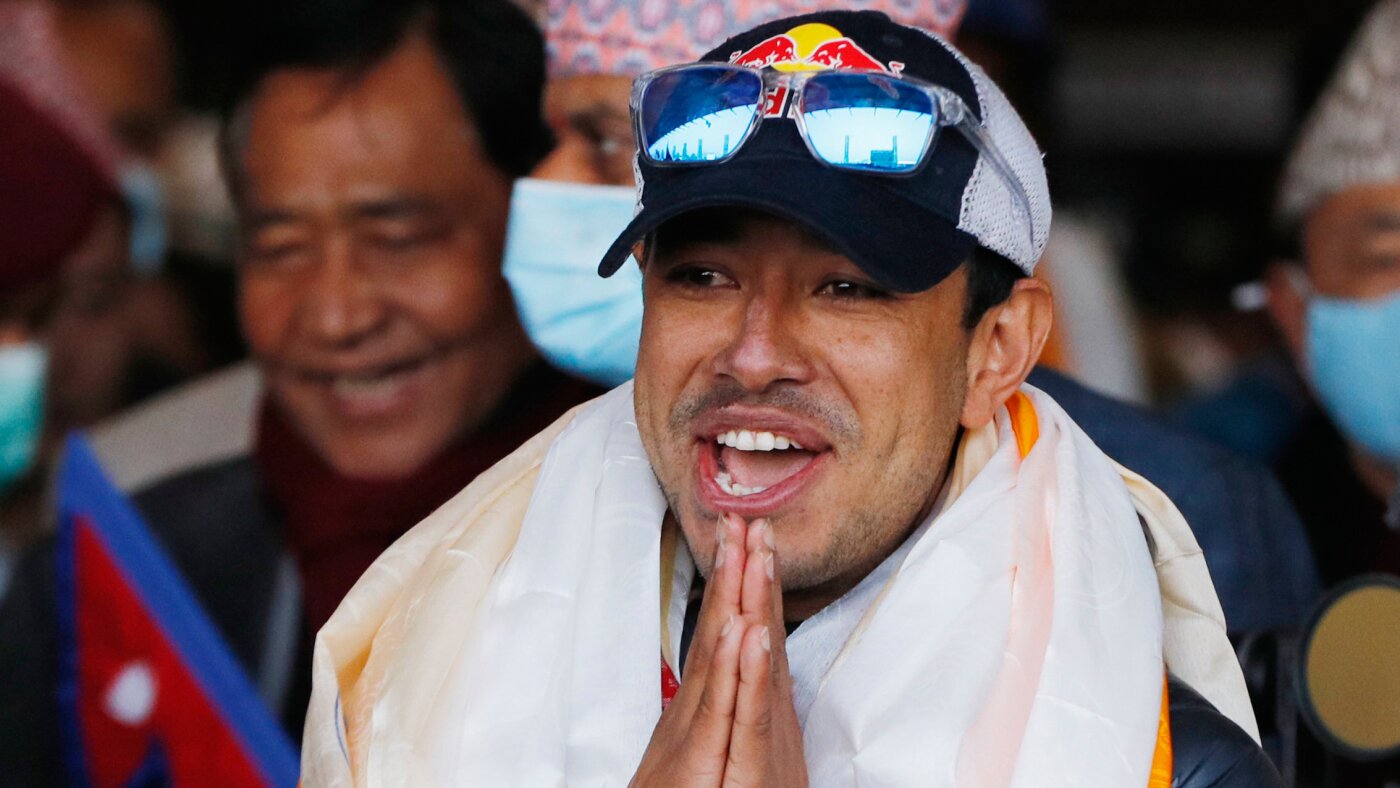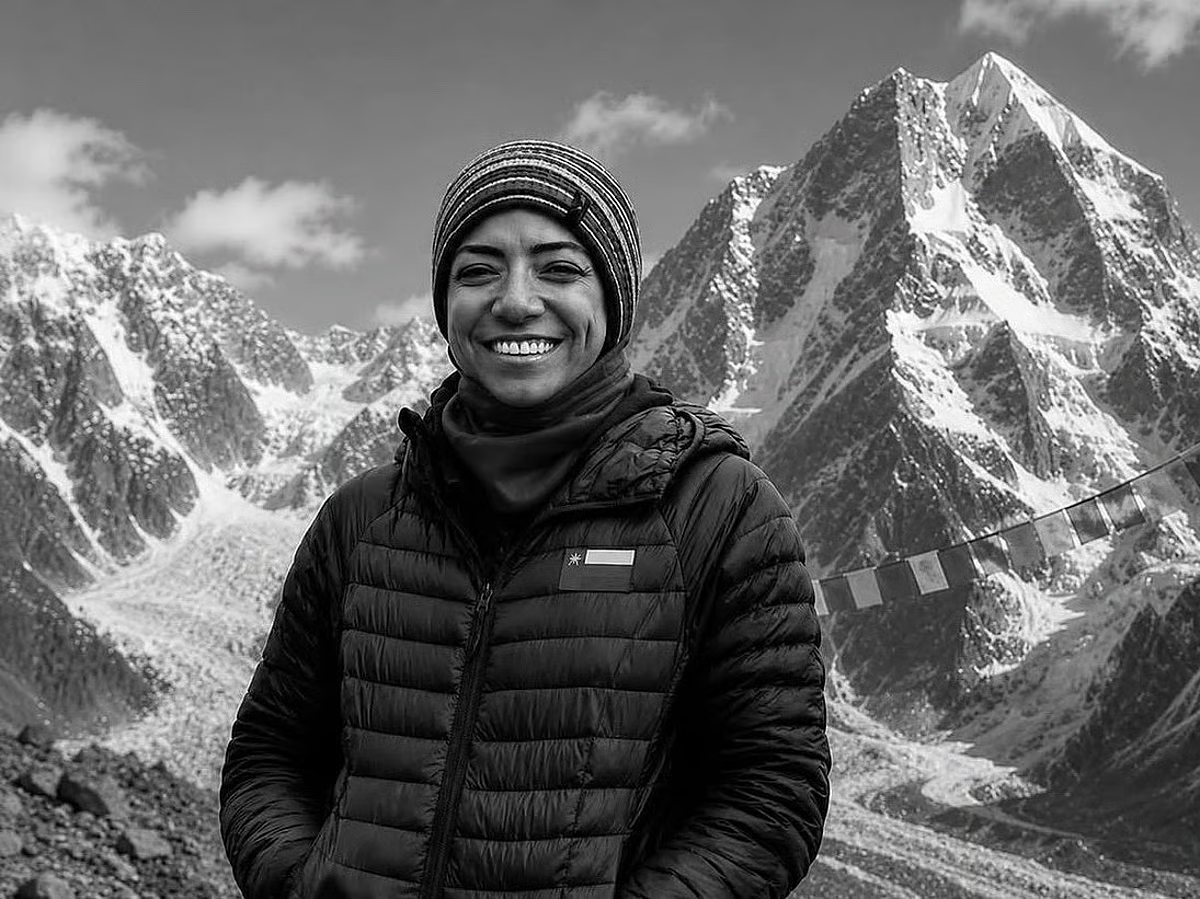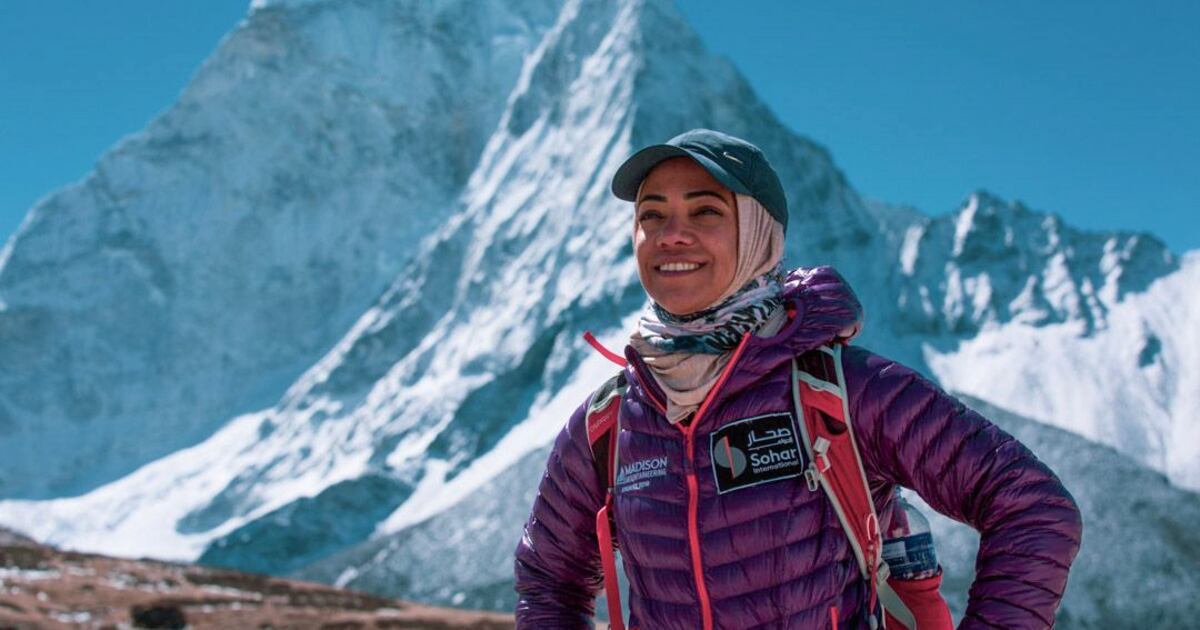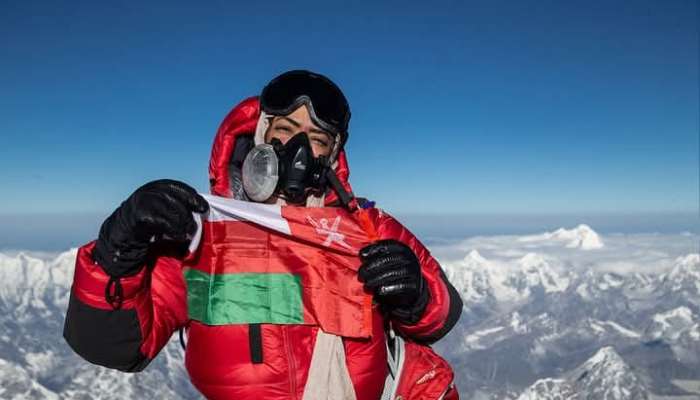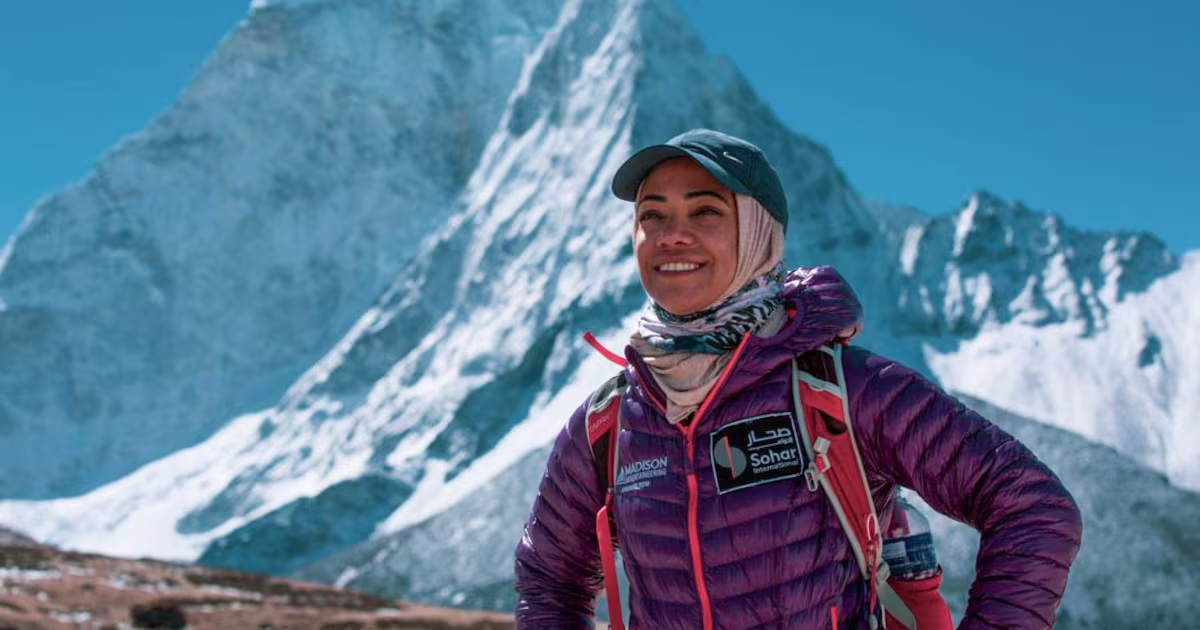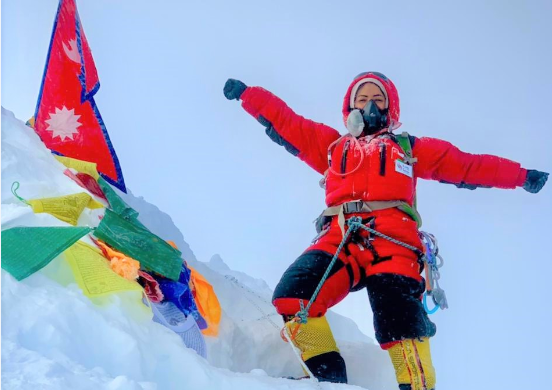
Public radio’s longest-running daily global news program.AboutContactDonateMeet the TeamPrivacyTerms of use©2026 The World from PRXPRX is a 501(c)(3) organization recognized by the IRS: #263347402.Climbers mourn death of first Omani woman to summit Mount EverestNadhira Al Harthy, the first Omani woman to summit Mount Everest, died last week in an avalanche that also claimed the lives of nine other mountaineers. The climbers were attempting to summit Broad Peak in Pakistan, the world’s 12th tallest mountain. The World’s Host Carolyn Beeler speaks with Manal Rostom, the first Egyptian woman to summit Everest, about Nadhira’s legacy and the increase in Arab women pursuing mountaineering. SportsAugust 5, 2026Updated: August 5, 20267:42In this April 11, 2015, file photo, a Nepalese Sherpa guide tries to make a phone call at Everest Base Camp in Nepal.The mountaineering community is mourning after a deadly accident in Pakistan’s Karakoram Mountains on July 30, 2026.Ten climbers died in an avalanche on Broad Peak, the 12th-tallest mountain in the world. The dead include giants in the mountaineering community. Among them was Nirmal Purja, a Nepali climber who broke records scaling the world’s 14 tallest peaks in six months. Also killed was Nadhira Al Harthy, a pioneering mountaineer from Oman. She was the first woman from her country to summit Mount Everest in 2019.Nadhira Al Harthy was part of a wave that has inspired a growing number of Arab women to pursue mountaineering.Manal Rostom is one of them. In 2022, she became the first Egyptian woman to make it to the top of Everest. While she never met Nadhira Al Harthy in person, they frequently communicated online.The World spoke with Rostom about Nadhira Al Harthy and the climbers caught in that avalanche. Rostom mentioned that “mountaineering is a very white, male-dominated sport. So, normally, it’s not a very common thing to see a hijab-wearing athlete or hijab-wearing mountaineer. So, me and her had that much in common, and we’d always talk about trying to empower women who looked like us or women who wanted to choose to wear the hijab and still be athletes. So, I think this is one thing that brought us together online because I’m also very vocal about that part of my journey as a covered athlete.”May 22, 2019, a long queue of mountain climbers line a path on Mount Everest just below camp four, in Nepal. Rizza Alee/APManal Rostom: It’s changing. I wouldn’t say it has changed, but it’s definitely changing. There’s literally a first woman who’s climbed Everest from pretty much every Arab country right now. You’ve got Morocco, Egypt, Lebanon, UAE, Saudi Arabia, Qatar. We still get hate online, of course, like ridiculous comments. But I think this happens in every culture. I wouldn’t just limit it to the Arab world. So, I think it’s definitely changing, but there’s still so much more work that we could be doing, and that should be done.She was just a great support. I remember every time I would post a video, saying, “I don’t think I’m going make it. This is really hard, and no one ever told me that I can’t breathe and I’m always nauseous.” And she would always, not only send me a short text, but she would send me a long voice note. She had no doubt. And I remember right before my summit push, she sent me a long voice note saying, “Oxygen is going to change your pace. Oxygen is going to change your performance on the mountain. You’re going to fly, and I’m sure that your next post is going to be of you and your Egyptian flag.” It really gave me a lot of push while I was on the mountain, actually. And she was just really kind. One of these people with no ego, super humble, achieving all those firsts for her country, very passionate about her culture, very passionate about her country. And she just really wanted to inspire the younger girls. So yeah, it’s a really tough day for everybody, especially the ones who are really passionate about the sport. Because what is the sport, right? Why are we so crazy about this sport? It takes lives. So, I don’t know, it’s just devastating for the mountaineering community.Family members, friends and supporters light candles in memory of the climbers who died Thursday in an avalanche on Pakistan’s Broad Peak, Kathmandu, Nepal, Aug. 4, 2026. Niranjan Shrestha/APWhen you stand on top of a mountain, it makes you feel invincible, and that feeling stays with you for a long time. Whether you’ve represented your country as a first, or if you’re the underdog or the girl next door who wasn’t expected to achieve anything much, or the girl who never married and never had kids. And that’s me, by the way, at the age of 46. And everyone is expecting me to check certain cultural boxes or society boxes, and I didn’t. But then I want to check my own boxes. And then mountains give you that kind of strength. They make you feel invincible. And then, when the feeling goes away, you start thinking of the next one, and then the higher one, and then the bigger one, and the more challenging one. It is selfish, I’m telling you. I’m admitting it is a selfish sport. It’s part ego, it’s part selfish, it’s part dreams, and it’s part passion. And then, put them all in the mix, and it’s like, “What is going on?” It’s hard.It just gives you a strength I can’t describe, and it makes everything seem easy after that. Whether it’s a break-up or a hardship or you have a problem at work. I always think, I climbed Mount Everest, I can do this. And you set such a great example, especially for the younger girls who, for example, for me as a hijabi mountaineer or a mountaineer who wears hijab, if a girl wants to be an athlete and still wants to exercise her faith and look like a Muslim by covering up, she can still be an athlete. She can still stand on top of the world. And I always take pride in that. And I say, “If the girl next door, if the underdog, can stand on top of the world, so can you. If I can do it, you can do it.”Parts of this interview have been lightly edited for length and clarity.
Climbers mourn death of first Omani woman to summit Mount Everest - The World from PRX
Nadhira Al Harthy, the first Omani woman to summit Mount Everest, died last week in an avalanche that also claimed the lives of nine other mountaineers. The climbers were attempting to summit Broad Peak in Pakistan, the world’s 12th tallest mountain. The World’s Host Carolyn Beeler speaks with Manal Rostom, the first Egyptian woman to summit Everest, about Nadhira’s legacy and the increase in Arab women pursuing mountaineering.
1,062 words~5 min read