World News in Brief: Cambodia human rights, Hormuz invasive species risk, IOM lauds 2025 progress
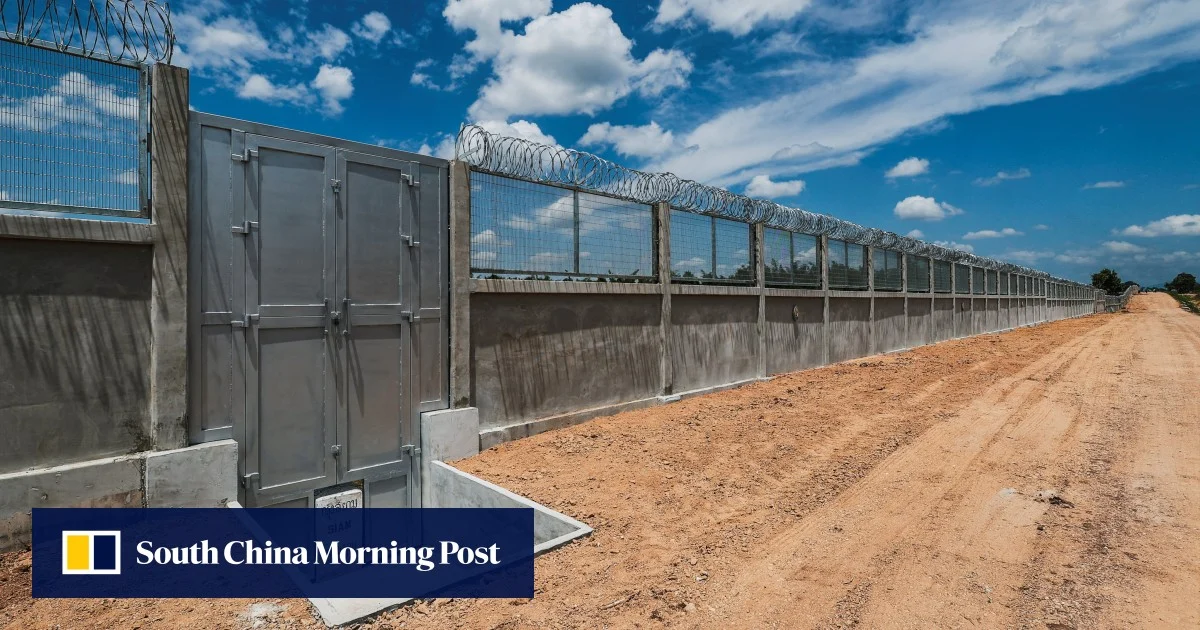
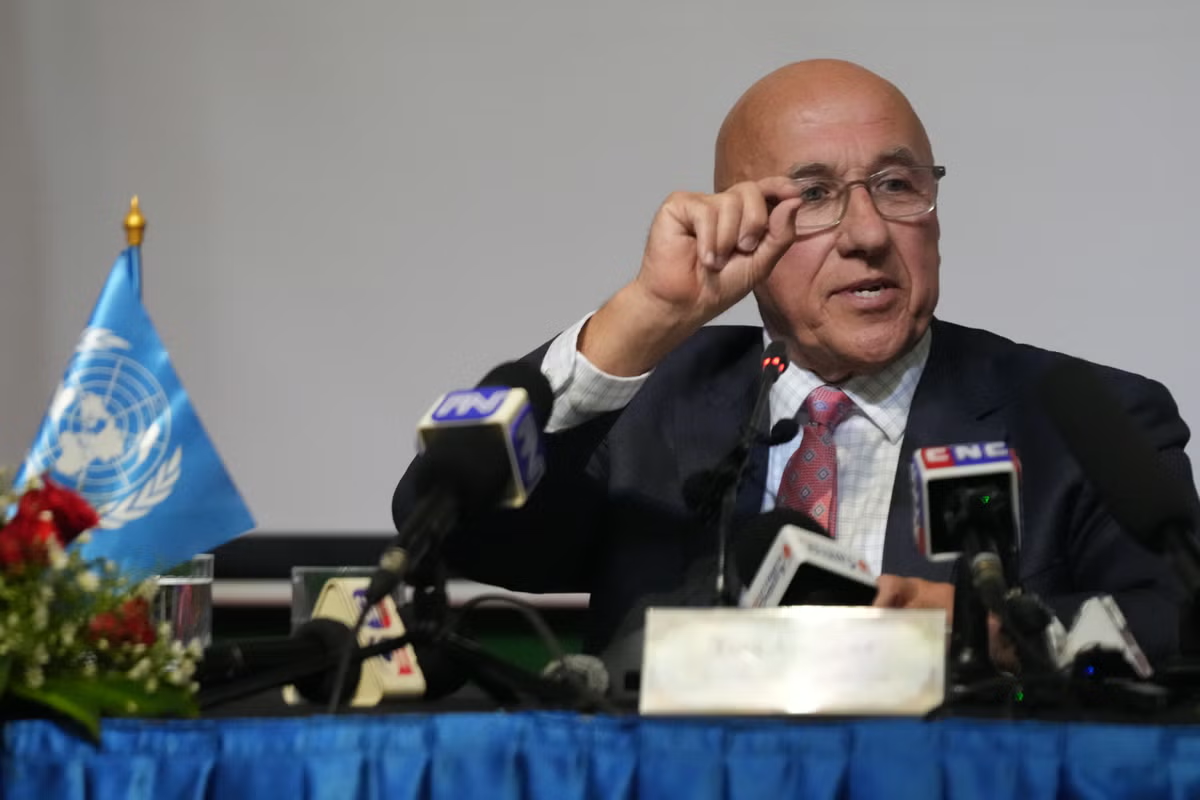
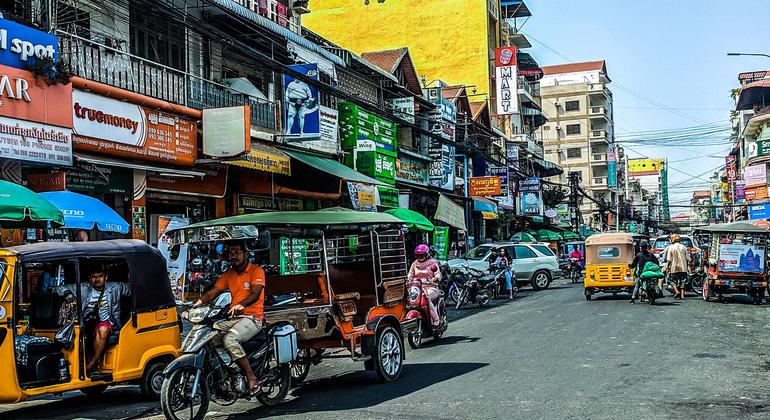
Although Mr. Andrews was able to meet freely with local human rights advocates and people displaced by Cambodia’s ongoing border conflict with Thailand, he said many are imprisoned for exercising their political rights, prisons remain overcrowded and some senior government officials remain involved in cyberscam operations. “My first mission to Cambodia has left me with deep concerns: for displaced people along the border with Thailand, for those who have been trafficked, and for those who are behind bars having exercised basic freedoms,” he said.
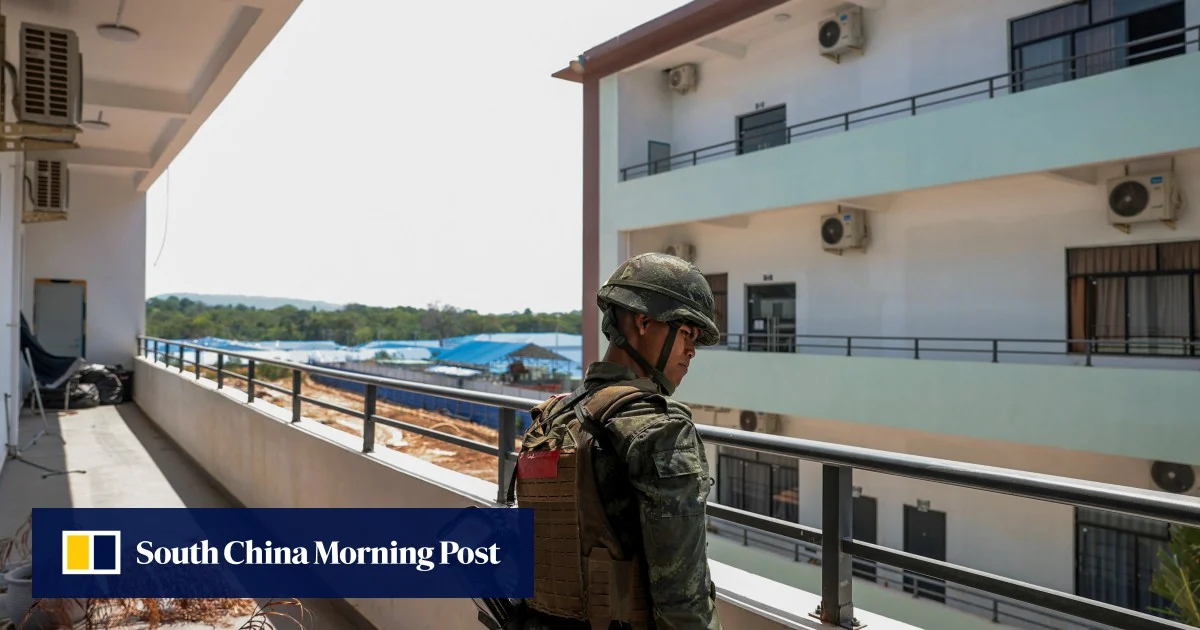
Mixed progress on human rights Mr. Andrews was appointed by the UN Human Rights Council as the Special Rapporteur on the human rights situation in Cambodia. On one hand, he acknowledged that the government has taken meaningful steps to close scam compounds, agreed to address prison overcrowding, dramatically improved economic conditions for millions and committed to many human rights treaties. On the other, he said more than 100 people may be detained for exercising basic political freedoms, many of the country’s laws conflict with international law, opposition parties are harassed and the government has not done enough to take action against scammers. With elections approaching in 2027 and 2028, Mr. Andrews said the government must respect the rights of political opponents. In the country’s north and northwest, more than 20,000 Cambodians remain displaced – unable to return home because their villages are occupied by Thai soldiers amid the latest flareups on the border. He stressed that Thailand and Cambodia must work together to ensure that all civilians can return home safely. “They need, and deserve, to go home,” he said. Special Rapporteurs receive their mandates from the UN Human Rights Council, which is based in Geneva. They are not UN staff and do not receive payment for their work.