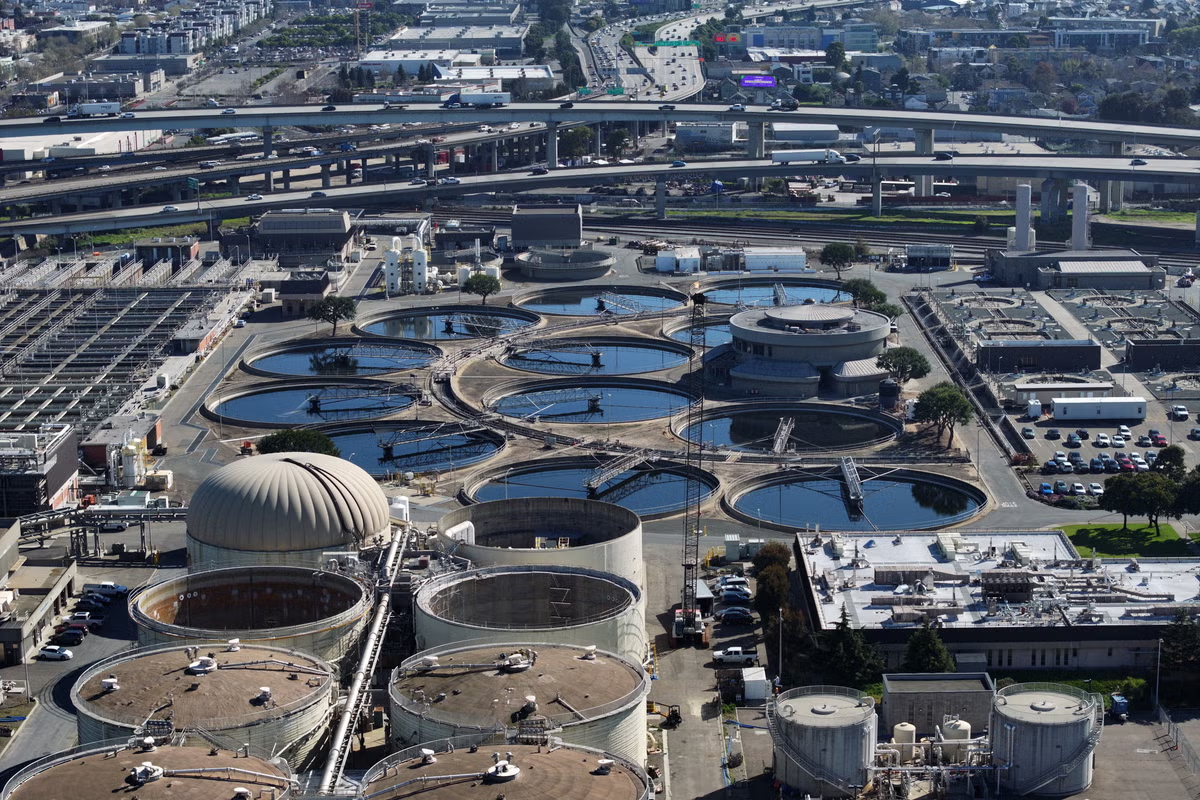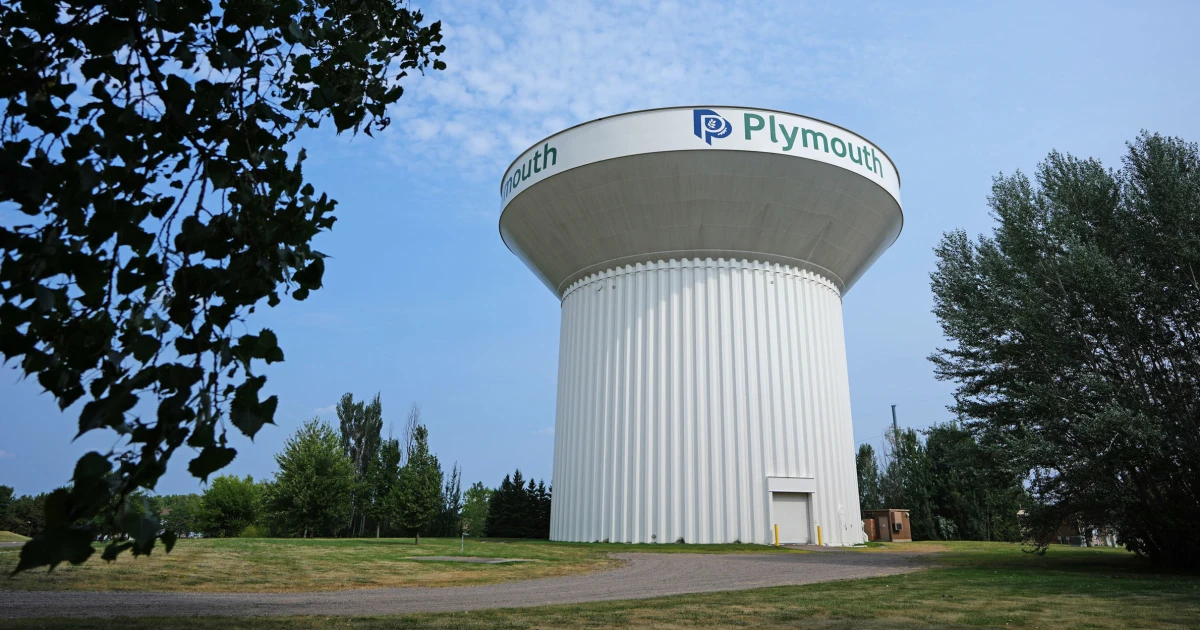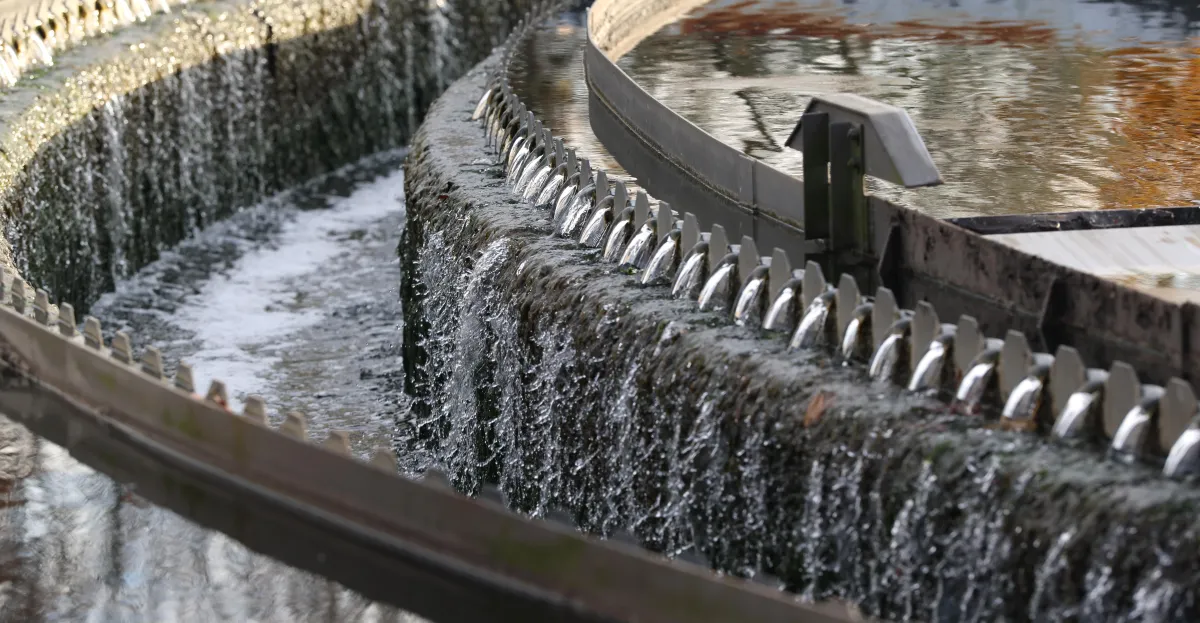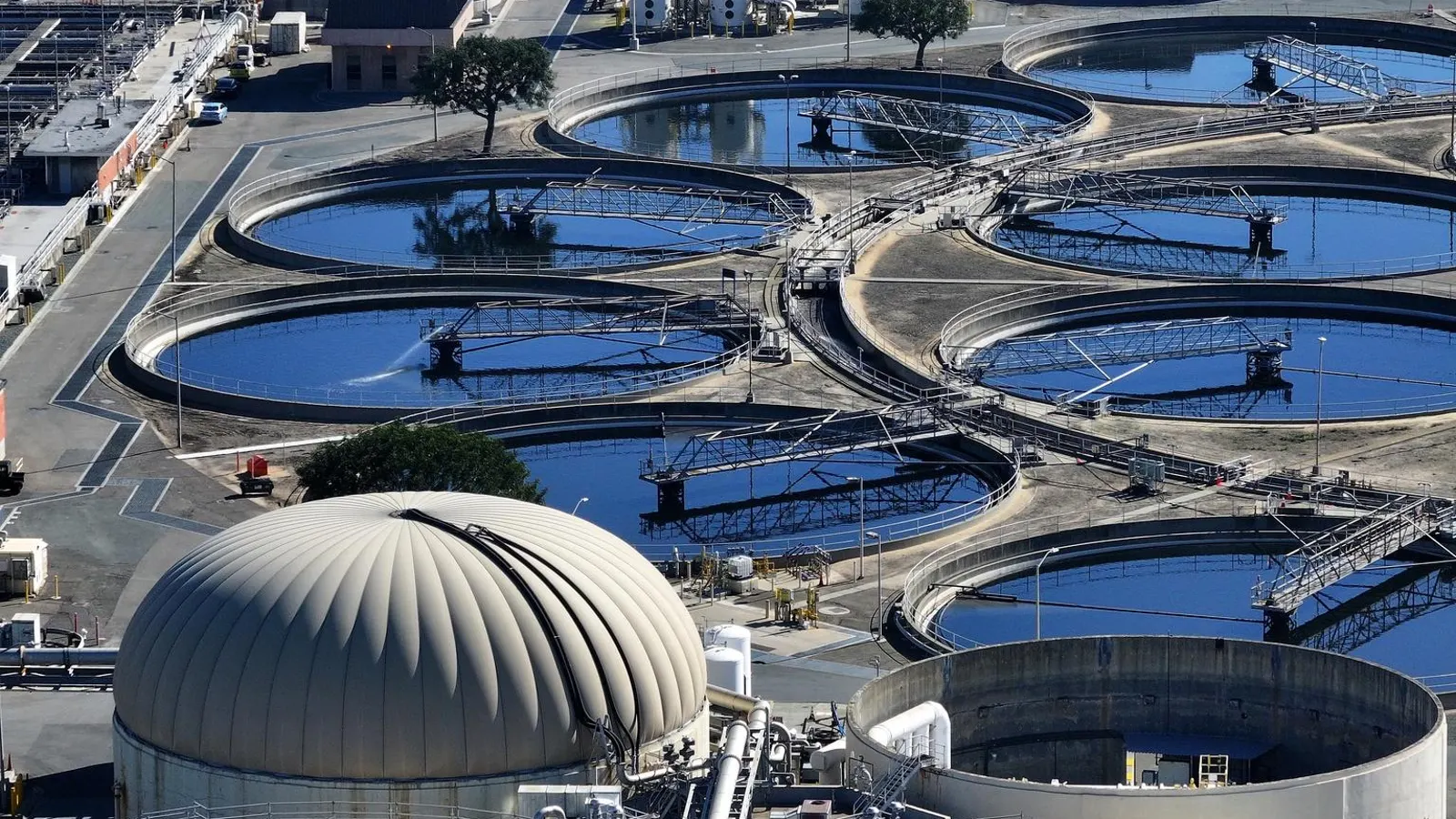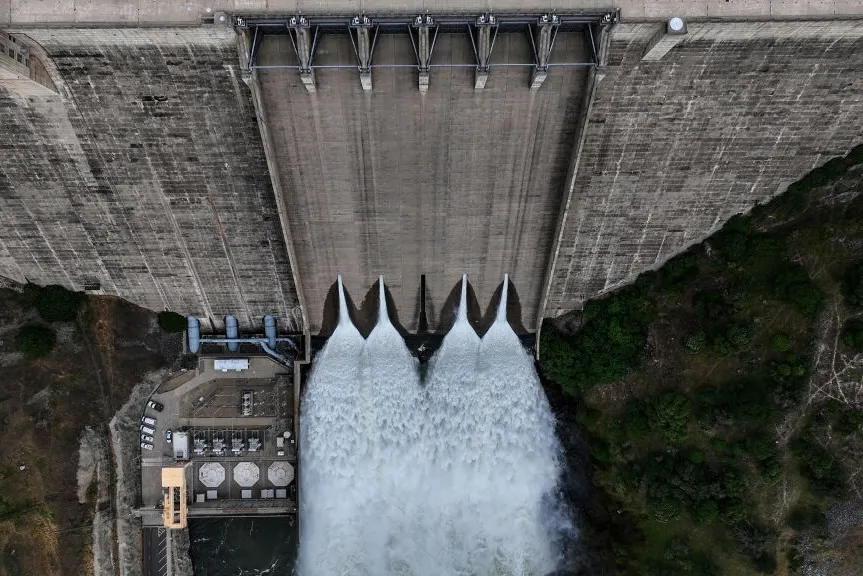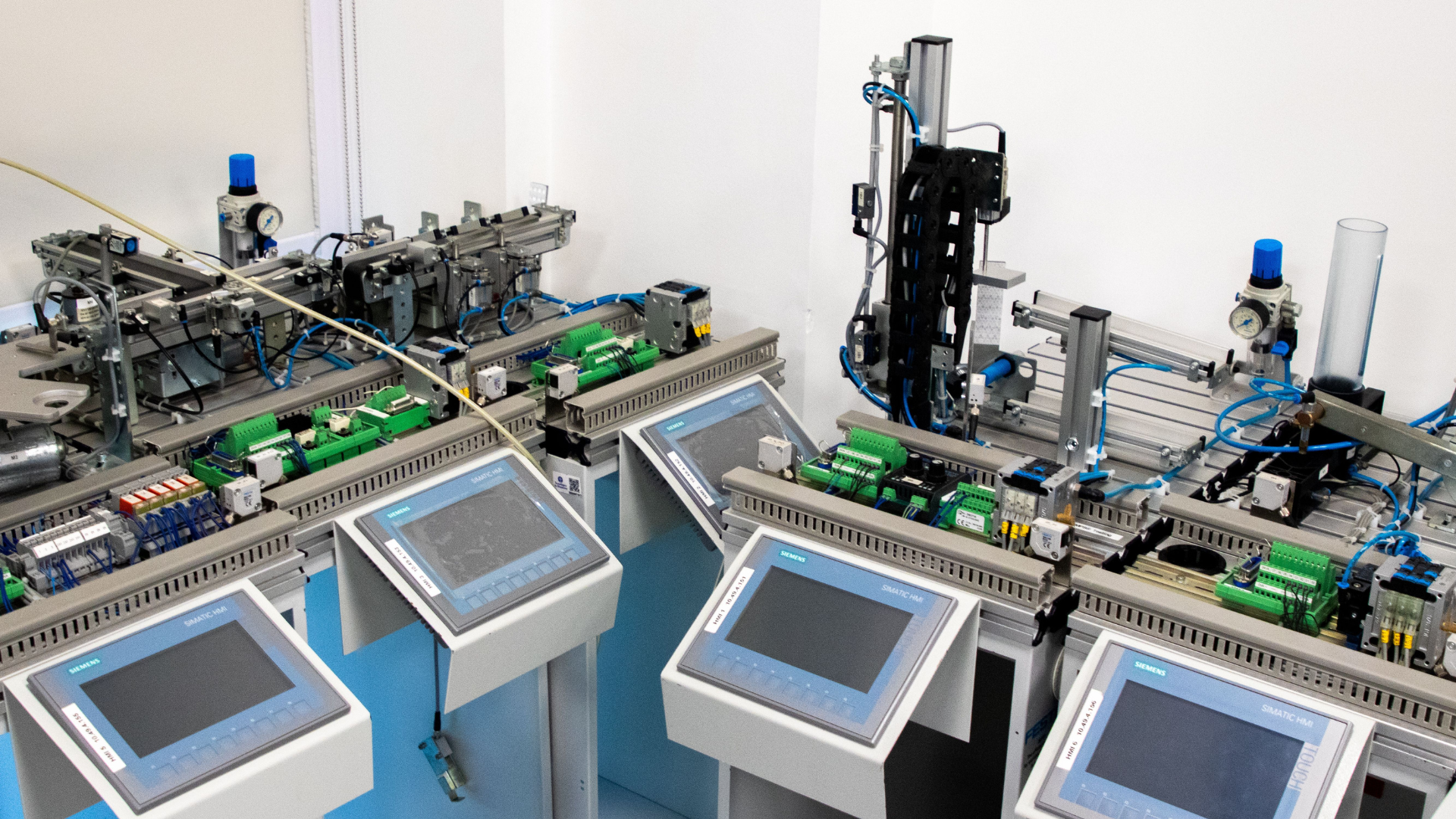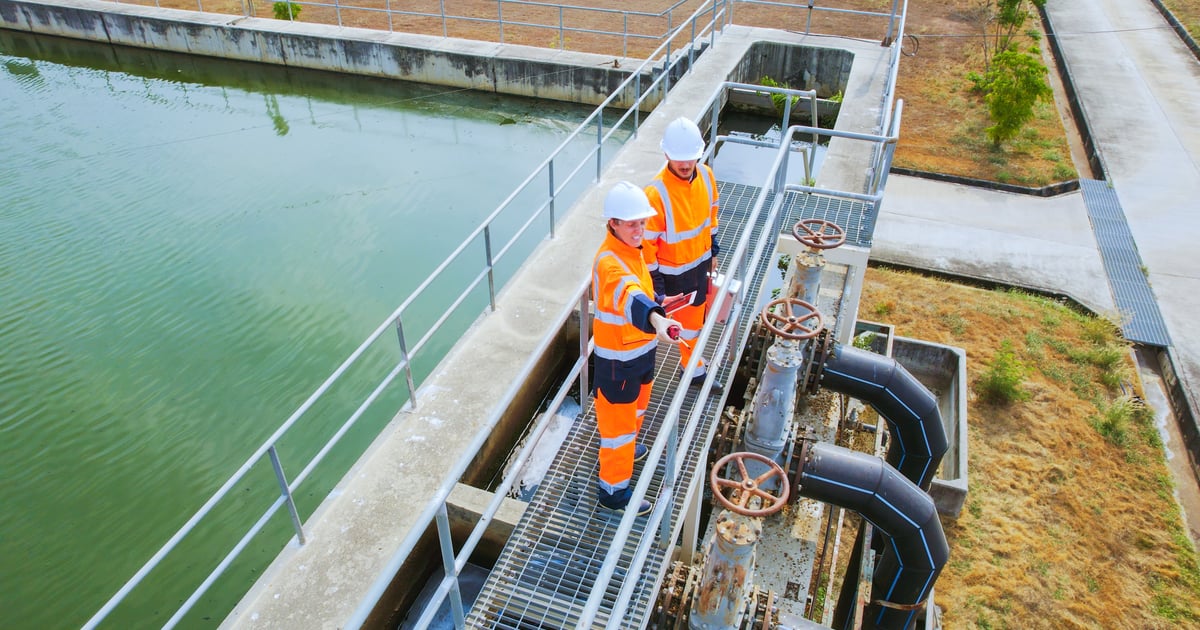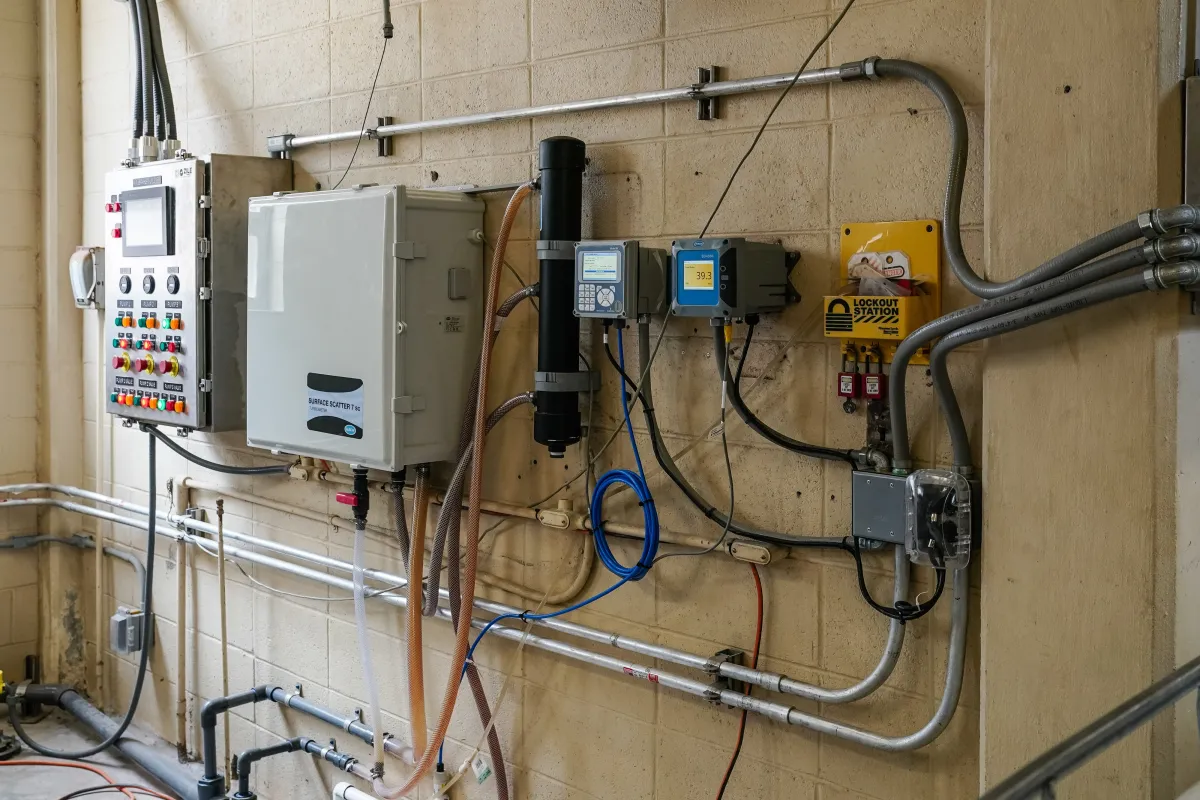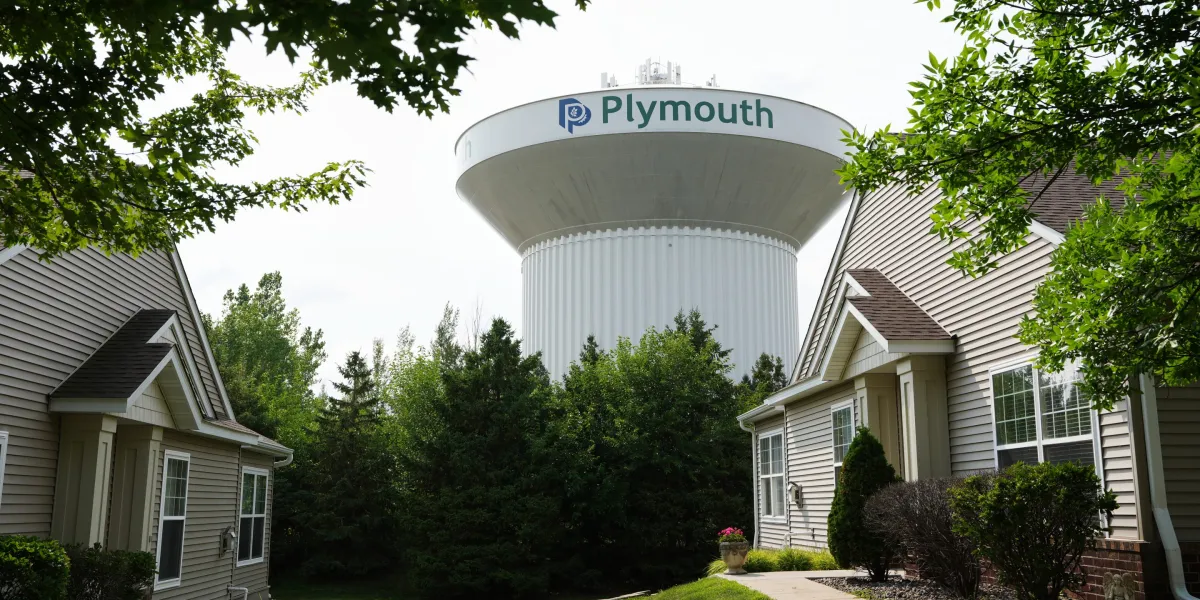
The attackers did not try to infiltrate the computers that utility offices use. Instead, they tried to seize control of small computers in equipment like pumps and valves that deliver drinking water to millions of people.The utilities countered the attacks by shutting down the control computers and sending personnel out into the field to operate equipment manually. Utility officials have said that water remained safe to drink.How can someone from far away seize control of a water system and possibly shut off the flow or taint the water?There are about 152,000 public drinking water systems in the United States, according to the federal government. A municipality gets its water from lakes, reservoirs, rivers or underground aquifers.Pumps move water through pipes to a treatment plant that filters and disinfects it. More pumps push the treated water into storage tanks, then through distribution pipes to homes and businesses. The entire system can span many square miles.Small computers control numerous pumps and other equipment involved in moving and treating drinking water, from source to consumer. Taloma et al, CC BY
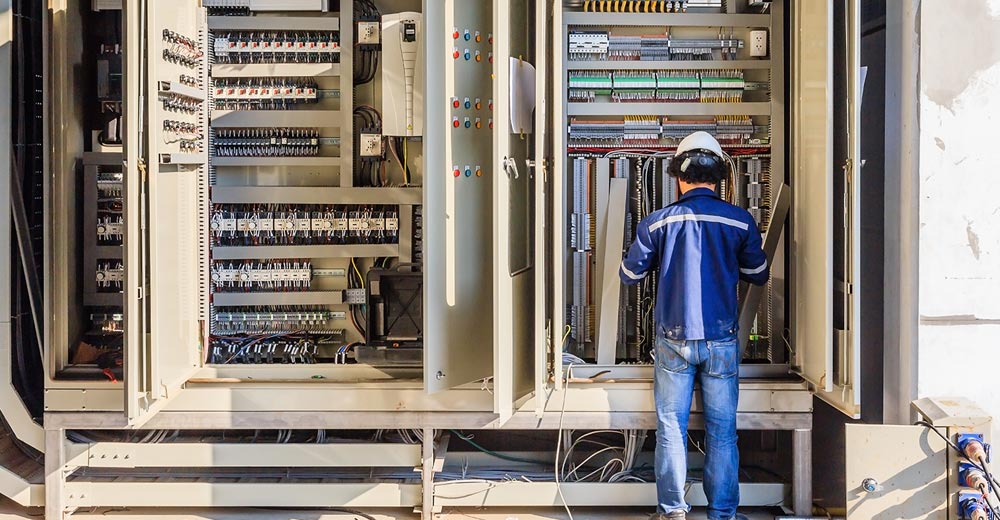
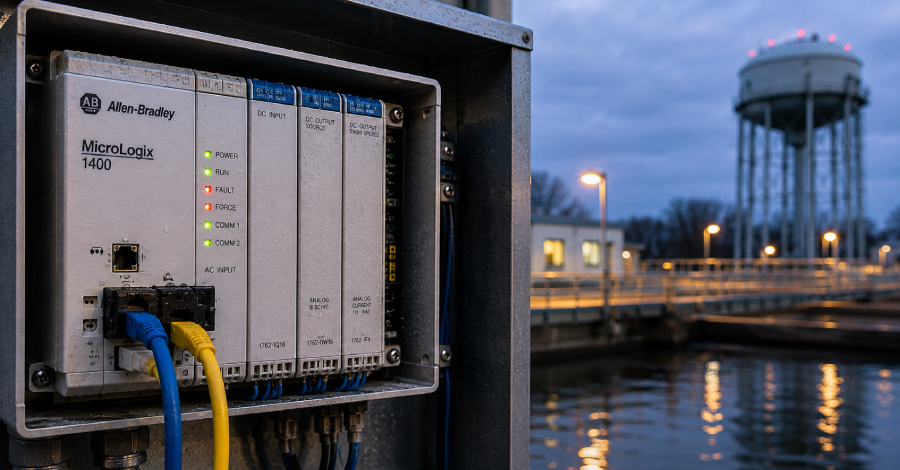
The hackers accessed small computers called programmable logic controllers at the water systems that operate all sorts of industrial equipment. The programmable logic controllers read sensors that measure conditions such as water pressure, water chemistry, tank levels and equipment status, and automatically operate pumps, valves and alarms. A household thermostat is a useful comparison: It reads the temperature and tells the heating or cooling system what to do.