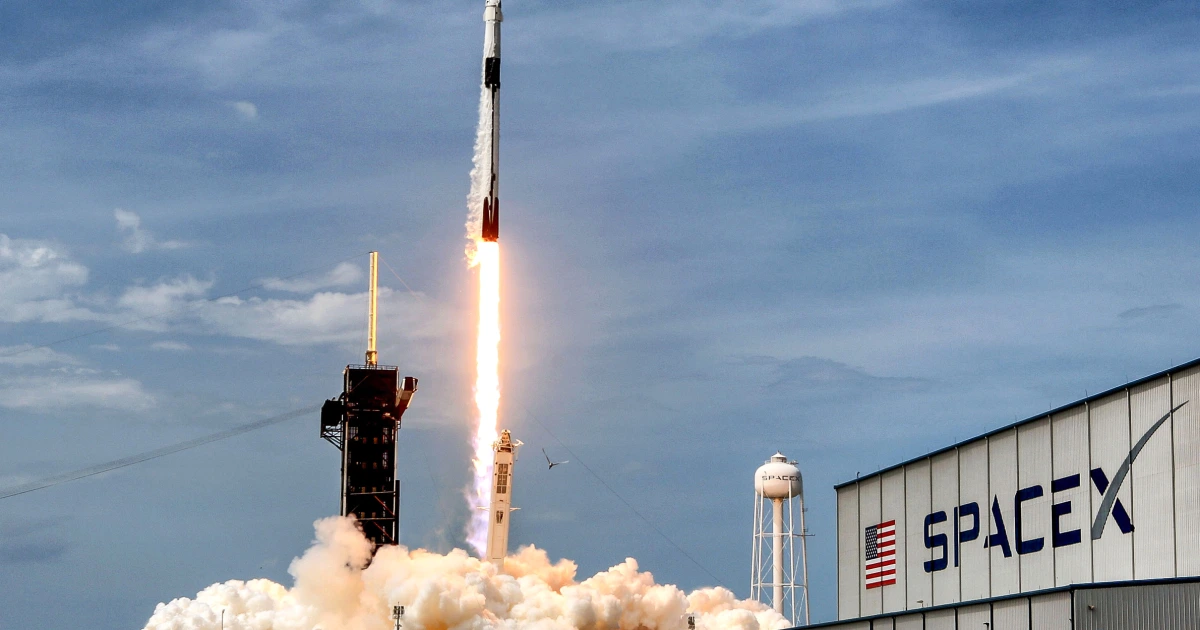
Elon Musk’s SpaceX went public less than two months ago in a blockbuster IPO that raised $86 billion from investors, valuing the rocket/satellite/AI/social-media company at roughly $1.75 trillion. Things have gone less great since then and not only because Musk lost his brief status as the world’s first trillionaire. For one thing, shares of the company have fallen from a high of $225 in July to $125 each — $10 below their IPO price — and a “totally nuts” plan Musk detailed on Tuesday is not changing hearts and minds. For another, parts of a SpaceX rocket crashed into the moon on Wednesday.
Yes, pieces of a discarded rocket launched into space in January reportedly “crashed into the moon at 8700 kilometres per hour” on Wednesday morning, and if you’re wondering if this a totally standard, course-of-doing-business thing that no one should get upset over, experts are here to tell you it is not. “It is not a good thing to be randomly sending debris into the moon,” the University of Leicester’s Hannah Sargeant told the New Scientist. “It’s not something we should be making a habit of. What if it hit a site of special interest? What if it caused damage to the historical Apollo landers?” Open University’s David Rothery similarly noted that while “the moon already has about 100 million natural impact craters of the size expected to be made by this crash,” and he would not have a problem with “a deliberate collision into the moon if it were done with a science aim and was set up so as to be studied,” that was not the case here. “This crash is accidental and reckless.”