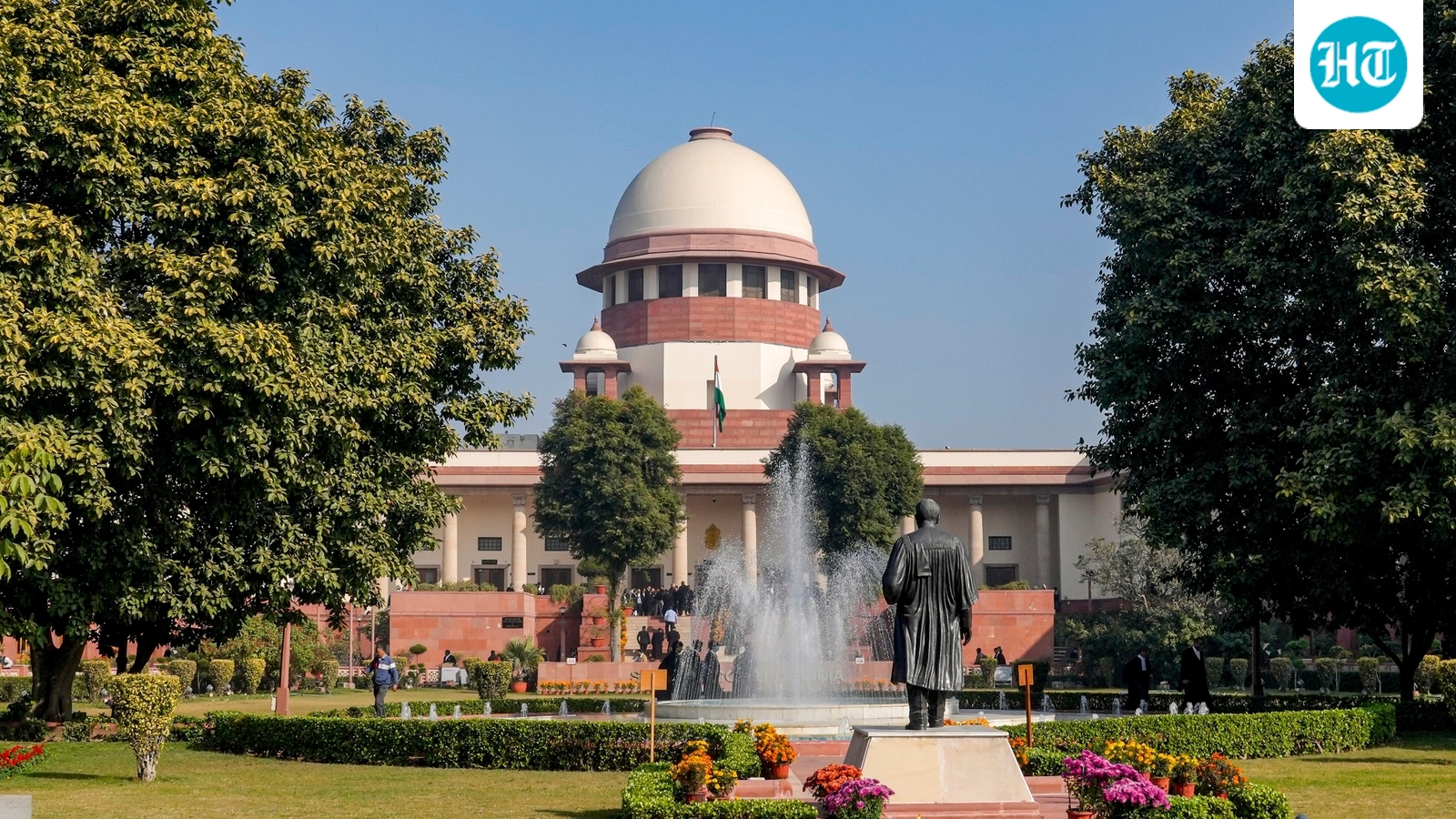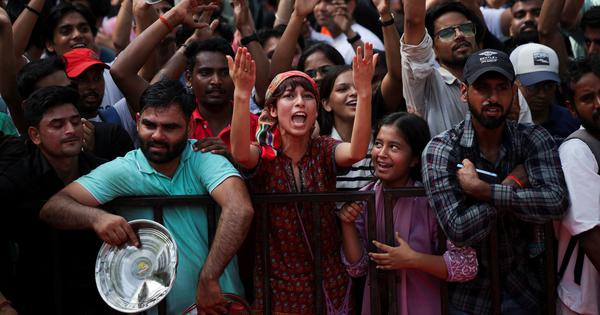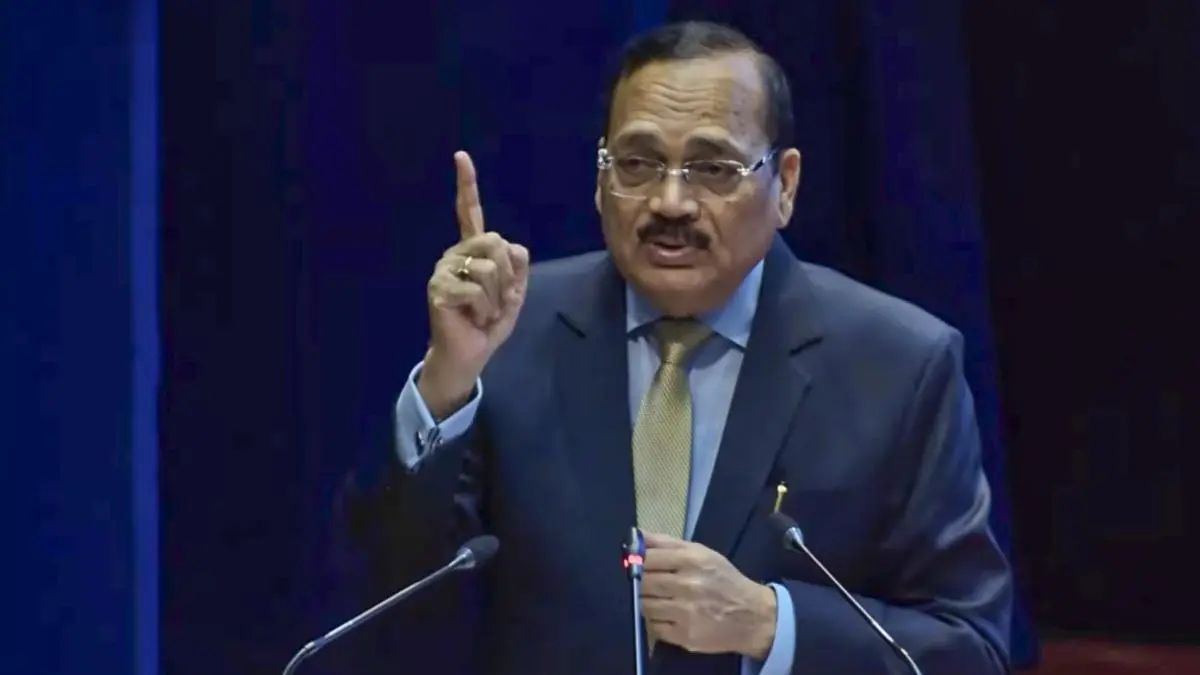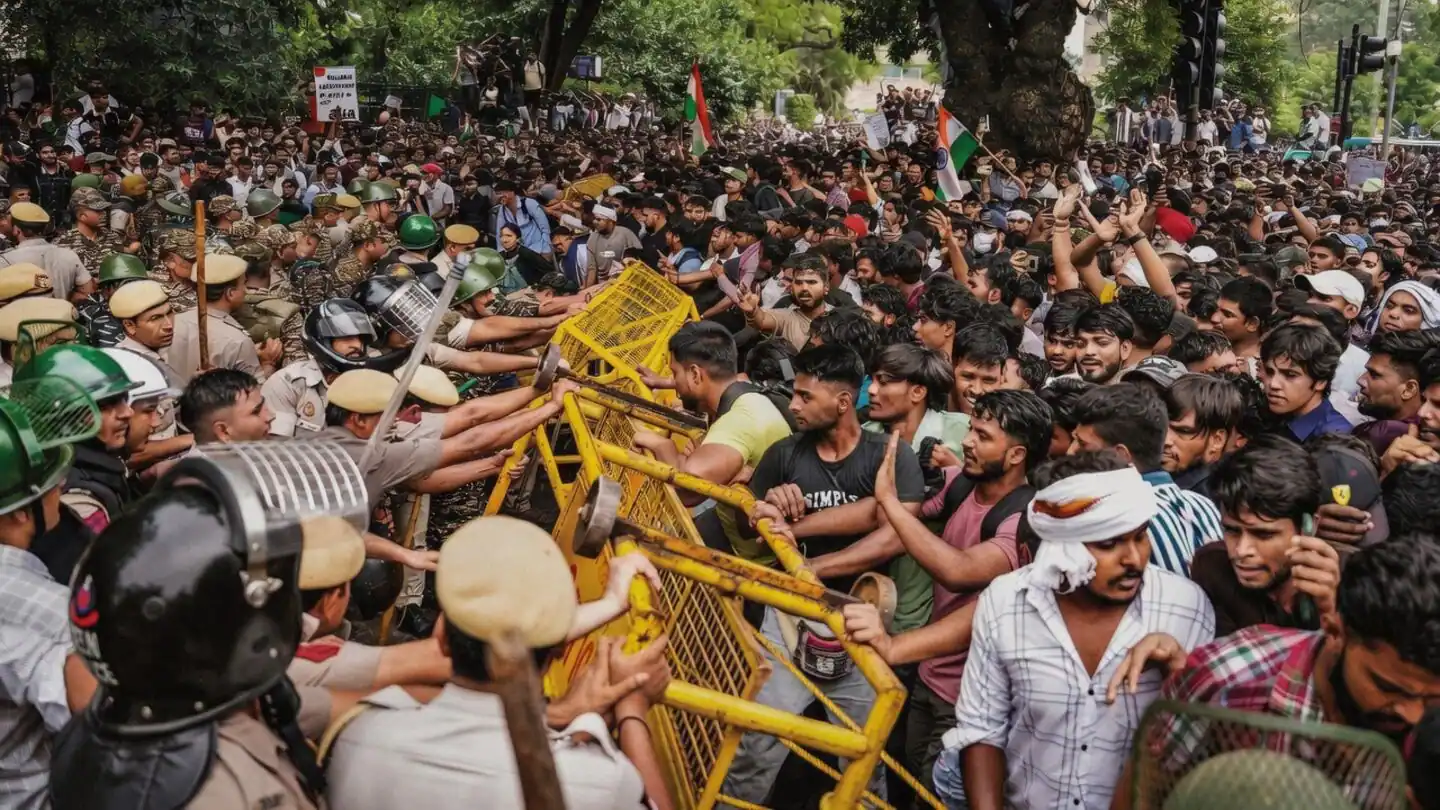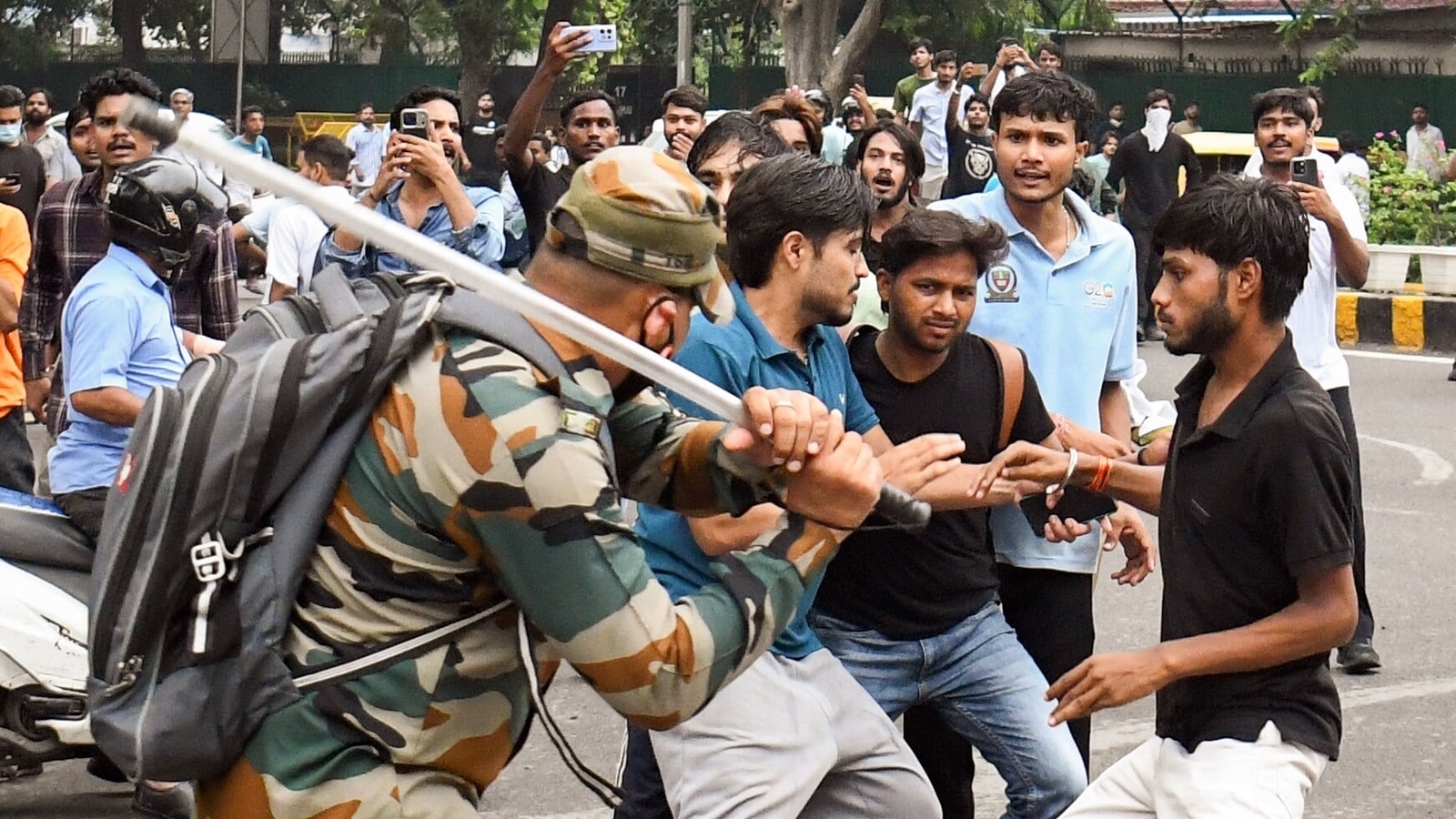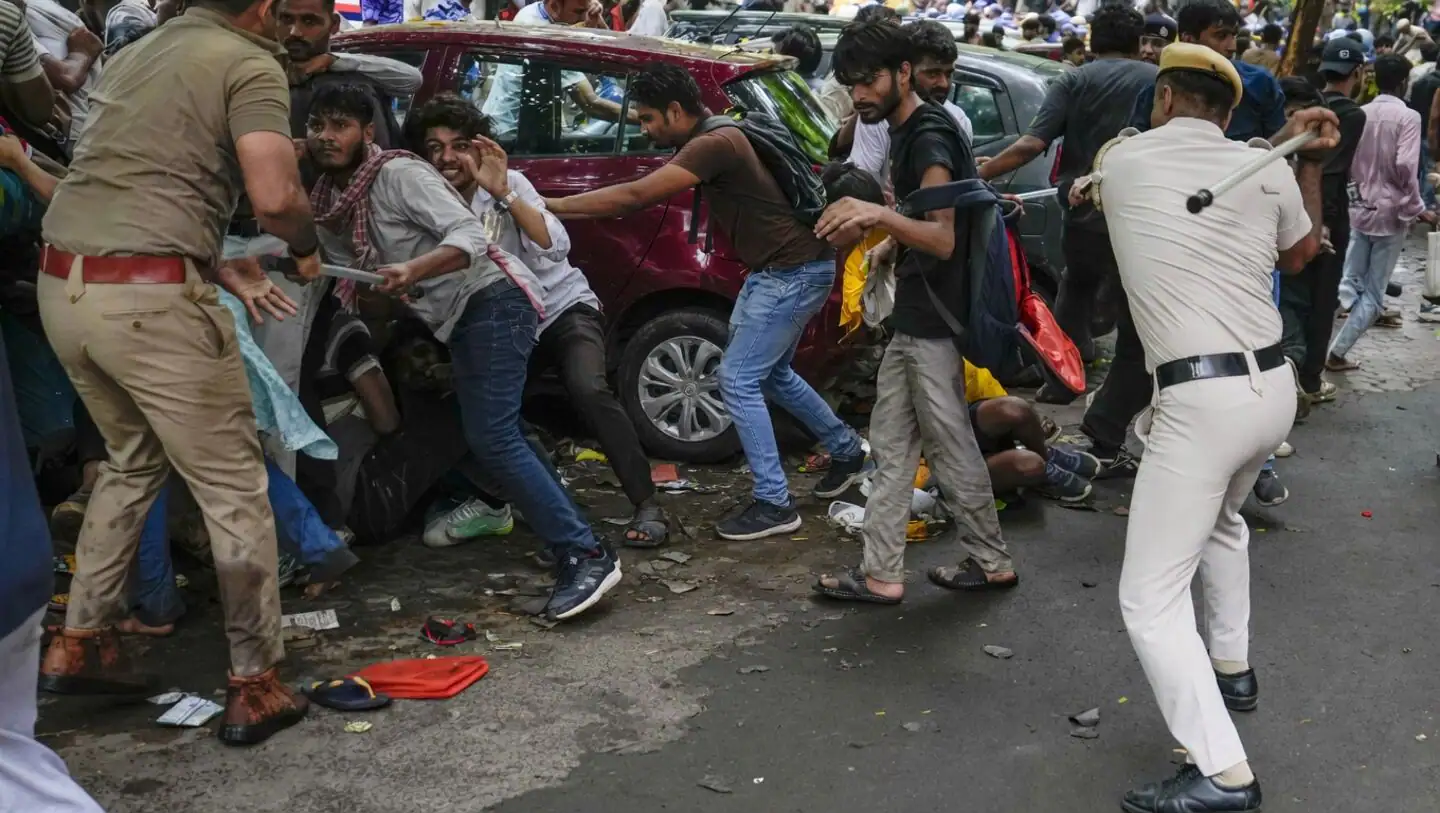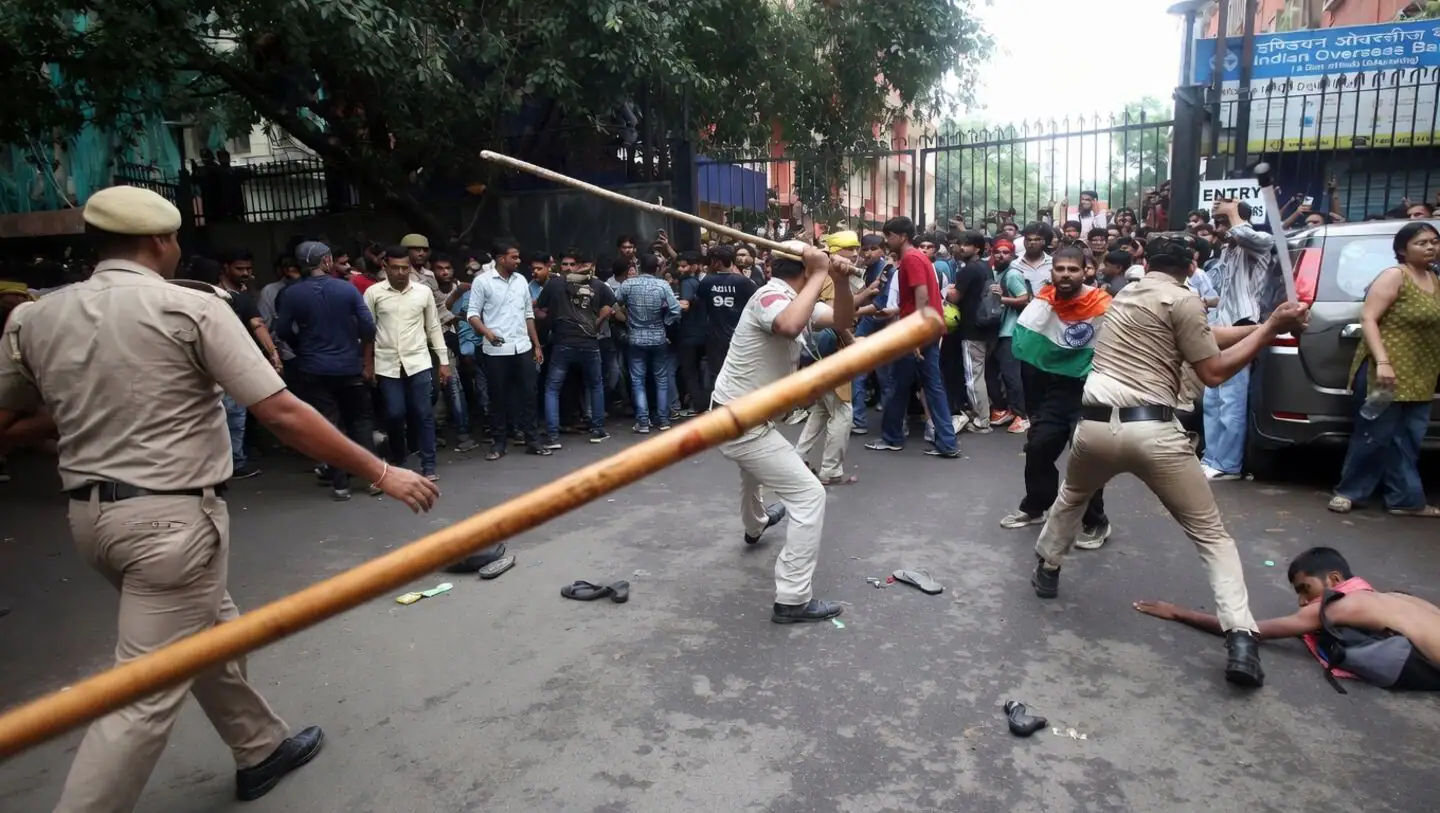
New Delhi: Supreme Court on Wednesday observed that the "better course" to address the concerns of protesting youngsters is to "listen" to them and "counsel and pacify" them instead of allowing the situation to escalate into violence."We need to tread carefully so that these youngsters do not indulge in violence. The better course is to counsel them and pacify them. The most powerful tool is listening. Listen to them and understand why they are shouting," Chief Justice of India Surya Kant, heading a three-member bench, verbally observed.The observation was made during the hearing of a plea by retired Air Force officers, seeking action against the organisers of the Jantar Mantar protests for their alleged role in the July 20 demonstrations. The plea alleged that statements made by leaders of the Cockroach Janta Party (CJP) incited protesters.Also Read: Supreme Court agrees to examine PIL seeking alternative to Jantar Mantar as protest venueThe counsel for the petitioner argued that while accountability has been sought from the government and the police over the events of July 20, no action has been taken against the protest organisers at Jantar Mantar even after a fortnight. The counsel added that the organisers were continuing to make provocative public statements and should be held responsible for the resulting violence.CJI Kant said priority should be to facilitate peaceful protests while ensuring that situations do not spiral out of control."What is important is to promote a peaceful march. If some incident takes place, the police also need to exercise a great deal of restraint to ensure that the situation does not go out of hand. Wherever such incidents take place, we need to deal with them carefully," CJI Kant remarked, adding: "But let us leave it to the wisdom of the law-enforcement agencies. They know better than you, and they know better than us how to deal with this kind of situation."Also Read: Delhi Police to first examine contents of Zero FIR against Noida woman booked for remarks on PMNoting that another pending plea raised issues from the opposite perspective, the bench observed that both matters should be considered together.
Better course is to counsel protesting youngsters: SC
The Supreme Court suggested listening to protesting youngsters and counseling them. This approach is seen as a better course than allowing escalation into violence. The court made these observations during a hearing on a plea by retired Air Force officers. The plea sought action against protest organizers for alleged incitement during demonstrations. The bench emphasized facilitating peaceful protests while ensuring situations do not spiral out of control.
351 words~2 min read