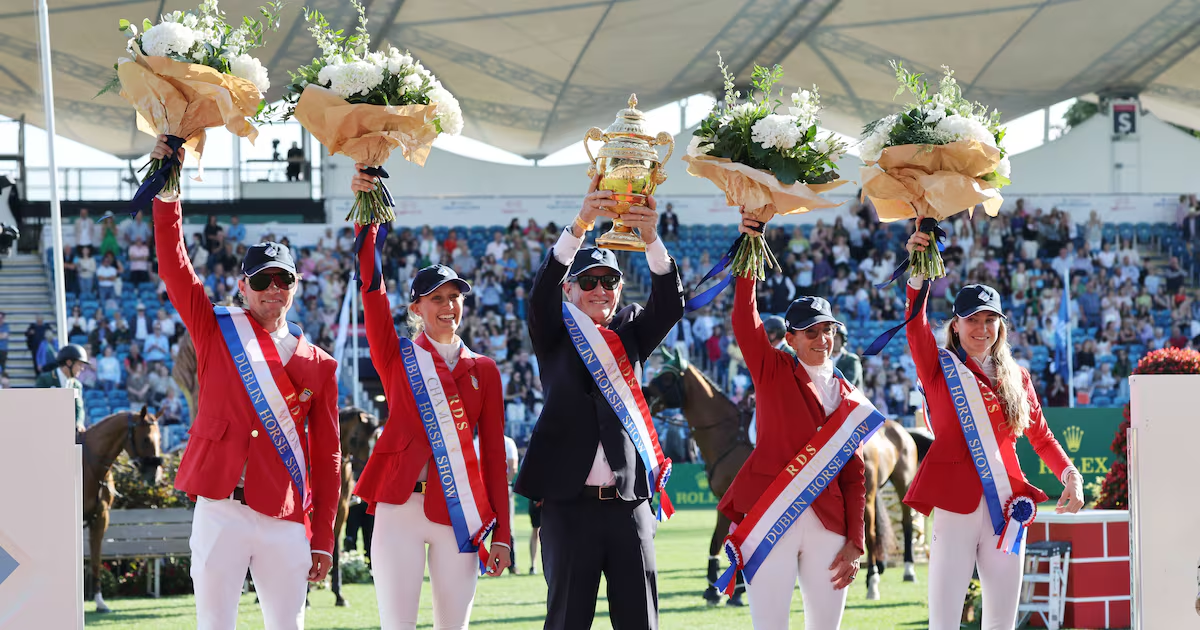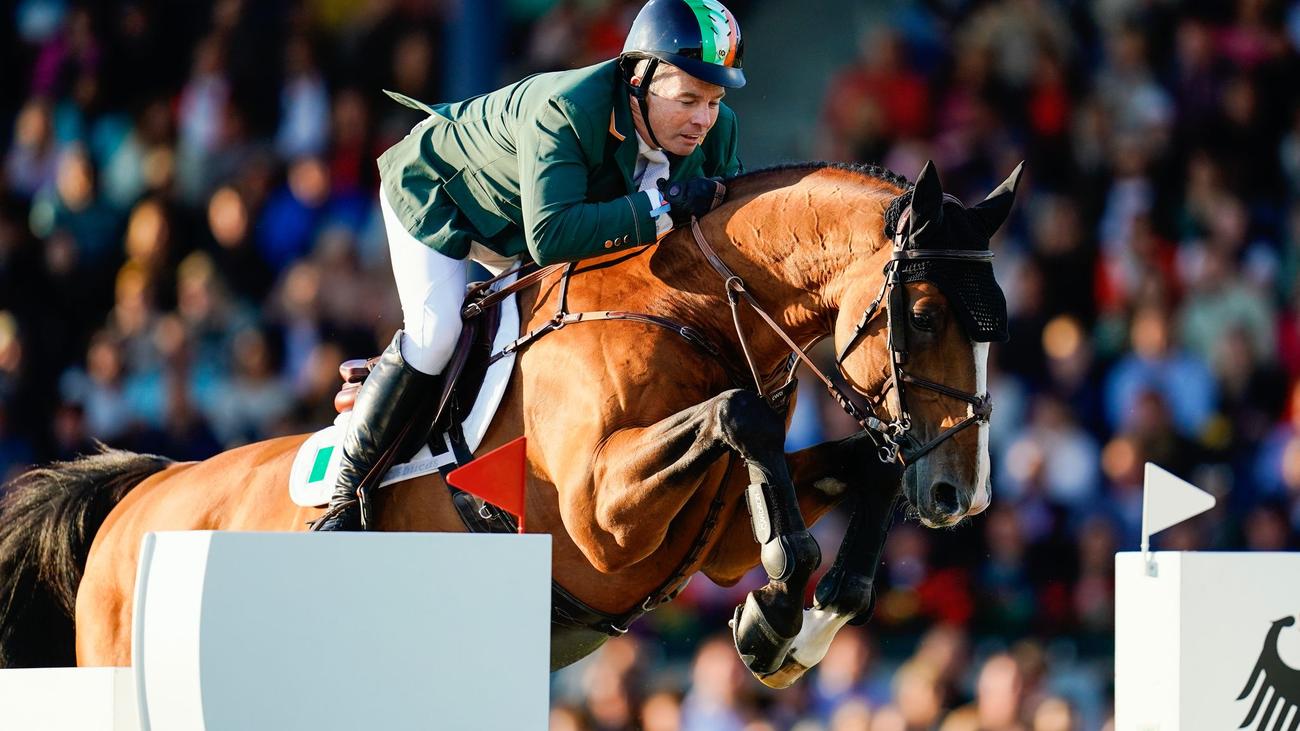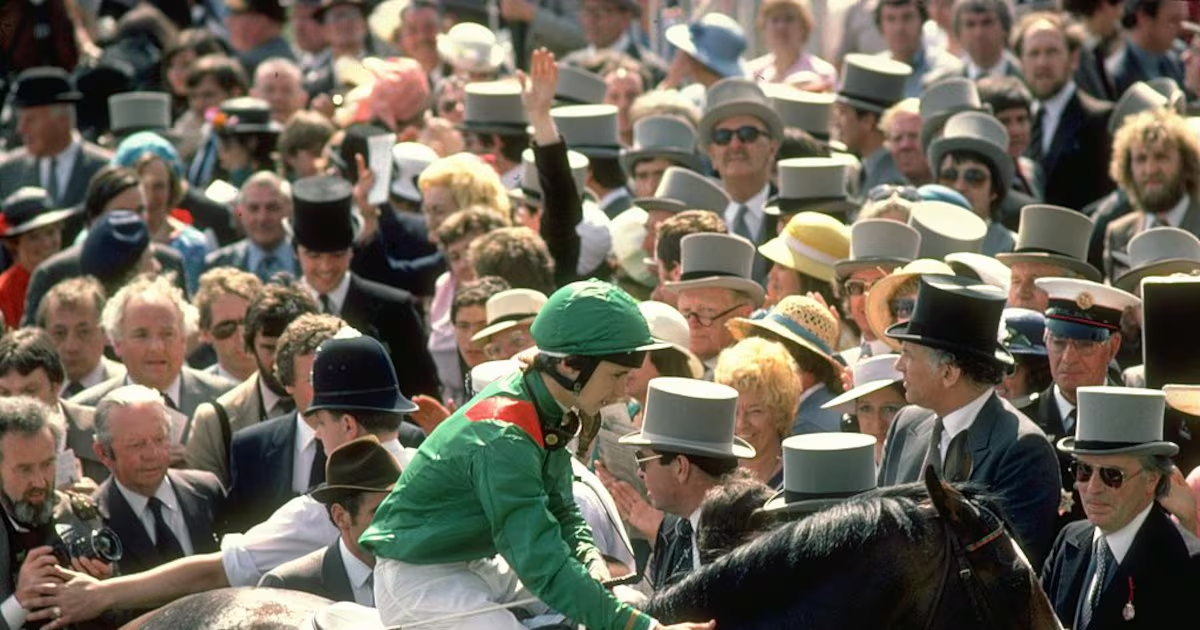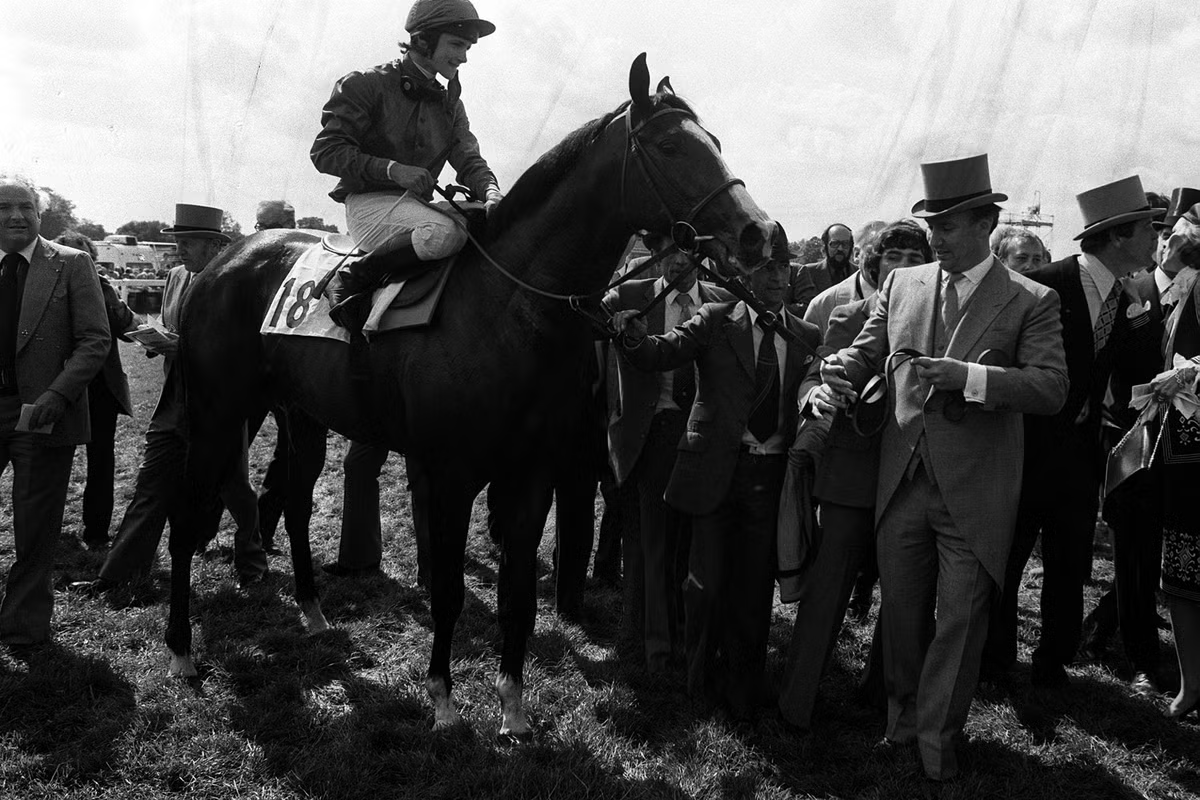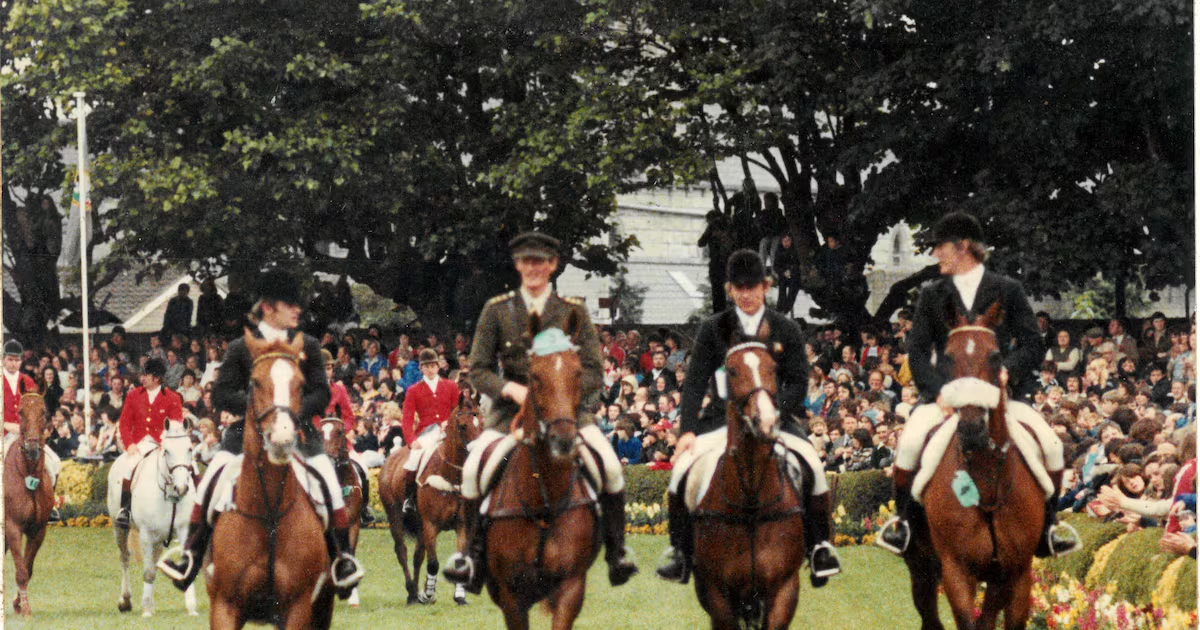
Horses have played a unique part in Irish life, captured, for example, in the wonderful recent book by Frances Nolan on the history of National Hunt racing in Ireland.As the Dublin Horse Show gets into full stride, show jumping takes centre stage. Horses and history rhyme.The highlight of the show is the Nation’s Cup for the Aga Khan trophy. Aga Khan III was born in Karachi and had a life long interest in horses. He first set up stud farms in the vicinity of the Curragh in 1923. His stud farms included Ballymany, retirement home of the legendary Shergar, whose victories included the Epsom Derby and the Irish Derby. The horse was captured with the aim of obtaining ransom money. No ransom was paid and his remains have never been found.[ Aga Khan’s daughter reveals Shergar was killed ‘in an awful way’ by IRAOpens in new window ]In 1926 Judge Wylie was vice-president of the RDS and a friend of president WT Cosgrave. When Cosgrave was tried for involvement in the 1916 Rising, Wylie commuted his sentence from execution to life imprisonment. They became friends. They shared a love of horses and together with the encouragement of a Swiss army officer, an international show jumping event was established at the RDS, with the Aga Khan presented the famous trophy.While it is 100 years since the first Nations Cup competition for the Aga Khan trophy, there have been fewer than 100 competitions. There was no horse show 1940-1945, due to the second World War, because of swamp fever in 1966 and because of Covid in 2020-2021.For many years teams for the Aga Khan trophy comprised three army officers. After the second World War the number on a team was increased to four. In 1963 the rules were relaxed to include civilians. In that year the first woman, Diana Connolly Carew, riding Barrymore, was included on the team. Connolly Carew together with two other civilians, Seamus Hayes, riding Goodbye and Tommy Wade, riding the famous Dundrum, joined Captain Billy Ringrose (great uncle of rugby international, Gary Ringrose) on Loch an Easpaig. Ireland won the trophy that year.To keep the cup it had to be won three times. This was later changed to three consecutive times. The Swiss were the first to keep the cup, having won it in 1926, 1927 and 1930. Ireland won the Cup outright in 1937, having won in successive years 1935, 1936 and 1937. The victories in the 1930s were achieved by members of the Army Equitation School, led by Capt Ged O’Dwyer from Limerick. On two of these occasions his mount was named Limerick Lace. The man who trained the team in those years, Col Paul Rodzianko, was Russian.The Army Equitation School was founded in 1926 and based at McKee Barracks to the north of the Phoenix Park. The barracks is named after Dick McKee, who, when a member of the Volunteers, was shot dead in Dublin Castle on Bloody Sunday in 1920. Col Michael Hogan was the first director of the school. His brother Paddy was minister for agriculture and responsible for the 1923 Land Act, often called the Hogan Act.It would be just over 40 years after the 1937 victory until Ireland would again win the Aga Khan trophy outright. They won the trophy outright in 1979, having also won in 1977 and 1978. On these occasions there was only one army officer on the four person team – Capt Con Power. The civilian riders included Paul Darragh and Eddie Macken.In the mid-1970s when Liam Cosgrave was taoiseach and funds were tight, given the oil crises and related economic depression, an approach was made to Cosgrave about the possible purchase of an exceptional horse for the Army. The price was in the region of €20,000. Cosgrave had a firm loyalty to the Army and had served during the Emergency. He also wished to support the Army show jumping team. It is said that he went to see minister for finance Richie Ryan, who acceded to the request and so Rockbarton was purchased for the Army. Rockbarton proved to be a great buy. Ridden by Capt Con Power, Rockbarton was part of the team that won the Aga Khan in 1979. Again in 1989, Rockbarton, ridden by Comdt Gerry Mullins, was on the winning Aga Khan team once more.
100 not out: Finola Kennedy on the Aga Khan Trophy’s centenary
The competition’s storied past takes in the nascent Irish State, Shergar and changing times
723 words~3 min read