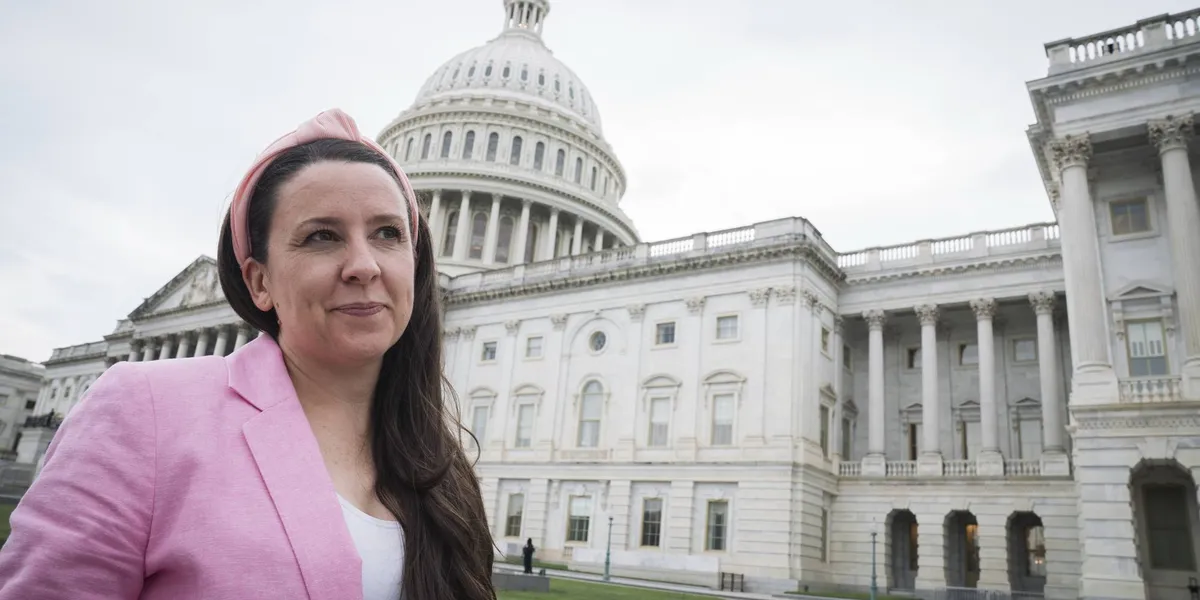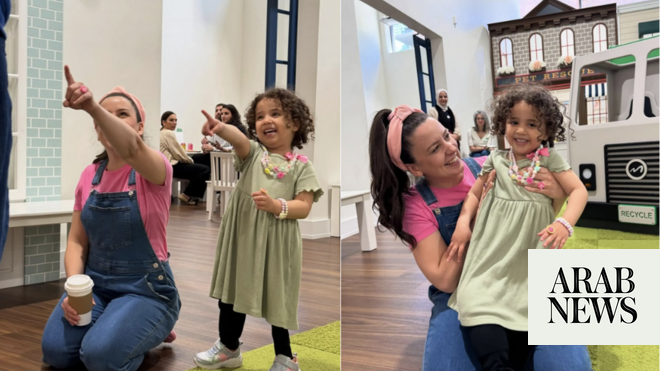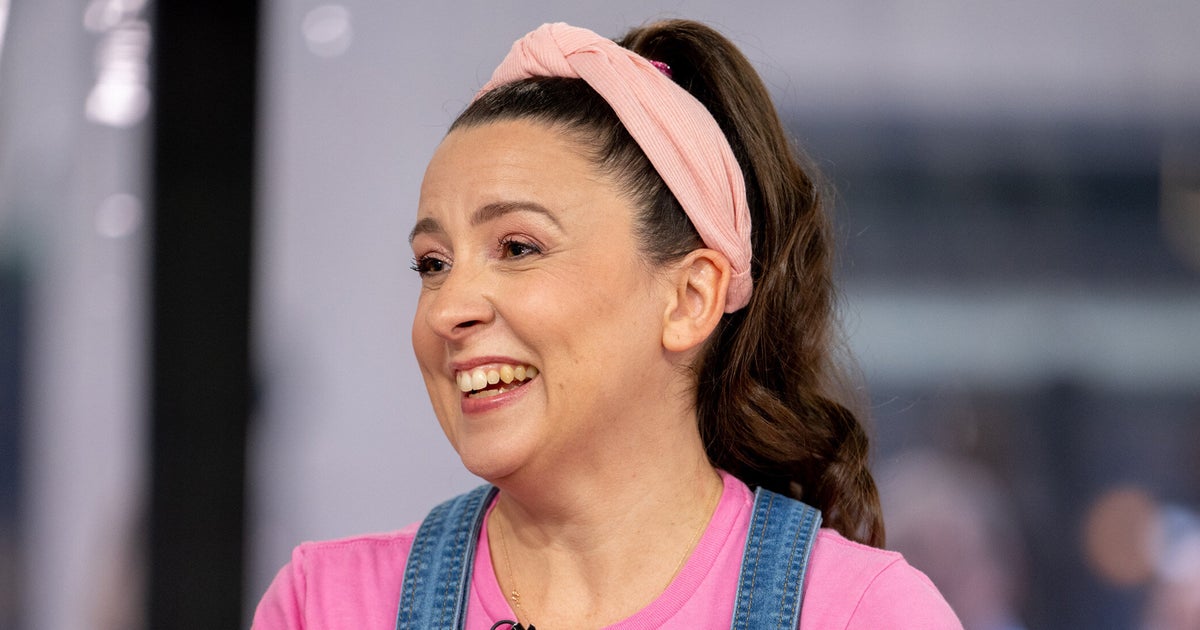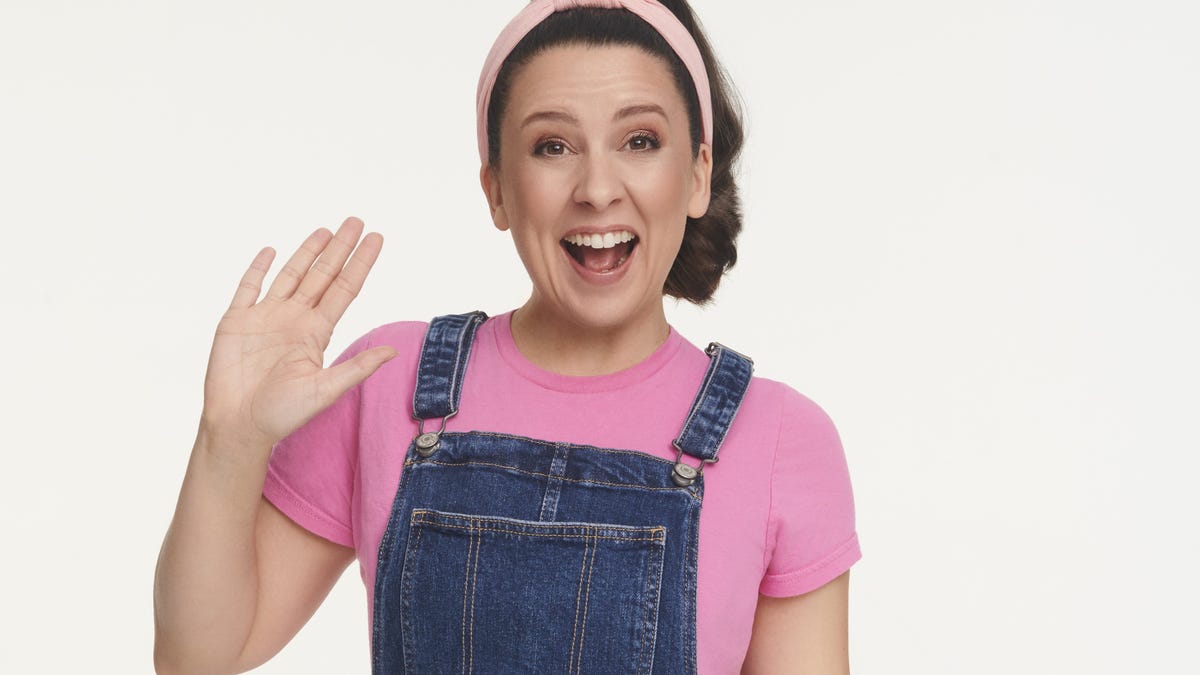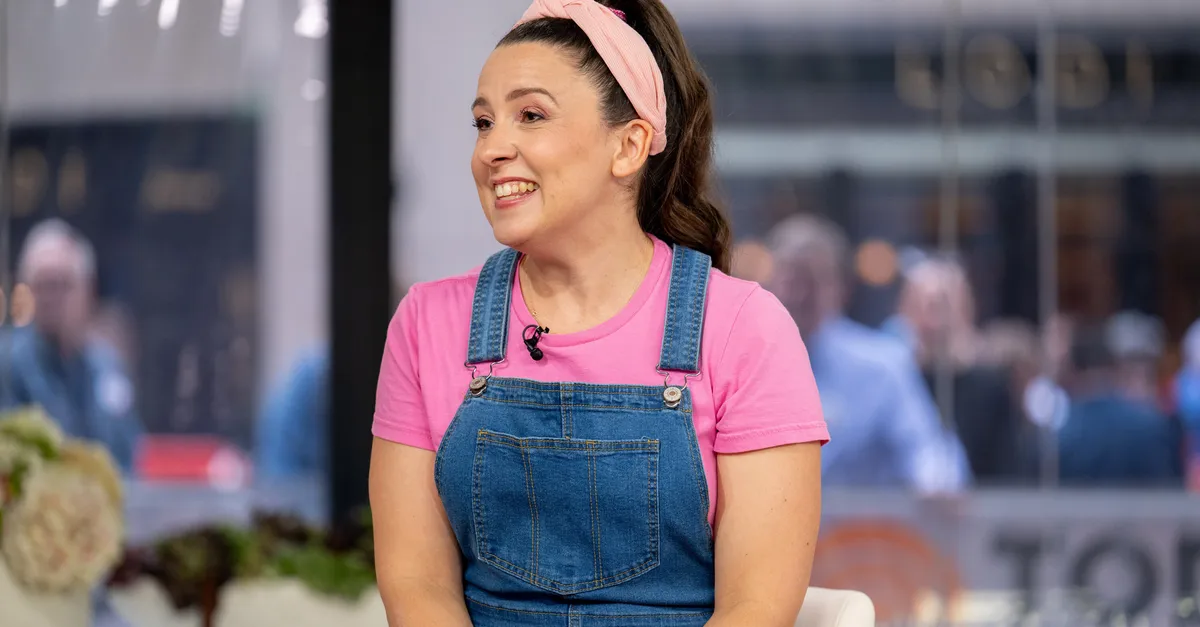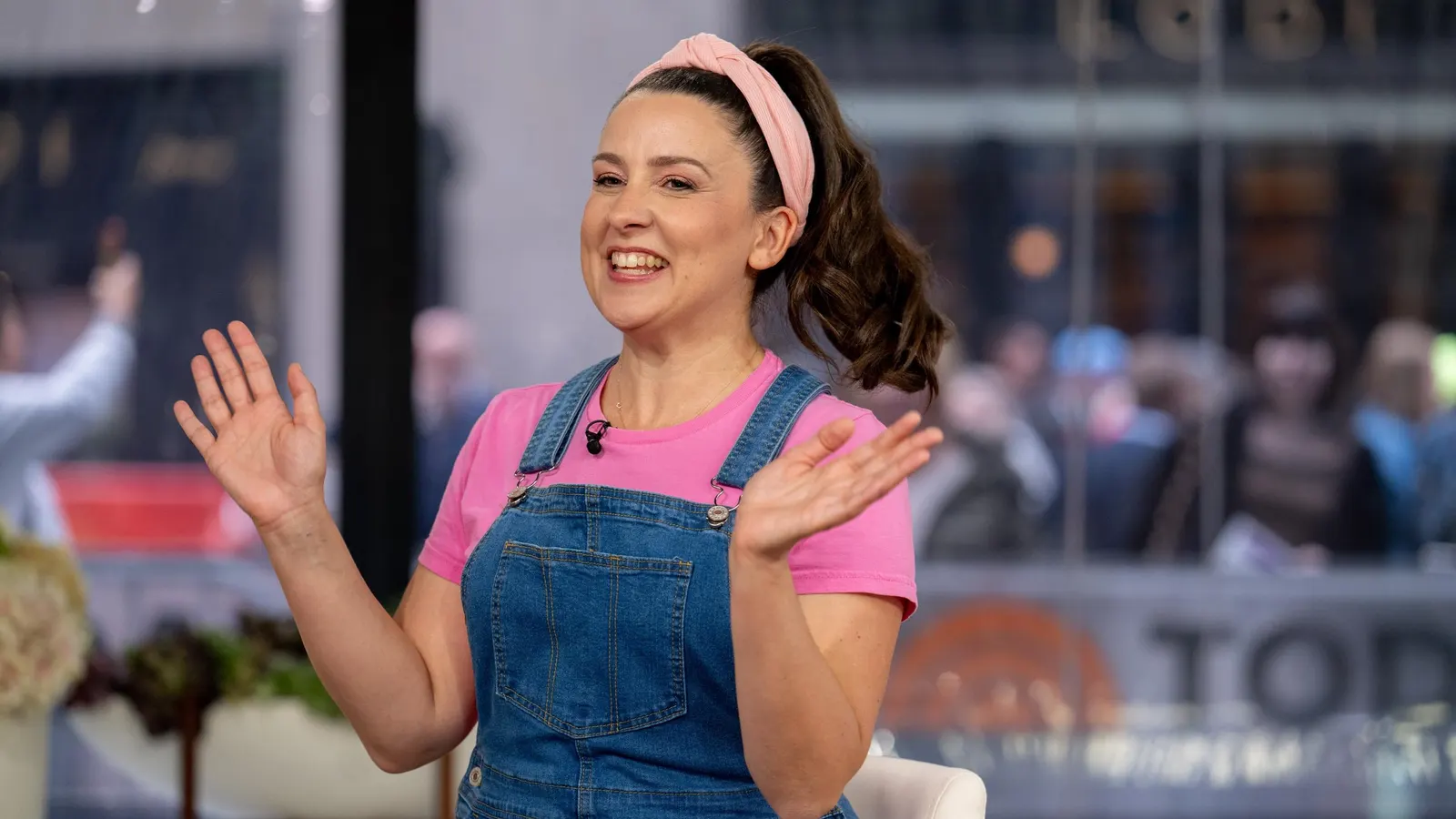
Beloved children’s educator and popular YouTuber Ms. Rachel has sparked backlash over recent statements.Nathan Congleton/NBC via Getty ImagesBeloved children’s educator and popular YouTuber Ms. Rachel has sparked public ire after sharing her thoughts about the death of 18-year-old Nolan Wells. Wells has been in the headlines as of late following his mysterious death after a 4th of July trip with his friends to Mississippi’s Horn Island. Although Wells’ official cause of death is currently unknown, the investigation has drawn national attention due to the racial elements of the case. After Ms. Rachel posted a photo on her Instagram page that read, “We know the investigation and everything that followed would have been different if Nolan Wells were white and his friends were black. Nolan and his family deserve justice,” and a separate post that read, “Black boys deserve to grow up,” she was met with a flurry of negative comments and criticism. This is not the first time Ms. Rachel has faced backlash because of her views. For the last few years, she has been scrutinized for her advocacy of Gazan children. Even with persistent opposition, she has continued to advocate for important issues despite backlash that has threatened her career and reputation, including 2024 boycott calls from conservatives after she posted a Pride Month video. When asked how she has been able to navigate the onslaught of criticism she has received, Ms. Rachel shared, “My sister helped me with this. She told me to keep my focus on the people experiencing injustice, not the backlash. We only have so much energy…I want to use my energy to help others, not to engage with backlash.”Ms. Rachel has continued to advocate for important issues despite backlash that has threatened her career.Getty Images for GlamourAn Instagram user by the name of anarcho_love shared a post about the backlash Ms. Rachel has experienced, writing, “Everyone loved Ms. Rachel…until her empathy became inconvenient to white supremacy. Whiteness is a system of rewards for staying silent about the suffering of others, particularly black and brown people. It is a system of artificial value, yet Ms. Rachel sees the value in all children.” Ms. Rachel recognizes the power and privilege she holds and wields it for good, even with a deep understanding that speaking up and using her voice comes at a cost. “I speak the truth, but I will never attack anyone. My faith and spirituality help me to remain peaceful and loving in my mind, words and actions. I also think about how I would want someone with the privilege I have to respond if I was in their situation. How can I say, ‘Oh I can’t handle backlash,’ when a mother across the world is watching her children starve [or] be killed? Honestly, I’m in shock that there is so much silence. I think knowing deep in my soul and heart that I’m doing the right thing helps me to keep going.”According to a 2026 State of Workplace Feedback & Culture report, 67% of human resource professionals have observed people staying silent when they have concerns or different opinions at work. In a time when there seems to be so much at stake, how can we find the courage to speak out about injustices we see? How can you gain the confidence to speak up in your workplace and intervene when you witness wrongdoing taking place? Ms. Rachel shared, “I think people who have the privilege I have—white, financially secure, having a large platform—need to be on the frontlines of speaking out. It’s our responsibility.”67% of employees stay silent when they have concerns or different opinions at work.gettyMORE FOR YOUMs. Rachel went on to say, “I would never tell someone who can’t put food on the table if they lost their job to risk it. But I will tell celebrities and politicians who have more money than they will ever need to please do more. I would tell those people that their silence is hurting people, and it hurts them as well.”Audre Lorde once wrote, “Your silence will not protect you.” Decades later, her words are truer than ever. Looking away when you see injustices happening doesn’t just harm the person or people directly experiencing the harm or injustice—it allows systems of oppression to continue, and these systems of harm hurt us all. It is imperative for each of us to recognize our levels of access, advantage, power and privilege and understand how they can be used to advocate for change. For some people, this may look like interrupting a meeting when a colleague is getting overlooked or ignored and amplifying their voice. It could be the direct action of intervening when something harmful has been said or done. We must remember that our resistance doesn’t always have to be loud and boisterous and may often be more clandestine and covert.What happens to one person within a group impacts the entire community.gettyThe pain that comes to one community is inextricably linked to what happens to other communities—no one is exempt from harm, but we all experience harm at varying levels. We must understand that everything in this world is interconnected. What happens to one employee or one person within a group impacts the entire community. Staying silent, looking the other way or choosing to ignore what’s happening doesn’t change the system that harms us all but allows it to grow, fester and worsen. We must always remember the words of Reni Eddo-Lodge, who has written, “Every voice raised against racism chips away at its power. We can’t afford to stay silent.”Despite the backlash, Ms. Rachel shared that she’s received an overwhelming amount of support. “I get so much support that I appreciate so much and it far outweighs any backlash. The best way to support this work is to stay informed, amplify the voices of impacted communities, and support organizations doing meaningful work on the ground. I encourage people to learn about and support the Sudanese American Physicians Association, the Future of Congo, the Palestine Children's Relief Fund, and Room to Grow.”
Why Ms. Rachel Won't Let Fear Lead Her Career
Ms. Rachel explains why she refuses to let backlash silence her. Her latest backlash offers a timely leadership lesson on courage, privilege and speaking up.
1,009 words~5 min read