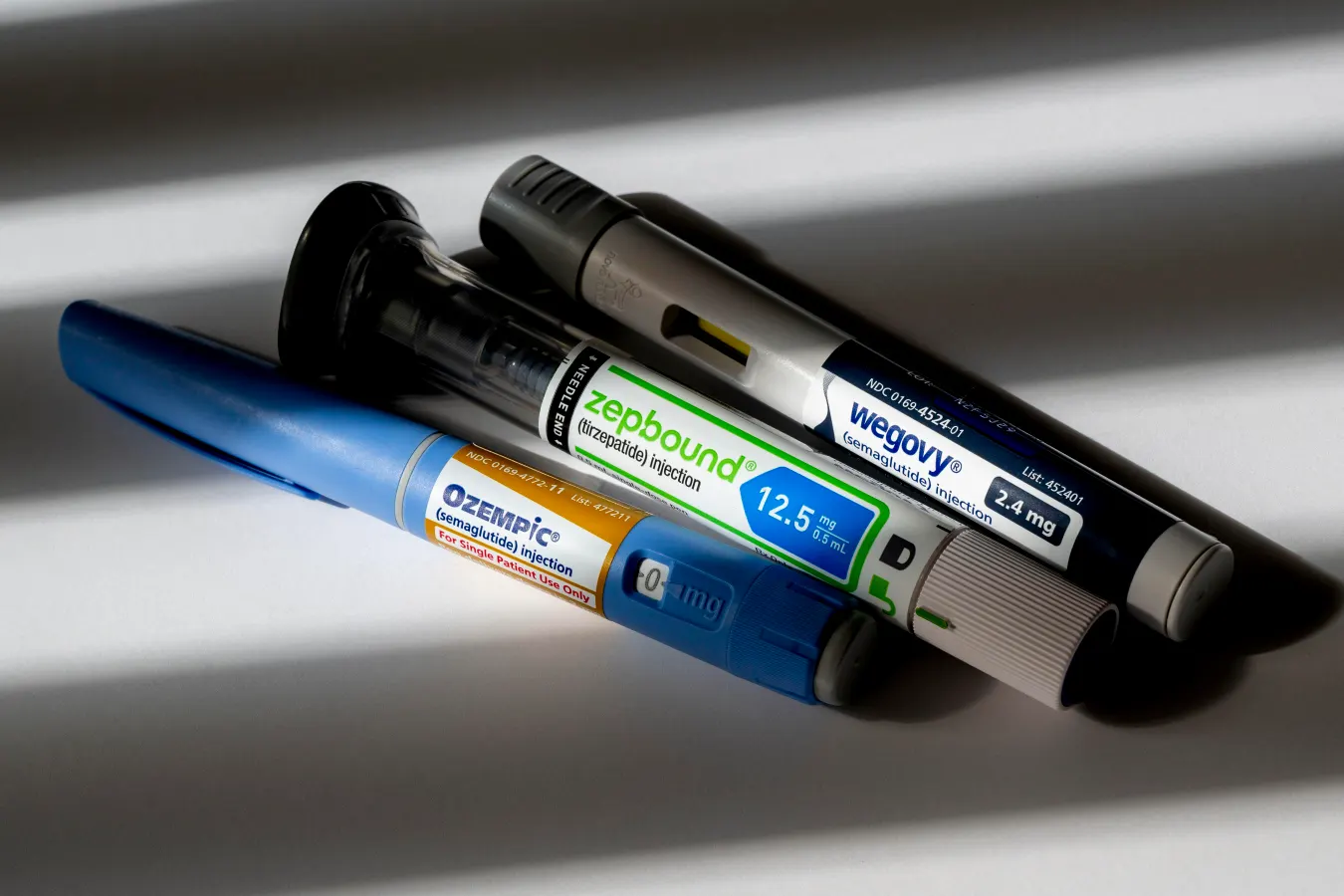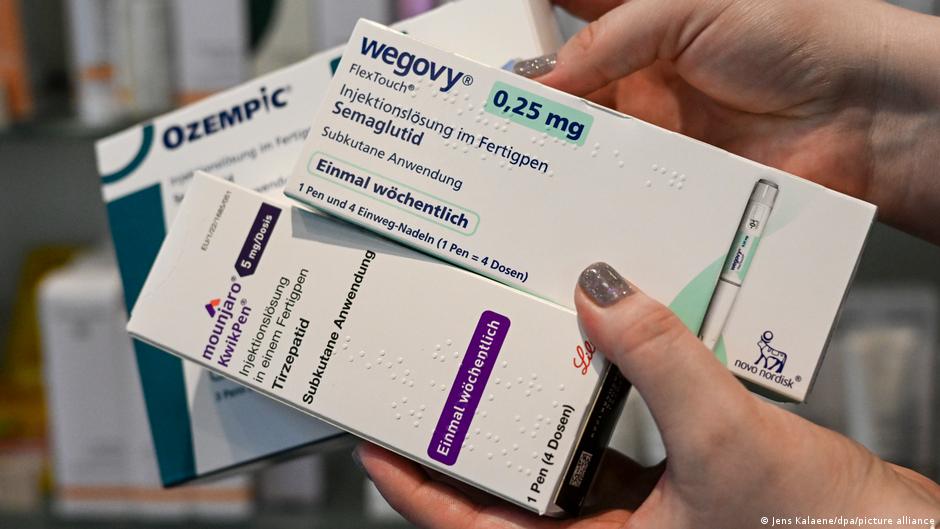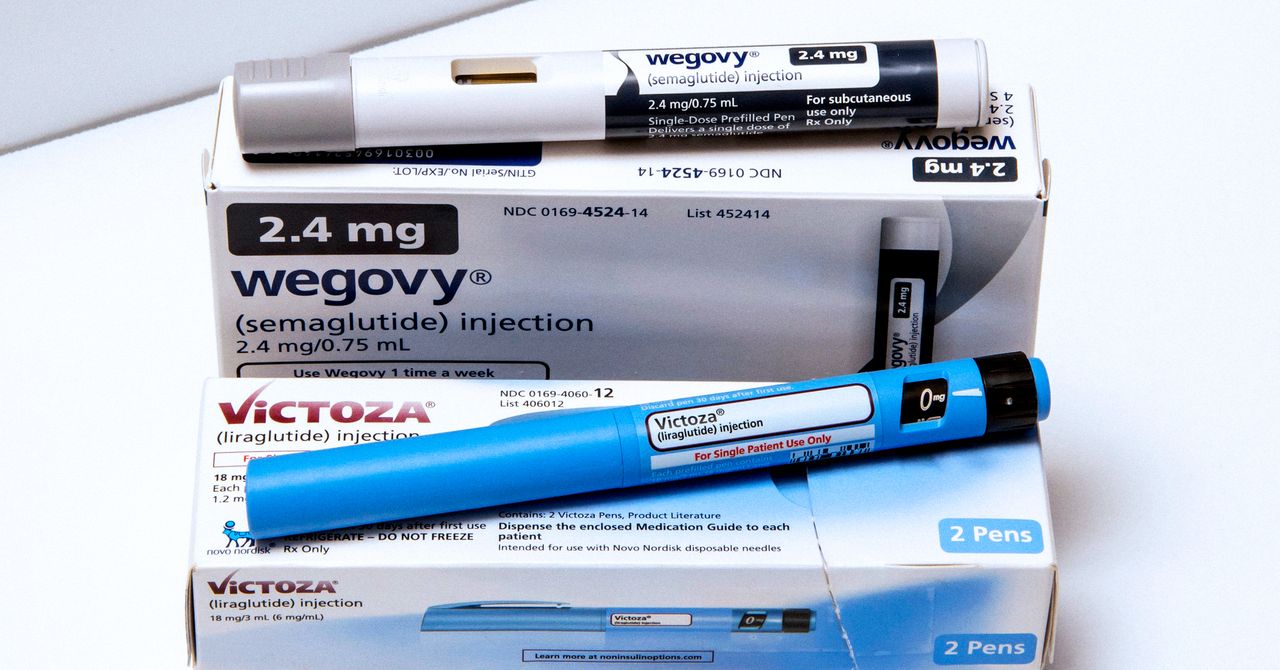
Lilly had its own struggles producing enough tirzepatide, but it quickly turned to new ideas that aligned with the way many patients were behaving - like consumers, not patients.
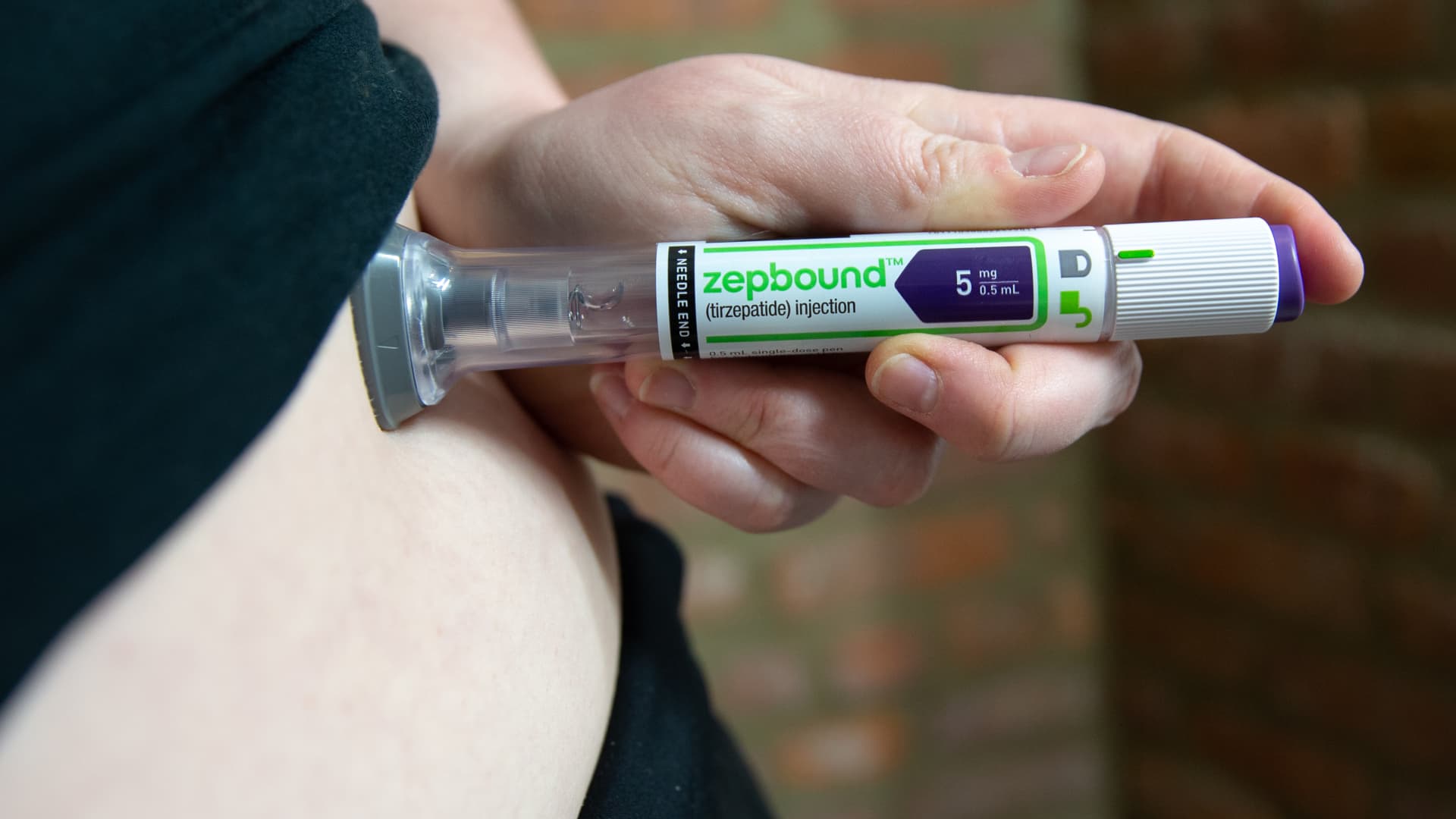
The company launched LillyDirect, a direct-to-consumer platform that connects prospective patients with physicians, in January 2024 and started selling Zepbound in vials, which are cheaper and easier to make, to the growing number of cash-paying customers later that year.
Lilly's tirzepatide came off the FDA's drug-shortage list two months earlier than semaglutide, and Lilly kept pressing its advantage. Earlier this year, it came out with the multidose KwikPen for Zepbound, which is less expensive than the single-dose pen. The KwikPen is what is available to Medicare beneficiaries.
The company now plans to keep its manufacturing capacity at around 80% to 90% to ensure there's room to ramp up in case demand for its medicines spikes again, according to Chief Financial Officer Lucas Montarce. It's something Lilly has never done before.
"This is about Lilly's ability as a U.S. company to turn on a dime to increase manufacturing," said a former Novo employee and longtime industry strategist, speaking on the condition of anonymity.