A successful job interview isn't just about having the right qualifications. Employers are also paying attention to how candidates communicate, solve problems, handle pressure and build rapport. According to a report by LinkedIn, soft skills such as communication, adaptability and emotional intelligence continue to rank among the most valued qualities employers look for when hiring. Likewise, research in industrial-organizational psychology suggests that interviewers often form impressions based not only on technical expertise but also on confidence, authenticity and interpersonal skills. That doesn't mean memorizing the "perfect" script will guarantee a job offer.In fact, psychologists warn that overly rehearsed responses can come across as less authentic. Instead, candidates who leave a positive impression often use language that demonstrates curiosity, accountability, collaboration and a willingness to learn. These phrases aren't magic formulas, but they reflect communication habits associated with professionalism and emotional intelligence. Here are 12 phrases that often help candidates stand out during interviews.1. "I'd love to learn more about how your team approaches that."Strong candidates don't just answer questions, they ask thoughtful ones.You Might Also Like:According to Self-Determination Theory, developed by psychologists Edward Deci and Richard Ryan, curiosity and intrinsic motivation are associated with greater engagement and long-term performance.This phrase shows genuine interest in the role rather than simply trying to impress.2. "Here's what I learned from that experience."Employers appreciate people who can reflect on both successes and failures.According to psychologist Carol Dweck's Growth Mindset Theory, people who view setbacks as opportunities to learn are more likely to adapt and improve over time.You Might Also Like:Focusing on lessons learned signals maturity and resilience.3. "I'm comfortable asking questions when I don't know something."Pretending to know everything rarely impresses experienced interviewers.According to research on psychological safety by Dr. Amy Edmondson, people who ask thoughtful questions contribute to healthier, more collaborative workplaces.This phrase communicates confidence without overconfidence.4. "I enjoy working with people who challenge my thinking."Great employers value collaboration over ego.According to research on cognitive diversity, teams often make better decisions when members welcome different perspectives instead of seeking constant agreement.This phrase highlights openness and adaptability.5. "I take ownership of my mistakes."Accountability builds trust.According to psychologist June Tangney's research on guilt, responsibility and moral emotions, acknowledging mistakes is associated with healthier relationships and stronger professional credibility.Interviewers often care more about how you recover than whether you've ever failed.6. "Can you tell me what success looks like in this role?"This question shifts the conversation toward impact.According to organizational psychologists, candidates who focus on expectations and outcomes often demonstrate stronger long-term commitment than those focused only on salary or perks.It also shows that you're already thinking like part of the team.7. "I'm always looking for ways to improve."Continuous learning is one of today's most valued workplace skills.According to a report by the World Economic Forum, adaptability and lifelong learning are among the most important competencies for the future of work.This phrase communicates ambition without sounding boastful.8. "I appreciate constructive feedback."Feedback can feel uncomfortable, but growth depends on it.According to psychologist Douglas Stone, co-author of Thanks for the Feedback, people who seek constructive criticism are better equipped to develop professionally.Employers often see coachability as a major strength.9. "I'd rather solve the problem than assign blame."Conflict happens in every workplace. Candidates who emphasize solutions instead of finger-pointing often appear emotionally intelligent and team-oriented.According to Daniel Goleman's Emotional Intelligence framework, self-regulation and relationship management are essential leadership skills.10. "I want to contribute wherever I'm most useful."This phrase reflects flexibility rather than entitlement.According to research on organizational citizenship behavior, employees who willingly support team goals beyond their formal responsibilities often contribute to stronger workplace performance. It signals a collaborative mindset.11. "What opportunities are there to keep learning here?"Growth-oriented candidates often ask about development rather than immediate rewards.According to LinkedIn's Workplace Learning Report, opportunities to learn are among the top reasons professionals choose to stay with an employer. This question demonstrates long-term thinking.12. "Thank you for your time—I genuinely enjoyed our conversation."The final impression matters just as much as the first.According to communication research, expressing sincere gratitude leaves a positive emotional impression and reinforces professionalism.A simple, authentic closing can make you more memorable than a rehearsed sales pitch.Why These Phrases Leave A Strong ImpressionAlthough each phrase serves a different purpose, they all communicate qualities employers consistently value: curiosity, accountability, adaptability and emotional intelligence.According to Daniel Goleman, emotional intelligence influences how effectively people communicate, collaborate and manage workplace relationships. Meanwhile, research by Amy Edmondson shows that people who foster openness and learning contribute to healthier, more innovative teams.Importantly, these phrases only work when they're genuine. Interviewers quickly recognize scripted or exaggerated responses. Authenticity remains one of the strongest predictors of a successful interview because it allows your skills and personality to come across naturally.FAQsDo these phrases guarantee success in an interview?No. Interview outcomes depend on many factors, including your qualifications, experience, communication skills and how well you fit the role. These phrases simply reflect communication habits associated with positive impressions.Why do employers value emotional intelligence in interviews?Research suggests emotional intelligence supports teamwork, leadership, adaptability and conflict resolution, all qualities that contribute to workplace success.
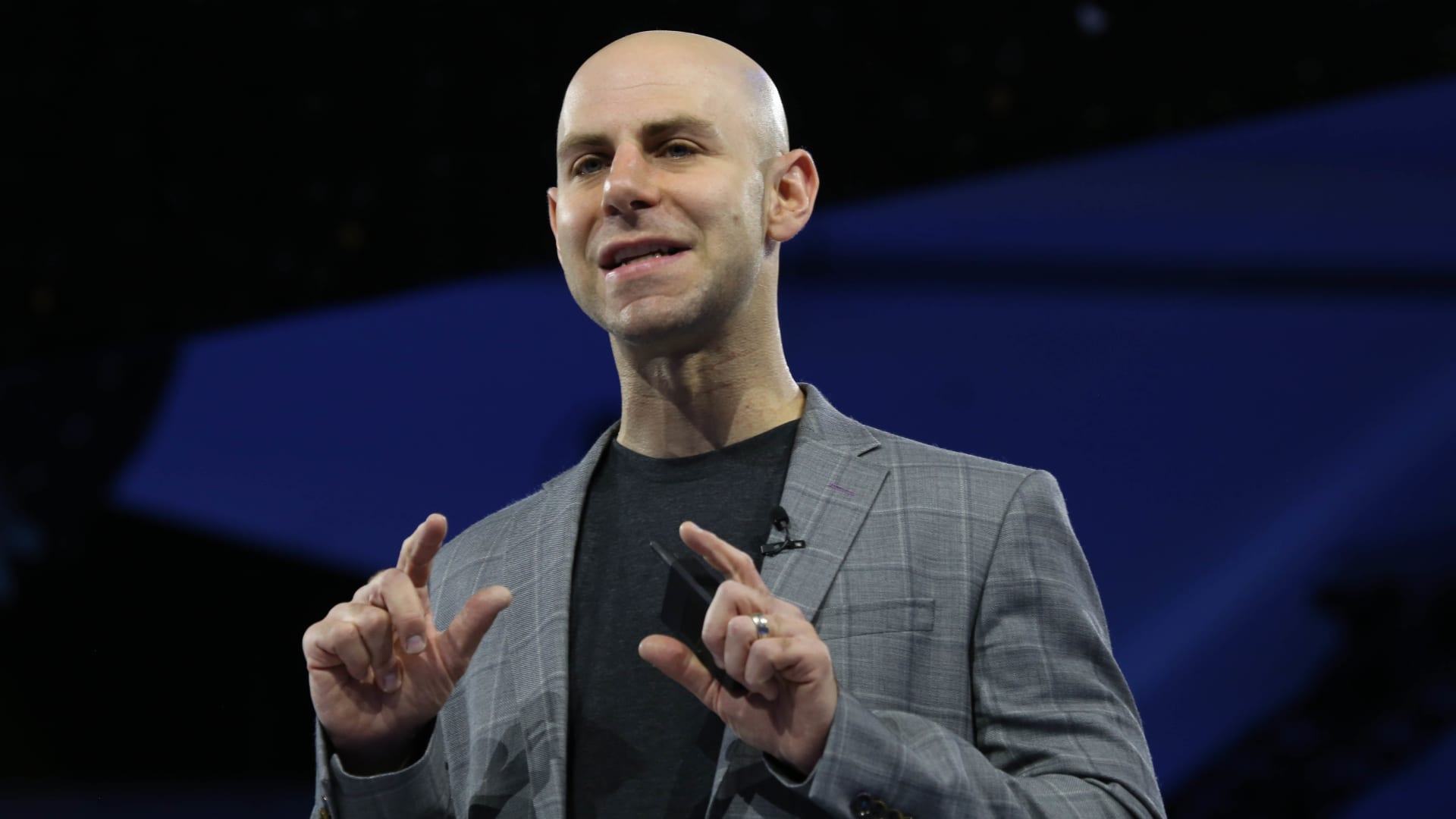
12 Phrases people use to make a lasting impact on the interviewers without sounding arrogant
Impressive candidates aren't necessarily those with the most polished answers. They're often the ones who demonstrate self-awareness, ask meaningful questions and show they're eager to learn. The right words don't replace experience—but they can help communicate your potential.
843 words~4 min read